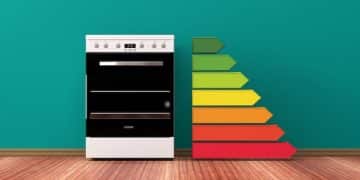
Will New Appliance Efficiency Standards Cost More Than They Save?
The new federal appliance efficiency standards aim to reduce energy consumption and lower utility bills, but concerns arise about whether the increased upfront costs of compliant appliances will outweigh the long-term savings for consumers.
Are the latest federal appliance efficiency standards truly a win for consumers, or could they end up costing you more in the long run? The debate around is the new federal appliance efficiency standard costing you more than it saves? is heating up, as households across the US grapple with rising appliance prices and the promise of future energy savings.
Understanding the New Federal Appliance Efficiency Standards
The US Department of Energy (DOE) regularly updates appliance efficiency standards to reduce national energy consumption and lower consumer utility bills. These standards dictate the minimum energy performance levels for various appliances, ranging from refrigerators and washing machines to air conditioners and water heaters.
But with each new round of standards, the question arises: are these regulations truly beneficial for consumers, or do they simply shift costs from energy bills to upfront appliance purchases?
What Appliances Are Affected?
The latest standards touch a wide range of household appliances, including:
- Refrigerators and Freezers
- Washing Machines and Dryers
- Dishwashers
- Air Conditioners and Heat Pumps
- Water Heaters
Each appliance category has specific efficiency requirements that manufacturers must meet, often leading to design changes and increased production costs.
Goals of the Efficiency Standards
The primary goals of these standards are to:
- Reduce energy consumption
- Lower greenhouse gas emissions
- Save consumers money on utility bills over the lifespan of the appliance.
- Drive innovation in appliance technology
While these goals are laudable, skeptics argue about the real-world impact and whether the imposed costs justify the assumed benefits.
In conclusion, the new federal appliance efficiency standards aim to make appliances more energy-efficient, with the ultimate goal of reducing energy consumption and saving consumers money, but the real impact on household budgets is a subject of ongoing debate.
The Argument for Cost Savings
Proponents of the efficiency standards argue that while the initial purchase price of compliant appliances may be higher, the long-term energy savings will more than compensate for this. They emphasize the importance of considering the total cost of ownership, which includes both the purchase price and the cost of energy consumed over the appliance’s lifespan.
Here’s a closer look at the potential savings:
Reduced Energy Consumption
One of the most touted benefits of energy-efficient appliances is their capability to consume notably less power in comparison to their less efficient counterparts. This reduction in energy consumption directly translates into lower monthly utility bills for homeowners.
Long-Term Financial Benefits
While more efficient appliances typically demand a higher initial investment, these appliances are specifically designed to offer substantial financial advantages over the medium and long-term. These benefits include reduced energy costs and may also involve lower maintenance expenses thanks to the enhanced durability and reliability commonly associated with high-efficiency models.
- Lower Energy Bills
- Reduced Maintenance Costs
- Increased Appliance Lifespan
Environmental Advantages
In addition to the economic advantages, energy-efficient appliances play a crucial role in promoting environmental sustainability. By lowering the energy demand, these appliances help diminish carbon footprint, which is crucial in mitigating climate change and conserving natural resources.
To conclude, supporters of updated appliance efficiency standards maintain that, despite the initial higher purchase prices, the extensive reductions in energy expenses, along with the potential for reduced maintenance and environmental conservation, constitute a good financial decision for consumers in the long run.
Examining the Increased Upfront Costs
The most immediate and visible impact of new appliance efficiency standards is the increase in upfront costs. Manufacturers often pass along the expenses associated with redesigning and retooling their production lines to meet the new requirements, resulting in pricier appliances for consumers.
Let’s delve into the specifics:
Higher Purchase Prices
It’s easy to understand why energy efficient appliances have higher initial purchase costs, that’s because manufacturers have to deal with redesigns, upgraded components, and the implementation of advanced energy-saving technology.
Impact on Low-Income Households
For low-income households, the increased upfront costs of compliant appliances constitute a particularly big hurdle, forcing many families to opt for less expensive, less efficient models, or to delay needed replacements altogether. This can lead to a vicious cycle of high energy bills and aging, inefficient appliances.
- Limited Access to Efficient Appliances
- Delayed Replacements
- Disproportionate Burden
Hidden Costs and Trade-offs
Alongside the increased purchase prices, there might also be less obvious costs and trade-offs associated with appliance efficiency standards. For example, certain energy-efficient appliances may have a smaller capacity or offer fewer features to meet the strict efficiency requirements.
In summary, while the long-term energy savings of the latest standards may be appealing, the more immediate effect for the consumer is the increase in upfront costs, which could hinder their ability to invest in efficient appliances and potentially offset the long-term savings.
Potential Downsides and Controversies
While energy efficiency standards are generally viewed favorably, they are not without their critics and associated controversies. Concerns have been raised about everything from the precision of projected savings to potential limitations on consumer choice.
Examining these concerns is crucial for a balanced understanding:
Doubts Regarding Projected Savings
One common critique revolves around the accuracy of the forecasts that estimate how much money consumers will save due to these standards. These estimates are typically derived from simulations that rely on a number of assumptions, including appliance lifespan, energy prices, and usage patterns.
Limitations on Consumer Choice
Critics claim that efficiency standards limit the range of appliance models available to consumers and reduce their ability to choose products that best meet their individual needs and budgets.
- Reduced Model Availability
- Limited Features
- Restricted Customization Options
Impact on Innovation
Some industry experts argue that overly strict efficiency standards can inadvertently stifle innovation by diverting resources toward meeting regulatory requirements rather than developing truly groundbreaking technologies. This could lead to incremental improvements in efficiency at the expense of more transformative advancements.
In conclusion, while appliance efficiency standards seek to conserve energy and lower costs over time, the disputes over the precision of projected savings, limitations on consumer options, and influence on technical progress should be closely considered to ensure the fairness and effectiveness of these regulations.
Real-World Examples and Case Studies
To gain a clearer understanding of the actual impact of new appliance efficiency standards, it’s helpful to examine real-world examples and case studies.
These examples can shed light on the potential benefits and drawbacks in different scenarios:
Case Study: Energy-Efficient Refrigerators
In recent years, the minimum energy efficiency standards for refrigerators have become more strict. While this has led to significantly more efficient fridges, it has also increased the upfront cost. One case study compared the lifetime cost of an older, less efficient refrigerator compared to a new, high-efficiency model. The study found that while the new refrigerator had a higher purchase price, it saved the homeowner over $500 in energy costs over its lifespan.
Example: Water Heater Standards
Recent changes to water heater efficiency standards have required manufacturers to produce more complex and expensive models, that has led to significant debate. Some homeowners discovered that the enhanced upfront costs and complicated installation requirements offset the projected savings, specifically in residences with particular plumbing configurations.
- Inconsistent Savings
- Higher Installation Costs
- Space Constraints
Regional Differences
The true impact of regulations on technology in different geographic areas is also essential. For example, in specific regions with very low electricity prices, the energy savings from efficient appliances may not be enough to counterbalance the higher purchasing rates.
To sum up, real-world cases and research emphasize the necessity to take a comprehensive look at efficiency regulations by analyzing a variety of elements, like variations in power expenses, consumer behaviors, and regional economies. This will help determine their actual influence on costs and savings.
Making Informed Decisions as a Consumer
As a consumer, it’s important to be informed and make smart choices when purchasing new appliances. The new federal appliance efficiency standards add another layer of complexity to the decision-making process, but with the right approach, you can navigate these challenges and make choices that suit your needs and budget.
Here are some tips for making informed choices:
Research and Compare
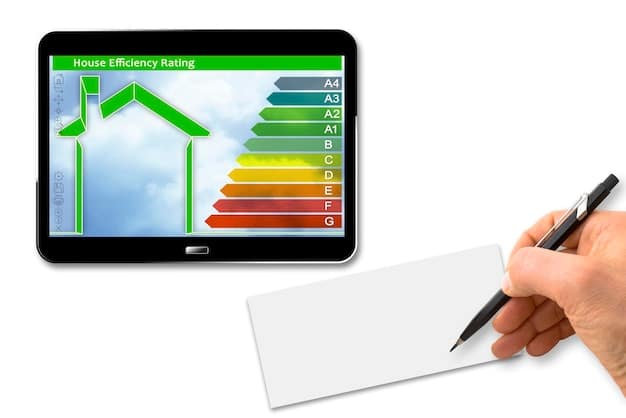
Before buying a new appliance, do your research and compare the energy efficiency ratings, features, and prices of different models.
Consider Your Usage Patterns
Think about how you use your appliances and whether the potential energy savings justify the higher upfront cost. If you only use an appliance occasionally, the long-term savings may not be as significant.
- Frequency of Use
- Load Size
- Personal Preferences
Look for Rebates and Incentives
Take advantage of rebates and incentives offered by utilities, state governments, and federal programs. These rebates can help offset the upfront cost of energy-efficient appliances and make them more affordable.
| Key Aspect | Brief Description |
|---|---|
| 💡 Efficiency Standards | Aimed at reducing energy use and saving consumers money. |
| 💰 Upfront Costs | New standards often lead to higher initial appliance prices. |
| 🌱 Long-Term Savings | Efficient appliances can lower utility bills and environmental impact. |
| 🤔 Informed Decisions | Research, compare, and consider usage patterns before buying. |
Frequently Asked Questions (FAQ)
▼
Appliance efficiency standards are regulations that set minimum energy performance requirements for household appliances, like refrigerators, washing machines, and air conditioners.
▼
New standards are implemented to reduce national energy consumption, lower greenhouse gas emissions, and hopefully, save consumers money on their utility bills over the long term.
▼
New standards often lead to increased upfront costs for appliances as manufacturers have to implement newer energy-saving technologies, adding to the overall price for the consumer.
▼
Energy savings are not guaranteed and can vary depending on factors such as usage patterns, local energy prices, and the lifespan of the appliance. Research and compare before buying.
▼
Rebates and incentives are often available through local utilities, government programs, and energy efficiency organizations. Check with these sources before making a purchase.
Conclusion
Ultimately, the question of whether new efficiency standards end up costing you more than they save is complex, it all depends on a variety of factors, including the type of appliance, your energy usage patterns, and the availability of rebates and incentives. By staying informed, doing your research, and considering your individual needs, you can make the best decisions for your wallet and the environment.