WIC Program Updates 2026: Enhanced Nutritional Support for Families

The Special Supplemental Nutrition Program for Women, Infants, and Children, universally known as WIC, stands as a cornerstone of public health initiatives in the United States. For decades, WIC has been instrumental in safeguarding the health of low-income pregnant women, new mothers, and young children up to age five who are at nutritional risk. As we approach 2026, significant WIC Program Updates are on the horizon, promising to further enhance the program’s reach and effectiveness. Understanding these changes is crucial for eligible families seeking to maximize their access to vital nutritional support and health resources.
WIC’s mission is deeply rooted in the understanding that proper nutrition during critical stages of development—pregnancy, infancy, and early childhood—lays the foundation for a lifetime of health and well-being. By providing nutritious foods, nutrition education, breastfeeding support, and referrals to healthcare and social services, WIC addresses the intertwined challenges of food insecurity and health disparities. The anticipated WIC Program Updates 2026 aim to refine these offerings, making the program more responsive to the evolving needs of modern families and leveraging new insights in nutritional science and public health.
This comprehensive guide will delve into the expected WIC Program Updates for 2026, outlining what these changes entail, who will be affected, and how eligible individuals can navigate the updated system to secure benefits. We’ll cover everything from potential adjustments to food packages and eligibility criteria to advancements in program delivery and support services. Our goal is to equip you with all the necessary information to ensure your family can continue to thrive with the support of the WIC program.
Understanding the Core Mission of WIC
Before diving into the specifics of the WIC Program Updates 2026, it’s essential to reiterate the foundational principles that guide this vital program. WIC is not merely a food assistance program; it is a comprehensive public health intervention designed to improve health outcomes for vulnerable populations. Its core mission encompasses several key pillars:
- Nutritious Foods: Providing supplemental foods specifically chosen to meet the nutritional needs of pregnant, breastfeeding, and postpartum women, as well as infants and young children. These foods are rich in protein, iron, calcium, and vitamins A and C, addressing common nutritional deficiencies.
- Nutrition Education: Offering practical, culturally sensitive nutrition education to help participants make healthy food choices, understand appropriate feeding practices for infants and children, and manage dietary concerns.
- Breastfeeding Support: Actively promoting and supporting breastfeeding as the optimal feeding choice for infants. This includes providing counseling, peer support, and access to breast pumps.
- Healthcare Referrals: Connecting participants with essential healthcare services, including prenatal care, well-child visits, immunizations, and substance abuse counseling, ensuring a holistic approach to health.
The effectiveness of WIC is well-documented. Studies have shown that WIC participation leads to healthier births, reduced infant mortality, improved dietary intake for mothers and children, and better cognitive development in young children. These positive impacts underscore the importance of continuous adaptation and improvement, which is precisely what the WIC Program Updates 2026 seek to achieve.
Anticipated WIC Program Updates 2026: What to Expect
While specific legislative details are often subject to ongoing discussions and final approvals, general trends and proposed changes offer a clear picture of what the WIC Program Updates 2026 might bring. These updates are typically driven by a combination of factors, including evolving dietary guidelines, advancements in public health research, technological innovations, and efforts to streamline program administration.
1. Enhancements to Food Packages
One of the most significant areas for WIC Program Updates 2026 is likely to be the food packages. The foods provided through WIC are regularly reviewed and updated to align with the latest dietary recommendations from the Dietary Guidelines for Americans and scientific evidence regarding nutritional needs during critical developmental periods. Potential enhancements could include:
- Increased Variety of Fruits and Vegetables: There’s a strong likelihood of expanding the Cash Value Benefit (CVB) for fruits and vegetables, allowing families greater flexibility and purchasing power for these essential items. This aligns with broader public health goals to increase consumption of produce.
- Greater Flexibility in Food Choices: WIC aims to offer more culturally appropriate and diverse food options to better serve the varied populations it assists. This might involve expanding the list of approved whole grains, dairy alternatives, or protein sources.
- Updated Infant and Child Food Options: As nutritional science evolves, so do recommendations for infant and child feeding. We might see adjustments to the types and quantities of infant cereals, pureed foods, and toddler-specific products to better support healthy growth and development.
- Emphasis on Whole Foods: A continued push towards less processed, whole foods is expected, reinforcing the program’s commitment to promoting healthy eating habits from an early age.
These adjustments to food packages are designed to make WIC benefits even more impactful, ensuring participants receive foods that are not only nutritious but also appealing and culturally relevant.
2. Streamlined Eligibility and Application Processes
Accessibility is a key concern for any public assistance program. The WIC Program Updates 2026 are expected to include measures to simplify and streamline the eligibility and application processes, making it easier for eligible families to enroll and retain their benefits. This could involve:
- Digital Application Platforms: Expanding the availability of online applications and digital document submission to reduce administrative burden and improve convenience for applicants.
- Interagency Data Sharing: Enhancing data sharing agreements with other assistance programs (like SNAP or Medicaid) to automatically verify eligibility for some applicants, reducing the need for redundant paperwork.
- Flexible Appointment Scheduling: Offering more flexible options for appointments, including telehealth consultations, to accommodate working parents and those with transportation challenges.
- Clearer Communication: Improving communication about eligibility requirements and the application process through plain language materials and multilingual resources.
These improvements aim to reduce barriers to entry, ensuring that more families who qualify for WIC can easily access its life-changing benefits.
3. Enhanced Nutrition Education and Breastfeeding Support
Beyond providing food, WIC’s educational components are vital. The WIC Program Updates 2026 will likely bring innovations to how nutrition education and breastfeeding support are delivered:
- Personalized Nutrition Counseling: Utilizing technology and data to offer more personalized nutrition advice tailored to individual family needs, dietary preferences, and health conditions.
- Expanded Online Resources: Developing more interactive and engaging online modules, webinars, and resources for nutrition education and breastfeeding support, accessible 24/7.
- Increased Peer Support Programs: Strengthening and expanding peer counseling programs for breastfeeding, as evidence shows the significant positive impact of peer support on breastfeeding initiation and duration.
- Focus on Early Childhood Nutrition: Providing more targeted education on preventing childhood obesity, fostering healthy eating habits in toddlers, and addressing picky eating behaviors.
These enhancements will ensure that WIC participants receive the most current and effective guidance to make informed decisions about their families’ health.
Who is Eligible for WIC Benefits?
Eligibility for WIC is determined by several factors, which are generally consistent across states, though specific income thresholds and documentation requirements can vary slightly. The WIC Program Updates 2026 are not expected to drastically alter these fundamental criteria, but it’s always good to be aware of the basics:
- Categorical Eligibility: Applicants must fall into one of the following categories: pregnant women, breastfeeding women (up to one year postpartum), non-breastfeeding postpartum women (up to six months postpartum), infants (up to their first birthday), or children (up to their fifth birthday).
- Residency: Applicants must reside in the state where they apply.
- Income Eligibility: Household income must be at or below 185% of the federal poverty line. However, individuals or families already participating in other assistance programs like SNAP or Medicaid or TANF are automatically considered income-eligible for WIC.
- Nutritional Risk: A health professional (such as a doctor, nurse, or nutritionist) must determine that the applicant is at nutritional risk. This can be based on medical conditions (e.g., anemia, high-risk pregnancy) or dietary patterns (e.g., inadequate calorie or nutrient intake).
It’s important to remember that WIC is designed for families with limited incomes. Even if you are working, you may still qualify. The WIC Program Updates 2026 are likely to maintain this focus on supporting those most in need, while potentially making the income verification process more efficient.
How to Apply for WIC: Navigating the Process
Applying for WIC can seem daunting, but the process is designed to be as straightforward as possible, especially with potential improvements from the WIC Program Updates 2026. Here’s a general overview of the steps involved:
Step 1: Contact Your Local WIC Agency
The first step is to locate and contact your local WIC agency. You can usually find this information by searching online for ‘WIC + [your state/county]’ or by calling your state’s health department. They will provide details on local requirements and how to begin the application process.
Step 2: Schedule an Appointment
You will typically need to schedule an appointment at a WIC clinic. This appointment will include an assessment by a WIC staff member. With the WIC Program Updates 2026, there might be more options for virtual appointments or streamlined in-person visits.
Step 3: Gather Required Documents
Before your appointment, you’ll need to gather several documents to verify your eligibility. These usually include:
- Proof of Identity: For all applicants (e.g., driver’s license, birth certificate, passport).
- Proof of Residency: (e.g., utility bill, lease agreement).
- Proof of Income: (e.g., pay stubs, tax returns, letter from employer, or proof of enrollment in other assistance programs like SNAP or Medicaid).
- Medical Documentation: If available, bring any medical records related to nutritional risk, especially for pregnant women or infants with specific health concerns.
The WIC Program Updates 2026 might introduce digital submission options for these documents, simplifying the process.
Step 4: Attend Your WIC Appointment
During your appointment, a WIC staff member will:
- Verify Eligibility: Review your documents to confirm categorical, residency, and income eligibility.
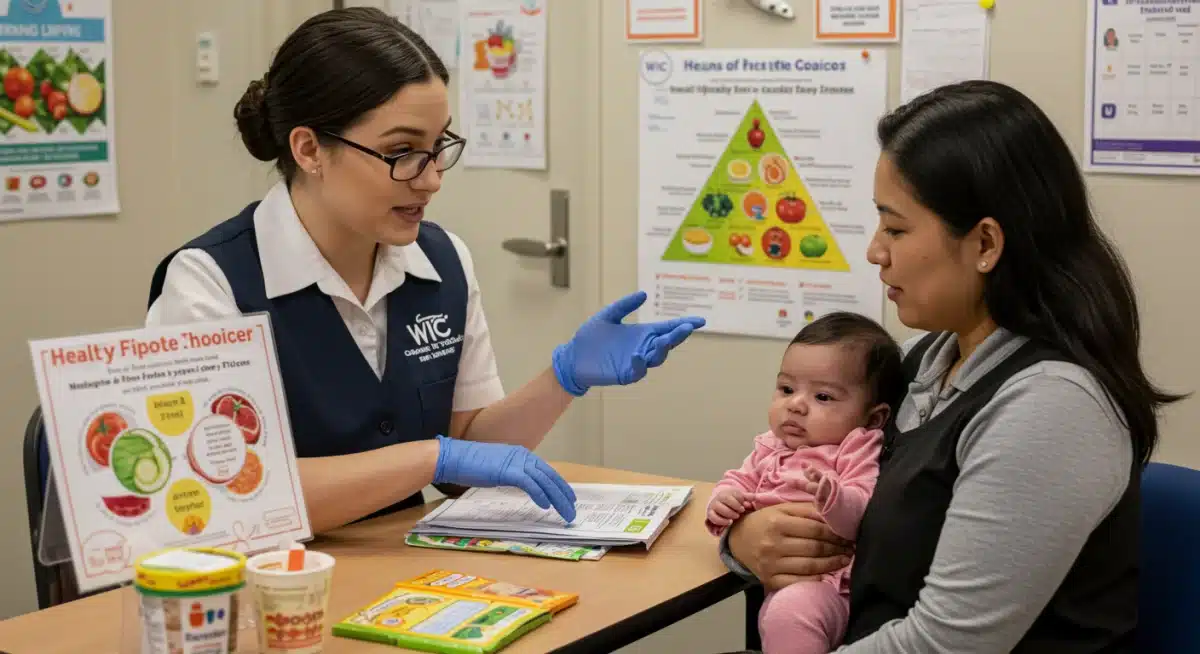
- Conduct a Health and Nutrition Assessment: This may include taking height, weight, and a blood test for iron deficiency. A nutritionist will discuss your dietary habits and any health concerns.
- Provide Nutrition Education: You will receive personalized advice on healthy eating, food preparation, and specific nutritional needs for your family members.
- Offer Breastfeeding Support: If applicable, you will receive information and support for breastfeeding.
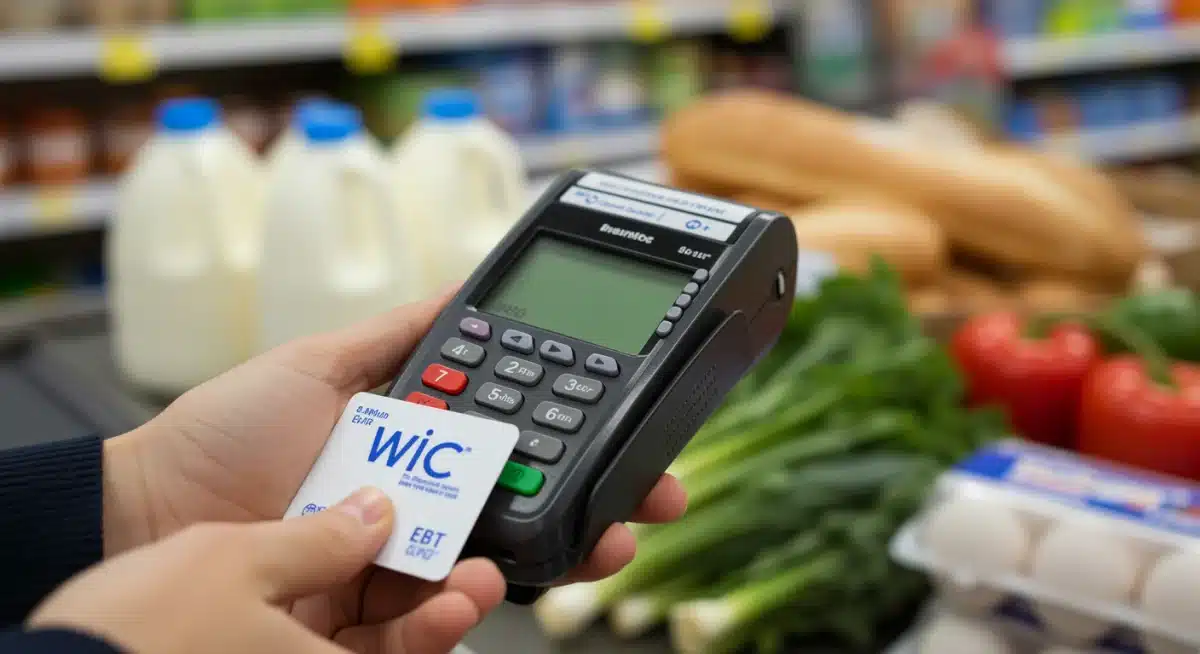
- Issue Benefits: If approved, you will receive an EBT card or vouchers for WIC-approved foods.
The WIC Program Updates 2026 could enhance the efficiency and personalization of this appointment, potentially integrating more telehealth components for follow-up education.
Utilizing WIC Benefits: What You Need to Know
Once approved, understanding how to effectively use your WIC benefits is key to maximizing their impact on your family’s health. The WIC Program Updates 2026 will likely continue to emphasize ease of use and flexibility.
WIC EBT Cards
Most states now use WIC EBT (Electronic Benefit Transfer) cards, which function much like a debit card. Your monthly food benefits are loaded onto this card, and you can use it at authorized grocery stores. This system offers convenience and privacy. It’s important to keep track of your balance and authorized foods.
WIC-Approved Foods
- Fruits and Vegetables: Fresh, frozen, or canned.
- Whole Grains: Whole wheat bread, brown rice, tortillas, oatmeal.
- Milk and Dairy Alternatives: Milk, cheese, yogurt, or calcium-fortified soy beverages.
- Cereal: Iron-fortified breakfast cereals.
- Eggs: Fresh chicken eggs.
- Legumes/Peanut Butter: Canned or dried beans, lentils, or peanut butter.
- Infant Formula: Specific types and brands, if medically necessary and prescribed.
- Infant Foods: Infant cereal, fruits, vegetables, and meats.
- Fish: Canned salmon, tuna, or sardines for breastfeeding women.
The WIC Program Updates 2026 are expected to provide clear guidelines on any new additions or changes to this approved food list, which will be communicated through your local WIC agency and updated program materials.
Ongoing Nutrition Education and Support
WIC participation is not a one-time transaction. Regular follow-up appointments are crucial for continued eligibility and to receive ongoing nutrition education and support. These appointments ensure that your family’s nutritional needs are continually met and that you receive the latest information on healthy eating and child development. The WIC Program Updates 2026 might introduce more personalized follow-up plans, potentially leveraging digital platforms for educational content and support groups.
The Broader Impact of WIC Program Updates 2026
The anticipated WIC Program Updates 2026 are not just about administrative tweaks; they represent a continued commitment to public health and the well-being of the nation’s most vulnerable populations. By refining food packages, streamlining access, and enhancing educational components, WIC aims to:
- Reduce Health Disparities: Ensure that all families, regardless of socioeconomic status, have access to the nutritional foundation necessary for optimal health.
- Promote Long-Term Health: Invest in the early years of life to prevent chronic diseases and improve health outcomes throughout the lifespan.
- Support Economic Stability: Alleviate financial strain on low-income families by providing essential food items, freeing up household budgets for other necessities.
- Strengthen Communities: Contribute to healthier, more resilient communities by supporting healthy mothers and children.
These updates reflect a proactive approach to public health, adapting to new scientific understanding and societal needs to maintain WIC’s effectiveness as a critical safety net and health promotion program.
Staying Informed About WIC Program Updates 2026
As 2026 approaches, it’s vital for current and prospective WIC participants to stay informed about the specific changes that will be implemented. Here are the best ways to do so:
- Contact Your Local WIC Agency: This is your primary resource for accurate and up-to-date information about WIC Program Updates 2026 in your specific state or locality.
- Visit the USDA WIC Website: The official USDA Food and Nutrition Service (FNS) website provides national guidance and news regarding the WIC program.
- Follow Official Social Media Channels: Many state and local WIC agencies maintain active social media presences where they share updates and important announcements.
- Attend WIC Appointments: Regular appointments are not just for receiving benefits; they are also opportunities to learn about program changes directly from WIC staff.
Being proactive in seeking information will ensure that you are fully aware of any adjustments to eligibility, food packages, or application procedures, allowing you to seamlessly transition with the WIC Program Updates 2026.
Addressing Common Misconceptions About WIC
Despite its long history and proven benefits, WIC still faces some common misconceptions that can deter eligible families from applying. It’s important to clarify these, especially in light of the WIC Program Updates 2026, which aim to make the program even more accessible and user-friendly.
Misconception 1: WIC is Only for Very Poor Families
Reality: While WIC is income-based, the income eligibility threshold (185% of the federal poverty level) is higher than many people realize. Many working families, especially those with multiple children, can qualify. Furthermore, participation in other programs like SNAP or Medicaid automatically qualifies a family for WIC’s income requirement, making it accessible to a broader range of low-income individuals.
Misconception 2: WIC Food Packages Are Restrictive and Unappealing
Reality: WIC food packages are carefully designed based on scientific evidence to provide essential nutrients and address common deficiencies. While there are guidelines, the program has continuously evolved to offer more variety and flexibility. The WIC Program Updates 2026 are likely to further enhance this, introducing more diverse and culturally appropriate options for fruits, vegetables, and other healthy foods, ensuring participants receive items they genuinely want and need.
Misconception 3: Applying for WIC is a Complicated and Embarrassing Process
Reality: WIC staff are dedicated professionals trained to assist families with respect and confidentiality. The application process, while requiring documentation, is designed to be straightforward. The anticipated WIC Program Updates 2026 are expected to simplify this even further through digital applications and streamlined verification methods, making the experience more convenient and less intimidating.
Misconception 4: WIC is Just About Free Food
Reality: While providing nutritious foods is a core component, WIC is much more. It’s a comprehensive public health program that includes vital nutrition education, personalized breastfeeding support, and crucial referrals to healthcare and social services. These non-food benefits are often as impactful, if not more so, than the food assistance itself, empowering families with knowledge and connections to improve their overall health and well-being.
Misconception 5: WIC is Only for Pregnant Women and Infants
Reality: WIC serves pregnant women, breastfeeding women, and non-breastfeeding postpartum women, but it also provides support for infants and children up to their fifth birthday. This extended coverage ensures that children receive critical nutritional support during their formative years, setting them up for healthier development and school readiness.
By dispelling these myths, more families can feel confident and comfortable seeking the support they are entitled to through the WIC program. The WIC Program Updates 2026 will continue to build on a foundation of accessibility, respect, and comprehensive support for families.
The Future of Nutritional Support: Beyond 2026
The WIC Program Updates 2026 represent a significant step in the ongoing evolution of nutritional support for vulnerable families. However, the work doesn’t stop there. The program is continually assessed and adapted to meet emerging public health challenges and leverage new opportunities. Looking beyond 2026, we can expect WIC to continue its trajectory of innovation, focusing on:
- Technological Integration: Further leveraging digital tools for appointment scheduling, benefit management, and personalized health resources. This could include mobile apps that provide instant access to nutrition information, recipes, and shopping lists tailored to WIC benefits.
- Holistic Health Approaches: Strengthening connections with other social services, mental health support, and early childhood education programs to provide a more integrated and holistic support system for families.
- Environmental Sustainability: Exploring ways to incorporate more sustainable and locally sourced food options into WIC packages, aligning with broader environmental goals and supporting local economies.
- Data-Driven Decision Making: Utilizing data analytics to better understand participant needs, program effectiveness, and areas for improvement, ensuring that WIC resources are allocated most efficiently and effectively.
These future directions underscore WIC’s commitment to remaining a dynamic and essential program, continually adapting to provide the best possible nutritional and health support for women, infants, and children across the nation. The WIC Program Updates 2026 are a testament to this ongoing dedication, ensuring that the program remains a beacon of hope and health for countless families.
Conclusion: Embracing the WIC Program Updates 2026 for a Healthier Tomorrow
The WIC Program has a long-standing legacy of fostering healthier futures for millions of families. The anticipated WIC Program Updates 2026 reinforce this commitment, promising to enhance the quality, accessibility, and effectiveness of its vital services. From more flexible and varied food packages to streamlined application processes and improved educational resources, these changes are designed to empower eligible families with the tools and support they need to thrive.
For pregnant women, new mothers, infants, and young children at nutritional risk, WIC offers more than just food; it offers a pathway to better health, stronger development, and a more secure future. By understanding and actively engaging with the WIC Program Updates 2026, families can ensure they are fully utilizing this invaluable resource. We encourage all eligible individuals to reach out to their local WIC agency, stay informed, and embrace the opportunities these updates present. Investing in the health and nutrition of our youngest and most vulnerable members is an investment in the health of our entire society, and WIC remains at the forefront of this crucial endeavor.