VA Benefits 2026: Policy Changes Impacting Veterans
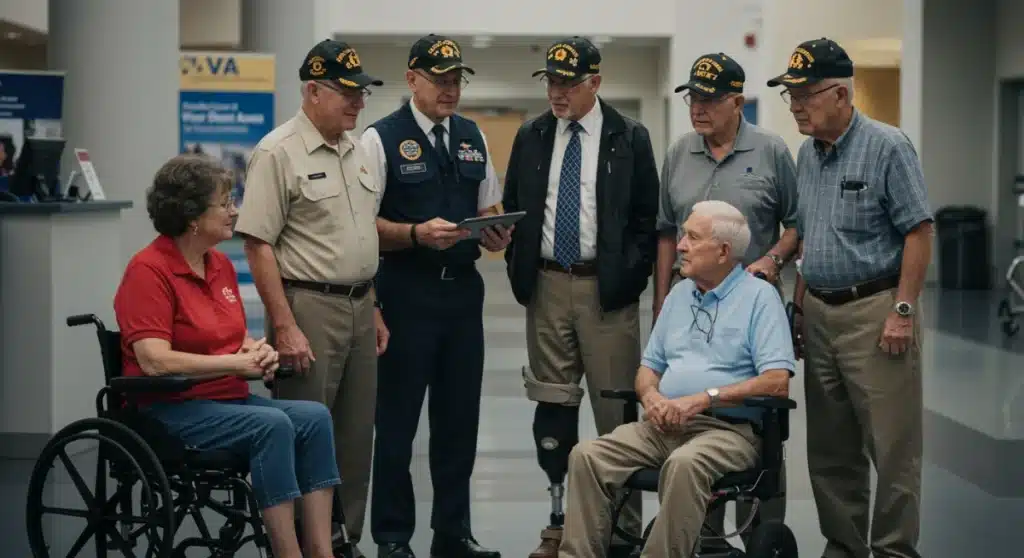
Veterans Affairs (VA) Benefits 2026 introduces crucial policy adjustments impacting disability compensation and healthcare access, requiring veterans to understand these changes for optimal claim management and service utilization.
As we approach 2026, understanding the evolving landscape of Veterans Affairs (VA) Benefits 2026 is paramount for every service member and their families. Recent policy shifts are set to redefine disability compensation and healthcare access, directly influencing the support available to those who have served our nation. This article aims to demystify these critical updates, ensuring you are well-informed and prepared.
understanding the new disability compensation framework
The Department of Veterans Affairs has implemented significant revisions to its disability compensation framework for 2026, aiming for a more equitable and streamlined process. These changes reflect a commitment to better recognizing the diverse impacts of service-connected conditions on veterans’ lives. The new policies seek to simplify the claims process while ensuring that compensation accurately reflects the severity and long-term effects of disabilities.
One of the primary focuses of this new framework is the reevaluation of presumptive conditions. The VA is expanding the list of conditions presumed to be service-connected for veterans exposed to certain environmental hazards, such as burn pits and Agent Orange. This expansion is a direct response to ongoing research and advocacy, acknowledging the long-term health consequences faced by many veterans from specific periods and locations of service.
expanded presumptive conditions
- Burn Pit Exposure: New respiratory illnesses and cancers are now included.
- Agent Orange Exposure: Additional cardiovascular and neurological conditions added.
- Gulf War Illnesses: Broader criteria for chronic multi-symptom illnesses.
Furthermore, the VA is introducing a modernized disability rating schedule. This update aims to incorporate the latest medical understanding of various conditions, potentially leading to more accurate and sometimes higher ratings for veterans. The goal is to reduce discrepancies and ensure that disability ratings are consistent across all claims, reflecting a more nuanced approach to assessing functional limitations.
These adjustments to the disability compensation framework are designed to make the system more responsive to the needs of veterans, ensuring that those who have sacrificed for their country receive the appropriate financial support. Understanding the specifics of these changes is crucial for veterans preparing to file new claims or seeking reevaluations of existing ones.
enhanced healthcare access and services
Healthcare access for veterans is undergoing a transformative period in 2026, with the VA rolling out several initiatives designed to improve the quality, accessibility, and comprehensiveness of medical services. These enhancements are a direct result of lessons learned from previous years and a proactive approach to addressing the evolving health needs of the veteran population. The focus is on a more integrated and personalized healthcare experience.
A key policy change involves the expansion of telehealth services. Recognizing the geographical barriers and mobility challenges many veterans face, the VA has significantly invested in virtual care options. This includes not only routine medical appointments but also specialized mental health services and remote monitoring for chronic conditions. The aim is to bring quality healthcare directly to veterans’ homes, regardless of their location.
telehealth service expansion
- Virtual Primary Care: Regular check-ups and consultations from home.
- Mental Health Support: Increased access to therapy and counseling sessions via video.
- Remote Monitoring: Devices and platforms for managing conditions like diabetes and hypertension.
Another significant development is the strengthening of community care partnerships. While the VA remains the primary provider, new policies make it easier for veterans to access care outside the VA system when it’s in their best interest. This includes improved referral processes, streamlined billing, and enhanced coordination between VA and community providers, ensuring seamless transitions of care.
The VA is also placing a greater emphasis on preventive care and wellness programs. New initiatives include expanded access to nutrition counseling, physical activity programs, and stress management workshops. These proactive measures are intended to empower veterans to take a more active role in managing their health and preventing the onset or progression of chronic diseases. The overall objective is to create a more holistic healthcare environment for all veterans.
changes to mental health and behavioral services
Recognizing the critical importance of mental health, the VA is implementing extensive changes to its mental health and behavioral services in 2026. These policy updates are designed to destigmatize mental health care, improve access, and provide a broader spectrum of support for veterans struggling with psychological and emotional challenges. The goal is to offer timely, effective, and compassionate care.
One of the most notable changes is the introduction of universal mental health screenings for all veterans accessing VA healthcare. This proactive approach aims to identify potential mental health concerns early, allowing for timely intervention and support. These screenings are integrated into routine medical appointments, making them a standard part of comprehensive veteran care.
new mental health initiatives
- Peer Support Programs: Expanded networks of veterans helping veterans.
- Trauma-Informed Care Training: Enhanced training for all VA staff to better understand and respond to veterans’ unique experiences.
- Increased Access to Specialized Therapies: Broader availability of evidence-based treatments for PTSD, depression, and anxiety.
Furthermore, the VA is enhancing its crisis intervention services. This includes a more robust Veterans Crisis Line, with increased staffing and improved response protocols, ensuring that veterans in immediate distress receive prompt and effective assistance. There’s also a greater focus on community-based crisis support, integrating VA services with local resources to create a more comprehensive safety net.
The policies also emphasize personalized treatment plans, moving away from a one-size-fits-all approach. Mental health professionals are now empowered to tailor treatment strategies more closely to individual veteran needs, incorporating a blend of psychotherapy, medication management, and alternative therapies as appropriate. This individualized approach is expected to lead to more effective outcomes and greater veteran satisfaction with their mental health care.
veteran education and employment benefits updates
The year 2026 brings significant updates to veteran education and employment benefits, reflecting the VA’s commitment to supporting veterans in their transition to civilian life and fostering long-term success. These policy changes are designed to enhance educational opportunities, improve career readiness, and provide more robust support for veterans entering the workforce. The aim is to empower veterans to achieve their academic and professional aspirations.
A key development is the expansion of the GI Bill benefits to include more vocational and technical training programs. Recognizing that not all veterans pursue traditional four-year degrees, the VA is making it easier to use educational benefits for certifications, apprenticeships, and specialized trade schools. This broadens the scope of eligible programs, catering to a wider range of career paths and industry demands.
expanded educational opportunities
- Vocational Training: New programs in high-demand trades like cybersecurity and renewable energy.
- Apprenticeships: Increased partnerships with employers for on-the-job training.
- STEM Focus: Enhanced benefits for science, technology, engineering, and mathematics degrees.

Another important update concerns employment assistance programs. The VA is strengthening its partnerships with federal and private sector employers to create more direct pathways for veteran hiring. This includes enhanced job placement services, resume building workshops, and interview coaching tailored to the unique skills and experiences of veterans.
Furthermore, there are new incentives for employers to hire veterans, particularly those with service-connected disabilities. These incentives aim to reduce barriers to employment and encourage businesses to recognize the immense value veterans bring to the workforce. These comprehensive adjustments to education and employment benefits are poised to significantly improve economic outcomes for veterans across the nation.
streamlining the claims process and appeals
The process of filing claims and navigating appeals with the VA has historically been complex, but 2026 introduces several policy changes aimed at streamlining these procedures. The VA is committed to making the claims and appeals system more efficient, transparent, and user-friendly for veterans. These reforms are a direct response to feedback from veterans and advocacy groups, seeking to reduce wait times and improve overall satisfaction.
A significant improvement is the further digitalization of the claims submission process. Veterans can now expect a more intuitive and comprehensive online portal for submitting initial claims and supporting documentation. This digital push aims to minimize paperwork, reduce errors, and accelerate the initial review phase, making it easier for veterans to track their claim’s progress from start to finish.
digitalization and efficiency
- Enhanced Online Portal: User-friendly interface for submitting and tracking claims.
- Automated Document Upload: Faster and more secure submission of supporting evidence.
- Digital Communication: Increased use of secure online messaging for updates and requests.
For appeals, the VA is refining its modernized appeals system, which was introduced in previous years. The focus for 2026 is on further clarifying the three lanes of appeal – supplemental claim, higher-level review, and Board appeal – and ensuring veterans fully understand their options. There is an increased emphasis on providing clear explanations for decisions and offering more personalized guidance throughout the appeals process.
Additionally, the VA is investing in more training for its claims processors and decision-makers. This training is designed to ensure a consistent application of policies and a deeper understanding of veterans’ circumstances, leading to more accurate initial decisions and fewer appeals. These collective efforts aim to create a claims and appeals system that is both fair and efficient for all veterans seeking their rightful benefits.
impact on survivor and dependent benefits
Beyond direct veteran benefits, the policy changes in 2026 also extend to survivor and dependent benefits, ensuring that the families of service members are adequately supported. These updates reflect a holistic approach to veteran care, acknowledging the sacrifices made by entire families. The VA is enhancing provisions for spouses, children, and other eligible dependents, providing crucial safety nets during times of loss or need.
One of the key areas of adjustment is the Dependency and Indemnity Compensation (DIC) program. The VA is reviewing the eligibility criteria and compensation rates for DIC, with potential adjustments aimed at better reflecting the cost of living and the unique challenges faced by surviving spouses and dependent children. These updates are intended to provide more substantial financial security for those who have lost a loved one due to service-connected causes.
enhanced support for families
- Expanded Eligibility for DIC: Broader criteria for surviving spouses and children.
- Increased Educational Assistance: Enhanced Post-9/11 GI Bill benefits for eligible dependents.
- Healthcare Access for Survivors: Improved access to TRICARE or CHAMPVA for qualifying family members.
Furthermore, educational assistance programs for dependents, such as the Fry Scholarship and the Survivors’ and Dependents’ Educational Assistance (DEA) program, are also seeing significant updates. These changes aim to expand the types of educational programs covered and potentially increase the monthly stipends, enabling dependents to pursue higher education or vocational training with greater financial ease.
The VA is also focusing on improving access to healthcare for eligible survivors and dependents. This includes streamlining enrollment processes for programs like CHAMPVA and ensuring better coordination of care. The overall objective of these policy changes is to provide comprehensive and compassionate support to the families of veterans, recognizing their invaluable contributions and sacrifices.
| Key Policy Change | Brief Description |
|---|---|
| Disability Compensation | Expanded presumptive conditions and modernized rating schedule. |
| Healthcare Access | Significant expansion of telehealth services and community care partnerships. |
| Mental Health Services | Universal screenings and enhanced crisis intervention. |
| Education & Employment | GI Bill expansion to vocational training and enhanced job placement. |
frequently asked questions about VA benefits 2026
Major changes include the expansion of presumptive conditions for environmental exposures like burn pits and Agent Orange, alongside a modernized disability rating schedule. These updates aim for more accurate and equitable compensation, reflecting current medical understanding and long-term impacts of service-connected conditions on veterans.
Healthcare access will improve through significant expansion of telehealth services, allowing veterans to receive virtual care from home. Additionally, community care partnerships are being strengthened, making it easier to access non-VA care when appropriate, ensuring comprehensive and convenient medical support for all veterans.
Yes, 2026 introduces universal mental health screenings for all VA healthcare users and enhanced crisis intervention services, including a more robust Veterans Crisis Line. The VA is also expanding peer support programs and specialized therapies, demonstrating a commitment to comprehensive and personalized mental health care for veterans.
The GI Bill benefits are expanding to cover more vocational and technical training programs, alongside traditional degrees. Employment assistance is also being enhanced through stronger partnerships with employers for job placement and hiring incentives, aiming to improve veterans’ career readiness and economic opportunities in civilian life.
The claims process is becoming more digitalized with an enhanced online portal for submissions and tracking, aiming to reduce paperwork and accelerate reviews. The appeals system is also being refined for clarity, ensuring veterans understand their options and receive clear explanations for decisions, making the process more efficient and user-friendly.
conclusion
The policy changes surrounding Veterans Affairs (VA) Benefits 2026 represent a significant evolution in how our nation supports its veterans. From refined disability compensation and expanded healthcare access to enhanced mental health services and robust educational and employment programs, these updates are designed to create a more responsive, equitable, and comprehensive support system. Staying informed about these developments is crucial for veterans and their families to fully leverage the benefits they have earned through their service. The VA’s commitment to continuous improvement ensures that the sacrifices of our service members are recognized and honored with the care and opportunities they deserve.