Navigating Product Recalls: Your Essential US Consumer Guide for January 2026

Navigating Product Recalls: Your Essential US Consumer Guide for January 2026
In an increasingly complex marketplace, the safety of the products we bring into our homes is paramount. Despite rigorous testing and regulations, sometimes products are found to have defects or pose unexpected hazards, leading to a product recall. For US consumers, understanding how to navigate these recalls is not just about inconvenience; it’s about safeguarding your health, safety, and financial well-being. As we step into January 2026, it’s crucial to be equipped with the knowledge and tools to effectively deal with any potential US Product Recalls that may arise.
This comprehensive guide is designed to empower you with a step-by-step approach to understanding, identifying, and acting upon product recalls. We’ll delve into the various types of recalls, where to find reliable information, what your rights are as a consumer, and the best course of action to take when a product you own is recalled. Our aim is to provide you with a clear, actionable roadmap, ensuring you are well-prepared for any situation involving product safety.
Understanding the Landscape of US Product Recalls
Product recalls are not uncommon, and they serve as a critical mechanism for protecting the public from potentially dangerous goods. In the United States, several government agencies play a pivotal role in overseeing product safety and initiating recalls. These include, but are not limited to, the Consumer Product Safety Commission (CPSC), the Food and Drug Administration (FDA), and the National Highway Traffic Safety Administration (NHTSA). Each agency focuses on specific categories of products, ensuring a broad spectrum of consumer goods is monitored.
Key Agencies and Their Purview:
- Consumer Product Safety Commission (CPSC): This agency is responsible for protecting the public from unreasonable risks of injury or death associated with the use of thousands of types of consumer products. This covers everything from toys and electronics to furniture and household appliances.
- Food and Drug Administration (FDA): The FDA oversees the safety of food, drugs, medical devices, cosmetics, and tobacco products. Their recalls often involve issues like contamination, mislabeling, or dangerous side effects of medications.
- National Highway Traffic Safety Administration (NHTSA): This agency focuses on vehicle safety, handling recalls for cars, trucks, motorcycles, and related equipment like car seats and tires.
- United States Department of Agriculture (USDA): Specifically, the Food Safety and Inspection Service (FSIS) within the USDA is responsible for ensuring the safety of meat, poultry, and egg products.
Understanding which agency is responsible for a particular type of product can help you pinpoint where to look for recall information and how to report a potential hazard. These agencies operate with the consumer’s safety as their top priority, and their recall alerts are designed to be clear, concise, and actionable.
Why Do Products Get Recalled?
The reasons behind a product recall are diverse, ranging from minor labeling errors to significant safety hazards. Common causes include:
- Design Defects: Flaws in the product’s design that make it inherently unsafe, even when used as intended.
- Manufacturing Defects: Errors that occur during the production process, leading to a subset of products being faulty.
- Contamination: Particularly relevant for food and medical products, where foreign substances or harmful bacteria are introduced.
- Labeling or Instruction Errors: Missing or incorrect warnings, instructions, or ingredients that could lead to misuse or adverse reactions.
- Non-compliance with Regulations: Products that fail to meet specific safety standards or regulations set by government agencies.
Regardless of the cause, a recall is initiated when the potential risk to consumers outweighs the product’s benefits or when a significant safety concern is identified. This proactive measure aims to prevent injuries, illnesses, or even fatalities, underscoring the importance of paying attention to recall notices.
Staying Informed: Your First Line of Defense Against US Product Recalls
In today’s digital age, access to information about US Product Recalls is easier than ever. However, it’s crucial to know where to look for reliable and up-to-date alerts. Subscribing to official government agency newsletters and utilizing dedicated recall websites are your best bets.
Official Government Recall Resources:
- Recalls.gov: This is a centralized federal website that aggregates recall information from all the major government agencies (CPSC, FDA, NHTSA, USDA, EPA, etc.). It’s an excellent starting point for any recall search and allows you to sign up for email alerts.
- CPSC.gov: For consumer products, the CPSC website offers detailed information on recalls, including product descriptions, hazard descriptions, remedies, and how to contact the manufacturer.
- FDA.gov/Recalls: This section of the FDA website is dedicated to recalls of food, drugs, medical devices, and cosmetics.
- NHTSA.gov: For vehicle-related recalls, NHTSA’s website allows you to search for recalls by Vehicle Identification Number (VIN) and provides comprehensive information on automotive safety.
Beyond these official sources, many reputable news organizations and consumer advocacy groups also track and report on product recalls. While these can be valuable, always cross-reference information with official government sources to ensure accuracy and completeness.
Proactive Steps for Staying Informed:
- Sign Up for Email Alerts: Most government recall websites offer free email subscription services that will notify you directly when new recalls are announced. This is arguably the most efficient way to stay abreast of developments.
- Follow Official Social Media Accounts: Many agencies maintain active social media presences where they post recall announcements.
- Register Your Products: When you purchase a new product, especially electronics or appliances, take a few minutes to register it with the manufacturer. This makes it easier for the company to contact you directly in the event of a recall.
- Keep Receipts and Packaging: While not always necessary, having proof of purchase and original packaging can sometimes simplify the recall process.
Identifying a Recalled Product: What to Look For
Once you’ve been alerted to a potential recall, the next critical step is to determine if the product you own is indeed part of the recall. This often involves checking specific identifiers on the product itself.
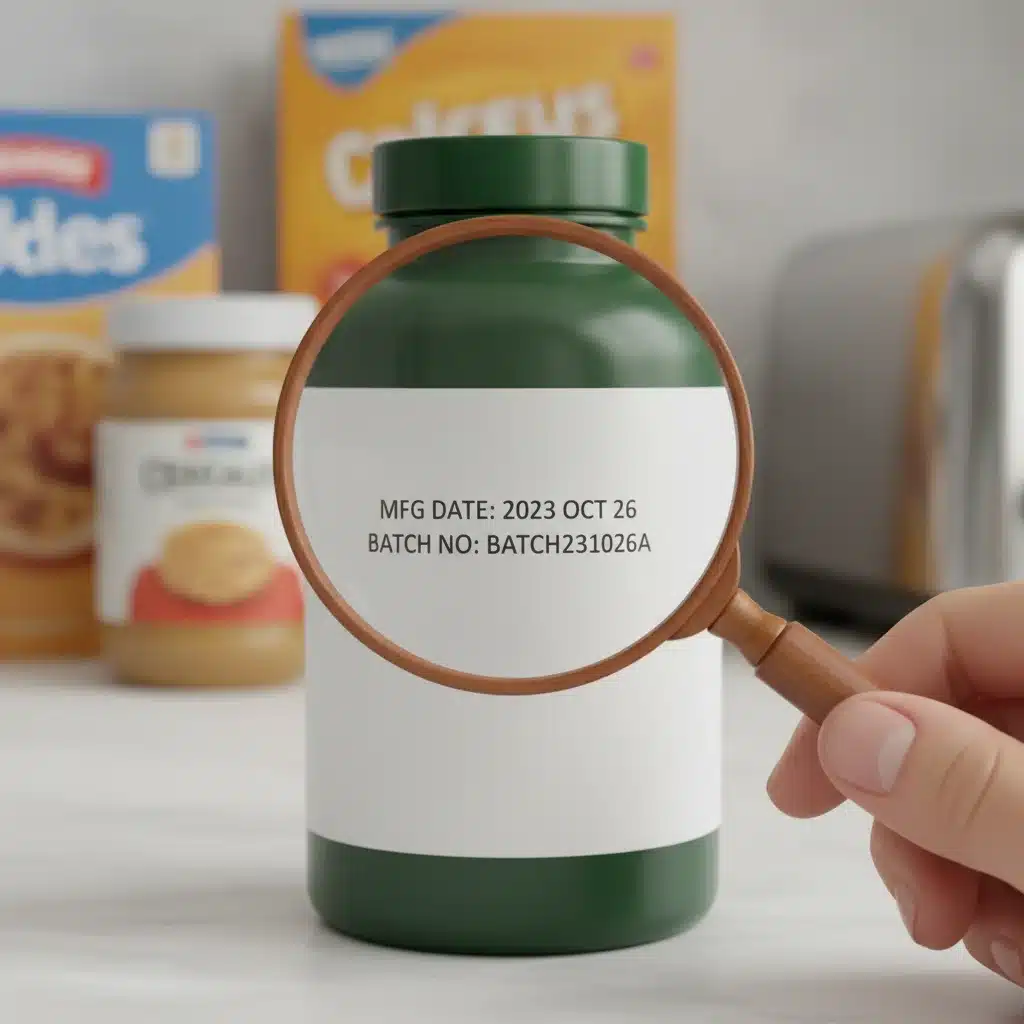
Key Identifiers:
- Model Numbers: Many recalls are specific to certain model numbers, not entire product lines.
- Serial Numbers: For electronics and larger appliances, serial numbers can precisely identify specific manufacturing batches.
- UPC/Barcode: The Universal Product Code (UPC) or barcode on packaging can sometimes be used to identify recalled items, especially for groceries.
- Manufacturing Dates or Codes: Food products, in particular, often have specific date codes or lot numbers that indicate whether they are part of a recalled batch.
- Brand and Product Name: Ensure the brand and product name precisely match the recall notice.
- Color or Design Variations: Sometimes, only specific colors or design variations of a product are affected.
Always compare the information on the recall notice with the information printed directly on your product or its packaging. Do not rely solely on visual appearance, as similar-looking products might not be affected. If you are unsure, it’s always best to err on the side of caution and contact the manufacturer or the relevant government agency for clarification.
Your Rights and Remedies When a Product is Recalled
When a product you own is recalled, you have certain rights as a consumer, and manufacturers are typically obligated to provide a remedy. The specific remedy can vary depending on the nature of the recall and the product involved, but common options include:
- Refund: You may be entitled to a full refund for the recalled product.
- Repair: The manufacturer might offer to repair the defective product free of charge.
- Replacement: A common remedy is to provide a new, safe replacement product.
- Voucher or Store Credit: In some cases, particularly for lower-value items, a voucher or store credit might be offered.
It’s important to understand that these remedies are usually offered at no cost to the consumer. You should not have to pay for shipping, repair services, or replacement parts for a recalled product. The recall notice will typically outline the specific remedy being offered and the steps you need to take to claim it.
What to Do If You Have a Recalled Product:
- Stop Using the Product Immediately: This is the most crucial step. Continuing to use a recalled product can put you or others at risk.
- Review the Recall Notice Carefully: Read all the details, paying close attention to the hazard description, affected product identifiers, and the specified remedy.
- Contact the Manufacturer: The recall notice will provide contact information for the manufacturer or distributor. Reach out to them to initiate the return, repair, or refund process.
- Follow Instructions: Adhere to the manufacturer’s specific instructions for returning the product or arranging for a repair. This might involve shipping the item back, bringing it to a retail location, or having a technician visit your home.
- Document Everything: Keep records of your communication with the manufacturer, shipping receipts, and any other relevant documentation. This can be helpful if there are any disputes or delays.
- Spread the Word: If you know friends or family who might own the recalled product, inform them about the recall.
Remember, your safety is the priority. Do not attempt to fix a recalled product yourself unless explicitly instructed by the manufacturer, as this could void your remedy or, more importantly, expose you to further danger.
The Importance of Reporting Product Hazards
Beyond simply reacting to recalls, consumers play a vital role in the product safety ecosystem by reporting potential hazards. Many recalls are initiated because consumers report incidents or injuries related to a product. Your vigilance can prevent others from being harmed.
How to Report a Product Hazard:
- CPSC.gov/SaferProducts: This is the primary portal for reporting unsafe consumer products to the CPSC. You can submit reports online, detailing the product, the incident, and any injuries sustained.
- FDA.gov/MedWatch: For concerns related to drugs, medical devices, or other FDA-regulated products, the MedWatch program allows you to report adverse events.
- NHTSA.gov/recalls: For vehicle-related safety issues, you can file a complaint with NHTSA.
When reporting, provide as much detail as possible, including product names, model numbers, dates of purchase, and a clear description of the incident or hazard. Photos or videos can also be incredibly helpful. Your report contributes to a larger database that agencies use to identify patterns and potential widespread issues, often leading to official investigations and subsequent recalls.
Common Pitfalls to Avoid During a Product Recall
While the recall process is designed to be straightforward, certain missteps can complicate matters or even jeopardize your safety. Be aware of these common pitfalls:
- Ignoring Recall Notices: The most significant pitfall is simply not paying attention to recall alerts. Many consumers are unaware of recalls, leaving potentially dangerous products in their homes.
- Delaying Action: Procrastinating on returning or addressing a recalled product can prolong your exposure to a hazard. Act promptly once you’ve identified a recalled item.
- Disposing of the Product Incorrectly: Do not just throw a recalled product in the trash unless specifically instructed to do so. Some products may contain hazardous materials that require special disposal, or the manufacturer may require the item (or parts of it) to be returned to process your remedy.
- Attempting DIY Repairs: Unless you are a trained professional and the manufacturer provides explicit, detailed instructions for a consumer-level repair, do not attempt to fix a recalled product yourself. You could exacerbate the problem or injure yourself.
- Falling for Scams: Be wary of unsolicited calls or emails about recalls that ask for personal financial information. Always verify recall information through official government websites or by directly contacting the manufacturer using official contact details.
- Not Documenting Your Actions: As mentioned, keeping records of your interactions and actions related to a recall can save you headaches down the line.
Looking Ahead: Product Safety in January 2026 and Beyond
As we navigate January 2026, the landscape of product safety continues to evolve. Advancements in technology, global supply chains, and consumer awareness all play a role in shaping how recalls are managed and communicated. Manufacturers are increasingly using more sophisticated tracking methods to identify affected batches, and government agencies are leveraging digital platforms to disseminate information more widely and quickly.
For consumers, this means an even greater emphasis on staying connected to official information sources and understanding how to act swiftly. The vigilance of informed consumers is a powerful force in maintaining high safety standards across industries. By actively participating in the recall process, whether by checking for recalls or reporting hazards, you contribute to a safer environment for everyone.
The Role of Technology in Recall Management:
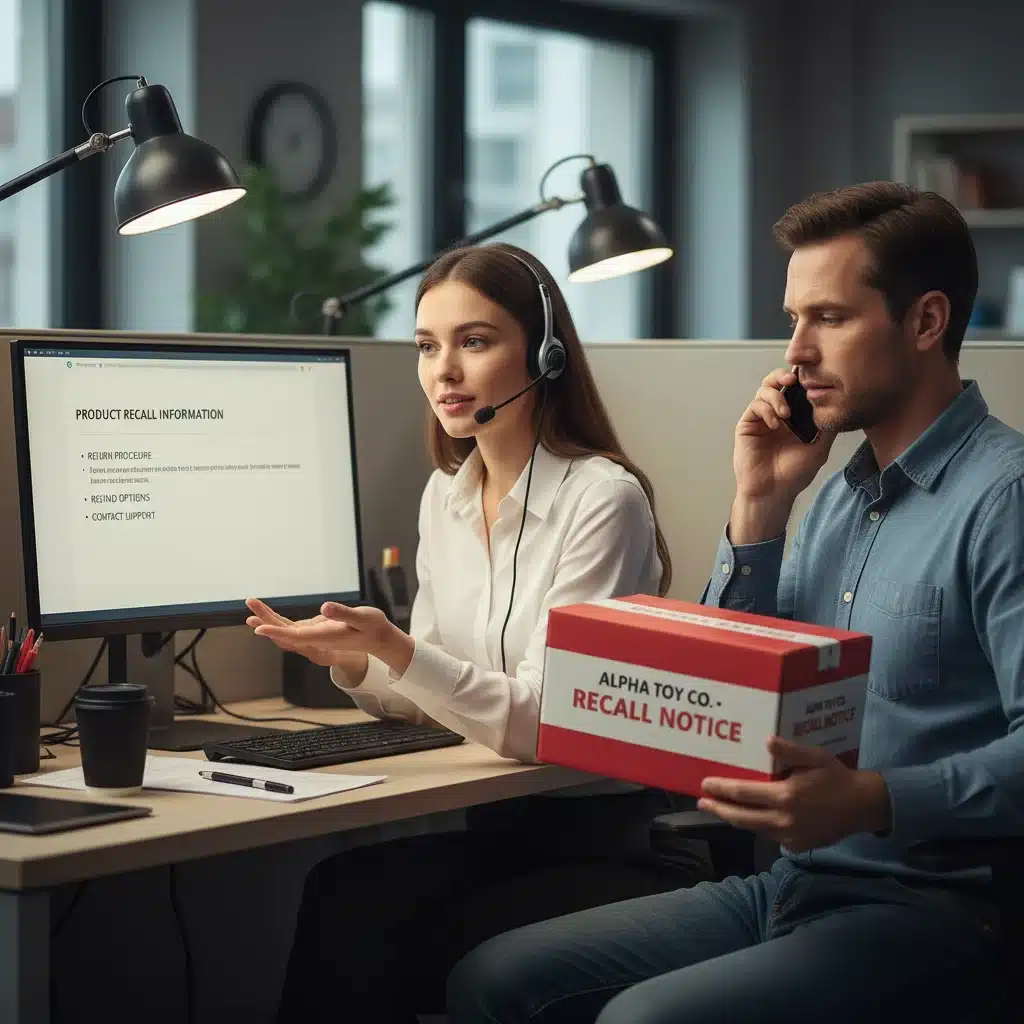
Technology continues to enhance the efficiency and reach of product recalls. QR codes on packaging, mobile apps for recall alerts, and advanced data analytics to identify potential issues early are becoming more prevalent. These tools empower consumers with instant access to information and streamline the process of initiating a recall claim. Manufacturers can also use these technologies to better track products throughout their lifecycle, making targeted recalls more feasible and less disruptive.
Global Perspective on Product Recalls:
Given the global nature of manufacturing and trade, it’s also worth noting that many products sold in the US are manufactured internationally. This adds another layer of complexity to recalls, requiring international cooperation among regulatory bodies. While this guide focuses on US Product Recalls and the agencies responsible within the United States, awareness of global supply chains can provide context for why certain issues arise and how they are addressed on a broader scale.
Conclusion: Empowering US Consumers Against Product Hazards
Product recalls are an unavoidable part of a modern economy, but they don’t have to be a source of fear or confusion. By understanding the system, knowing where to find information, and being prepared to act, US consumers can effectively navigate any recall situation. In January 2026, let’s commit to being informed, proactive, and responsible consumers, contributing to a safer marketplace for ourselves and our communities.
Regularly checking official recall websites, signing up for alerts, and knowing how to identify and respond to a recalled product are simple yet powerful actions. Your diligence not only protects you but also reinforces the importance of product safety standards, encouraging manufacturers to prioritize consumer well-being above all else. Stay safe, stay informed, and empower yourself with the knowledge to handle US Product Recalls effectively.