Upskilling for Green Economy: High-Growth Careers by 2026

The world is at a pivotal moment, facing unprecedented environmental challenges while simultaneously witnessing remarkable technological advancements. This confluence has given rise to the green economy, a sector experiencing exponential growth and reshaping the global job market. As we look towards 2026 and beyond, understanding the emerging high-growth careers within this sustainable paradigm is not just beneficial, but essential for individuals and organizations alike. This comprehensive guide will delve into the critical need for upskilling for green economy opportunities, spotlighting four key career paths poised for significant expansion, and outlining the skills necessary to thrive in these roles.
Upskilling for the Green Economy: 4 High-Growth Careers Emerging by 2026
The Rise of the Green Economy: A Global Transformation
The concept of the green economy is no longer a niche idea; it’s a driving force behind global economic development. It encompasses economic activity that results in improved human well-being and social equity, while significantly reducing environmental risks and ecological scarcities. This includes investments in renewable energy, sustainable agriculture, energy efficiency, waste management, and green infrastructure. Governments, corporations, and communities worldwide are committing to sustainable practices, spurred by climate change concerns, resource depletion, and a growing consumer demand for eco-friendly products and services.
This shift isn’t merely about protecting the environment; it’s about creating new industries, fostering innovation, and generating millions of jobs. The International Labour Organization (ILO) estimates that the transition to a green economy could create 24 million new jobs globally by 2030. This monumental transformation necessitates a workforce equipped with new skills and knowledge, making upskilling for green economy roles a strategic imperative for career longevity and success.
Why Upskilling for Green Economy is Crucial for Your Future
The rapid evolution of the green economy means that traditional skill sets may no longer be sufficient. New technologies, regulatory frameworks, and business models demand a workforce that is adaptable, innovative, and possesses specialized expertise in sustainability. Upskilling isn’t just about learning new technical skills; it also involves developing soft skills such as critical thinking, problem-solving, collaboration, and adaptability, all of which are highly valued in the dynamic green sector.
For individuals, upskilling opens doors to exciting, purpose-driven careers that offer both financial stability and the satisfaction of contributing to a more sustainable world. For businesses, investing in upskilling for green economy competencies ensures they remain competitive, meet sustainability targets, and attract top talent. The demand for green skills is already outpacing supply in many areas, creating a significant opportunity for those willing to invest in their professional development.
Key Drivers Fueling Green Job Growth
Several factors are accelerating the growth of green jobs:
- Climate Change Mitigation and Adaptation: The urgent need to reduce greenhouse gas emissions and adapt to the impacts of climate change is driving massive investments in renewable energy, energy efficiency, and resilient infrastructure.
- Policy and Regulation: Governments worldwide are implementing policies, incentives, and regulations to promote sustainability, such as carbon pricing, renewable energy mandates, and stricter environmental standards.
- Technological Innovation: Breakthroughs in areas like battery storage, smart grids, sustainable materials, and biotechnologies are creating entirely new industries and job categories.
- Consumer Demand: A growing awareness among consumers about environmental issues is leading to increased demand for sustainable products, services, and ethical business practices.
- Corporate Social Responsibility (CSR): Companies are increasingly integrating sustainability into their core business strategies, not just as a compliance measure, but as a source of competitive advantage and brand value.
These drivers collectively ensure that the green economy will continue its upward trajectory, making upskilling for green economy roles a wise investment for anyone looking to future-proof their career.
4 High-Growth Careers Emerging by 2026 in the Green Economy
1. Renewable Energy Systems Engineer/Technician
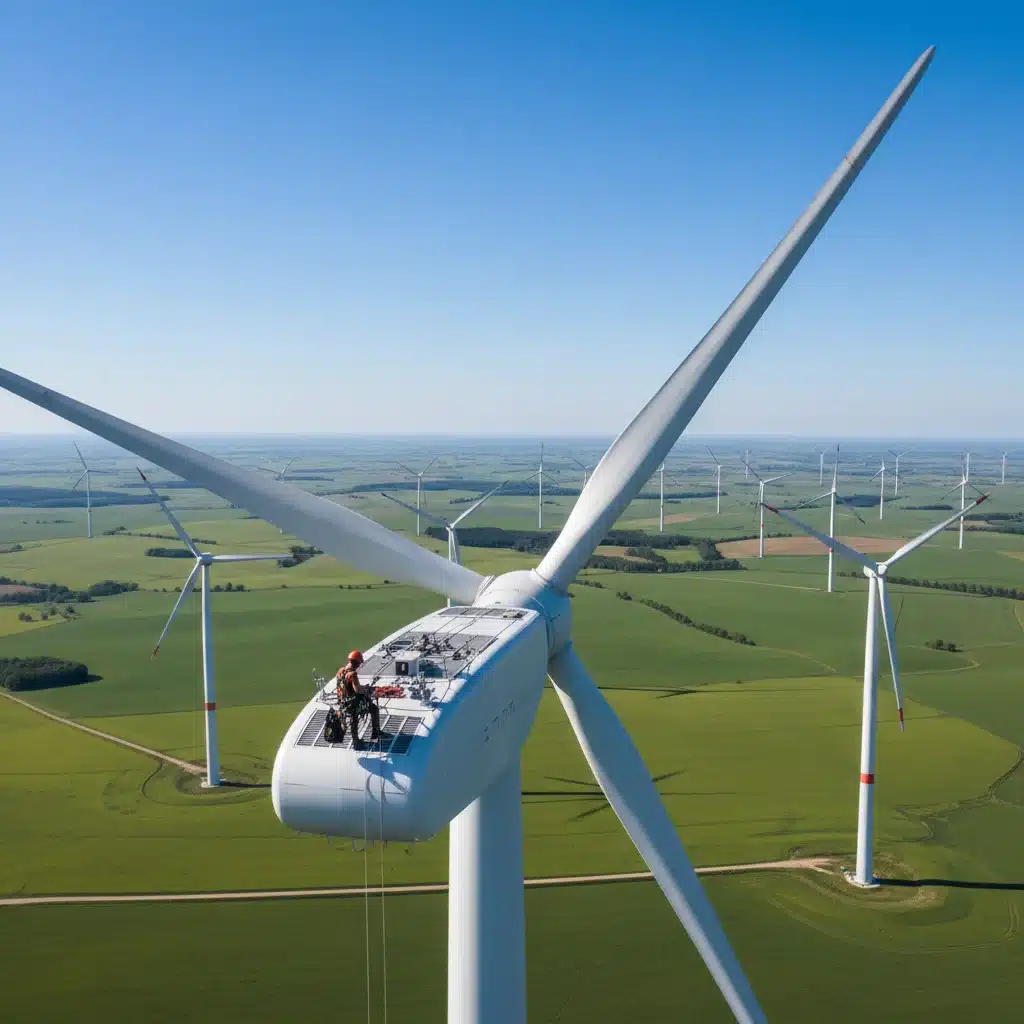
As the world rapidly transitions away from fossil fuels, the demand for professionals who can design, install, maintain, and optimize renewable energy systems is skyrocketing. This field is at the forefront of the green revolution, encompassing solar, wind, geothermal, and hydropower technologies.
What they do:
- Engineers: Design and develop renewable energy systems, conduct feasibility studies, manage projects, and ensure compliance with environmental regulations. They might specialize in areas like grid integration, energy storage solutions, or advanced materials for solar panels.
- Technicians: Install, troubleshoot, maintain, and repair renewable energy equipment, such as solar panels, wind turbines, and geothermal heat pumps. Their work is hands-on and critical for the operational efficiency and longevity of these systems.
Why this is a high-growth area:
Global investments in renewable energy are reaching unprecedented levels. Countries are setting ambitious targets for clean energy generation, leading to massive infrastructure projects. The International Renewable Energy Agency (IRENA) projects that renewable energy could employ over 40 million people by 2050. The need for skilled individuals to bring these projects to fruition and keep them running efficiently will only intensify, making upskilling for green economy roles in renewable energy a smart move.
Essential Skills for Upskilling:
- Technical Skills: Knowledge of electrical systems, mechanical engineering principles, solar PV design, wind turbine technology, energy storage systems, CAD software, and project management tools.
- Certifications: Specific certifications in solar installation (e.g., NABCEP), wind turbine maintenance, or electrical safety are highly valued.
- Problem-Solving: Ability to diagnose and resolve complex technical issues in the field.
- Safety Protocols: Strict adherence to safety standards and regulations.
- Continuous Learning: The technology in this sector evolves rapidly, requiring ongoing education and adaptation.
2. Circular Economy Specialist/Consultant
The traditional linear ‘take-make-dispose’ economic model is unsustainable. The circular economy offers a transformative alternative, focusing on designing out waste and pollution, keeping products and materials in use, and regenerating natural systems. Circular economy specialists are pivotal in helping businesses and organizations adopt these principles.
What they do:
- Specialists: Analyze existing business processes to identify waste streams and opportunities for resource efficiency, product redesign, and material reuse. They develop and implement strategies for product lifecycle management, reverse logistics, and industrial symbiosis.
- Consultants: Advise companies on transitioning to circular business models, conducting sustainability assessments, developing circular product designs, and helping them achieve certifications for sustainable practices. They often work across various industries, from manufacturing to retail.
Why this is a high-growth area:
Businesses are increasingly recognizing the economic and environmental benefits of circularity, including reduced costs, enhanced brand reputation, and compliance with emerging regulations. The transition to a circular economy is a complex undertaking that requires specialized knowledge, creating high demand for experts. Governments are also promoting circular economy initiatives as a path to sustainable development. This makes upskilling for green economy opportunities in this domain highly promising.
Essential Skills for Upskilling:
- Systems Thinking: Ability to understand interconnected processes and identify leverage points for change within complex systems.
- Life Cycle Assessment (LCA): Knowledge of how to evaluate the environmental impacts of products and services throughout their entire life cycle.
- Material Science: Understanding of sustainable materials, waste management techniques, and recycling processes.
- Business Acumen: Ability to identify economic opportunities within circular models and build compelling business cases for sustainability initiatives.
- Stakeholder Engagement: Skills in collaborating with diverse stakeholders, from suppliers to consumers, to implement circular strategies.
3. Environmental, Social, and Governance (ESG) Analyst
ESG factors have moved from the periphery to the center of investment decisions and corporate strategy. ESG analysts play a crucial role in evaluating a company’s performance on environmental stewardship, social responsibility, and corporate governance, providing critical insights for investors and internal stakeholders.
What they do:
- Gather and analyze data on a company’s ESG performance, including carbon emissions, water usage, labor practices, diversity, board independence, and ethical conduct.
- Assess ESG risks and opportunities, providing recommendations for improving sustainability performance and reporting.
- Communicate ESG insights to investors, management, and other stakeholders through reports, presentations, and sustainability disclosures.
- Stay updated on evolving ESG regulations, reporting standards (e.g., SASB, TCFD, GRI), and market trends.
Why this is a high-growth area:
The demand for sustainable investing is booming, with trillions of dollars now managed under ESG criteria. Regulators are increasingly mandating ESG disclosures, and consumers are holding companies to higher standards of corporate responsibility. This has created an urgent need for professionals who can accurately assess and report on ESG performance. The finance sector, in particular, is undergoing a profound transformation, making upskilling for green economy roles in ESG analysis highly sought after.
Essential Skills for Upskilling:
- Financial Acumen: Understanding of financial markets, investment principles, and corporate reporting.
- Data Analysis and Visualization: Proficiency in collecting, analyzing, and presenting complex data sets, often using tools like Excel, Python, or R.
- Sustainability Knowledge: Deep understanding of environmental issues (climate change, biodiversity, pollution), social issues (human rights, labor standards, community relations), and governance best practices.
- Regulatory Knowledge: Familiarity with global and regional ESG reporting frameworks and regulations.
- Communication Skills: Ability to clearly articulate complex ESG concepts to diverse audiences.

4. Sustainable Agriculture and Food Systems Specialist
Ensuring food security for a growing global population while minimizing environmental impact is one of humanity’s most pressing challenges. Sustainable agriculture and food systems specialists are at the forefront of this effort, working to create resilient, environmentally friendly, and equitable food production and distribution systems.
What they do:
- Develop and implement sustainable farming practices, such as organic farming, agroecology, permaculture, and precision agriculture.
- Work on supply chain optimization to reduce food waste, improve traceability, and promote ethical sourcing.
- Advise farmers, agribusinesses, and policymakers on sustainable land management, water conservation, soil health, and biodiversity protection.
- Research and develop innovative solutions for sustainable food production, including alternative proteins, vertical farming, and climate-resilient crops.
Why this is a high-growth area:
The imperative to feed a growing population sustainably, coupled with increasing consumer demand for organic, locally sourced, and ethically produced food, is driving significant innovation and investment in this sector. Concerns about climate change, water scarcity, and biodiversity loss are also pushing for a radical transformation of food systems. This creates a fertile ground for professionals with expertise in sustainable agriculture, making upskilling for green economy roles here particularly impactful.
Essential Skills for Upskilling:
- Agronomy/Horticulture: Knowledge of plant science, soil science, crop management, and pest control, with a focus on sustainable methods.
- Environmental Science: Understanding of ecological principles, water resource management, and biodiversity conservation.
- Supply Chain Management: Expertise in optimizing food supply chains for efficiency, sustainability, and waste reduction.
- Data Analytics: Ability to use data from sensors, drones, and other technologies for precision agriculture and resource management.
- Policy and Regulation: Familiarity with agricultural policies, food safety standards, and sustainable sourcing certifications.
Strategies for Effective Upskilling for Green Economy Roles
Embarking on a journey to upskill for green economy careers requires a strategic approach. Here are actionable steps you can take:
1. Identify Your Niche and Passion
While the green economy is vast, identifying a specific area that aligns with your existing skills, interests, and career aspirations will make your upskilling efforts more focused and effective. Do you have a background in engineering? Renewable energy might be a natural fit. Are you passionate about finance? ESG analysis could be your path. A clear focus will help you prioritize learning and networking opportunities.
2. Formal Education and Certifications
Consider pursuing degrees, diplomas, or certifications specifically designed for green economy roles. Many universities now offer master’s programs in sustainability, environmental management, renewable energy, or circular economy. Industry-recognized certifications (e.g., LEED Green Associate, NABCEP for solar professionals, specific ESG certifications) can significantly boost your credibility and employability.
3. Online Courses and MOOCs
Platforms like Coursera, edX, LinkedIn Learning, and Udemy offer a wealth of courses on various aspects of the green economy, from sustainable business strategies to renewable energy technologies and environmental data analysis. These can be a flexible and cost-effective way to acquire new knowledge and skills, making upskilling for green economy accessible to a wider audience.
4. Workshops, Webinars, and Conferences
Attending industry events is an excellent way to learn about the latest trends, network with professionals, and discover new tools and techniques. Many organizations host workshops and webinars focused on specific green skills or sectors.
5. Hands-on Experience and Internships
Practical experience is invaluable. Look for volunteer opportunities, internships, or entry-level positions in green companies or organizations. Even if it’s not your dream job, gaining hands-on experience will solidify your theoretical knowledge and provide tangible examples for your resume.
6. Networking and Mentorship
Connect with professionals already working in the green economy. Join professional associations (e.g., Green Business Network, American Council on Renewable Energy). A mentor can provide guidance, share insights, and even open doors to new opportunities in your upskilling for green economy journey.
7. Develop Soft Skills
Beyond technical expertise, cultivate critical soft skills. The ability to collaborate across disciplines, communicate complex ideas effectively, adapt to change, and think creatively to solve sustainability challenges is highly prized in the green sector. These skills are often transferable and enhance your overall professional profile.
Challenges and Opportunities in Green Economy Upskilling
While the opportunities are vast, there are also challenges to navigate in the realm of upskilling for green economy roles.
Challenges:
- Rapid Technological Change: The pace of innovation in green technologies means that skills can quickly become outdated, requiring continuous learning.
- Lack of Standardized Training: The green economy is still evolving, and standardized training programs are not always universally available or recognized across all sub-sectors.
- Cost of Education: Some formal education programs or certifications can be expensive, posing a barrier for some individuals.
- Bridging the Skills Gap: Matching the skills acquired through upskilling with the specific needs of employers can sometimes be a challenge, highlighting the importance of targeted learning.
Opportunities:
- Government Support: Many governments are investing in green job creation and offering subsidies or training programs to support upskilling for green economy initiatives.
- Employer Investment: Companies are increasingly willing to invest in training their existing workforce in green skills to meet sustainability goals and retain talent.
- Global Demand: Green skills are highly transferable across borders, opening up international career opportunities.
- Impactful Work: Careers in the green economy offer the unique opportunity to contribute directly to solving some of the world’s most pressing environmental and social challenges, providing a strong sense of purpose.
The Future is Green: Making Your Mark
The green economy is not just a trend; it’s the future of global economic development. The four high-growth careers highlighted here – Renewable Energy Systems Engineer/Technician, Circular Economy Specialist/Consultant, ESG Analyst, and Sustainable Agriculture and Food Systems Specialist – represent just a fraction of the diverse opportunities available. However, they underscore the critical importance of upskilling for green economy demands.
By proactively acquiring the necessary knowledge and skills, you position yourself at the forefront of this transformative shift. Whether you are a student planning your career, a professional looking to pivot, or an organization aiming to future-proof its workforce, investing in green skills is an investment in a sustainable and prosperous future. The time to act is now. Embrace the challenge, seize the opportunities, and become a vital part of building a greener, more resilient world.
Final Thoughts on Your Green Career Path
The journey of upskilling for green economy roles is ongoing. The landscape of sustainability is dynamic, with new innovations and challenges emerging constantly. Cultivating a mindset of continuous learning and adaptability will be your greatest asset. Engage with industry publications, participate in online forums, and stay curious about emerging technologies and best practices. Your commitment to lifelong learning will ensure you remain relevant and invaluable in this rapidly evolving sector.
Remember, every step you take towards acquiring green skills is a step towards a more sustainable planet and a more fulfilling career. The green economy needs your talent, your passion, and your dedication. By choosing to upskill for green economy, you are not just advancing your own career; you are contributing to a legacy of positive change for generations to come.
Are you ready to join the green revolution? Start your upskilling journey today!