Unclaimed Government Funds 2026: Recover Up to $1,500 Now
Millions of Americans are eligible for unclaimed government funds, potentially up to $1,500, from various sources like tax refunds, forgotten deposits, and matured bonds. This guide helps you navigate the recovery process in 2026.
Have you ever wondered if there’s money out there with your name on it, just waiting to be claimed? In 2026, many Americans might be surprised to learn about the vast sums of unclaimed government funds sitting dormant, often due to forgotten accounts, uncashed checks, or overlooked benefits. This guide will help you uncover and reclaim your share, potentially worth up to $1,500.
Understanding the Landscape of Unclaimed Government Funds in 2026
The concept of unclaimed government funds can seem abstract, but it’s a very real phenomenon affecting millions across the United States. These funds originate from various sources, ranging from state-held abandoned property to federal benefits that were never properly disbursed or claimed. Understanding where these funds come from is the first step toward successfully recovering them.
In 2026, the digital infrastructure for searching and claiming these assets has significantly improved, making the process more accessible than ever before. However, the sheer volume and diverse nature of these funds still present a challenge for many individuals. It’s crucial to approach this search systematically to ensure no stone is left unturned.
Common Sources of Unclaimed Funds
- Uncashed Payroll or Dividend Checks: Often forgotten, these can include old paychecks, utility deposits, or stock dividends.
- Abandoned Bank Accounts: Savings or checking accounts that have been inactive for an extended period, typically three to five years.
- Unclaimed Insurance Benefits: Life insurance policies where beneficiaries are unaware or unable to be located.
- Government Refunds: Overpayments on taxes, utility bills, or other government services.
The government acts as a custodian for these assets, holding them until the rightful owner or their heirs come forward. This custodial role means that the money is never truly lost; it’s simply waiting to be reunited with its owner. The challenge lies in knowing where to look and how to navigate the claims process, which can vary by state and federal agency.
Navigating the complex ecosystem of unclaimed property requires diligence and an understanding of the various state and federal databases. Each type of fund might have a different claiming procedure, emphasizing the need for accurate information and a methodical approach to your search.
The Federal Perspective: Where to Look for National Unclaimed Benefits
Beyond state-held property, the federal government also holds a significant amount of unclaimed money. These federal funds often stem from different programs and agencies, making a centralized search more challenging but not impossible. Knowing the primary federal sources is key to a comprehensive search.
Many individuals overlook federal sources, assuming all unclaimed money is held at the state level. However, federal agencies manage a range of benefits and refunds that can go unclaimed for various reasons, including changes of address, uncashed checks, or beneficiaries being unaware of their entitlements. It’s an important area to explore in your quest for unclaimed funds.
Key Federal Agencies and Their Unclaimed Assets
- IRS Unclaimed Tax Refunds: Millions of dollars in tax refunds go uncashed each year, often due to outdated addresses or forgotten filings.
- Department of Veterans Affairs: Unclaimed benefits for veterans and their families, including insurance proceeds or pension payments.
- Social Security Administration: Unclaimed benefits for deceased individuals or beneficiaries who haven’t come forward.
- TreasuryDirect (Savings Bonds): Matured savings bonds that have not been redeemed, often held electronically now.
Each federal agency has its own portal or process for individuals to inquire about and claim funds. While there isn’t a single federal database for all unclaimed money, several reputable government websites serve as starting points. These resources are designed to help you identify if any federal funds are owed to you or your family members. Keeping accurate records of past interactions with federal agencies can greatly assist this search.
It’s important to remember that these federal programs are designed to provide support and benefits, and the government wants to ensure these funds reach their rightful owners. Proactive searching on your part can unlock significant financial benefits that might have been overlooked for years.
State-Specific Strategies: Navigating Unclaimed Property Databases
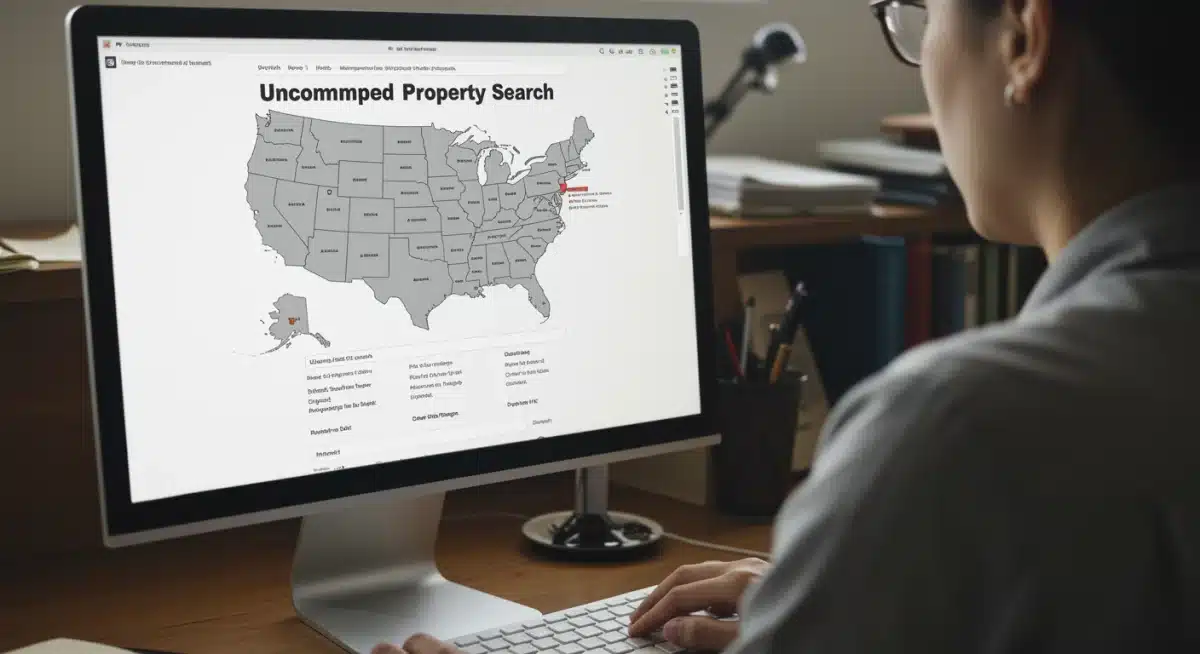
The vast majority of unclaimed property in the United States is held at the state level. Each state maintains its own database, typically managed by the state treasurer’s office or a similar department. This decentralization means that a thorough search requires checking each state where you or your family members have lived, worked, or conducted business.
While the process can seem daunting due to the state-by-state nature, online portals have streamlined the search significantly. Many states participate in national aggregators, making it easier to conduct broader searches. However, direct searches on individual state websites remain the most reliable method for accuracy and detail.
Essential State-Level Resources
- National Association of Unclaimed Property Administrators (NAUPA): Their website, MissingMoney.com, allows a multi-state search for many participating states.
- State Treasurer or Comptroller Websites: Direct access to each state’s official unclaimed property database for more specific searches.
- Department of Financial Services: Some states house unclaimed property searches within their financial services departments.
When searching state databases, it’s advisable to use variations of your name, including maiden names or previous surnames, and to search for relatives, especially deceased ones. Often, funds are held under older names or addresses. Providing as much detail as possible, such as previous addresses and social security numbers, can expedite the matching process.
The claiming process once a match is found typically involves submitting a claim form, providing proof of identity, and demonstrating your connection to the property. This might include birth certificates, death certificates, or previous utility bills. Persistence and meticulous record-keeping are your best allies in successfully recovering these state-held assets.
Maximizing Your Search: Tips and Best Practices for 2026
Finding unclaimed government funds in 2026 involves more than just a quick online search. It requires a strategic approach, utilizing various resources and understanding common pitfalls. Effective searching can significantly increase your chances of recovering money that rightfully belongs to you.
With the advancements in digital tools and data integration, the process has become more user-friendly, but a proactive mindset is still essential. Many individuals give up too soon or don’t know where to turn after an initial unproductive search. These best practices are designed to empower you with the knowledge needed for a successful recovery.
Advanced Search Techniques
- Search All Past Residences: Check every state where you, your parents, or your grandparents have lived.
- Include Maiden Names and Aliases: Funds can often be listed under older or alternative names.
- Search for Deceased Family Members: Estates often leave behind unclaimed assets that heirs can claim.
- Review Old Documents: Uncashed checks, expired insurance policies, or old bank statements can provide clues.
Beyond personal searches, consider checking for businesses you once owned or worked for, as businesses can also have unclaimed property. This might include forgotten vendor payments or unredeemed gift certificates. Due diligence in your search ensures that you cover all potential avenues where funds might be held.
Once a potential match is found, be prepared to submit detailed documentation. Government agencies require proof of identity and a clear connection to the unclaimed property to prevent fraudulent claims. Gathering necessary documents like birth certificates, marriage licenses, and previous addresses beforehand can significantly speed up the claims process.
The Claims Process: From Discovery to Recovery in 2026
Discovering unclaimed funds is an exciting first step, but the real work begins with the claims process. While the exact steps can vary between federal and state agencies, a general framework applies. Understanding this framework will help you navigate the necessary paperwork and verification procedures efficiently.
The process is designed to protect both the rightful owners and the integrity of the system, ensuring that funds are disbursed accurately. Patience and meticulous attention to detail are paramount during this phase. Rushing or submitting incomplete information can lead to delays or even denial of your claim.
Steps to Claim Your Funds
- Verify the Claim: Confirm the funds are indeed yours through detailed information provided by the agency.
- Gather Required Documentation: This typically includes proof of identity (driver’s license, passport), proof of address, and evidence linking you to the property (old bank statements, utility bills).
- Complete Claim Forms: Fill out all necessary forms accurately and completely.
- Submit Your Claim: Send all documentation as instructed, either online or via mail.
- Follow-Up: Periodically check the status of your claim.
For more complex claims, such as those involving deceased individuals or multiple heirs, additional legal documentation like a will, death certificate, or letters of administration might be required. It’s advisable to consult with an estate attorney if you encounter significant complexities, especially for amounts potentially exceeding $1,500.
Be wary of third-party services that promise to recover your funds for a fee, especially those that charge upfront. While legitimate services exist, many government agencies offer free assistance and direct access to claims forms. Always verify the legitimacy of any service before sharing personal information or making payments. Your diligence in this stage ensures a smooth and secure recovery.
Protecting Your Future: Preventing Unclaimed Funds from Accumulating
While recovering past unclaimed government funds is beneficial, preventing future accumulations is equally important. Proactive financial habits and diligent record-keeping can ensure your assets remain accessible and never fall into the unclaimed category. This forward-looking approach helps secure your financial well-being.
In 2026, with increasing reliance on digital transactions and online accounts, it’s easier than ever to lose track of smaller assets or dormant accounts. Establishing good financial hygiene now can save you the hassle of searching for forgotten funds later and ensure your beneficiaries are aware of your assets.
Strategies for Prevention
- Maintain Current Contact Information: Always update your address, phone number, and email with banks, employers, and government agencies.
- Regularly Review Financial Statements: Keep an eye on all your accounts, even inactive ones, to ensure they remain active or are properly closed.
- Keep a Centralized Record of Accounts: Maintain a secure, up-to-date list of all your financial accounts, insurance policies, and investments.
- Inform Beneficiaries: Ensure your loved ones know about your assets and where to find relevant documentation in case of your passing.
Consider consolidating smaller, inactive accounts into larger, active ones to reduce the number of accounts you need to monitor. For digital assets, such as cryptocurrency wallets or online investment platforms, ensure you have strong security measures and clear instructions for access for your beneficiaries.
Estate planning, even for modest assets, plays a crucial role in preventing funds from becoming unclaimed. A well-structured will and clear beneficiary designations can streamline the transfer of assets, ensuring they reach the intended recipients without delay. Taking these preventative steps now will safeguard your financial legacy and provide peace of mind for you and your family.
| Key Point | Brief Description |
|---|---|
| Search Federal Sources | Check IRS, VA, SSA, and TreasuryDirect for unclaimed refunds, benefits, and bonds. |
| State-Level Databases | Utilize NAUPA’s MissingMoney.com and individual state treasurer websites for property searches. |
| Claim Documentation | Prepare proof of identity and connection to funds for successful claim submission. |
| Prevent Future Funds | Keep contact info updated and maintain records to avoid future unclaimed assets. |
Frequently Asked Questions About Unclaimed Government Funds
Unclaimed government funds are financial assets held by state or federal agencies when the rightful owner cannot be located. These often arise from forgotten bank accounts, uncashed checks, tax refunds, or matured bonds, accumulating over time due to various reasons like address changes or lack of awareness.
For federal funds, check specific agency websites like the IRS for tax refunds, the Department of Veterans Affairs for benefits, the Social Security Administration, and TreasuryDirect for savings bonds. There isn’t one central federal database, so targeted searches are necessary.
The most effective way is to use MissingMoney.com for a multi-state search or visit individual state treasurer websites. Search using all past addresses, maiden names, and for deceased family members to cover all possibilities.
Typically, you’ll need proof of identity (e.g., driver’s license), proof of current address, and documentation linking you to the unclaimed property, such as old bank statements, utility bills, or official correspondence. Specific requirements vary by agency.
To prevent future unclaimed funds, consistently update your contact information with financial institutions and government agencies. Regularly review all financial statements, maintain a secure record of your accounts, and inform your beneficiaries about your assets and their locations.
Conclusion
The journey to recovering unclaimed government funds in 2026 is a testament to the power of informed action. With millions of dollars waiting to be reunited with their rightful owners, the potential to recover up to $1,500 or more is a real and tangible benefit for many Americans. By diligently exploring both federal and state databases, understanding the claims process, and adopting proactive financial habits, you can safeguard your assets and ensure your financial legacy is secure. Don’t let your hard-earned money remain forgotten; take the steps today to claim what is rightfully yours.