Subscription Trap Alert: Avoid Auto-Renewal Scams & Cancel Services

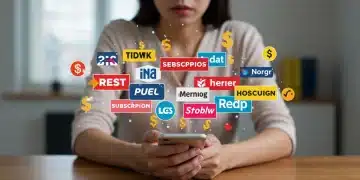
A subscription trap alert focuses on strategies to avoid auto-renewal scams and effectively cancel unwanted services, ensuring consumers maintain control over their finances and avoid unexpected charges.
Are you tired of unexpected charges from subscriptions you forgot about? The Subscription Trap Alert: How to Avoid Auto-Renewal Scams and Cancel Unwanted Services is a critical guide to help you take control of your finances and escape unwanted recurring payments. Let’s dive in and learn how to protect yourself.
Understanding Subscription Traps
Subscription traps are deceptive practices where companies make it difficult for consumers to cancel recurring subscriptions. These traps often involve automatic renewals that continue indefinitely, leading to unexpected charges and financial strain. Understanding how these traps work is the first step to avoiding them.
How Subscription Traps Work
Subscription traps typically start with attractive introductory offers, such as free trials or discounted rates. However, consumers often overlook the fine print, which outlines the terms of automatic renewal and cancellation policies.
- Free Trials Converting to Paid Subscriptions: Many services require credit card information for a free trial, automatically charging you when the trial ends.
- Difficult Cancellation Processes: Companies may make it intentionally difficult to cancel, requiring multiple steps or phone calls to customer service.
- Hidden Renewal Terms: Renewal terms are often buried in lengthy terms and conditions documents, making it easy to miss.
By understanding these tactics, consumers can be more vigilant and avoid falling victim to subscription traps. Always read the fine print and be aware of renewal terms before signing up for a subscription.

Identifying Common Auto-Renewal Scams
Auto-renewal scams are prevalent across various industries, from streaming services to online software. Spotting these scams early can save you from financial headaches. Being aware of the red flags is crucial for staying safe.
Red Flags to Watch Out For
Several red flags can indicate a potential auto-renewal scam. These include vague terms and conditions, lack of clear renewal notifications, and overly complicated cancellation processes.
- Vague or Hidden Terms and Conditions: If the terms of renewal are not clearly stated, it’s a sign to be cautious.
- No Renewal Notifications: Reputable companies send reminders before auto-renewing a subscription. Lack of such notifications is a red flag.
- Complicated Cancellation Procedures: If cancelling requires multiple steps, contacting customer service by phone, or sending a physical letter, it’s likely a scam.
Always be skeptical of offers that seem too good to be true and thoroughly research the company before providing your credit card information. Take screenshots of the subscription terms to prevent companies from changing the rules later on.
Strategies to Avoid Subscription Traps
Preventing subscription traps requires a proactive approach. There are several strategies you can employ to protect yourself from unwanted auto-renewals and hidden fees. Implementing these strategies will give you greater control over your subscriptions.
Read the Fine Print
Before signing up for any subscription, carefully read the terms and conditions. Pay close attention to the auto-renewal policy, cancellation procedures, and any potential fees. Understanding these terms upfront can save you from future surprises.
Use Calendar Reminders
Set calendar reminders for the end of free trials or promotional periods. This will give you ample time to decide whether you want to continue the subscription and take action to cancel if necessary. Make sure your reminders are clear and include instructions on how to cancel.
Review Your Bank Statements Regularly
Regularly reviewing your bank and credit card statements can help you identify unauthorized or unwanted subscription charges. If you spot anything suspicious, contact the company immediately to dispute the charge and cancel the subscription. Many banks also notify you of each transaction which can simplify this process.

How to Effectively Cancel Unwanted Services
Even with the best precautions, you might find yourself needing to cancel a subscription. Knowing how to effectively cancel unwanted services is essential. Follow these steps to ensure a smooth cancellation process.
Document Everything
Keep records of all communication with the company, including emails, chat logs, and phone call notes. Document the date and time of your cancellation request, the name of the representative you spoke with, and any confirmation numbers. This documentation can be invaluable if you need to dispute future charges.
Cancel Through Multiple Channels
If possible, cancel your subscription through multiple channels. For example, if you cancel online, follow up with a phone call or email to confirm the cancellation. This redundancy can help ensure that your request is processed correctly and avoid any misunderstandings.
Dispute Unauthorized Charges
If a company continues to charge you after you’ve cancelled your subscription, dispute the unauthorized charges with your bank or credit card company. Provide them with documentation of your cancellation request and any communication you’ve had with the company. Banks often have processes to handle these disputes and may be able to reverse the charges.
Legal Protections Against Subscription Traps
Consumers have certain legal protections against unfair subscription practices. Understanding these laws can empower you to fight back against subscription traps. Familiarize yourself with your rights to protect yourself.
The Restore Online Shoppers’ Confidence Act (ROSCA)
The Restore Online Shoppers’ Confidence Act (ROSCA) is a U.S. law that protects consumers from deceptive online marketing practices, including subscription traps. ROSCA requires companies to clearly disclose all material terms of a transaction before obtaining a consumer’s billing information.
State Laws
Many states also have their own laws to protect consumers from auto-renewal scams. These laws often require companies to provide clear and conspicuous notice of auto-renewal terms, as well as easy cancellation methods. Check your state’s consumer protection laws to understand your specific rights and protections.
Tools and Resources for Managing Subscriptions
Several tools and resources can help you manage your subscriptions and avoid auto-renewal scams. These tools can simplify the process of tracking subscriptions and staying on top of renewal dates. Utilizing these tools can greatly enhance your subscription management.
Subscription Management Apps
Subscription management apps like Truebill (now Rocket Money), Trim, and Bobby can automatically track your subscriptions and send you reminders before renewal dates. These apps can also help you identify and cancel unwanted subscriptions. Some apps even negotiate on your behalf to lower your bills.
Credit Card Alerts
Set up transaction alerts on your credit cards to receive notifications whenever a subscription charge appears. This can help you quickly identify and dispute unauthorized or unwanted charges. Most banks offer this service through their mobile apps or websites.
By using these strategies and tools, you can effectively manage your subscriptions, avoid auto-renewal scams, and protect your financial well-being.
| Key Point | Brief Description |
|---|---|
| 🧐 Read Fine Print | Understand auto-renewal terms before subscribing. |
| 🗓️ Set Reminders | Use calendar alerts for trial end dates. |
| 💳 Check Statements | Regularly review bank statements for unwanted charges. |
| 📞 Document Cancellation | Keep records of cancellation requests, including dates and confirmations. |
Frequently Asked Questions (FAQ)
▼
A subscription trap is a deceptive practice where companies make it difficult to cancel a recurring subscription, often leading to unexpected charges due to automatic renewals. These traps usually involve hidden terms and complicated cancellation processes.
▼
Look for red flags such as vague terms and conditions, lack of renewal notifications, and overly complicated cancellation procedures. Be cautious of offers that seem too good to be true and always research the company before providing your payment information.
▼
ROSCA is a U.S. law that protects consumers from deceptive online marketing practices, including subscription traps. It requires companies to clearly disclose all material terms of a transaction before obtaining a consumer’s billing information.
▼
Dispute the unauthorized charges with your bank or credit card company, providing them with documentation of your cancellation request and any communication you’ve had with the company. Banks often have processes to handle these disputes.
▼
Yes, subscription management apps like Truebill (now Rocket Money), Trim, and Bobby can automatically track your subscriptions and send you reminders before renewal dates. These apps can also help you identify and cancel unwanted subscriptions.
Conclusion
Avoiding subscription traps requires vigilance and proactive management. By understanding how these scams work, employing strategies to prevent them, and utilizing available tools, you can protect yourself from unexpected charges and maintain control over your finances. Stay informed, stay cautious, and safeguard your financial well-being.