New SNAP Guidelines 2026: Boost Your Food Assistance by $50 Monthly

New SNAP Guidelines 2026: How Recent Updates Could Increase Your Monthly Food Assistance by $50
Are you currently receiving food assistance through the Supplemental Nutrition Assistance Program (SNAP), or are you considering applying? If so, you’re in for some potentially significant news. The year 2026 is poised to bring crucial updates to the SNAP Guidelines 2026 that could lead to a noticeable increase in your monthly benefits, potentially by as much as $50. These changes are designed to better support low-income individuals and families in accessing nutritious food, reflecting evolving economic conditions and the ongoing commitment to combating food insecurity across the nation.
Understanding these new guidelines is vital for current beneficiaries and prospective applicants alike. The landscape of food assistance is constantly shifting, and staying informed is your best strategy for maximizing the support available to you. This comprehensive guide will delve into the specifics of the SNAP Guidelines 2026, explaining what these updates entail, who stands to benefit most, and how you can prepare to ensure you receive the maximum possible assistance. We’ll cover everything from eligibility criteria and benefit calculation methodologies to the practical steps you need to take to navigate these changes effectively.
The prospect of an additional $50 per month in food assistance can make a substantial difference for many households, alleviating financial strain and improving access to healthier food options. This isn’t just about a monetary increase; it’s about enhancing food security and promoting well-being for vulnerable populations. Let’s explore the details of these exciting new developments.
Understanding SNAP: The Basics Before the SNAP Guidelines 2026
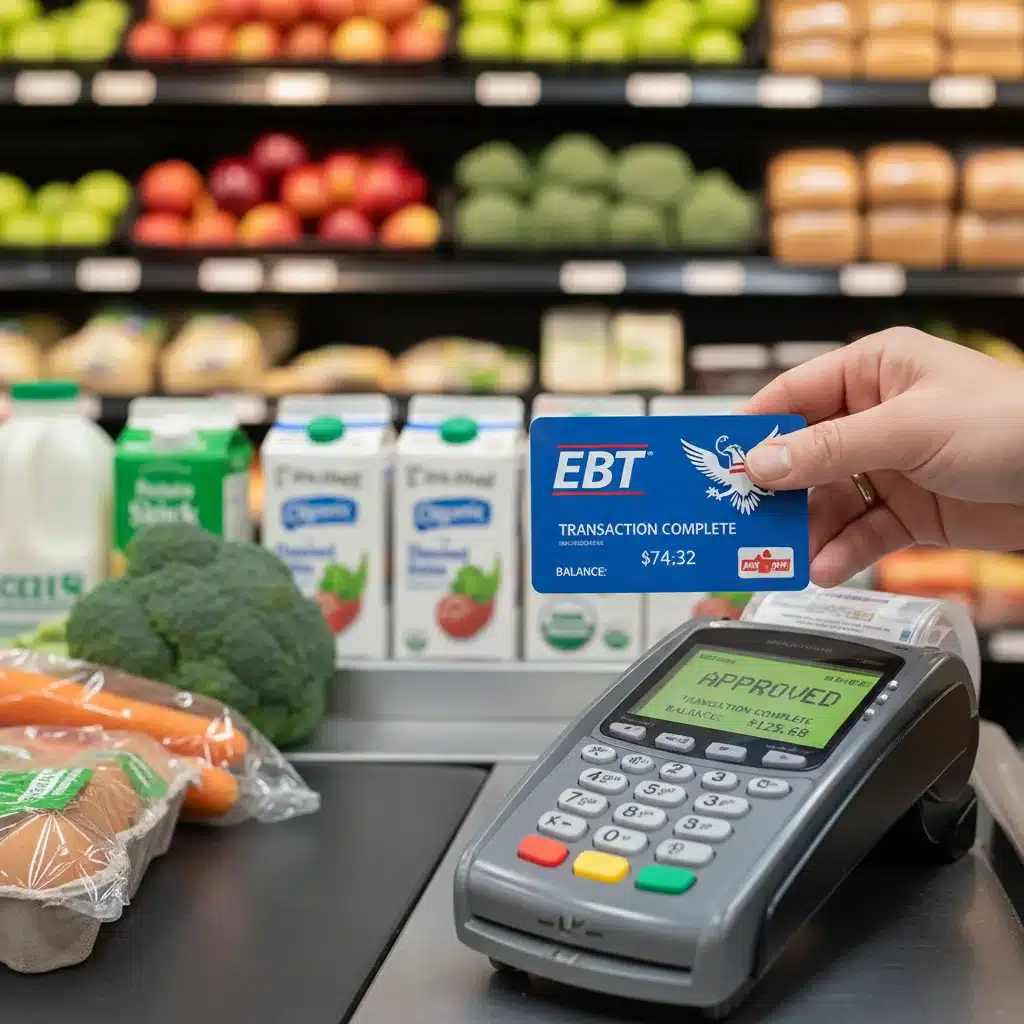
Before we dive into the specifics of the SNAP Guidelines 2026, it’s essential to have a solid understanding of what SNAP is and how it currently operates. The Supplemental Nutrition Assistance Program, formerly known as food stamps, is a federal program that provides food benefits to low-income families and individuals. These benefits are issued monthly on an Electronic Benefit Transfer (EBT) card, which functions much like a debit card and can be used to purchase eligible food items at authorized grocery stores and farmers’ markets.
The Purpose of SNAP
The primary goal of SNAP is to alleviate hunger and malnutrition by supplementing the food budgets of needy families. By providing financial assistance specifically for food, SNAP helps ensure that everyone, regardless of their economic situation, has access to a healthy and balanced diet. This, in turn, can lead to improved health outcomes, better educational attainment for children, and increased economic stability for families.
Current Eligibility Overview
Eligibility for SNAP is determined by a combination of factors, including household income, assets, and specific household circumstances. While the exact criteria can vary slightly by state, federal guidelines set the general framework. Typically, a household’s gross monthly income must be at or below 130% of the federal poverty level, and net monthly income must be at or below 100% of the federal poverty level. There are also asset limits, though some assets like a home and most retirement savings are usually excluded. Certain individuals, such as college students or able-bodied adults without dependents (ABAWDs), may have additional requirements or restrictions.
How Benefits Are Calculated
SNAP benefits are calculated based on a complex formula that considers a household’s size, income, and certain deductions. These deductions can include housing costs, utility expenses, medical expenses for elderly or disabled members, and child care costs. The aim is to determine a household’s net income, which is then used to calculate the benefit amount. The maximum benefit amount is updated annually to reflect changes in the cost of food, known as the Thrifty Food Plan (TFP).
Understanding these foundational aspects of SNAP is crucial for appreciating the impact of the upcoming SNAP Guidelines 2026. The changes we’re about to discuss build upon this existing structure, aiming to enhance the program’s effectiveness and reach.
Key Updates in the SNAP Guidelines 2026: What to Expect
The SNAP Guidelines 2026 are anticipated to introduce several significant changes, with the potential for a $50 increase in monthly food assistance being one of the most talked-about. These updates are usually the result of ongoing evaluations of the program’s effectiveness, economic adjustments, and legislative efforts to better support food-insecure populations. While specific details are subject to final legislative approval and USDA implementation, we can highlight the most likely areas of change.
Increased Benefit Amounts: The $50 Boost
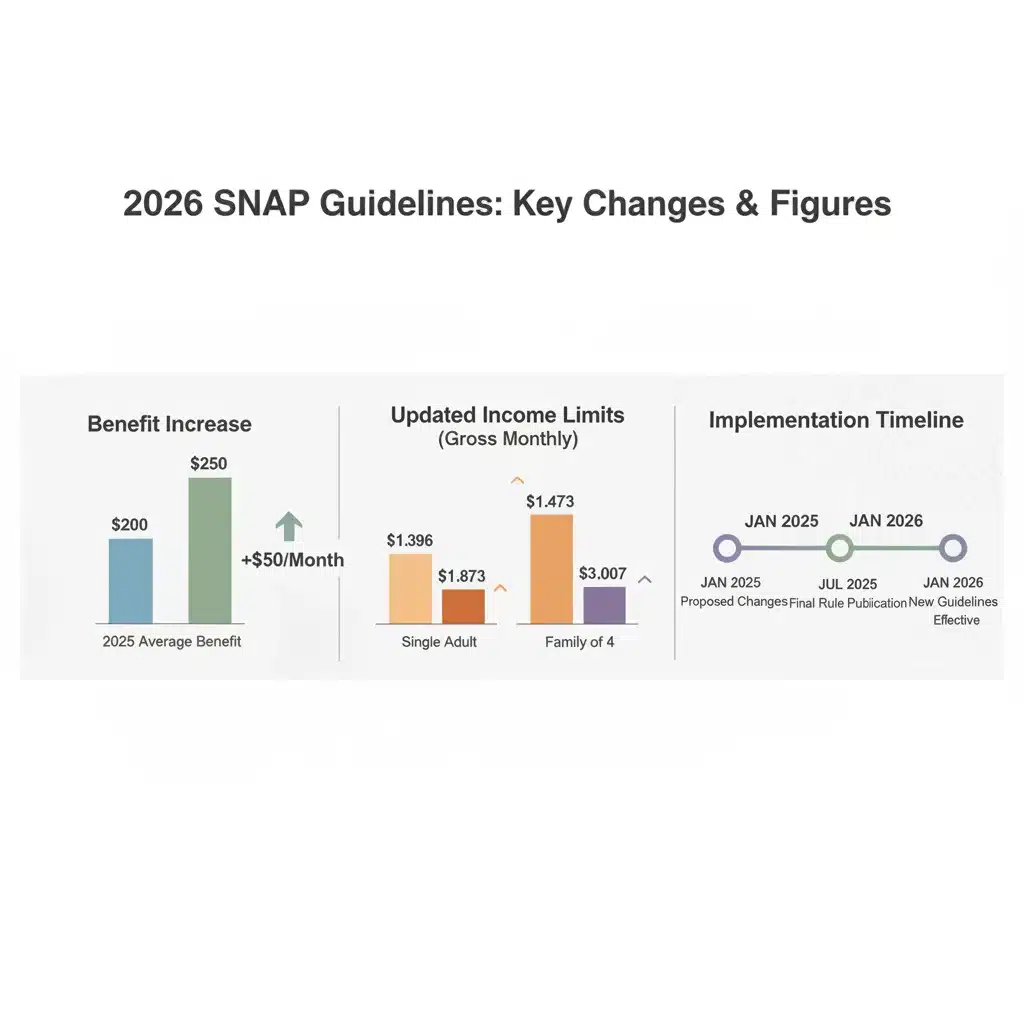
The most impactful update for many will be the potential increase in maximum benefit allotments. The projected $50 increase is not a universal raise for all beneficiaries but rather an adjustment to the maximum possible benefit, which in turn can lead to higher individual benefits for many eligible households. This increase is typically influenced by the re-evaluation of the Thrifty Food Plan (TFP), which serves as the basis for calculating SNAP benefits. A revised TFP reflects current food costs and dietary guidelines, aiming to provide a more realistic and adequate budget for healthy eating.
For example, if the TFP is updated to reflect a higher cost of groceries, the maximum benefit a household can receive will also increase. Households that are already receiving close to the maximum benefit or those whose circumstances allow for a higher calculation based on the new TFP will be the most likely to see this $50 (or similar) increase. It’s important to remember that individual benefit amounts are always tailored to a household’s specific income and deductions, so not every household will see an exact $50 increase, but the potential for a significant boost will be there.
Adjustments to Income and Asset Limits
Another crucial area of change in the SNAP Guidelines 2026 often involves adjustments to income and asset limits. These limits are periodically updated to account for inflation and changes in the federal poverty level. Raising these thresholds can make SNAP accessible to more individuals and families who were previously just above the eligibility cut-off, ensuring that the program continues to serve those most in need. For instance, if the gross monthly income limit increases from 130% to 135% of the federal poverty level, more working-poor households could qualify.
Similarly, asset limits might be revised. While a primary residence and certain retirement accounts are usually exempt, other assets like savings accounts or vehicles can affect eligibility. Updated asset limits could provide more flexibility for households with some savings, preventing them from being disqualified while still facing food insecurity.
Expanded Eligibility for Specific Groups
The SNAP Guidelines 2026 may also include provisions to expand eligibility for specific vulnerable groups. This could include:
- College Students: Revisions to current restrictions that make it difficult for many college students to qualify for SNAP, even if they are low-income.
- Seniors and Individuals with Disabilities: Potential adjustments to deductions for medical expenses or specific income disregards to better support these groups.
- Homeless Individuals: Streamlined application processes or specific outreach efforts to ensure this population can access benefits more easily.
These targeted expansions reflect a growing understanding of the diverse needs within the food-insecure population and an effort to make SNAP more inclusive and effective.
Simplified Application and Reporting Processes
Administrative burden can be a significant barrier to accessing SNAP benefits. The SNAP Guidelines 2026 might also focus on simplifying the application and reporting processes. This could involve:
- Online Application Enhancements: Improving digital platforms to make applying and managing benefits more user-friendly.
- Reduced Reporting Requirements: For stable households, less frequent reporting of income or household changes.
- Interagency Data Sharing: Better integration with other benefit programs to reduce redundant paperwork.
Simplifying these processes can significantly reduce stress for applicants and beneficiaries, ensuring that more eligible individuals can successfully enroll and retain their benefits.
These anticipated changes represent a concerted effort to strengthen SNAP and enhance its capacity to address food insecurity. Staying informed about these updates will be crucial for maximizing your benefits in 2026 and beyond.
Who Will Benefit Most from the SNAP Guidelines 2026?
While the goal of the SNAP Guidelines 2026 is to improve food security for all eligible low-income individuals and families, certain groups are likely to experience the most significant positive impact from these updates. Understanding these demographics can help you determine if you or someone you know might see a substantial increase in benefits.
Families with Children
Households with children often face higher food costs and greater financial strain. Any increase in the maximum benefit allotment, especially one driven by an updated Thrifty Food Plan, directly translates to more resources for feeding growing families. The potential $50 increase can significantly help these families purchase more nutritious foods, supporting the health and development of their children. Furthermore, if any specific provisions are added to account for child-related expenses or to expand eligibility for school-aged children, these families will see even greater advantages.
Seniors and Individuals with Disabilities
Elderly individuals and those with disabilities often live on fixed incomes and incur higher medical expenses, which can severely limit their food budgets. The SNAP Guidelines 2026 may provide particular relief for these groups. If medical expense deductions are increased or if income disregards for certain disability benefits are adjusted, it could lead to a higher net income for benefit calculation purposes, resulting in increased SNAP assistance. The potential $50 boost would be especially meaningful for those struggling to balance food costs with other essential needs.
Working-Poor Households
Many individuals and families work full-time but still earn wages that place them below or just above the poverty line. These are often referred to as ‘working-poor’ households. If the SNAP Guidelines 2026 include an increase in income eligibility thresholds, more of these households will qualify for benefits, or those already receiving benefits will see an increase due to a more favorable calculation. The $50 increase would provide crucial support, helping to bridge the gap between their earnings and the actual cost of living, particularly for food.
Households in High Cost-of-Living Areas
The cost of living, especially food prices, varies significantly across different regions of the United States. While SNAP benefits are federal, some states have mechanisms to adjust benefits or eligibility to account for local economic conditions. If the SNAP Guidelines 2026 incorporate more nuanced geographical adjustments or if the Thrifty Food Plan update more accurately reflects urban vs. rural food costs, households in high cost-of-living areas could see a more substantial increase in their benefits, helping them keep pace with local market prices.
New Applicants Who Previously Missed Eligibility
With potential adjustments to income and asset limits, there will likely be a new cohort of individuals and families who become eligible for SNAP for the first time. Those who were previously just above the income threshold or had assets that disqualified them may now find themselves able to receive assistance. This expansion of eligibility is a critical component of the SNAP Guidelines 2026, aiming to broaden the program’s safety net.
In essence, the SNAP Guidelines 2026 are designed to cast a wider net and provide more robust support to those most vulnerable to food insecurity. If you fall into any of these categories, it’s highly recommended to pay close attention to the official announcements and prepare to reassess your eligibility.
Maximizing Your Benefits Under the New SNAP Guidelines 2026
Once the SNAP Guidelines 2026 are fully implemented, taking proactive steps can help you maximize your potential benefits, including the anticipated $50 increase. It’s not enough to simply be eligible; understanding how to properly report your information and utilize available deductions can significantly impact your monthly allotment.
Review and Update Your Household Information
The first and most critical step is to ensure that your household information with your state SNAP agency is accurate and up-to-date. This includes:
- Household Size: Any changes in the number of people living in your home.
- Income: All sources of income, including wages, child support, social security, and any other benefits.
- Expenses: Crucially, report all eligible deductions. These typically include housing costs (rent/mortgage, property taxes, homeowner’s insurance), utility costs (electricity, gas, water, trash, phone), medical expenses for elderly or disabled household members, and child care costs. Many beneficiaries do not report all eligible expenses, missing out on higher benefits.
Even small changes in your income or expenses can affect your benefit calculation. With the new SNAP Guidelines 2026, the calculation methods for these factors might be adjusted, making accurate reporting even more vital.
Understand New Income and Asset Thresholds
As mentioned, the SNAP Guidelines 2026 are likely to adjust income and asset limits. If you were previously deemed ineligible due to being slightly over the limits, or if your benefits were lower than you expected, these new thresholds might work in your favor. Re-evaluate your financial situation against the new criteria once they are officially released. Even if you’re a current beneficiary, understanding the new thresholds can help you plan and manage your finances more effectively.
Leverage All Applicable Deductions
Deductions are key to increasing your SNAP benefits. The more eligible deductions you report, the lower your net income appears, which generally leads to a higher benefit amount. Pay close attention to:
- Standard Deduction: This is a fixed amount based on household size.
- Earned Income Deduction: A percentage of your earned income is disregarded.
- Dependent Care Deduction: Costs for child care or care for an incapacitated adult.
- Medical Expense Deduction: For elderly or disabled members, out-of-pocket medical expenses over a certain amount.
- Shelter Deduction: Housing and utility costs that exceed a certain percentage of your income.
With the SNAP Guidelines 2026, there’s a possibility that the amounts or rules for these deductions could be updated, potentially allowing for greater deductions. Keep detailed records of all your expenses to ensure you can claim everything you’re entitled to.
Stay Informed About State-Specific Changes
While SNAP is a federal program, states administer it and can have specific rules and waivers. Always check with your state’s SNAP agency or their official website for announcements regarding the implementation of the SNAP Guidelines 2026. They will provide the most accurate and localized information on how the changes will affect you.
Seek Assistance if Needed
Navigating benefit programs can be complex. If you have questions about the SNAP Guidelines 2026 or need help with your application or reporting, don’t hesitate to seek assistance. Local social service agencies, food banks, and community organizations often provide free support and guidance for SNAP beneficiaries.
By actively managing your SNAP account and staying informed, you can ensure that you fully benefit from the upcoming SNAP Guidelines 2026 and receive the maximum possible food assistance to support your household.
The Broader Impact of the SNAP Guidelines 2026
The adjustments brought forth by the SNAP Guidelines 2026 extend beyond individual household budgets; they have a ripple effect on local economies, public health, and the overall fight against food insecurity. Understanding this broader impact highlights the significance of these policy changes.
Economic Stimulus for Local Communities
Every additional dollar in SNAP benefits spent translates directly into economic activity within local communities. When beneficiaries use their EBT cards at grocery stores, farmers’ markets, and other authorized retailers, it stimulates sales, supports local businesses, and can even help create and sustain jobs in the food retail sector. The projected $50 increase per month, when multiplied across millions of households, represents a substantial injection of funds into local economies, providing a much-needed boost, especially in underserved areas.
Improved Public Health Outcomes
Access to nutritious food is a cornerstone of good health. By increasing food assistance through the SNAP Guidelines 2026, the program helps families purchase more fresh produce, lean proteins, and whole grains. This can lead to improved dietary quality, reduced rates of diet-related illnesses (such as obesity, diabetes, and heart disease), and better overall physical and mental well-being. Children who receive adequate nutrition are more likely to perform better in school, and adults are more likely to maintain employment, contributing to a healthier and more productive society.
Reduced Food Insecurity and Poverty
At its core, SNAP is designed to combat food insecurity. The SNAP Guidelines 2026, with their potential for increased benefits and expanded eligibility, are expected to further reduce the number of households experiencing hunger. By providing a stable source of food assistance, SNAP acts as a critical safety net, preventing families from falling deeper into poverty and offering a pathway toward greater financial stability. It allows households to reallocate other limited funds to pressing needs like housing, utilities, or transportation, thereby easing overall financial burden.
Support for Agricultural Sector
The increased purchasing power of SNAP beneficiaries also benefits the agricultural sector. As demand for eligible food items rises, it directly supports farmers, food producers, and distributors. This creates a more stable market for agricultural products and strengthens the entire food supply chain, from farm to table. The SNAP Guidelines 2026 reinforce this symbiotic relationship, ensuring that federal assistance not only helps consumers but also bolsters a vital industry.
Enhanced Program Efficiency and Accessibility
Beyond the direct financial benefits, any efforts within the SNAP Guidelines 2026 to simplify application processes and reduce administrative hurdles will lead to greater program efficiency and accessibility. When it’s easier for eligible individuals to apply and receive benefits, the program can reach more people in need, reducing the stigma often associated with public assistance and ensuring that the safety net functions as intended. This administrative streamlining is a crucial, though sometimes overlooked, aspect of effective policy implementation.
In summary, the SNAP Guidelines 2026 are not merely about a $50 increase; they represent a multifaceted approach to strengthening food security, boosting local economies, and improving the health and well-being of millions of Americans. These updates underscore the ongoing commitment to ensuring that every individual has access to the fundamental right of nutritious food.
Preparing for the SNAP Guidelines 2026: Your Next Steps
As we approach 2026, taking proactive steps is crucial to ensure you are ready for the updated SNAP Guidelines 2026 and can maximize any potential increase in your food assistance. Here’s a checklist of actions you should consider:
1. Stay Informed Through Official Channels
Bookmark and regularly check the official websites of the USDA Food and Nutrition Service (FNS) and your state’s SNAP agency. These are the most reliable sources for accurate information regarding the finalization and implementation of the SNAP Guidelines 2026. Avoid misinformation by relying on official government announcements.
2. Gather and Organize Your Documentation
Start compiling all necessary documents that may be required for your SNAP application or recertification. This includes proof of income (pay stubs, benefit letters), identification, residency, household composition, and detailed records of all deductible expenses (rent/mortgage statements, utility bills, medical receipts, child care invoices). Having these ready will streamline any application or update process under the new SNAP Guidelines 2026.
3. Review Your Current Eligibility
Even if you are a current SNAP recipient, it’s a good idea to re-familiarize yourself with the general eligibility criteria. Once the new SNAP Guidelines 2026 are announced, compare your household’s situation against the updated income and asset limits. This will help you anticipate whether you might qualify for a higher benefit amount or if you need to report any changes.
4. Understand Your State’s Specific Rules
Remember that while federal guidelines set the framework, states administer SNAP and can have specific rules or options. For example, some states have different reporting requirements or offer specific programs alongside federal SNAP. Check your state’s Department of Social Services or Human Services website for localized information about the SNAP Guidelines 2026.
5. Plan for Recertification
SNAP benefits are not indefinite; you must recertify periodically (usually every 6-12 months). Be aware of your recertification deadline. When it approaches, be extra diligent in reporting all income and expenses, taking into account the new SNAP Guidelines 2026, to ensure your benefits are accurately calculated for the next period.
6. Utilize Available Resources and Support
If you find the process confusing or need assistance, there are numerous resources available. Local food banks often have staff who can help with SNAP applications. Community action agencies, non-profit organizations, and social service offices can also provide guidance and support. Don’t hesitate to reach out for help to ensure you fully benefit from the SNAP Guidelines 2026.
7. Advocate for Continued Support
If you believe in the importance of SNAP and the positive impact of these guidelines, consider engaging with your elected officials. Sharing your experiences and advocating for robust food assistance programs can help ensure that support for initiatives like the SNAP Guidelines 2026 continues in the future.
By taking these proactive steps, you can confidently navigate the upcoming changes and ensure that you and your family receive the maximum possible food assistance, contributing to greater food security and well-being in 2026 and beyond.
Conclusion
The anticipated updates to the SNAP Guidelines 2026 represent a significant and welcome development for millions of low-income Americans. The potential for a $50 increase in monthly food assistance, alongside other crucial adjustments to eligibility and benefit calculations, underscores a renewed commitment to combating food insecurity and supporting the nutritional needs of vulnerable populations. These changes are not just about numbers on an EBT card; they are about enhancing the quality of life, improving public health, and fostering economic stability within communities nationwide.
As we’ve explored, the impact of these guidelines will be far-reaching, benefiting families with children, seniors, individuals with disabilities, and working-poor households. The economic stimulus provided by increased SNAP spending will reverberate through local economies, while improved access to nutritious food will lead to better health outcomes and a more productive citizenry.
To fully leverage the opportunities presented by the SNAP Guidelines 2026, it is imperative for current beneficiaries and prospective applicants to stay informed, meticulously update their household information, and understand all applicable deductions. Proactive engagement with official sources and seeking assistance when needed will be key to maximizing your benefits and ensuring you receive the support you are entitled to.
The year 2026 holds the promise of a stronger, more responsive SNAP program. By understanding and preparing for these vital changes, you can ensure that you and your family are well-positioned to benefit from increased food assistance, contributing to a future with greater food security for all.