Mastering Remote Work: Essential Skills for 2026 Success
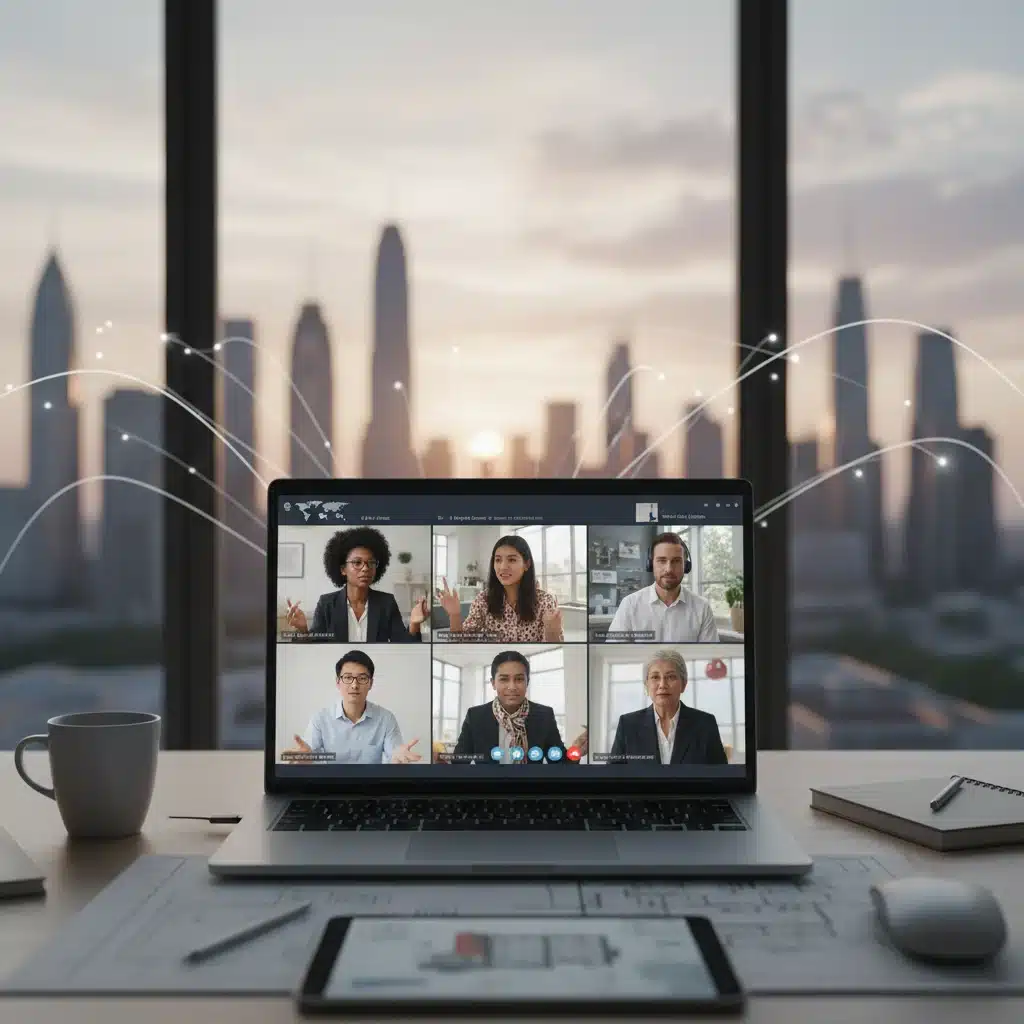
Mastering Remote Work: Essential Skills for 2026 Success
The global workforce has undergone a seismic shift, with remote work transitioning from a temporary necessity to a fundamental component of modern employment. As we look towards 2026, the demand for specific remote work skills is intensifying, shaping how organizations operate and how individuals build successful careers. This comprehensive guide delves into the seven essential competencies employers will prioritize, providing actionable insights for professionals aiming to thrive in the evolving digital workplace.
The COVID-19 pandemic accelerated a trend that was already gaining momentum: the decentralization of the traditional office. What was once a niche offering is now a mainstream expectation, with companies worldwide adopting hybrid and fully remote models. This paradigm shift requires more than just a reliable internet connection and a comfortable home office chair; it demands a distinct set of skills that enable individuals to maintain productivity, foster collaboration, and contribute effectively from a distance.
Understanding and cultivating these remote work skills is not merely about adapting to change; it’s about proactively positioning oneself for future success. The competitive landscape for remote talent is growing, and those who can demonstrate proficiency in these key areas will undoubtedly stand out. From self-discipline to digital literacy, and from effective communication to emotional intelligence, each skill plays a crucial role in navigating the complexities and maximizing the opportunities presented by remote work.
This article will explore each of these seven essential remote work skills in detail, offering practical advice on how to develop and refine them. Whether you are a seasoned remote professional looking to sharpen your edge or someone transitioning to a remote role, this guide will serve as your roadmap to mastering the competencies that will define the future of work.
1. Self-Discipline and Time Management: The Cornerstones of Remote Productivity
In a traditional office setting, external structures often dictate your workday: fixed hours, scheduled meetings, and the visible presence of colleagues and supervisors. Remote work, however, strips away many of these external motivators, placing the onus squarely on the individual to manage their time and maintain focus. This makes self-discipline and time management not just beneficial, but absolutely critical remote work skills.
Self-discipline in a remote context means having the ability to initiate and sustain work tasks without constant supervision. It involves setting personal deadlines, adhering to a schedule, and resisting the myriad distractions that a home environment can present. This isn’t about working harder, but smarter, by establishing routines that foster productivity. For instance, creating a dedicated workspace, even if it’s a corner of a room, can signal to your brain that it’s “work mode.” Similarly, sticking to regular work hours helps create a sense of normalcy and prevents the blurring of lines between work and personal life.
Effective time management goes hand-in-hand with self-discipline. It involves prioritizing tasks, allocating appropriate time to each, and avoiding procrastination. Techniques such as the Pomodoro Technique (working in focused bursts with short breaks), Eisenhower Matrix (categorizing tasks by urgency and importance), or simply creating a daily “to-do” list can be incredibly powerful. The goal is to maximize output while minimizing wasted effort. Employers value individuals who can consistently deliver high-quality work on time, even without direct oversight. This demonstrates reliability and a strong work ethic, both highly prized attributes in the remote landscape.
Developing these remote work skills requires conscious effort. Start by establishing a consistent morning routine that prepares you for work. Use productivity tools like calendars, task managers, and focus apps to help keep you on track. Regularly review your progress and adjust your strategies as needed. Remember, the freedom of remote work comes with the responsibility of managing yourself effectively.
2. Digital Literacy and Tech Proficiency: Navigating the Virtual Toolkit
The remote workspace is inherently digital, making digital literacy and tech proficiency non-negotiable remote work skills. This extends beyond basic computer operation to a comprehensive understanding of the software, platforms, and tools that facilitate virtual collaboration, communication, and project management. As technology continues to evolve, so too must the digital capabilities of remote professionals.
At a minimum, remote workers must be proficient with video conferencing tools (Zoom, Microsoft Teams, Google Meet), communication platforms (Slack, email clients), and cloud-based document sharing and collaboration suites (Google Workspace, Microsoft 365). Beyond these common tools, the specific software required will vary by industry and role, but the underlying principle remains the same: the ability to quickly learn and adapt to new technologies is paramount.
Furthermore, digital literacy encompasses understanding cybersecurity best practices. Working remotely often means handling sensitive information outside of a secure corporate network. Knowing how to use VPNs, recognize phishing attempts, create strong passwords, and protect personal and company data is crucial. Employers are increasingly concerned about data breaches, and remote employees who demonstrate a commitment to digital security are highly valued.
Developing these remote work skills involves continuous learning. Stay updated on new software releases, participate in webinars, and don’t hesitate to experiment with new tools. Many online resources offer free or affordable courses on various digital platforms. The more comfortable and efficient you are with technology, the more productive you will be, and the more valuable you will become to your remote team. It’s not just about knowing how to use a tool, but understanding how to leverage it to enhance productivity and collaboration.
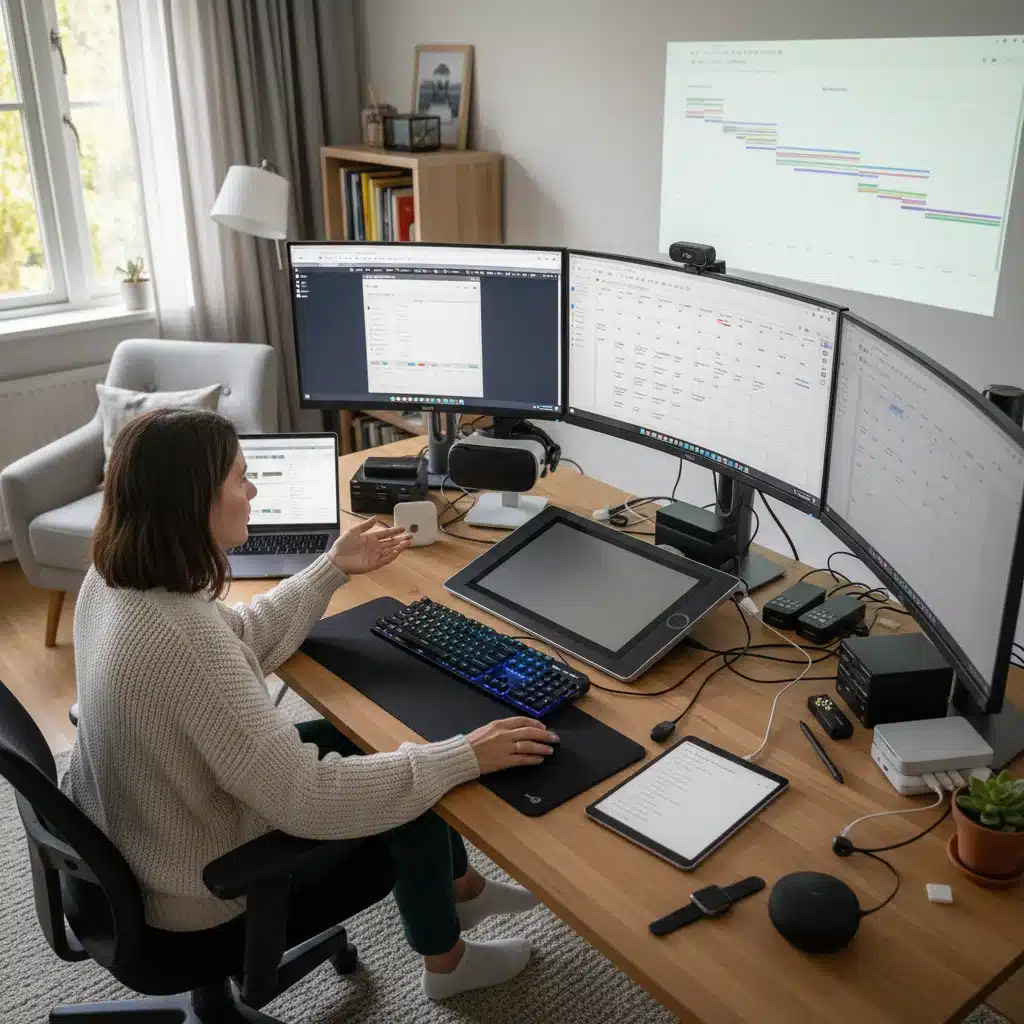
3. Proactive Communication: Bridging the Distance Effectively
One of the biggest challenges in remote work is the absence of spontaneous, in-person interactions. This makes proactive communication an absolutely vital remote work skill. It’s not enough to simply respond when asked; remote professionals must actively and clearly communicate their progress, challenges, and availability to ensure alignment and prevent misunderstandings.
Proactive communication involves several facets. Firstly, regular updates: informing your team and manager about the status of your projects, even if there’s no major news. This could be a daily check-in message, a weekly progress report, or simply an update when a task is completed. This transparency builds trust and keeps everyone on the same page, reducing the need for constant inquiries.
Secondly, clarity and conciseness: remote communication often relies heavily on written text (email, chat), where tone can be easily misinterpreted. Taking the time to craft clear, unambiguous messages is essential. Avoid jargon where possible and ensure your message conveys exactly what you intend. When speaking virtually, practice active listening and confirm understanding to prevent misinterpretations.
Thirdly, setting expectations and boundaries: proactively communicating your working hours, availability, and response times helps manage expectations within the team. If you’re stepping away from your desk or will be unreachable for a period, communicate it. This fosters respect for personal time and ensures seamless workflow. Conversely, if you need help or foresee a potential delay, communicate that early rather than waiting until it becomes a crisis.
Mastering proactive communication requires practice. Make it a habit to over-communicate rather than under-communicate. Ask for clarification when needed, and always assume positive intent in others’ messages. Effective communication is the bedrock of successful remote teamwork, ensuring that geographical distance doesn’t translate into communication gaps.
4. Adaptability and Flexibility: Thriving in a Dynamic Environment
The remote work environment is characterized by its dynamic nature. Technology evolves, team structures change, and unforeseen challenges can arise without warning. Therefore, adaptability and flexibility are paramount remote work skills, enabling individuals to navigate uncertainty and embrace change with resilience.
Adaptability means being open to new processes, tools, and ways of working. It implies a willingness to learn on the fly and adjust strategies when circumstances demand it. For example, a project might suddenly require a different software platform, or a team meeting might need to be rescheduled at short notice due to time zone differences. An adaptable remote worker sees these changes not as obstacles, but as opportunities to learn and refine their approach.
Flexibility, on the other hand, often relates to working hours and approaches. While maintaining a routine is important, remote work sometimes requires adjusting your schedule to accommodate team members in different time zones or to handle unexpected urgent tasks. It also involves being flexible in how you approach problem-solving, understanding that there might be multiple valid ways to achieve an outcome in a distributed team.
Employers highly value individuals who can pivot quickly and maintain productivity during periods of change. This demonstrates resourcefulness and a positive attitude, which are infectious within a remote team. To develop these remote work skills, cultivate a growth mindset. View challenges as learning opportunities, seek feedback regularly, and be proactive in suggesting solutions rather than dwelling on problems. The ability to thrive amidst flux is a hallmark of a successful remote professional.
5. Problem-Solving and Critical Thinking: Independent Resolution
In a traditional office, a quick question to a colleague or manager might resolve a minor issue. In a remote setting, such immediate access isn’t always available, making robust problem-solving and critical thinking essential remote work skills. Remote workers are often expected to be more autonomous in identifying issues, analyzing situations, and proposing solutions before escalating problems.
Problem-solving involves a systematic approach: clearly defining the problem, gathering relevant information, brainstorming potential solutions, evaluating those solutions, and implementing the best one. This often requires independent research and a proactive mindset. Instead of waiting for instructions, a skilled remote worker will attempt to troubleshoot issues themselves, consulting resources and documenting their findings.
Critical thinking complements problem-solving by enabling individuals to evaluate information objectively, identify biases, and make reasoned judgments. This is particularly important when receiving information from various asynchronous communication channels. Can you discern the core issue from a series of chat messages? Can you anticipate potential roadblocks before they arise? These are questions that critical thinkers can answer effectively.
Developing these remote work skills means cultivating a curious and analytical mind. Don’t be afraid to ask “why” or “how.” Practice breaking down complex problems into smaller, manageable parts. Seek out opportunities to take ownership of challenges and present well-thought-out solutions. Employers rely on remote staff to be self-starters and independent thinkers who can contribute to solutions rather than simply reporting problems.
6. Collaboration and Teamwork in a Virtual Environment: Connecting Across Distances
While remote work emphasizes individual autonomy, it does not diminish the importance of collaboration and teamwork. In fact, these remote work skills become even more crucial in a virtual setting, requiring intentional effort to build connections and work cohesively across geographical distances. Effective virtual collaboration ensures that projects move forward smoothly and that team members feel connected and supported.
Virtual collaboration involves actively participating in online meetings, contributing to shared documents, and utilizing project management tools to track progress. It means being responsive to team communications, offering help when needed, and proactively sharing insights that benefit the collective goal. It also encompasses adapting your communication style to suit different virtual platforms – a quick chat for urgent matters, an email for detailed explanations, and a video call for complex discussions.
Building strong virtual teamwork also requires empathy and emotional intelligence. Understanding that colleagues might be dealing with different time zones, personal distractions, or technical issues fosters patience and support. Actively listening during virtual meetings, providing constructive feedback, and celebrating team successes are all vital components. The goal is to create a sense of camaraderie and shared purpose, even when physically apart.
To enhance these remote work skills, seek out opportunities to collaborate on cross-functional projects. Volunteer to lead virtual initiatives. Make an effort to connect with colleagues on a personal level, perhaps through virtual coffee breaks or informal chat channels. Remember, a successful remote team is one where every member feels valued, heard, and connected, regardless of their location.

7. Emotional Intelligence and Empathy: Navigating Human Connections Virtually
Perhaps one of the most overlooked, yet increasingly vital, remote work skills is emotional intelligence (EQ) and empathy. In a remote environment, the absence of non-verbal cues and casual interactions can make it challenging to read situations and understand colleagues’ feelings. High EQ allows remote professionals to interpret subtle signals, manage their own emotions, and build stronger virtual relationships.
Emotional intelligence in remote work involves self-awareness (understanding your own emotional state and how it impacts your work), self-regulation (managing stress and maintaining a positive attitude despite challenges), social awareness (perceiving and understanding the emotions of others), and relationship management (building rapport and resolving conflicts effectively). These are critical for maintaining team cohesion and preventing misunderstandings that can easily arise in text-based communication.
Empathy, a key component of EQ, is about putting yourself in another person’s shoes. In a remote context, this might mean understanding why a colleague in a different time zone might respond slowly, or why a team member might be struggling with a particular task due to home distractions. Empathetic remote workers are more supportive, understanding, and better at fostering an inclusive virtual environment.
Developing these remote work skills requires conscious effort to observe, listen, and reflect. Pay attention to the tone of written messages. Ask open-ended questions to encourage colleagues to share their perspectives. Offer support and encouragement. Practice active listening during video calls, looking for visual cues that might indicate stress or confusion. Building strong emotional intelligence and empathy helps create a more resilient, supportive, and productive remote team culture, making you an invaluable asset to any distributed organization.
The Future of Work is Remote: Embrace These Skills Now
As we navigate towards 2026 and beyond, the prominence of remote work is undeniable. The companies that thrive will be those that effectively leverage distributed talent, and the individuals who excel will be those who master the essential remote work skills discussed in this guide. These competencies are not merely ‘nice-to-haves’; they are fundamental requirements for success in the modern digital workplace.
The shift to remote work has democratized access to talent globally, but it has also intensified competition. By focusing on self-discipline, digital literacy, proactive communication, adaptability, problem-solving, virtual collaboration, and emotional intelligence, you are not just adapting to a new normal; you are actively shaping your career for future opportunities. These skills are transferable, valuable across industries, and will serve as the bedrock for professional growth in an increasingly virtual world.
Investing time and effort in developing these remote work skills will yield significant returns. It will enhance your productivity, improve your working relationships, and increase your overall job satisfaction. More importantly, it will position you as a highly sought-after professional, ready to tackle the challenges and seize the opportunities that the future of remote work presents.
Start today by identifying which of these skills you need to strengthen the most. Seek out online courses, practice new habits, and actively apply these competencies in your current role. The future of work is already here, and by mastering these essential remote work skills, you are not just keeping pace; you are leading the way.