Recall Alert: Are Your Car, Appliance, or Food on the List?
Recall Alert: Is Your Car, Appliance, or Food Product on the Latest Safety Recall List? Staying informed about product recalls is crucial for consumer safety, and checking the latest recall lists for cars, appliances, and food products can help prevent potential harm and ensure your well-being.
Are you concerned about the safety of the products you use every day? A recall alert: is your car, appliance, or food product on the latest safety recall list? This is a question every consumer should ask to protect themselves and their loved ones from potential hazards.
Understanding Product Recalls
A product recall is issued when a manufacturer or regulatory body discovers a defect or safety issue with a product that could pose a risk to consumers. These recalls are designed to remove dangerous or defective items from the market to prevent injuries or illnesses.
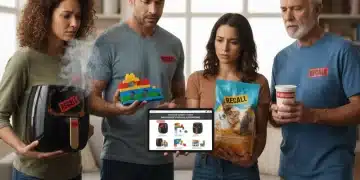
Recalls can affect a wide range of products, including cars, appliances, food items, and even children’s toys. Staying informed about these recalls is essential to ensure the safety and well-being of your family.
Why are Products Recalled?
Products are typically recalled for a variety of reasons, all stemming from safety concerns. These reasons can range from design flaws to manufacturing defects or even incorrect labeling. Understanding why a product is recalled can help you assess the potential risk.
Common Reasons for Recalls:
- Design Flaws: These are inherent problems with the product’s design that can lead to malfunctions or injuries.
- Manufacturing Defects: These occur during the production process and can result in products not meeting safety standards.
- Labeling Errors: Incorrect or missing information on product labels can lead to misuse or allergic reactions.
- Contamination: Food products are often recalled due to contamination with harmful bacteria, viruses, or foreign objects.
Product recalls are a critical part of consumer protection, safeguarding individuals from potential harm caused by defective or unsafe items. By understanding the reasons behind recalls, consumers can better assess risk and take appropriate action.
How to Check for Recalls on Your Car
Car recalls are common and can range from minor issues like a faulty sensor to major problems like defective airbags or brakes. Checking for recalls on your vehicle is a simple process that can potentially save lives.
Several resources are available to help you stay informed about car recalls, including the National Highway Traffic Safety Administration (NHTSA) website and manufacturer websites.
Using the NHTSA Website:
The NHTSA website is a comprehensive resource for car safety information, including recalls. You can easily search for recalls by entering your Vehicle Identification Number (VIN).
Steps to Check for Recalls on NHTSA:
- Locate Your VIN: Your VIN is a 17-character code typically found on your car’s dashboard or doorframe.
- Visit the NHTSA Website: Go to NHTSA.gov and navigate to the “Recalls” section.
- Enter Your VIN: Enter your VIN in the provided field and submit your search.
- Review the Results: The website will display any open recalls for your vehicle.
Regularly checking for car recalls is a responsible way to ensure your vehicle is safe to drive. Don’t ignore recall notices; promptly schedule repairs at an authorized dealer to address any identified issues.
Appliance Recalls: Protecting Your Home
Appliances like refrigerators, ovens, dishwashers, and washing machines are essential to modern living, but they can also pose safety hazards if they are defective or recalled. Appliance recalls can occur due to electrical issues, fire risks, or mechanical failures.
Staying informed about appliance recalls is crucial to protect your home and family from potential harm. Monitor official recall announcements from manufacturers and regulatory agencies.
Where to Find Appliance Recall Information:
Appliance recall information can be found on several websites and through various channels. Here are some key resources:
Key Resources for Appliance Recall Information:
- Manufacturer Websites: Check the websites of the appliance manufacturers for recall announcements.
- Consumer Product Safety Commission (CPSC): The CPSC website lists recalls for a wide range of consumer products, including appliances.
- Retailer Websites: Major retailers often post recall information on their websites.
- News Outlets: Keep an eye on news outlets and consumer advocacy websites for recall alerts.
Taking proactive steps to check for appliance recalls can help prevent accidents, injuries, and property damage in your home. Always follow the manufacturer’s instructions for recalled appliances.
Food Recalls: Staying Safe at the Dinner Table
Food recalls are issued when food products are found to be contaminated with harmful bacteria, viruses, or other hazardous substances. These recalls are essential to prevent foodborne illnesses and protect public health.
Staying informed about food recalls is a critical part of maintaining a safe and healthy diet. Regularly check for recall announcements from reliable sources.
Reliable Sources for Food Recall Information:
Food recall information is typically announced by government agencies and food manufacturers. Here are some key sources to monitor:
Essential Sources for Food Recall Information:
- Food and Drug Administration (FDA): The FDA website lists recalls for food products regulated by the agency.
- U.S. Department of Agriculture (USDA): The USDA website lists recalls for meat, poultry, and processed egg products.
- Manufacturer Websites: Check the websites of food manufacturers for recall announcements.
Following food recall announcements promptly can help you avoid consuming contaminated products. Dispose of recalled food items immediately and follow any instructions provided by the manufacturer or regulatory agency.
Steps to Take When a Recall Affects You
If you discover that one of your products has been recalled, it’s essential to take immediate action to protect your safety and well-being. Follow these steps to address the recall effectively.
The specific steps you should take will depend on the nature of the recall and the type of product involved. Always follow the manufacturer’s instructions and recommendations.
Key Actions to Take:
These steps can minimize the risk posed by the recalled product while ensuring you receive the appropriate remedy.
Detailed Steps to Handle a Recall:
- Stop Using the Product: Immediately discontinue use of the recalled product to prevent potential harm.
- Contact the Manufacturer: Reach out to the manufacturer to inquire about the recall and the available remedies.
- Follow Instructions: Carefully follow the instructions provided by the manufacturer or regulatory agency.
- Document Everything: Keep records of all communication, receipts, and documents related to the recall.
Taking prompt and appropriate action when a recall affects you can safeguard your health and well-being. Don’t hesitate to seek assistance from the manufacturer or regulatory agency if you have any questions or concerns.
Resources for Staying Updated on Recalls
Staying informed about product recalls requires access to reliable and up-to-date information. Fortunately, numerous resources are available to help you stay on top of the latest recall announcements.
Utilizing these resources can empower you to take timely action if a recall affects one of your products.
Valuable Resources:
These resources can provide the information you need to protect yourself and your family from potential hazards.
- NHTSA (National Highway Traffic Safety Administration): For car recalls, visit NHTSA.gov.
- CPSC (Consumer Product Safety Commission): For appliance and consumer product recalls, visit CPSC.gov.
- FDA (Food and Drug Administration): For food recalls, visit FDA.gov.
- USDA (U.S. Department of Agriculture): For meat, poultry, and processed egg product recalls, visit USDA.gov.
By regularly monitoring these resources, you can stay informed about product recalls and take prompt action to protect yourself and your family from potential harm. Knowledge is key to ensuring a safe environment.
| Key Point | Brief Description |
|---|---|
| 🚨 Check Recalls | Regularly check for recalls to ensure product safety. |
| ⚠️ Stop Use | Immediately stop using recalled products. |
| 📞 Contact Manufacturer | Contact the manufacturer for recall remedies. |
| 📰 Stay Informed | Monitor official sources for recall announcements. |
Frequently Asked Questions
A product recall is a process in which a manufacturer or regulatory body removes a defective or potentially harmful product from the market to protect consumers. It’s usually initiated when a safety issue is discovered.
You can check for car recalls by visiting the National Highway Traffic Safety Administration (NHTSA) website and entering your Vehicle Identification Number (VIN). You can also check the manufacturer’s website.
Appliance recall information can be found on the Consumer Product Safety Commission (CPSC) website, appliance manufacturer websites, and major retailer websites. News outlets and consumer advocacy sites also provide recall alerts.
If a product you own is recalled, stop using it immediately. Contact the manufacturer for instructions on how to receive a repair, replacement, or refund. Keep all documentation related to the recall.
It’s a good practice to check for recalls regularly, especially for major purchases like cars and appliances. Sign up for email alerts from regulatory agencies and manufacturers to stay informed about new recalls.
Conclusion
Staying informed about product recalls is a crucial aspect of consumer safety. By regularly checking for recalls on your car, appliances, and food products, you can protect yourself and your family from potential hazards. Make it a habit to monitor reliable sources and take prompt action when a recall affects you, ensuring a safer and healthier environment for everyone.