Protecting Yourself from Scams: A Guide to Identifying and Avoiding Consumer Fraud

Protecting yourself from scams requires vigilance and knowledge of common fraud tactics, including recognizing phishing attempts, avoiding unsolicited offers, securing personal information, and reporting suspicious activities to stay safe from financial exploitation.
In today’s digital age, protecting yourself from scams is more critical than ever. Consumer fraud is on the rise, with increasingly sophisticated tactics designed to steal your money and personal information. This guide will equip you with the knowledge to identify and avoid these common pitfalls.
Understanding the Landscape of Consumer Fraud
Consumer fraud encompasses a wide range of deceptive practices that aim to trick individuals out of their money or personal information. These scams often exploit trust, urgency, or fear to manipulate victims into making hasty decisions.
From online phishing schemes to telemarketing fraud, understanding the different types of scams is the first step in protecting yourself from scams. Recognizing the common tactics used by fraudsters can significantly reduce your risk of becoming a victim.
Common Types of Consumer Scams
Several types of consumer scams are prevalent today, each using different methods to target potential victims.
- Phishing: Fraudsters use fake emails or websites to trick you into revealing personal information.
- Identity Theft: Scammers steal your personal information to open accounts, file taxes, or make purchases in your name.
- Investment Scams: Fraudulent schemes promise high returns with little to no risk, often targeting vulnerable individuals.
- Lottery and Sweepstakes Scams: Victims are told they’ve won a prize but must pay fees to claim it.
The Psychological Tactics Used by Scammers
Scammers often use specific psychological tactics to manipulate their victims. Understanding these tactics can help you remain vigilant and avoid falling prey to fraud.
- Creating a Sense of Urgency: Scammers often create a false sense of urgency to pressure victims into making quick decisions.
- Exploiting Trust: Many scams involve impersonating legitimate organizations or individuals to gain trust.
- Using Emotional Appeals: Scammers may use emotional stories or appeals to guilt or sympathy to manipulate victims.

By understanding the landscape of consumer fraud and the tactics used by scammers, you can be better prepared to protect yourself from scams. Awareness is your first line of defense against becoming a victim.
Recognizing Red Flags: Identifying Scam Indicators
Identifying scam indicators is crucial for protecting yourself from scams. Scammers often leave telltale signs that can help you recognize their fraudulent schemes.
By being aware of these red flags, you can avoid falling victim to consumer fraud. Look out for suspicious communications, unsolicited offers, and unusual requests for personal information.
Unsolicited Offers and Communications
Unsolicited offers and communications are often a sign of a scam. Be wary of emails, phone calls, or messages that come out of the blue and promise something too good to be true.
Legitimate businesses rarely contact you with unsolicited offers, especially those that require you to provide personal information or payment upfront.
- Unexpected Emails: Be cautious of emails from unknown senders, especially if they contain links or attachments.
- Unsolicited Phone Calls: Scammers often use robocalls to contact potential victims with fraudulent offers.
- Suspicious Text Messages: Be wary of text messages that demand immediate action or request personal information.
Requests for Personal Information
Legitimate organizations typically do not ask for sensitive personal information through email or over the phone. Be suspicious of any request for your social security number, bank account details, or passwords.
If you receive a request for personal information, verify the legitimacy of the organization before providing any details. Contact the organization directly using a known phone number or website.
- Social Security Numbers: Never provide your social security number unless you are sure you are dealing with a legitimate organization.
- Bank Account Details: Protect your bank account information and avoid sharing it with unknown or untrusted sources.
- Passwords: Use strong, unique passwords for all your online accounts and never share them with anyone.
Recognizing these red flags can significantly reduce your risk of becoming a victim of consumer fraud. Stay vigilant and question anything that seems suspicious.
Protecting Your Personal Information Online
In the digital age, protecting yourself from scams involves securing your personal information online. Your online data is a valuable target for scammers, who can use it to commit identity theft or other types of fraud.
Adopting safe online practices is essential for safeguarding your personal information. Use strong passwords, enable two-factor authentication, and be cautious about the information you share online.
Using Strong Passwords and Two-Factor Authentication
Strong passwords and two-factor authentication are critical tools for protecting your online accounts. A strong password should be at least 12 characters long and include a mix of uppercase and lowercase letters, numbers, and symbols.
Two-factor authentication adds an extra layer of security to your accounts by requiring a second form of verification, such as a code sent to your mobile phone.
Many online services now offer two-factor authentication as an option. Take advantage of this feature to enhance the security of your accounts.
- Create Unique Passwords: Use a different password for each of your online accounts.
- Use a Password Manager: Consider using a password manager to generate and store strong passwords securely.
- Enable Two-Factor Authentication: Turn on two-factor authentication for all your important accounts, such as email, banking, and social media.
Being Cautious on Social Media
Social media platforms can be a goldmine of information for scammers. Be cautious about the personal information you share on social media and avoid posting details that could be used to identify you or gain access to your accounts.
Review your privacy settings on social media and limit the audience who can see your posts. Be wary of friend requests from people you don’t know and avoid clicking on suspicious links or advertisements.
- Limit Personal Information: Avoid sharing sensitive information such as your address, phone number, or date of birth on social media.
- Review Privacy Settings: Adjust your privacy settings to control who can see your posts and personal information.
- Be Wary of Links: Avoid clicking on suspicious links or advertisements on social media, as they may lead to phishing websites or malware.
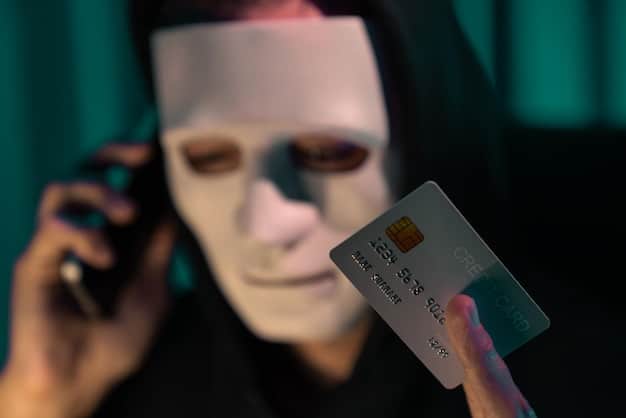
By taking these steps to protect your personal information online, you can significantly reduce your risk of becoming a victim of identity theft or other types of fraud.
Avoiding Specific Scam Types: Romance, Lottery, and Tech Support Scams
Certain types of scams, such as romance, lottery, and tech support scams, are particularly prevalent and often target vulnerable individuals. Protecting yourself from scams requires an understanding of how these schemes operate and the tactics they employ.
Being aware of these specific scam types can help you recognize them and avoid becoming a victim. Remember to stay vigilant and question anything that seems too good to be true or unusual.
Romance Scams
Romance scams involve fraudsters creating fake online profiles to develop relationships with victims and eventually trick them into sending money. These scams often target lonely or vulnerable individuals.
Scammers may spend weeks or months building a relationship before asking for money, often claiming they need it for travel expenses, medical bills, or other emergencies.
- Be Wary of Online Relationships: Be cautious of developing romantic relationships with people you’ve only met online.
- Question Requests for Money: Never send money to someone you’ve only met online, no matter how convincing their story may be.
- Do a Background Check: Use online search engines to verify the identity of the person you’re communicating with.
Lottery and Sweepstakes Scams
Lottery and sweepstakes scams involve fraudsters telling victims they’ve won a prize but must pay fees or taxes to claim it. These scams often target elderly individuals.
Legitimate lotteries and sweepstakes never require you to pay money to claim a prize. If you’re asked to pay fees, it’s a scam.
- Don’t Pay to Claim a Prize: Never send money to claim a prize in a lottery or sweepstakes.
- Be Wary of Unsolicited Notifications: Be suspicious of emails or phone calls telling you that you’ve won a prize.
- Verify the Legitimacy: Check the official website of the lottery or sweepstakes to verify the legitimacy of the notification.
Tech Support Scams
Tech support scams involve fraudsters posing as technical support representatives to trick victims into giving them remote access to their computers or paying for unnecessary services. These scams often target people who are not tech-savvy.
Scammers may contact victims by phone or through pop-up ads on their computers, claiming that their computer is infected with a virus or has other technical problems.
- Be Wary of Unsolicited Calls: Be suspicious of unsolicited phone calls from people claiming to be tech support representatives.
- Don’t Give Remote Access: Never give remote access to your computer to someone you don’t know or trust.
- Verify the Company: Contact the tech support company directly using a known phone number or website to verify the legitimacy of the request.
By being aware of these specific scam types, you can be better prepared to protect yourself from scams and avoid becoming a victim of fraud.
Reporting Scams and Fraudulent Activity
Reporting scams and fraudulent activity is essential for protecting yourself from scams and helping to prevent others from becoming victims. Reporting scams can help law enforcement agencies track down fraudsters and shut down their operations.
Knowing where and how to report scams is crucial. Several government agencies and consumer protection organizations accept reports of fraudulent activity.
Where to Report Scams
Several government agencies and consumer protection organizations accept reports of scams and fraudulent activity. These agencies can investigate scams and take action against fraudsters.
By reporting scams, you can help protect others from becoming victims and support law enforcement efforts to combat fraud.
- Federal Trade Commission (FTC): Report scams and fraudulent activity to the FTC through their website or by calling their hotline.
- Internet Crime Complaint Center (IC3): Report internet-related crimes to the IC3, a division of the FBI.
- State Attorney General: Report scams to your state attorney general’s office, which can investigate and prosecute fraudulent activity in your state.
How to Report a Scam
When reporting a scam, provide as much information as possible to help law enforcement agencies investigate the fraud. Include details such as the name of the scammer, the method of contact, and the amount of money lost.
Keeping records of all communications and transactions related to the scam can also be helpful. These records can serve as evidence of the fraudulent activity.
- Gather Information: Collect as much information as possible about the scam, including the name of the scammer, the method of contact, and the amount of money lost.
- Keep Records: Keep records of all communications and transactions related to the scam, such as emails, phone calls, and financial statements.
- File a Report: File a report with the appropriate government agency or consumer protection organization.
Reporting scams and fraudulent activity is an important step in protecting yourself from scams and helping to combat fraud. By reporting scams, you can help prevent others from becoming victims and support law enforcement efforts to bring fraudsters to justice.
Staying Informed: Resources for Consumer Protection
Staying informed about the latest scams and consumer protection measures is crucial for protecting yourself from scams. Several resources can help you stay up-to-date on the latest fraud trends and learn how to avoid becoming a victim.
Taking advantage of these resources can empower you to make informed decisions and protect yourself from consumer fraud. Follow trusted sources of information and stay vigilant about the latest scam tactics.
Government and Non-Profit Resources
Several government agencies and non-profit organizations offer valuable resources for consumer protection. These resources can provide information on the latest scams, tips for avoiding fraud, and guidance on reporting fraudulent activity.
Taking advantage of these resources can help you stay informed and protect yourself from consumer fraud.
- Federal Trade Commission (FTC): The FTC provides a wealth of information on consumer protection topics, including scams, identity theft, and privacy.
- Consumer Financial Protection Bureau (CFPB): The CFPB offers resources for managing your finances and protecting yourself from financial fraud.
- AARP Fraud Watch Network: The AARP Fraud Watch Network provides information and resources for protecting yourself from scams targeting seniors.
Staying Updated on the Latest Scams
Scammers are constantly developing new tactics and schemes, so it’s essential to stay updated on the latest fraud trends. Following trusted sources of information and being aware of the latest scams can help you avoid becoming a victim.
Be vigilant about the information you receive and question anything that seems suspicious or too good to be true.
- Subscribe to Newsletters: Subscribe to newsletters from trusted sources such as the FTC, CFPB, and AARP Fraud Watch Network.
- Follow Social Media: Follow government agencies and consumer protection organizations on social media to stay updated on the latest scams.
- Attend Workshops and Seminars: Attend workshops and seminars on consumer protection to learn about the latest fraud trends and how to avoid becoming a victim.
By staying informed and taking advantage of available resources, you can be better prepared to protect yourself from scams and avoid becoming a victim of consumer fraud.
| Key Point | Brief Description |
|---|---|
| 🚨 Recognize Red Flags | Be alert for unsolicited offers, requests for personal data, and urgent demands. |
| 🛡️ Secure Online Accounts | Use strong, unique passwords and enable two-factor authentication. |
| 📞 Avoid Tech Support Scams | Beware of unsolicited calls claiming computer issues and demanding remote access. |
| 💔 Be Cautious of Romance Scams | Be wary of online relationships that quickly ask for money. |
FAQ
▼
Common scams include phishing, identity theft, tech support scams, romance scams, and lottery scams. Each uses different methods to trick people into giving up money or personal information.
▼
Use strong, unique passwords for all your accounts. Enable two-factor authentication whenever available. Be cautious about what you share on social media and avoid suspicious links.
▼
Report the scam to the Federal Trade Commission (FTC) and your local law enforcement. Change your passwords immediately and monitor your bank and credit card statements for any unauthorized transactions.
▼
Look for poor grammar, generic greetings, requests for personal information, and urgent deadlines. Verify the sender’s email address and avoid clicking on links in suspicious emails.
▼
Legitimate lotteries never require you to pay upfront fees or taxes to claim a prize. If you’re asked to send money to receive winnings, it’s almost certainly a scam.
Conclusion
Protecting yourself from scams requires ongoing vigilance and a proactive approach. By staying informed, recognizing red flags, and adopting safe online practices, you can significantly reduce your risk of becoming a victim of consumer fraud. Always question unsolicited offers and report suspicious activity to help protect yourself and others.