Data Breach Alert: Protect Your Information After 15 US Company Attacks
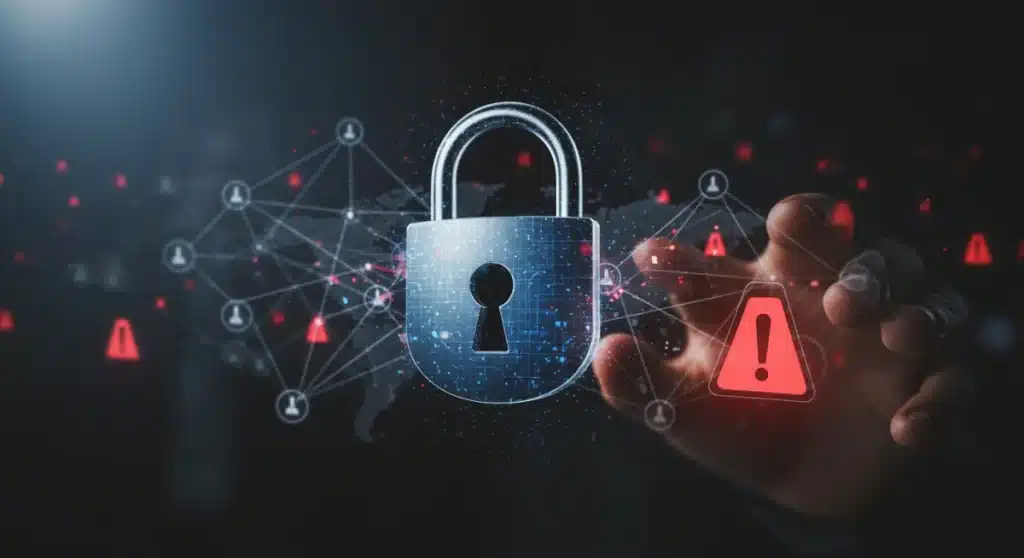
In an increasingly digital world, our personal information is constantly flowing through various online channels, from social media platforms to e-commerce sites and financial institutions. While this connectivity offers unparalleled convenience, it also exposes us to significant risks, particularly from data breaches. The past three months have seen an alarming surge in cyberattacks, with at least 15 major US companies falling victim to sophisticated data breaches. This widespread compromise underscores a critical truth: no one is truly safe, and proactive measures to protect personal data are no longer optional, but absolutely essential.
These recent incidents have affected millions of individuals, potentially exposing sensitive information such as names, addresses, Social Security numbers, financial details, and even health records. The implications of such breaches are far-reaching, ranging from immediate financial fraud to long-term identity theft and reputational damage. Understanding the gravity of these threats and taking decisive action is paramount to safeguarding your digital life and financial well-being. This comprehensive guide will walk you through what a data breach entails, its potential consequences, and, most importantly, provide actionable steps to protect personal data in the aftermath of an attack and prevent future compromises.
Understanding the Threat: What is a Data Breach?
A data breach occurs when unauthorized individuals gain access to confidential or sensitive information. This can happen through various means, including hacking, malware attacks, phishing scams, insider threats, or even accidental exposure. The recent wave of breaches against major US companies highlights the evolving sophistication of cybercriminals, who are constantly developing new tactics to circumvent security measures.
Types of Information at Risk
When a company suffers a data breach, a wide array of personal information can be compromised. This often includes:
- Personally Identifiable Information (PII): Names, addresses, phone numbers, email addresses, dates of birth, and Social Security numbers.
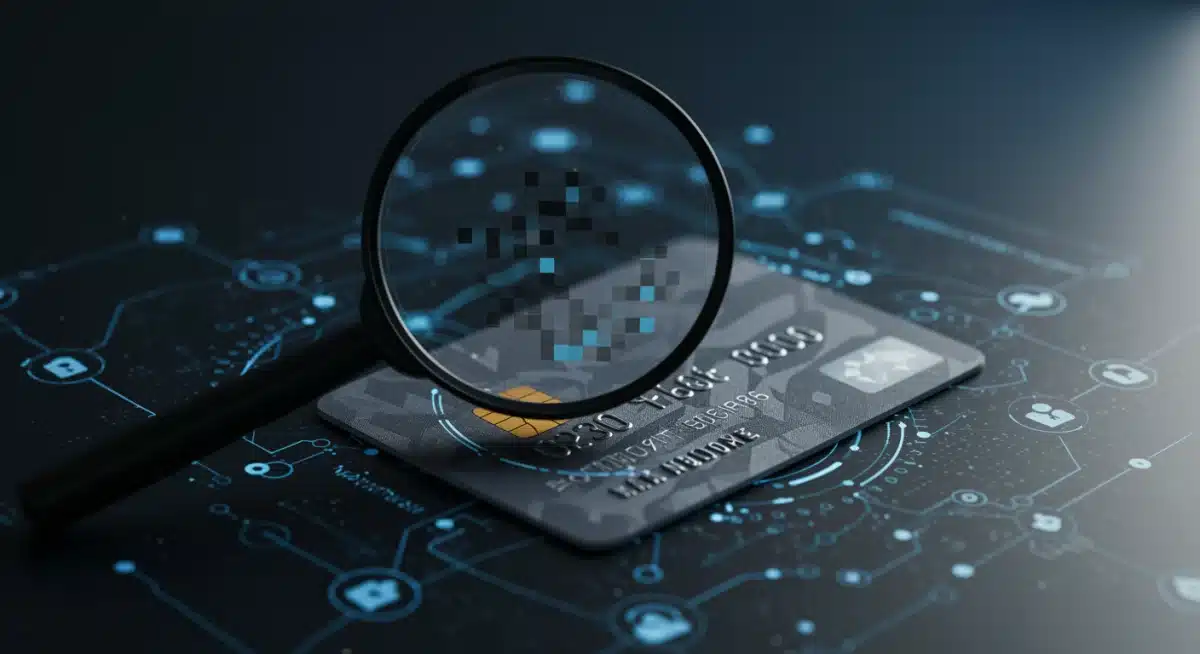
- Financial Information: Credit card numbers, bank account details, and other payment information.
- Health Information: Medical records, insurance policy numbers, and health conditions.
- Login Credentials: Usernames and passwords for various online accounts.
- Proprietary Data: Trade secrets, intellectual property, and other confidential business information (though our focus here is on personal data).
The more sensitive the information exposed, the greater the potential harm to individuals. For instance, a compromised Social Security number can lead to severe identity theft, while leaked financial details can result in immediate fraudulent transactions. The sheer volume and variety of data stolen in recent breaches make it imperative for everyone to learn how to protect personal data effectively.
The Ripple Effect: Consequences of a Data Breach
The immediate aftermath of a data breach can be chaotic, but the long-term consequences can be even more devastating. Understanding these potential repercussions is crucial for motivating individuals to take proactive steps to protect personal data.
Identity Theft
Perhaps the most significant threat stemming from a data breach is identity theft. Cybercriminals can use stolen PII to:
- Open new credit card accounts in your name.
- Apply for loans or mortgages.
- File fraudulent tax returns.
- Access your existing financial accounts.
- Receive government benefits.
- Even commit crimes in your name.
Reclaiming your identity after it has been stolen is a lengthy, stressful, and often costly process, requiring extensive communication with credit bureaus, financial institutions, and law enforcement agencies.
Financial Fraud
Direct financial fraud is another common consequence. If your credit card or bank account details are compromised, criminals can make unauthorized purchases or withdrawals. While banks and credit card companies often offer fraud protection, the process of disputing charges and recovering funds can still be time-consuming and inconvenient.
Reputational Damage and Emotional Distress
Beyond financial implications, data breaches can lead to significant emotional distress. The feeling of vulnerability, the loss of trust in institutions, and the constant worry about future attacks can take a toll on an individual’s mental well-being. Furthermore, if personal information is used to spread misinformation or commit illicit acts, it can severely damage one’s reputation.
Phishing and Targeted Attacks
Even if your financial details aren’t directly exposed, leaked email addresses and other PII can be used for highly targeted phishing attacks. Criminals might craft convincing emails or messages, pretending to be from legitimate organizations, attempting to trick you into revealing more sensitive information or installing malware. This makes it harder to discern legitimate communications from malicious ones, increasing the risk of further compromise.
Immediate Actions to Take After a Data Breach Notification
Receiving a notification that your data has been compromised can be unsettling. However, panic is not a strategy. Instead, swift and decisive action is required to mitigate potential damage and protect personal data.
1. Change Passwords Immediately
If the breached company stored your login credentials, or if you used the same password for that account on other platforms, change those passwords immediately. Use strong, unique passwords for every online account. A password manager can be an invaluable tool for generating and storing complex passwords securely.
2. Enable Multi-Factor Authentication (MFA)
Multi-Factor Authentication (MFA), also known as two-factor authentication (2FA), adds an extra layer of security beyond just a password. This typically involves requiring a code sent to your phone or generated by an authenticator app. Even if criminals obtain your password, they won’t be able to access your account without this second factor. Enable MFA on all accounts that offer it, especially for email, banking, and social media.

3. Review Financial Statements and Credit Reports
Scrutinize your bank and credit card statements for any suspicious or unauthorized activity. Do this regularly, not just after a breach. You are entitled to a free credit report from each of the three major credit bureaus (Experian, Equifax, and TransUnion) annually. Access these reports through AnnualCreditReport.com to check for any new accounts opened in your name or other fraudulent entries. Consider signing up for credit monitoring services, which can alert you to suspicious activity.
4. Place a Fraud Alert or Credit Freeze
If you suspect your Social Security number or other highly sensitive PII has been compromised, consider placing a fraud alert or, more effectively, a credit freeze on your credit reports. A fraud alert makes it harder for identity thieves to open new accounts in your name, as lenders must take extra steps to verify your identity. A credit freeze, however, restricts access to your credit report entirely, preventing new credit from being opened until you temporarily lift the freeze. This is one of the most powerful steps to protect personal data from identity theft.
5. Be Wary of Phishing Attempts
After a data breach, cybercriminals often launch targeted phishing campaigns, pretending to be the breached company or another trusted entity, trying to extract more information. Be extremely cautious of unsolicited emails, texts, or calls asking for personal details. Never click on suspicious links or download attachments from unknown senders. Always verify the authenticity of communication directly with the organization through official channels.
6. Monitor for Unusual Activity
Keep a close eye on all your online accounts, not just financial ones. Look for unusual login attempts, changes to your profile, or unexpected emails. The sooner you detect suspicious activity, the faster you can respond and mitigate damage.
Long-Term Strategies to Protect Personal Data
While the immediate response to a data breach is critical, developing long-term habits and utilizing ongoing security measures are equally important for maintaining your digital safety and continuing to protect personal data effectively.
1. Use Strong, Unique Passwords and a Password Manager
We cannot overstate the importance of strong, unique passwords. A password manager not only helps you create complex, unguessable passwords but also securely stores them and can auto-fill them for you. This eliminates the need to remember dozens of different passwords, making it easier to maintain robust security across all your accounts. Look for reputable password managers that offer strong encryption and multi-factor authentication for access.
2. Implement Multi-Factor Authentication (MFA) Everywhere Possible
Make MFA your default security setting. Most major online services now offer some form of MFA. While SMS-based MFA is better than nothing, app-based authenticators (like Google Authenticator or Authy) or hardware security keys (like YubiKey) offer even stronger protection against SIM-swapping attacks and other vulnerabilities.
3. Be Skeptical of Unsolicited Communications (Phishing Awareness)
Cultivate a healthy skepticism toward any unsolicited communication, whether it’s an email, text, social media message, or phone call. Always question the sender’s identity and the legitimacy of their request. Hover over links before clicking to see the actual URL, and never provide personal information in response to an unverified request. If in doubt, contact the organization directly using their official contact information, not the details provided in the suspicious message.
4. Keep Software and Operating Systems Updated
Software updates often include critical security patches that fix vulnerabilities exploited by cybercriminals. Ensure your operating system, web browser, antivirus software, and all other applications are always updated to their latest versions. Enable automatic updates whenever possible to ensure you’re always protected against the newest threats.
5. Secure Your Home Network
Your home Wi-Fi network is a gateway to all your connected devices. Secure it by:
- Changing the default administrator password on your router.
- Using a strong, unique password for your Wi-Fi network.
- Enabling WPA2 or WPA3 encryption.
- Creating a separate guest network for visitors.
- Disabling Universal Plug and Play (UpnP) if not strictly necessary.
6. Back Up Your Data Regularly
While not directly preventing a data breach, regular data backups are crucial for recovery in case your devices are compromised by ransomware or other destructive attacks. Store backups securely, preferably offline or in encrypted cloud storage.
7. Limit Public Sharing of Personal Information
Be mindful of what you share on social media and other public platforms. Information like your full birth date, pet names, mother’s maiden name, or even detailed vacation plans can be used by criminals to answer security questions or determine when your home might be unoccupied.
8. Use a Virtual Private Network (VPN)
When connecting to public Wi-Fi networks (e.g., in cafes or airports), use a reputable Virtual Private Network (VPN). A VPN encrypts your internet traffic, protecting your data from eavesdropping by malicious actors on unsecured networks. This is a vital step to protect personal data when you’re away from your secure home network.
9. Understand Privacy Policies
Before signing up for a new service or app, take a moment to understand its privacy policy. While often lengthy, these policies outline how your data will be collected, stored, and shared. Choose services that prioritize user privacy and offer granular control over your personal information.
10. Be Cautious with IoT Devices
Internet of Things (IoT) devices, such as smart home assistants, cameras, and thermostats, can introduce new vulnerabilities. Ensure these devices are from reputable manufacturers, have strong default security settings, and are regularly updated. Change default passwords immediately.
11. Consider Identity Theft Protection Services
For an added layer of security, consider subscribing to an identity theft protection service. These services often provide credit monitoring, dark web surveillance, fraud alerts, and assistance with identity recovery if you become a victim. While they don’t prevent breaches, they can significantly reduce the time it takes to detect and respond to identity theft.
The Role of Companies in Protecting Your Data
While individual responsibility is crucial, companies also bear a significant burden in preventing data breaches and protecting customer information. The recent attacks highlight areas where corporate cybersecurity needs significant improvement.
Robust Security Infrastructure
Companies must invest in state-of-the-art security infrastructure, including firewalls, intrusion detection systems, and advanced encryption protocols. Regular security audits and penetration testing are essential to identify and address vulnerabilities before they can be exploited by attackers.
Employee Training and Awareness
Human error is often a significant factor in data breaches. Comprehensive and ongoing employee training on cybersecurity best practices, phishing awareness, and secure data handling procedures can drastically reduce the risk of insider threats and accidental data exposure.
Data Minimization and Retention Policies
Companies should adopt a principle of data minimization, collecting only the data absolutely necessary for their operations. Furthermore, clear data retention policies should ensure that personal information is not stored indefinitely once its purpose has been served. Less data stored means less data to lose in a breach.
Incident Response Plans
Every company should have a well-defined incident response plan to effectively manage and mitigate the impact of a data breach. This includes clear communication protocols, forensic analysis capabilities, and rapid recovery strategies to minimize downtime and data loss.
Transparency and Communication
When a breach does occur, companies have a responsibility to inform affected individuals promptly and transparently. Clear communication about what data was compromised, what steps are being taken, and what actions individuals should take is vital for rebuilding trust and enabling victims to protect personal data.
Navigating the Digital Landscape with Confidence
The recent spate of data breaches serves as a stark reminder that our digital lives are constantly under threat. However, by understanding the risks and implementing a robust set of security practices, you can significantly reduce your vulnerability and protect personal data effectively. It’s a continuous process, requiring vigilance and adaptation to new threats, but the peace of mind that comes with a secure digital presence is invaluable.
Remember, cybersecurity is a shared responsibility. While companies must strengthen their defenses, individuals must also empower themselves with knowledge and tools to safeguard their personal information. By adopting the strategies outlined in this guide – from using strong, unique passwords and MFA to monitoring your credit and being wary of phishing – you can build a more resilient defense against cybercriminals and navigate the digital landscape with greater confidence.
Stay informed, stay vigilant, and make protecting your personal data a top priority in this interconnected world.