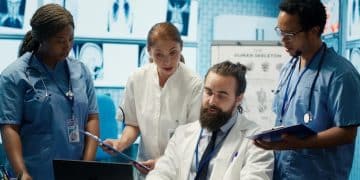
Projected Job Growth: Top Healthcare Careers in Demand by 2030

Projected job growth in healthcare is substantial, with roles like nurse practitioners, medical assistants, and home health aides expected to see the highest demand by 2030, driven by an aging population and advancements in medical technology.
The healthcare industry is constantly evolving, and understanding **projected job growth: which healthcare careers will be in highest demand by 2030?** is crucial for those considering a career in this field. This article will explore the top healthcare professions expected to experience significant growth, offering insights into the factors driving this demand and the opportunities available.
Healthcare Job Market Trends and Projections
The healthcare sector is poised for considerable expansion, and grasping the overarching trends and projections is vital for anyone contemplating entry into this field. By examining the anticipated growth patterns, prospective healthcare professionals can strategically align their education and career paths with the areas of greatest demand.
Factors Driving Healthcare Job Growth
Several key factors are fueling the robust job growth in healthcare. Understanding these drivers helps to contextualize the specific career projections and highlights the broader societal forces at play.
- Aging Population: The increasing number of older adults requiring medical care.
- Technological Advancements: New technologies and treatments expanding care options.
- Increased Access to Healthcare: More individuals gaining insurance coverage and seeking medical services.
- Preventative Care Focus: Growing emphasis on proactive health management.
These converging factors collectively contribute to a heightened demand for skilled healthcare professionals across various specialties.
In summary, the healthcare job market is subject to several factors that include an aging population, technological advancement, increased access to healthcare, and preventative care. These factors provide insights into the projected demands for skilled professionals.
Top Healthcare Careers with High Growth Potential
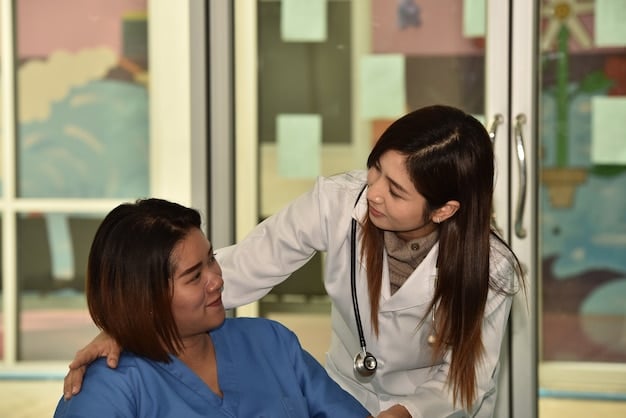
Identifying the specific healthcare careers with the most promising growth prospects is essential for making informed career decisions. Analyzing the projections from reputable sources provides a clear picture of where the greatest opportunities lie.
Nurse Practitioners
Nurse practitioners (NPs) are advanced practice registered nurses who provide a wide range of healthcare services. Their comprehensive training and ability to diagnose and treat illnesses make them highly valuable members of the healthcare team. The demand for NPs is expected to soar due to their expanded scope of practice and increasing acceptance as primary care providers.
Medical Assistants
Medical assistants (MAs) perform administrative and clinical tasks in physicians’ offices, hospitals, and other healthcare facilities. Their versatility and ability to support physicians and nurses make them indispensable in maintaining efficient operations. The growing demand for MAs is driven by the increasing volume of patients seeking medical care and the need for cost-effective healthcare solutions.
- Assist physicians with examinations and procedures.
- Take patient histories and vital signs.
- Administer injections and medications.
- Schedule appointments and manage patient records.
Medical assistants are key components in efficient and effective medical settings due to their versatile skillset.
In conclusion, various healthcare careers each have a high prospect growth in the near future that depends on a variety of factors.
Home Health Aides: Meeting the Needs of an Aging Population
Home health aides provide personal care and support services to individuals in their homes. As the population ages, the demand for home health aides is projected to increase significantly, reflecting the growing need for in-home care and assistance. These workers often provide essential care for seniors that are aging.

The Role of Home Health Aides
Home health aides play a crucial role in helping individuals maintain their independence and quality of life. Their responsibilities encompass a wide range of tasks, from assisting with personal hygiene and mobility to providing companionship and emotional support.
- Assist with bathing, dressing, and grooming.
- Prepare meals and assist with feeding.
- Provide light housekeeping services.
- Offer companionship and emotional support.
The role of home health aides is essential in helping patients continue to live comfortably in the comfort of their own homes.
Due to the aging population there are new demands emerging to meet those of the changing demographic. This includes home health aides for those in an older stage of life.
The Impact of Technology on Healthcare Jobs
The integration of technology into healthcare is reshaping the landscape of medical professions. While some roles may face automation, many others will evolve and expand, requiring new skills and expertise. Technology could allow for improved data tracking, analytics, and insights for professionals.
Telehealth and Remote Patient Monitoring
Telehealth and remote patient monitoring technologies are transforming the way healthcare is delivered. These innovations enable healthcare providers to remotely monitor patients’ health status, provide virtual consultations, and deliver timely interventions. As telehealth becomes more widespread, the demand for professionals skilled in using and managing these technologies will increase.
In brief, technology can create new opportunities for experts and professionals that are willing to undergo the adaptation process with new technology.
Educational Paths for High-Demand Healthcare Careers
Pursuing a career in healthcare requires careful planning and strategic educational choices. Understanding the required educational pathways for high-demand healthcare professions is essential for maximizing career opportunities and success. The need for training and continued learning emerges due to new technological advancements.
Nursing Programs
Nursing programs offer various educational paths, from associate degrees to doctoral degrees, allowing individuals to tailor their education to their desired career goals. Registered nurses (RNs) typically hold a Bachelor of Science in Nursing (BSN), while nurse practitioners require a Master of Science in Nursing (MSN) or Doctor of Nursing Practice (DNP) degree.
For those who wish to accelerate their studies and careers, they may consider enrolling in a nursing program and working hard to finish strong.
Strategies for Career Advancement in Healthcare
Once established in a healthcare career, continuous learning and professional development are essential for career advancement. Staying abreast of the latest trends, acquiring new skills, and pursuing certifications can enhance career prospects and earning potential.
Continuing Education and Certifications
Participating in continuing education courses and obtaining professional certifications demonstrates a commitment to excellence and specialized expertise. Many healthcare professions offer certifications in specific areas, such as wound care, geriatrics, or informatics.
To stay on top of your game, consider engaging in continued educational opportunities such as receiving certifications.
Conclusion
Understanding the projected job growth in healthcare is pivotal for making informed career decisions. As the demand for healthcare services continues to rise, certain professions, such as nurse practitioners and medical assistants, are expected to experience substantial growth. By aligning education and career paths with these high-demand areas, individuals can position themselves for long-term success and contribute to the well-being of communities nationwide.
| Key Aspect | Brief Description |
|---|---|
| 📈 Job Growth | Healthcare is expected to expand significantly. |
| 👩⚕️ Top Careers | Nurse Practitioners, Medical Assistants, Home Health Aides are in high demand. |
| 👵 Aging Population | Increased need for elderly, home-based assistance. |
| 💻 Technology | Telehealth creates new job opportunities. |
Frequently Asked Questions
▼
According to projections, roles such as nurse practitioners, medical assistants, and home health aides are expected to experience substantial growth due to increasing demand for healthcare services.
▼
Several factors are contributing to the heightened demand, including an aging population, technological advancements in healthcare, and increased access to healthcare services for individuals.
▼
Technology is reshaping healthcare by creating opportunities in telehealth and remote patient monitoring. It emphasizes the need for professionals skilled in using these advancements in data handling.
▼
The education needed varies depending on the job. For nurse practitioners, a Master of Science in Nursing (MSN) or Doctor of Nursing Practice (DNP) is typically required to enhance practical competence.
▼
Career advancement in healthcare requires continued education, certifications, and staying current with the latest developments, alongside specializing in areas like wound care and informatics for better expertise.
Conclusion
In conclusion, the healthcare sector presents numerous opportunities with promising growth projections. Focusing on high-demand careers, such as nurse practitioners, medical assistants, and home health aides, and investing in continued education and technological adaptability will be key for success in this dynamic field.