Product Recalls Explained: Your 2026 Guide to Rights & Refunds

This guide explains product recalls in 2026, detailing consumer rights and providing a clear 4-step process to identify defective goods and secure rightful refunds.
In an increasingly complex marketplace, understanding your consumer rights is more critical than ever, especially when it comes to defective goods. The landscape of product safety and consumer protection is constantly evolving, and knowing how to navigate it can save you time, money, and even prevent potential harm. This comprehensive guide on product recalls explained in 2026 will empower you with the knowledge to protect yourself and your household.
Understanding product recalls in 2026: what consumers need to know
Product recalls are a crucial mechanism designed to protect consumers from unsafe or defective goods. In 2026, these recalls are often initiated by manufacturers or mandated by government agencies when a product poses a risk to health, safety, or fails to meet specific regulatory standards. This proactive measure ensures that potentially harmful items are removed from circulation, preventing injuries, illnesses, or economic losses for consumers.
The reasons behind recalls can vary widely, from manufacturing defects and design flaws to mislabeling or contamination. Advances in technology, particularly in data analytics and AI, have made it possible to identify potential issues more quickly than ever before, leading to more targeted and efficient recall processes. Consumers should be aware that a recall is not an admission of guilt but a necessary step to mitigate risk and uphold public safety standards.
The evolving landscape of product safety
The year 2026 has seen significant advancements in how product safety is monitored and enforced. Digital platforms and AI-driven surveillance systems now play a larger role in flagging potential hazards, often before widespread reports of incidents emerge. This means that consumers might receive recall notifications faster, directly through apps, smart devices, or personalized alerts.
- Enhanced digital monitoring for product defects.
- Faster dissemination of recall information to consumers.
- Increased scrutiny on emerging product categories, like smart home devices.
- Stricter international cooperation on cross-border recalls.
Ultimately, understanding what constitutes a product recall and why it occurs is the first step in effectively responding to one. It’s about being informed and prepared, ensuring you know your rights and the steps to take when a product you own is deemed unsafe.
Identifying defective goods and common recall triggers
Identifying a defective good can sometimes be straightforward, such as a visible malfunction or a clear health hazard. However, many defects are not immediately apparent and may only surface after continued use or under specific conditions. Understanding the common triggers for recalls can help consumers be more vigilant about the products they purchase and use.
In 2026, common recall triggers often involve a combination of consumer complaints, internal quality control findings, and regulatory agency investigations. For instance, a surge in online reviews detailing similar issues with a product can quickly draw the attention of manufacturers and regulators. Similarly, advanced testing protocols are now capable of pinpointing design flaws that might have been missed in earlier stages.
Key indicators of a potentially recalled item
While official recall notices are the definitive source, certain signs might indicate a product could be recalled. Unusual noises, smells, or operational anomalies that deviate from the product’s intended function are often red flags. For food items, unexpected allergic reactions or signs of spoilage before the expiration date are critical indicators.
- Unusual operational behavior or performance.
- Unexpected physical changes, such as melting or breaking.
- Reports of similar issues from other consumers online.
- Failure to perform its intended function safely.
Being proactive in monitoring product performance and staying informed about consumer alerts is crucial. Manufacturers are increasingly using direct communication channels, like email newsletters and social media, to inform consumers about potential issues, making it easier to stay updated.
Step 1: staying informed and accessing official recall notifications in 2026
The initial and most critical step in navigating product recalls is to stay informed. In 2026, information about recalls is more accessible than ever, thanks to digital advancements and dedicated government portals. Consumers no longer have to rely solely on traditional media; direct digital notifications are increasingly common.
Government agencies in the U.S., such as the Consumer Product Safety Commission (CPSC), the National Highway Traffic Safety Administration (NHTSA), and the Food and Drug Administration (FDA), maintain comprehensive databases of recalled products. These portals are continually updated and provide detailed information about the recalled item, the nature of the defect, potential hazards, and recommended actions for consumers.
Leveraging digital tools for recall alerts
Subscribing to email alerts from key regulatory bodies is an effective way to receive timely notifications. Many manufacturers also offer product registration services, which allow them to directly contact consumers in the event of a recall. Furthermore, specialized apps and smart home devices are emerging that can scan product barcodes or monitor registered products for recall alerts, providing real-time information.
- Register products with manufacturers for direct recall notifications.
- Subscribe to government agency email alerts (e.g., CPSC, FDA, NHTSA).
- Utilize third-party apps or smart device integrations for recall tracking.
- Regularly check official recall websites for updates.
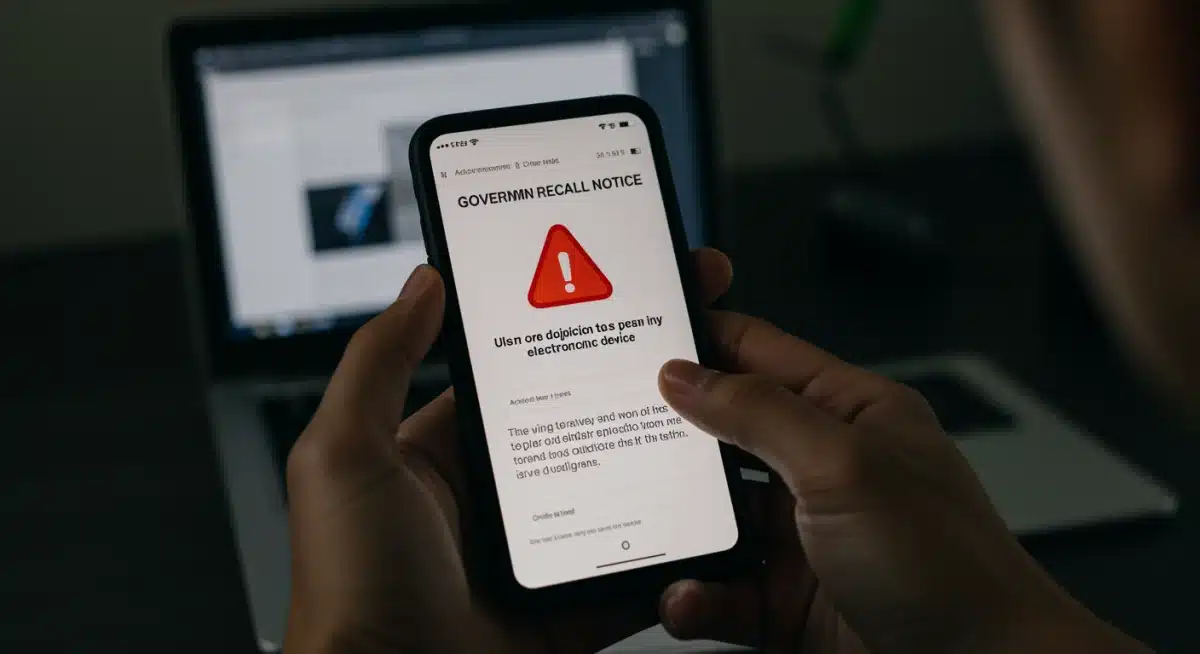
Staying informed means actively seeking out this information and establishing a routine for checking updates, particularly for products that are frequently used or that pose higher risks, such as children’s products or electronics. This proactive approach is your strongest defense against unknowingly owning a defective product.
Step 2: understanding your consumer rights and available remedies
Once you’ve identified a recalled product, the next crucial step is to understand your consumer rights and the remedies available to you. Federal and state laws in the U.S. provide robust protections for consumers affected by defective goods, ensuring that you are not left at a disadvantage. These rights typically include the option for a refund, replacement, or repair of the recalled item.
The specific remedy offered often depends on the nature of the recall and the product itself. For instance, a minor defect in a durable good might warrant a free repair, while a significant safety hazard could necessitate a full refund or a completely new replacement. It’s important to read the recall notice carefully, as it will outline the manufacturer’s proposed resolution.
Navigating refund, replacement, and repair options
Manufacturers are legally obligated to provide a remedy without additional cost to the consumer. This typically means covering shipping costs for returns or providing service at authorized repair centers. Keep detailed records of your purchase, including receipts, warranty information, and any communication with the manufacturer or retailer.
- Refund: You are entitled to the full purchase price of the product.
- Replacement: The manufacturer must provide a new, non-defective product of equal value.
- Repair: The product will be fixed to address the defect at no cost to you.
- Voucher/Credit: In some cases, a store credit or voucher might be offered, though you typically have the right to a refund.
If you encounter resistance or difficulty in obtaining a remedy, remember that consumer protection agencies are available to assist. Documenting all interactions and keeping records of dates, times, and names of individuals you speak with can be invaluable if further action is required. Your rights are designed to ensure fairness and safety.
Step 3: initiating the recall process and securing your remedy
With knowledge of the recall and your rights, the third step involves actively initiating the recall process to secure your chosen remedy. This usually means contacting the manufacturer or retailer, as specified in the recall notice. Most companies have dedicated customer service lines or online portals specifically for handling recall claims, streamlining the process for consumers.
When you contact them, be prepared to provide proof of purchase, such as a receipt or bank statement, and any identifying information about the product, like model numbers or serial codes. The recall notice will typically detail what information is required. Following their instructions meticulously will ensure a smoother and faster resolution.
Tips for a smooth recall claim experience
Patience and persistence are key, especially during large-scale recalls where customer service lines might be overwhelmed. However, don’t hesitate to escalate your claim if you feel your rights are not being met. Many companies have clear escalation paths, and if not, consumer protection agencies can mediate on your behalf.
- Gather all necessary documentation (proof of purchase, product identifiers).
- Follow the specific instructions provided in the recall notice.
- Keep a log of all communications, including dates, times, and names.
- Be polite but firm in asserting your rights.
Remember that prompt action is often beneficial. While there might not be a strict deadline for claiming a recall remedy, addressing the issue quickly ensures you mitigate any potential risks associated with the defective product and receive your refund or replacement in a timely manner. Your proactive engagement is crucial for a successful outcome.
Step 4: what to do if issues persist or you suffer damages
Even after following all recommended steps, you might encounter situations where issues persist, such as a manufacturer refusing to honor the recall or providing an inadequate remedy. Furthermore, some defective products might cause injury or significant financial loss before a recall is even announced. In these scenarios, it’s vital to know your further avenues for recourse.
If a manufacturer or retailer is uncooperative, your first point of contact should be consumer protection agencies. Organizations like the Better Business Bureau (BBB) or your state’s Attorney General’s office can often mediate disputes and provide guidance on legal options. These bodies are equipped to handle consumer complaints and enforce compliance with recall directives.
Legal avenues and consumer advocacy
For cases involving personal injury or substantial damages, consulting with a legal professional specializing in product liability law is advisable. A lawyer can assess the specifics of your situation, inform you of your rights, and help you pursue compensation for any harm caused by the defective product. Class-action lawsuits are also a possibility when many consumers are affected by the same defect.
- File a complaint with relevant government consumer protection agencies.
- Contact the Better Business Bureau for mediation services.
- Seek legal advice from a product liability attorney for significant damages or injuries.
- Explore class-action lawsuit options if applicable.
Being persistent and documenting every step of your journey is paramount. Keep all receipts, medical records, communications, and any other evidence related to the defective product and the harm it caused. Your diligent record-keeping will strengthen your case, whether you’re dealing with a consumer agency or pursuing legal action. Do not hesitate to seek external help if your rights are not being fully honored.
| Key Aspect | Brief Description |
|---|---|
| Stay Informed | Regularly check official government recall websites and register products. |
| Know Your Rights | Understand options for refund, replacement, or repair of defective goods. |
| Initiate Claim | Contact manufacturer/retailer with proof of purchase for remedy. |
| Seek Further Help | Contact consumer agencies or legal counsel if issues persist or damages occur. |
Frequently asked questions about product recalls
The main purpose of a product recall is to protect consumers from unsafe or defective goods. It involves removing products from the market that pose a risk to health, safety, or fail to meet regulatory standards, ensuring public well-being and preventing potential harm.
You can stay informed by checking official government websites like CPSC.gov or FDA.gov, subscribing to email alerts from these agencies, or registering your products with manufacturers to receive direct notifications. Many brands also announce recalls via social media.
As a consumer, you typically have the right to a remedy, which often includes a full refund, a free replacement of the product, or a repair at no cost. The specific options will be detailed in the official recall notice from the manufacturer.
Generally, you will need proof of purchase, such as a receipt or bank statement, and any identifying information for the product, like model numbers or serial codes. It’s crucial to retain all purchase-related documents for this purpose.
If a manufacturer is uncooperative, you should contact consumer protection agencies such as the Consumer Product Safety Commission (CPSC) or your state’s Attorney General’s office. They can mediate on your behalf and help enforce your consumer rights.
Conclusion
Navigating the landscape of product recalls in 2026 requires diligence, awareness, and a clear understanding of your consumer rights. By following the outlined four-step guide—staying informed, understanding your rights, initiating the claim process, and knowing when to seek further assistance—you can effectively protect yourself and your household from defective goods. Empowering yourself with this knowledge ensures not only your safety but also your ability to secure the remedies you are entitled to, fostering a more responsible and responsive marketplace for all consumers.