Navigating Product Recalls 2026: A U.S. Consumer Guide
Navigating Product Recalls in 2026: A Step-by-Step Guide for U.S. Consumers (PRACTICAL SOLUTIONS)
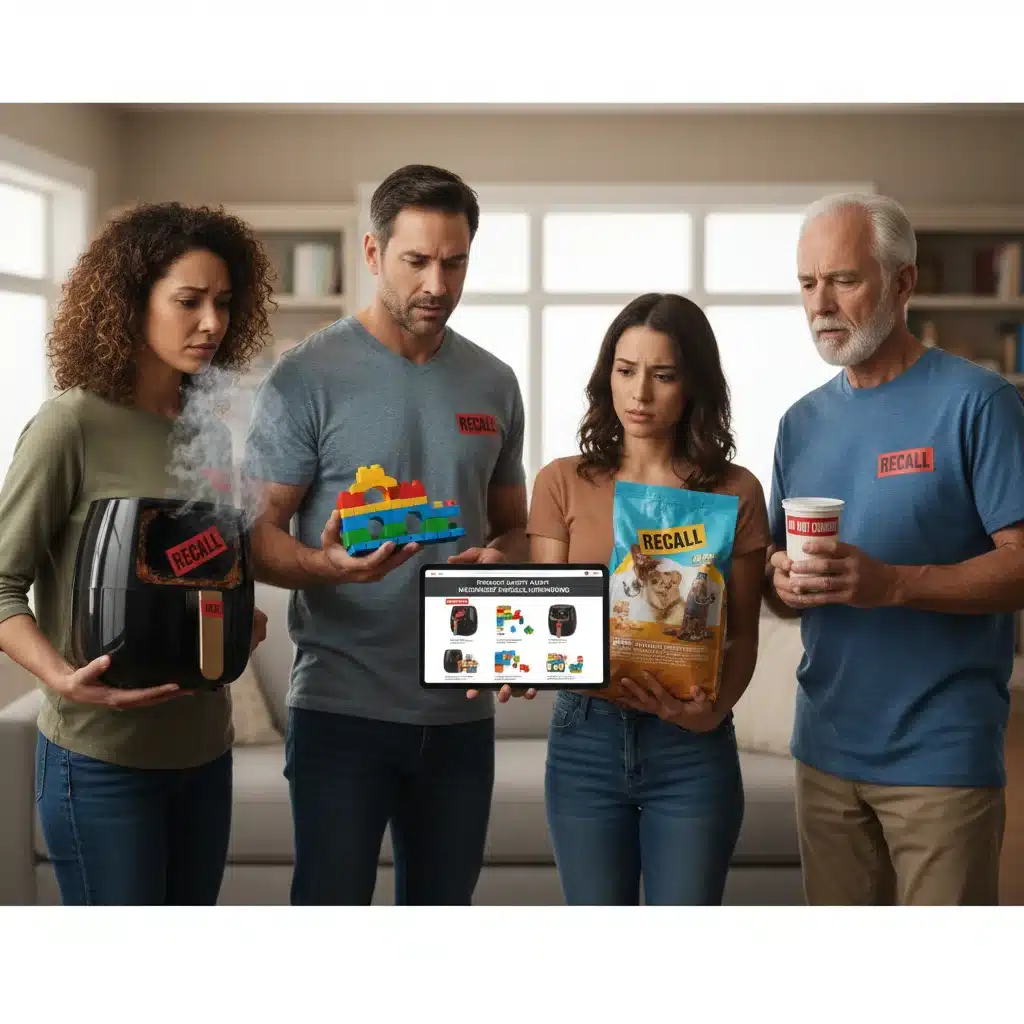
In an increasingly complex global marketplace, the safety and reliability of products we use daily are paramount. Despite rigorous testing and regulations, product recalls remain an inevitable part of consumer life. For U.S. consumers, understanding how to effectively navigate these recalls in 2026 is not just about inconvenience; it’s about safeguarding health, safety, and financial well-being. This comprehensive guide aims to equip you with the knowledge and practical solutions needed to stay informed, react appropriately, and protect your rights when facing product recalls in 2026.
The landscape of product recalls 2026 is shaped by evolving manufacturing processes, intricate supply chains, and increasingly sophisticated consumer protection agencies. While the core principles of recalls remain consistent, the methods of notification and the avenues for recourse are constantly being refined. This article will delve into the various types of recalls, the agencies responsible, how to stay updated, and crucially, what steps to take if you discover you own a recalled product. Our focus is on providing actionable advice that empowers you as a consumer.
Understanding the Basics of Product Recalls in 2026
Before diving into the practicalities, it’s essential to grasp what a product recall entails and why it happens. A product recall occurs when a manufacturer or regulatory body identifies a defect or potential hazard with a product that has already been distributed or sold to consumers. The goal is to remove the unsafe product from the market and prevent harm to consumers.
Why Do Product Recalls Happen?
Several factors can lead to a product recall. These often include:
- Design Flaws: Issues inherent in the product’s design that make it unsafe.
- Manufacturing Defects: Errors during the production process that compromise safety.
- Contamination: Particularly common in food and pharmaceutical products, where unwanted substances are present.
- Labeling Errors: Incorrect or insufficient warnings, instructions, or ingredient lists that can lead to misuse or adverse reactions.
- Non-compliance with Regulations: Failure to meet specific safety standards set by government agencies.
The consequences of these issues can range from minor inconveniences to serious injuries, illnesses, or even fatalities. This underscores the critical importance of paying attention to product recalls 2026.
Key Regulatory Bodies Overseeing Product Recalls in the U.S.
In the United States, several federal agencies play a pivotal role in consumer product safety and recalls. Understanding which agency is responsible for different product categories can help you navigate the recall landscape more efficiently:
- U.S. Consumer Product Safety Commission (CPSC): This is perhaps the most well-known agency, responsible for the safety of thousands of types of consumer products, from toys and electronics to furniture and sports equipment. The CPSC aims to protect the public from unreasonable risks of injury or death associated with consumer products.
- Food and Drug Administration (FDA): The FDA regulates food (except meat, poultry, and some egg products), drugs, medical devices, cosmetics, and tobacco products. Their recalls often involve health-related risks, such as contaminated food or faulty medical equipment.
- National Highway Traffic Safety Administration (NHTSA): This agency is focused on vehicle safety. NHTSA issues recalls for automobiles, motorcycles, tires, and child safety seats if they pose an unreasonable risk to safety.
- U.S. Department of Agriculture (USDA) – Food Safety and Inspection Service (FSIS): The FSIS is responsible for ensuring the safety and proper labeling of meat, poultry, and egg products.
- Environmental Protection Agency (EPA): While less frequent for consumer products, the EPA can issue recalls for pesticides and certain chemical products that pose environmental or health risks.
Each of these agencies maintains its own recall databases and notification systems, which we will explore further. Staying abreast of the latest product recalls 2026 requires knowing where to look.
How to Stay Informed About Product Recalls in 2026
Proactive awareness is your best defense against potentially hazardous products. In 2026, there are more ways than ever to stay informed about product recalls. Here’s how you can set up a robust system for receiving timely notifications:
Official Government Websites and Databases
The primary source for recall information comes directly from the regulatory agencies themselves. Bookmark these essential websites:
- CPSC Recalls: The go-to source for most consumer product recalls. You can search by product type, company, or date.
- FDA Recalls, Market Withdrawals & Safety Alerts: For food, drugs, medical devices, and cosmetics.
- NHTSA Recalls: To check for vehicle, tire, or car seat recalls by VIN or product type.
- USDA FSIS Recalls and Public Health Alerts: For meat, poultry, and egg product recalls.
Regularly checking these sites, especially for products you frequently purchase or own, is a prudent practice for keeping up with product recalls 2026.
Email Alerts and Social Media
Beyond manual checks, leverage technology to bring recall notifications directly to you:
- Email Subscriptions: Most federal agencies offer email subscription services that send alerts directly to your inbox when new recalls are announced. Sign up for alerts from the CPSC, FDA, NHTSA, and USDA FSIS. This is one of the most effective ways to stay informed about product recalls 2026 without constant manual checking.
- Social Media: Follow the official social media accounts of these agencies (e.g., CPSC on X/Facebook, FDA on Instagram). They often post immediate alerts and updates.
Third-Party Recall Aggregators and Apps
Several independent organizations and apps specialize in aggregating recall information from various sources:
- Consumer Reports: Offers a recall tracker and news.
- Recall Apps: Many mobile apps are designed to consolidate recall information, often allowing you to customize alerts for specific product categories. Search your app store for reputable recall alert apps.
While these can be convenient, always cross-reference critical information with official government sources to ensure accuracy regarding product recalls 2026.
Registering Your Products
When you purchase new products, especially electronics, appliances, and children’s items, take the time to register them with the manufacturer. This allows the manufacturer to directly notify you if the product is subject to a recall. It’s a simple step that provides an invaluable direct line of communication.
Identifying a Recalled Product You Own
Once you’ve received a recall notification, the next crucial step is to determine if the product you own is indeed part of the recall. This requires careful attention to detail.
Key Information to Look For in a Recall Notice
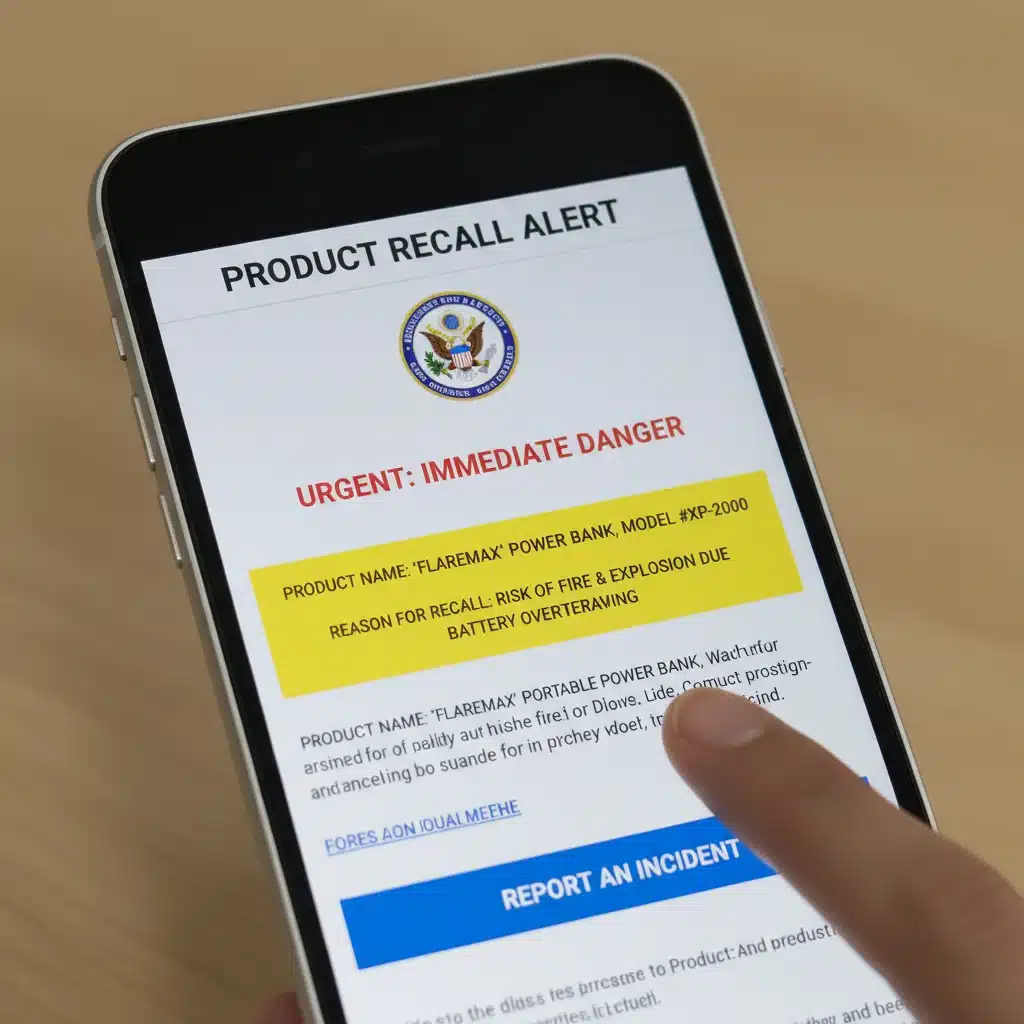
Every official recall notice will contain specific details to help you identify the affected product. Pay close attention to:
- Product Name and Brand: The exact name and brand of the product.
- Model Number/SKU: Often, only specific models or versions of a product are recalled. This number is usually found on the product itself, its packaging, or in the instruction manual.
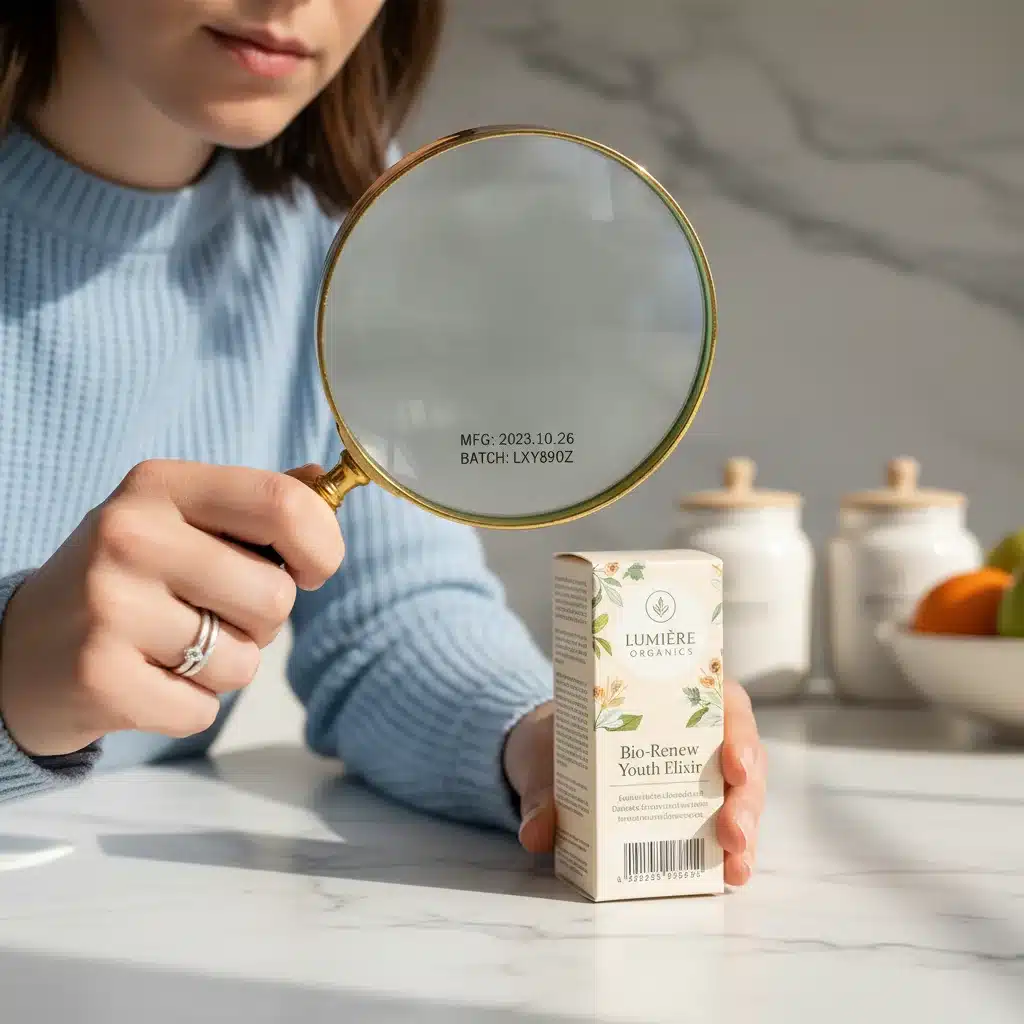
- Serial Number/Batch Code: For many products, especially food, pharmaceuticals, and electronics, recalls are limited to specific production runs. The serial number or batch code will be critical for verification.
- Dates of Manufacture/Sale: Recalls are often limited to products manufactured or sold within a specific timeframe.
- Description of the Hazard: Understanding why the product is being recalled helps you assess the risk.
- Identifying Markings: Unique colors, designs, or other visual cues might differentiate recalled products from safe ones.
Do not assume your product is safe just because it looks similar to a recalled item. Always verify with the specific identifying information provided in the recall notice. This meticulous approach is vital when dealing with product recalls 2026.
Where to Find Product Identification Information
Product identification details can be located in various places:
- On the Product Itself: Look for labels, stickers, or engravings on the underside, back, or inside of the product.
- On the Packaging: Retain original packaging if possible, as it often contains model and serial numbers.
- Instruction Manuals/Warranty Cards: These documents almost always list detailed product information.
- Purchase Receipts/Online Order History: Your purchase records can help confirm the date of sale and sometimes the specific model.
If you cannot find the necessary information, contact the manufacturer directly using the contact details provided in the recall notice. They can often assist in identifying your specific product. Being thorough here is key to navigating product recalls 2026 effectively.
What to Do if Your Product is Recalled (Practical Solutions)
Discovering you own a recalled product can be alarming, but knowing the correct steps to take can alleviate stress and ensure your safety.
Step 1: Stop Using the Product Immediately
This is the most critical and immediate action. Regardless of the perceived severity of the recall, discontinue use of the product. If it’s an electrical appliance, unplug it. If it’s a food item, do not consume it. If it’s a children’s toy, remove it from their reach. Safety is paramount when dealing with product recalls 2026.
Step 2: Follow the Manufacturer’s Instructions in the Recall Notice
Every recall notice will include specific instructions on what consumers should do. These instructions are tailored to the specific product and its hazard. Common actions include:
- Return for a Refund: You may be instructed to return the product to the place of purchase for a full refund.
- Return for a Repair: Some recalls offer a free repair service to fix the defect.
- Return for a Replacement: The manufacturer might provide a new, safe version of the product.
- Dispose of the Product: In some cases, particularly for severe hazards or low-value items, you might be asked to dispose of the product according to specific guidelines (e.g., cutting cords, destroying packaging) and then provide proof of disposal for a refund or replacement.
Always follow these instructions precisely. Do not attempt to repair the product yourself unless explicitly instructed by the manufacturer, as this could void your eligibility for a remedy or worsen the hazard.
Step 3: Keep Records
Document everything. Keep copies of the recall notice, any communication with the manufacturer or retailer, proof of purchase, and any shipping receipts if you return the product. If you incurred any expenses (e.g., shipping costs for return), keep receipts for those as well. This documentation is vital if any disputes arise or if you need to follow up on your claim regarding product recalls 2026.
Step 4: Report Any Incidents or Injuries
If you or someone else has been injured, became ill, or experienced property damage due to the recalled product, it is crucial to report the incident. This helps regulatory agencies gather more data and can sometimes lead to further action or broader recalls. Report incidents to the relevant agency:
- CPSC: Use their SaferProducts.gov portal.
- FDA: Use their MedWatch or Safety Reporting Portal.
- NHTSA: Use their Report a Safety Problem tool.
Reporting incidents is a crucial part of consumer advocacy and contributes to overall product safety, especially regarding product recalls 2026.
Beyond the Immediate Recall: Your Consumer Rights
Understanding your rights as a consumer is crucial when dealing with product recalls. You are entitled to a safe product, and when that safety is compromised, you have recourse.
Right to a Remedy (Refund, Repair, Replacement)
Generally, when a product is recalled, consumers are entitled to a remedy without undue burden. This typically means a full refund, a free repair, or a free replacement. The manufacturer or retailer should bear the costs associated with the recall, including shipping for returns or repairs.
Statutes of Limitations and Legal Recourse
While most recalls are handled amicably, there are instances where consumers might need to consider legal options, especially if injuries or significant damages occurred. Be aware of statutes of limitations in your state, which dictate the timeframe within which you can file a lawsuit. Consulting with a consumer protection attorney might be advisable in complex cases involving serious harm from product recalls 2026.
Class Action Lawsuits
In some large-scale recalls, class action lawsuits may be initiated. These allow a group of consumers who have suffered similar damages from a recalled product to collectively pursue legal action. If you believe you’ve been affected, keep an eye out for announcements regarding such lawsuits.
Preventative Measures and Best Practices for 2026
While you can’t prevent recalls from happening, you can adopt habits that minimize your exposure to risk and streamline the recall process if it does occur.
Research Before You Buy
Before making a significant purchase, especially for items that could pose safety risks (e.g., baby products, electronics, tools), check for previous recalls related to the brand or product type. A quick search on the CPSC or FDA websites can provide valuable insights. Look for brands with a strong reputation for safety and responsiveness to consumer concerns regarding product recalls 2026.
Read Reviews and Check Safety Ratings
Consumer reviews often highlight potential issues that might not yet be official recalls. Also, utilize independent safety ratings and reviews from organizations like Consumer Reports.
Keep Receipts and Product Information
As mentioned, retaining proof of purchase, product manuals, and packaging can significantly expedite the recall process. Consider creating a digital folder on your computer or cloud storage for important product documents.
Regularly Check Recall Websites
Even with email alerts, a periodic manual check of the main recall websites (CPSC, FDA, NHTSA) is a good practice, especially if you have sensitive products like baby gear or medical devices. This ensures you catch any product recalls 2026 that might have slipped through other notification methods.
Inspect Products Regularly
Periodically inspect products for signs of wear and tear, damage, or manufacturing defects that could indicate a potential safety issue, even if no recall has been issued. If you notice something unusual, report it to the manufacturer and the relevant regulatory agency. Your vigilance can help prevent future recalls.
The Evolving Landscape of Product Recalls in 2026
As we move further into 2026, several trends are shaping the future of product recalls:
Increased Use of AI and Data Analytics
Manufacturers and regulatory agencies are increasingly leveraging artificial intelligence and data analytics to identify potential product defects earlier in the supply chain and predict recall risks. This could lead to more proactive recalls, preventing incidents before they occur. This technological advancement will significantly impact how product recalls 2026 are managed.
Enhanced Supply Chain Transparency
With greater emphasis on ethical sourcing and sustainability, there’s a push for more transparent supply chains. This transparency can help pinpoint the origin of defects more quickly, streamlining the recall process and making it easier to track affected products.
Consumer Empowerment through Digital Tools
The proliferation of mobile apps, smart home devices, and connected products provides new avenues for direct communication between manufacturers and consumers. This could lead to more personalized and immediate recall notifications, improving consumer response rates for product recalls 2026.
Focus on Cybersecurity in Connected Products
As more products become ‘smart’ and connected to the internet, cybersecurity vulnerabilities can become a new category of recall risk. Protecting personal data and ensuring the secure operation of connected devices will be a growing concern for regulatory bodies.
Reporting a Potentially Unsafe Product
Your role as a consumer extends beyond simply reacting to recalls. If you encounter a product you believe is unsafe, even if it hasn’t been recalled, you have the power to report it. Your report can be the catalyst for an investigation that ultimately leads to a recall and prevents harm to others.
How to Make a Report
Use the same reporting portals mentioned earlier for incidents and injuries:
- SaferProducts.gov (CPSC): For general consumer products.
- MedWatch (FDA): For drugs, medical devices, and other FDA-regulated products.
- Safety Reporting Portal (FDA): For food and dietary supplements.
- Report a Safety Problem (NHTSA): For vehicles and automotive equipment.
- USDA FSIS: Contact their consumer complaint hotline or online reporting system for meat, poultry, and egg products.
When making a report, provide as much detail as possible, including product identification, where and when it was purchased, a description of the potential hazard, and any incidents that occurred. Your contribution is invaluable in ensuring public safety and shaping the landscape of product recalls 2026.
Conclusion
Navigating product recalls 2026 is an ongoing responsibility for every U.S. consumer. By staying informed, understanding your rights, and taking proactive steps, you can significantly reduce your risk of harm from defective products. The digital age offers unprecedented tools for awareness, from official government alerts to third-party aggregators. Make it a habit to register your products, subscribe to recall notifications, and regularly check official sources.
Remember, your safety and the safety of your loved ones are paramount. Don’t hesitate to act quickly if a product you own is recalled, and never underestimate the power of your voice in reporting potentially unsafe items. By working together – consumers, manufacturers, and regulatory agencies – we can continue to build a safer marketplace for everyone in 2026 and beyond.