Product Failure Rights: Refund & Replacement Guide (90 Days)

Understanding your product failure rights is crucial for consumers in the United States to effectively pursue refunds or replacements for defective goods within a 90-day period.
Has a recently purchased item let you down? If you’ve ever experienced the frustration of a product failing shortly after purchase, you’re not alone. Navigating your product failure rights can seem daunting, but knowing your options for a refund or replacement within 90 days is a powerful tool for any consumer.
Understanding your consumer rights in the United States
Consumer protection laws in the United States are designed to safeguard buyers from unfair business practices and defective products. These laws vary by state but generally provide a framework for consumers to seek recourse when a product fails to meet reasonable expectations or advertised standards. It’s essential to recognize that your rights often extend beyond the visible warranty sticker, offering crucial protection especially in the initial weeks and months after purchase.
The foundation of these rights lies in the concept of implied warranties, which are unwritten guarantees that a product will perform its intended purpose and is free from significant defects. While express warranties are explicit promises made by the manufacturer or seller, implied warranties automatically apply to most consumer goods, offering a baseline of protection even without a formal written agreement.
Key federal protections
- Magnuson-Moss Warranty Act: This federal law governs written warranties on consumer products, ensuring that manufacturers and sellers provide clear and accessible warranty information. It prevents sellers from disclaiming implied warranties when a written warranty is offered.
- Uniform Commercial Code (UCC): Adopted by most states, the UCC outlines various implied warranties, such as the ‘implied warranty of merchantability,’ which guarantees that goods are fit for the ordinary purposes for which such goods are used, and the ‘implied warranty of fitness for a particular purpose,’ which applies when a seller knows the buyer is relying on their expertise to select a product for a specific use.
These legal frameworks empower you to act decisively when a product fails. Understanding these basic tenets is the first step in asserting your rights and seeking a satisfactory resolution, whether it’s a refund, repair, or replacement. The initial 90-day period post-purchase is particularly critical, as many retailers and state laws offer more straightforward paths to resolution during this time.
The 90-day window: why timing matters for product failures
The first 90 days after purchasing a product often represent a critical period for consumers seeking remedies for defects or failures. This timeframe is significant for several reasons, including common return policies, credit card protections, and the reasonable expectation of product performance. Acting swiftly within this window can greatly simplify the process of obtaining a refund or replacement, avoiding the more complex procedures that might arise later.
Many retailers offer a no-questions-asked or limited-question return policy within this initial period, making it easier to return defective items. Beyond retailer policies, credit card companies often provide purchase protection benefits that are typically valid for a similar duration, offering an additional layer of security. Furthermore, within 90 days, it is generally easier to argue that a defect was inherent at the time of purchase rather than a result of wear and tear or misuse, strengthening your claim.
Retailer return policies
- Short-term returns: Most major retailers offer a return period, often between 30 to 90 days, for items that are defective or simply not satisfactory. Familiarize yourself with the specific policy of where you purchased the item.
- Proof of purchase: Always retain your receipts, order confirmations, or any proof of purchase. This is usually a non-negotiable requirement for returns or exchanges within this window.
Beyond retailer policies, the legal concept of ‘reasonable time’ for discovering and reporting a defect often falls within this initial period. Courts and consumer protection agencies generally view defects reported within 90 days as strong indicators of a product’s inherent flaw rather than issues stemming from prolonged use. Therefore, prompt action not only aligns with common retail practices but also strengthens your legal standing, should the situation escalate beyond a simple return.
Step-by-step guide: initiating your claim for a refund or replacement
When a product fails, knowing the exact steps to take can make a significant difference in the outcome. Initiating a claim for a refund or replacement effectively requires organization, clear communication, and persistence. This systematic approach ensures you present your case strongly and navigate any potential hurdles smoothly, maximizing your chances of a favorable resolution.
The process always begins with gathering all relevant documentation and clearly identifying the issue. Having your purchase details, product information, and a precise description of the defect ready will streamline your interaction with the seller or manufacturer. Remember, the goal is to provide all necessary information efficiently, leaving no room for ambiguity about the problem or your desired resolution.
Documenting your claim
- Gather proof of purchase: This includes receipts, credit card statements, online order confirmations, and packaging slips. Without this, your claim may be significantly weakened.
- Document the defect: Take clear photos or videos of the product and its defect. Note down when and how the failure occurred, including any error messages or unusual behavior.
- Keep all packaging and accessories: Often, products must be returned in their original packaging with all included accessories to qualify for a full refund or exchange.
Once your documentation is in order, the next step involves contacting the seller. Start with their customer service department, explaining the situation calmly and clearly. If the initial contact doesn’t yield a satisfactory result, escalate your concern to a supervisor. Remember to keep a record of all communications, including dates, times, names of representatives, and a summary of the discussion. This meticulous record-keeping is invaluable if further action is required.
Communicating effectively with sellers and manufacturers
Effective communication is paramount when seeking a resolution for a defective product. Your approach can significantly influence the outcome, transforming a potentially confrontational situation into a cooperative problem-solving effort. The key is to be clear, concise, and persistent, while maintaining a respectful tone, even if you feel frustrated.
Begin by clearly stating the problem and what resolution you are seeking, whether it’s a refund, replacement, or repair. Avoid emotional language and stick to the facts. Providing all documented evidence upfront can help prevent unnecessary back-and-forth, demonstrating that you have a legitimate claim and have done your due diligence. Remember, the goal is to facilitate a quick and fair resolution, not to engage in an argument.
Tips for successful communication
- Be prepared: Have all your documentation (receipts, defect photos, notes) readily accessible before you make contact.
- State your case clearly: Explain what happened, when it happened, and what remedy you are seeking (refund, replacement, repair).
- Be patient but persistent: It may take several attempts or escalated conversations to reach a resolution. Follow up as promised and keep track of your interactions.
- Request written confirmation: For any agreements made over the phone, ask for an email or written confirmation of the resolution.
If your initial attempts with the seller are unsuccessful, it may be time to contact the manufacturer directly. Manufacturers often have dedicated customer service departments equipped to handle product defects, especially if the issue is widespread. Be prepared to provide them with the same information you gave the seller. In some cases, the manufacturer might offer a more comprehensive solution or a direct replacement, bypassing the retailer entirely. Always maintain a detailed log of these interactions, as this can be crucial if you need to pursue further action.
When initial attempts fail: escalating your consumer complaint
Despite your best efforts, there are times when direct communication with the seller or manufacturer does not lead to a satisfactory resolution. This doesn’t mean your fight for product failure rights is over. When initial attempts fail, it’s time to escalate your consumer complaint, utilizing various resources available to you. These options provide leverage and often prompt businesses to reconsider their initial stance, knowing that external parties are now involved.
The first step in escalation often involves sending a formal written complaint. This formalizes your previous communications and clearly outlines your issue, the steps you’ve taken, and your desired outcome. A well-drafted letter, sent via certified mail, can often command more attention than phone calls or emails, as it signals your seriousness in pursuing the matter. Always keep a copy for your records.
Available avenues for escalation
- Better Business Bureau (BBB): Filing a complaint with the BBB can often motivate businesses to resolve issues, as unresolved complaints can negatively impact their rating.
- State Attorney General’s Office: Your state’s Attorney General has a consumer protection division that handles complaints. They can mediate disputes and, in some cases, take legal action against businesses.
- Federal Trade Commission (FTC): While the FTC doesn’t typically resolve individual consumer complaints, they track patterns of complaints. Reporting your issue helps them identify and prosecute businesses engaging in unfair or deceptive practices.
- Credit card company: If you paid with a credit card, you might be able to dispute the charge. This is often a powerful tool, as credit card companies can initiate a chargeback process, temporarily or permanently withholding payment from the merchant.
Beyond these formal channels, consider leaving detailed, factual reviews on public platforms. While not a direct escalation, public feedback can influence a company’s reputation and sometimes prompt them to address your issue to mitigate negative publicity. Remember to remain objective and focus on the facts of your experience. Each of these escalation paths provides a distinct mechanism for asserting your rights and pushing for a fair resolution when direct negotiations prove insufficient.
Preventative measures and best practices for future purchases
While understanding your product failure rights is crucial for recourse, adopting preventative measures can significantly reduce the likelihood of needing to exercise those rights in the first place. Smart shopping habits and proactive diligence before and after a purchase can save you considerable time, money, and frustration down the line. The goal is to make informed decisions that align with product quality and reliable customer support.
Before making any significant purchase, thorough research is key. This includes reading customer reviews, checking product specifications against your needs, and comparing warranties offered by different brands or retailers. A quick search for common complaints about a specific product or manufacturer can reveal potential red flags, guiding you towards more reliable choices. Think of it as investing a small amount of time upfront to avoid a much larger headache later.
Smart shopping habits
- Research product reviews: Look for independent reviews from trusted sources and fellow consumers to gauge product reliability and common issues.
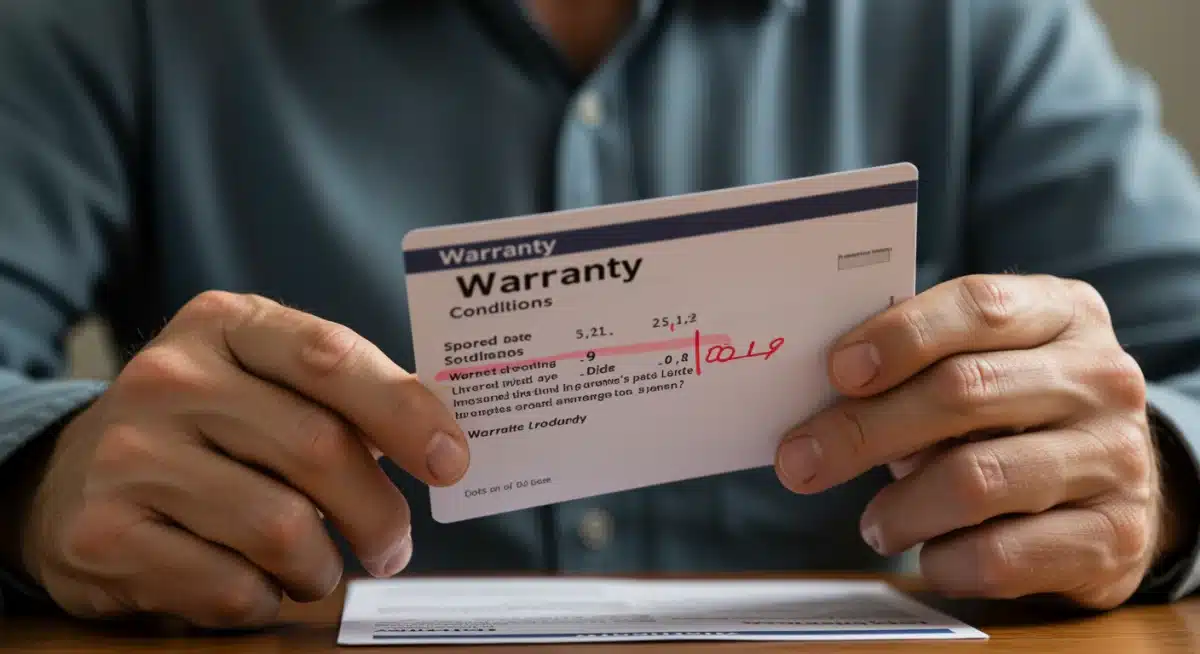
- Understand warranty terms: Always read the warranty details carefully before buying. Know what is covered, for how long, and what the process is for making a claim.
- Check return policies: Be aware of the retailer’s return policy, especially the timeframe for returns and whether a receipt is required.
- Pay with a credit card: Credit cards often offer purchase protection, extended warranties, and chargeback options that debit cards or cash do not.
After purchase, it’s equally important to register your product with the manufacturer, if applicable. This ensures you receive important updates, recall notices, and can simplify warranty claims. Keep all original packaging, manuals, and receipts in a safe place. These documents are vital proof of purchase and can expedite any future claims you might need to make. By integrating these best practices into your purchasing routine, you empower yourself as a consumer, making future transactions smoother and more secure.
| Key Action | Brief Description |
|---|---|
| Document Everything | Keep receipts, photos of defects, and communication logs. |
| Act Within 90 Days | Utilize retailer return windows and credit card protections. |
| Communicate Clearly | State the problem and desired resolution calmly and factually. |
| Escalate if Needed | Contact BBB, Attorney General, or credit card company if direct resolution fails. |
Frequently asked questions about product failure rights
An express warranty is a specific, written or verbal promise made by the seller or manufacturer about the product’s quality or performance. An implied warranty, however, is an unwritten guarantee that a product will function as expected for its intended purpose, automatically applied by law to most sales.
While desirable, original packaging is not always strictly required for a refund, especially if the product is defective. Retailer policies vary, but consumer protection laws focus on the product’s fitness. Always keep receipts and other proof of purchase, as these are more critical than packaging for a claim.
If a retailer denies your request, first ask to speak with a manager or supervisor. If still unsuccessful, you can escalate the complaint to the manufacturer, your credit card company (if applicable), or consumer protection agencies like the Better Business Bureau or your State Attorney General’s office for mediation.
The 90-day period is a common timeframe for retailer return policies and credit card purchase protections, offering a strong window for easy resolution. While not a strict legal mandate for all products, it often aligns with reasonable expectations for discovering defects and seeking remedies under implied warranties.
Legal action, such as small claims court, should be considered a last resort after exhausting all other avenues (retailer, manufacturer, consumer agencies). It’s typically reserved for situations where the product’s value is significant, and the company has clearly violated your consumer rights despite repeated attempts at resolution.
Conclusion
Navigating the complexities of product failure rights can be a straightforward process with the right knowledge and approach. Understanding the critical 90-day window, meticulously documenting your claim, and communicating effectively with sellers and manufacturers are fundamental steps toward securing a refund or replacement. When faced with uncooperative parties, remember that various escalation channels exist, from consumer protection agencies to credit card disputes, providing avenues for recourse. By adopting these practical solutions and maintaining diligent consumer habits, you empower yourself to confidently address defective products and protect your hard-earned money, ensuring a more satisfactory shopping experience.