Price Gouging Alert: Reporting Unfair Prices During Emergencies

Price gouging, the unethical practice of drastically increasing prices of essential goods or services during a national emergency, is illegal in many states, and reporting such behavior is crucial to protect consumers; here’s how to recognize it and take action.
During times of crisis, such as natural disasters or public health emergencies, it’s disheartening to see some businesses exploit the situation by raising prices to unconscionable levels. This practice, known as price gouging, is not only unethical but also illegal in many states. Knowing how to identify and report unfair price hikes is essential to protect yourself and your community during vulnerable times.
Understanding Price Gouging: What It Is and Why It’s Harmful
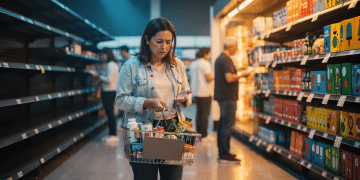
Price gouging occurs when businesses significantly increase prices on essential goods, services, or commodities during a period of crisis or emergency. This exploitation takes advantage of heightened demand and limited supply, preying on vulnerable consumers who have little choice but to pay inflated prices.
The consequences of price gouging are devastating, particularly for low-income families and individuals who are already struggling. It limits access to essential resources, prolongs recovery efforts, and undermines community solidarity during times when cooperation is most critical.

Defining Essential Goods and Services
Essential goods and services typically include items like food, water, fuel, medicine, shelter, and other necessities required for survival and well-being during an emergency.
- Food and Water: Basic sustenance items such as canned goods, bottled water, and non-perishable foods.
- Fuel and Energy: Gasoline, propane, and other fuels needed for transportation, heating, and cooking.
- Medical Supplies: Medications, first-aid kits, and sanitation products.
- Shelter: Temporary housing, lodging, or emergency shelter options.
The definition of essential can vary depending on the nature of the emergency and the specific needs of the affected community. However, the core principle remains the same: items and services critical to ensuring safety, health, and survival.
Price gouging laws typically define acceptable price increases, often tying them to a percentage above the pre-emergency price. What constitutes an “unconscionably excessive” price hike is determined on a case-by-case basis, considering factors such as the business’s increased costs and the availability of alternative suppliers.
Identifying Price Gouging: Key Indicators to Watch For
Recognizing price gouging can be challenging amidst the chaos of an emergency, but understanding the key indicators will help you detect and report these unethical practices.
One clear sign is a dramatic increase in prices compared to pre-emergency levels – often exceeding 10-20% or more. Compare current prices to what you remember paying before the crisis, or check online records if available.
Comparing Prices and Documenting Discrepancies
Take the time to compare prices across different stores or online vendors, if possible. Discrepancies in pricing can reveal price gouging, especially for essential goods and services.
Keep accurate records of your findings. Take photos of price tags, save receipts, and document the dates and times of your observations. These records will be valuable when reporting suspected price gouging to the authorities.
- Photograph Price Tags: Capture images of the prices of essential goods both before and during the emergency, if possible.
- Save Receipts: Keep all receipts from purchases made during a crisis, as they serve as evidence of price increases.
- Document Dates and Times: Note the dates and times when you observe price gouging, as well as the location of the store or vendor.
Be wary of claims that price hikes are due to increased supply costs. While some businesses may genuinely face higher expenses during a crisis, price gougers often use this excuse to justify unethical price increases. Investigate further and report any suspicions.

State Laws Against Price Gouging: Know Your Rights
Many states have enacted laws to protect consumers from price gouging during declared states of emergency. These laws prohibit businesses from charging unconscionably high prices for essential goods and services and provide avenues for consumers to report suspected violations.
It’s crucial to familiarize yourself with your state’s specific price gouging laws. These laws often define “essential goods” and “unconscionably high prices,” and they outline the penalties for businesses found in violation. You can usually find this information on your state’s Attorney General’s website.
Understanding State-Specific Regulations
Each state’s price gouging laws may have unique provisions and thresholds for determining what constitutes illegal price increases. Some states have specific percentage caps on price increases, while others consider the overall circumstances and whether the price is “unconscionable.”
Many state laws also allow for enhanced penalties for repeat offenders or those who engage in particularly egregious price gouging practices. These penalties may include fines, civil lawsuits, and even criminal charges in some cases.
State price gouging laws may not apply to all situations. Some laws may only be triggered by a formal declaration of a state of emergency, while others may have broader applicability. It’s important to understand the specific circumstances under which your state’s laws take effect.
How to Report Price Gouging: A Step-by-Step Guide
Reporting suspected price gouging is essential to protecting consumers and holding businesses accountable for unethical behavior. Follow these steps to report price gouging effectively:
Gather as much evidence as possible, including photos of price tags, receipts, and any other documentation that supports your claim. The more evidence you can provide, the stronger your case will be.
Contacting Authorities and Filing Complaints
Identify the appropriate agency or authority to report price gouging in your state. This is typically the State Attorney General’s office or a local consumer protection agency. You can find contact information for these agencies on your state’s government website.
- State Attorney General: This is usually the primary agency responsible for investigating and prosecuting price gouging violations.
- Local Consumer Protection Agency: Many cities and counties have their own consumer protection agencies that can assist with price gouging complaints.
- Better Business Bureau: While not a government agency, the BBB can mediate disputes and provide information about businesses with a history of complaints.
When filing your complaint, be as detailed as possible. Provide specific information about the business, the goods or services involved, the price increases you observed, and any other relevant information. Include all the evidence you have gathered.
Follow up on your complaint. Contact the agency you reported to and inquire about the status of your case. Persistence can help ensure that your complaint is taken seriously and investigated thoroughly.
Protecting Yourself from Price Gouging: Tips for Consumers
While reporting price gouging is important, taking proactive steps to protect yourself from price gouging can also help mitigate the impact of unethical pricing practices.
Prepare for emergencies in advance by stocking up on essential supplies before a crisis occurs. This will lessen your dependence on businesses that may engage in price gouging during times of heightened demand.
Planning Ahead and Staying Informed
Stay informed about potential emergencies and monitor official alerts and warnings. This will allow you to prepare in advance and avoid being caught off guard by price gouging.
Consider purchasing essential goods from reputable businesses with a history of fair pricing practices. Avoid patronizing businesses known to engage in unethical or exploitative behavior.
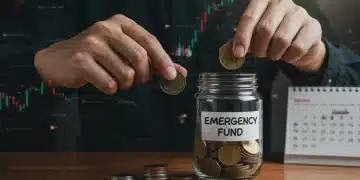
- Create an Emergency Fund: Having a financial cushion can help you afford essential goods and services during an emergency without resorting to overpriced options.
- Join Community Networks: Connect with neighbors and community organizations to share resources and information during times of crisis.
- Research Price History: Before making a purchase, check online reviews and pricing history to get an idea of typical prices and identify potential price gouging.
If you suspect price gouging, don’t hesitate to walk away from the purchase. Businesses that engage in unethical pricing practices don’t deserve your money. Seek out alternative suppliers or wait until prices return to normal.
The Role of Social Media and Community Action in Combating Price Gouging
Social media platforms can be powerful tools for raising awareness about price gouging and mobilizing community action against unethical businesses.
Share your experiences and observations on social media, using relevant hashtags and tagging local news outlets and consumer advocacy groups. This can help spread the word and put pressure on businesses to stop price gouging.
Leveraging Online Platforms for Awareness
Organize online campaigns or petitions to demand an end to price gouging and to call on government officials to take action. Collective action can be more effective than individual complaints.
- Create Online Forums: Establish online discussion forums where consumers can share information about price gouging and coordinate efforts to combat it.
- Use Fact-Checking Resources: Verify information about price gouging claims before sharing it on social media to prevent the spread of misinformation.
- Support Ethical Businesses: Promote businesses that are committed to fair pricing practices and ethical behavior during emergencies.
Connect with local community organizations and volunteer to help distribute essential goods and services to those in need. Community-led initiatives can fill the gaps left by businesses that engage in price gouging.
| Key Point | Brief Description |
|---|---|
| 🚨 Identifying Price Gouging | Recognize excessive price hikes on essentials during emergencies. |
| ⚖️ State Laws Protection | Many states have laws against price gouging during declared emergencies. |
| 📝 Reporting Steps | Gather evidence, contact authorities, and file detailed complaints. |
| 🛡️ Self-Protection Tips | Plan ahead, buy early, and support ethical businesses. |
Frequently Asked Questions (FAQ)
▼
Price gouging is when businesses raise prices on essential goods or services to a level much higher than what is considered reasonable or fair, usually during an emergency. These inflated prices exploit increased demand.
▼
Price gouging laws generally cover essential items such as food, water, fuel, medical supplies, and shelter. The definition can vary by state, but it typically includes items necessary for survival.
▼
Compare current prices to pre-emergency levels. If the price increase is significantly higher than normal, and not justified by increased costs, it could be price gouging. Document the price difference.
▼
Report suspected price gouging to your State Attorney General’s office or a local consumer protection agency. Provide as much detail and evidence as possible, including receipts and photos.
▼
Prepare for emergencies by stocking up on essential supplies in advance. Stay informed about potential emergencies and purchase items from reputable businesses known for fair pricing practices.
Conclusion
Combating price gouging requires vigilance, awareness, and collective action. By understanding your rights, reporting suspected violations, and supporting ethical businesses, you can help protect yourself and your community from exploitation during times of crisis. Together, we can create a more just and equitable marketplace where essential goods and services remain accessible to all, even in the face of adversity.