Price Gouging Alert: Reporting Unfair Price Hikes in Emergencies

Price gouging, the act of raising prices on essential goods and services to an unfair or exploitative level during an emergency, can be reported to state attorneys general, the FTC, and local consumer protection agencies to protect consumers from being taken advantage of during times of crisis.
When disaster strikes, price gouging can make already difficult situations even worse. Knowing how to identify and report unfair price hikes during national emergencies is crucial for protecting yourself and your community.
Understanding Price Gouging During National Emergencies
National emergencies can disrupt supply chains and increase demand for essential items, but some businesses may exploit these situations by engaging in price gouging. This practice involves raising prices to unconscionable levels, far beyond what is considered fair or reasonable, on essential goods and services.
Understanding what constitutes price gouging and the legal framework surrounding it is the first step in combating this unethical practice and ensuring consumers are protected during times of crisis.
Defining Price Gouging
Price gouging is generally defined as selling essential goods or services at a price that is considerably higher than what is considered fair or reasonable. These items often include necessities such as:
- Water
- Food
- Fuel
- Medications
- Shelter
Legal Framework and Regulations
Many states have laws in place to prevent price gouging during declared states of emergency. These laws typically prohibit businesses from charging excessive or unjustified prices for essential goods and services. Penalties for violating these laws can include:
- Fines
- Legal injunctions
- Restitution to consumers
- Criminal charges (in some cases)

It’s important to note that price increases that reflect actual increased costs for the seller may not be considered price gouging. However, increases that are drastically disproportionate to the cost increase are likely to be illegal.
Understanding the definition and legal aspects of price gouging can empower consumers to recognize and report instances of it, leading to accountability and protection for everyone in the community.
Identifying Instances of Price Gouging
Recognizing price gouging can be challenging, as price fluctuations can occur naturally during emergencies due to increased demand and logistical challenges. However, there are key indicators that can help you identify potential instances of price gouging.
Being aware of these signs can empower you to take action and report suspicious pricing practices to the appropriate authorities.
Comparing Prices to Pre-Emergency Levels
One of the most effective ways to identify price gouging is to compare current prices with those charged before the emergency declaration. Look for:
- Significant price increases (often exceeding 10-20%)
- Unexplained price hikes on essential items
Checking for Unjustified Price Increases
Consider whether the price increase is justified by increased costs for the seller. Legitimate reasons for price increases might include:
- Higher transportation costs
- Increased wholesale prices
However, a sudden and substantial price increase without a clear explanation is a red flag.
Documenting Evidence of Price Gouging
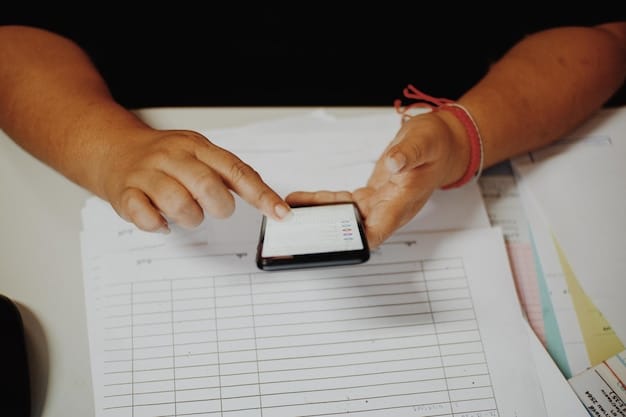
If you suspect price gouging, it’s crucial to gather as much evidence as possible. This might include:
- Taking photos of price tags
- Saving receipts
- Keeping records of online prices
- Note the date, time, and location of the suspected price gouging incident
This evidence will be valuable when reporting the incident to the authorities.
By carefully monitoring prices, documenting increases, and comparing them to pre-emergency levels, you can effectively identify and combat price gouging.
How to Report Price Gouging
Reporting suspected instances of price gouging is crucial for holding businesses accountable and protecting other consumers from exploitation. Knowing where and how to report these unfair practices can help ensure that those engaging in price gouging are brought to justice.
Here are the primary channels for reporting price gouging:
State Attorney General’s Office
Most states have laws against price gouging, and the Attorney General’s office is typically responsible for enforcing these laws. Contact your state’s Attorney General’s office to file a complaint. Provide as much detail as possible, including:
- Name and address of the business
- Description of the item or service
- Date and time of the incident
- Price charged before and during the emergency
- Any supporting documentation (receipts, photos, etc.)
Federal Trade Commission (FTC)
The FTC also has the authority to investigate and prosecute price gouging, particularly in cases that affect interstate commerce. You can file a complaint with the FTC online or by phone.
Local Consumer Protection Agencies
Many cities and counties have consumer protection agencies that can investigate price gouging complaints. Check your local government’s website for contact information.
When reporting price gouging, being thorough and providing comprehensive documentation can significantly increase the chances of a successful investigation.
Protecting Yourself and Your Community
Beyond reporting instances of price gouging, proactive measures can protect you and your community from these unfair practices. By staying informed, supporting ethical businesses, and spreading awareness, you can help create a more resilient and equitable environment during emergencies.
Here are some steps to consider:
Stay Informed About Consumer Rights
Familiarize yourself with your state’s price gouging laws. Knowing your rights empowers you to recognize and report violations.
Support Ethical Businesses
Choose to patronize businesses that have a reputation for fair pricing and ethical behavior. Avoid businesses that have a history of price gouging or other exploitative practices.
Spread Awareness
Share information about price gouging with your friends, family, and neighbors. The more people who are aware of this problem, the more effectively it can be combated.
Plan Ahead
Stock up on essential supplies before emergencies strike. This can reduce your reliance on businesses that may engage in price gouging during crises.
By taking preventative measures and staying informed, you can help protect yourself and your community from the negative impacts of price gouging.
Protecting yourself and your community involves not only reacting to instances of price gouging but also taking proactive steps to prepare and stay informed, fostering a community that stands against unethical practices.
The Role of Social Media and Community Action
Social media and community action play a crucial role in combating price gouging during national emergencies. Platforms like Twitter, Facebook, and Nextdoor can be powerful tools for sharing information, organizing collective action, and holding businesses accountable.
Effective use of these tools can amplify awareness and drive meaningful change.
Leveraging Social Media for Awareness
Share information about price gouging laws and reporting procedures on social media. Encourage others to report any instances they encounter, creating a network of vigilance.
- Use relevant hashtags (e.g., #PriceGouging, #ConsumerProtection) to reach a wider audience.
- Share photos and videos documenting price gouging incidents.
- Tag local and national news outlets to bring attention to the issue.
Organizing Community Action
Use social media to organize protests or boycotts against businesses engaged in price gouging. Encourage community members to support ethical businesses instead.
- Create online petitions calling for investigations and penalties against price gougers.
- Organize group reporting efforts to flood authorities with complaints, increasing the pressure for action.
By harnessing the power of social media and community action, individuals can come together to combat price gouging and protect their communities.
Long-Term Solutions and Policy Advocacy
Addressing price gouging effectively requires not only immediate responses but also long-term solutions and policy advocacy. By promoting stronger regulations and supporting initiatives that increase transparency, we can create a more equitable and resilient marketplace.
Focusing on these long-term strategies is essential for sustainable consumer protection.
Advocating for Stronger Price Gouging Laws
Support legislation that strengthens price gouging laws and increases penalties for violators. This can deter businesses from engaging in these unethical practices.
- Contact your elected officials to express your support for stronger consumer protection laws.
- Participate in public hearings and provide testimony on proposed legislation.
Promoting Transparency and Awareness
Support initiatives that promote transparency in pricing and increase consumer awareness of their rights. This can empower consumers to make informed decisions and avoid being exploited.
- Advocate for clear and conspicuous price disclosures, especially during emergencies.
- Support educational campaigns that inform consumers about price gouging and reporting procedures.
Supporting Ethical Business Practices
Encourage businesses to adopt ethical pricing practices and prioritize the needs of their customers, especially during times of crisis. Recognize and reward businesses that do the right thing.
By advocating for stronger laws, promoting transparency, and supporting ethical businesses, we can create a marketplace that is fair and just for all consumers.
| Key Point | Brief Description |
|---|---|
| 🚨 Recognize Price Gouging | Compare prices to pre-emergency levels and check for unjustified increases. |
| 🧾 Document Evidence | Save receipts, take photos of price tags, and note the date and location. |
| 📞 Report Violations | Contact the State Attorney General, FTC, and local consumer agencies. |
| 📢 Spread Awareness | Inform your community and support ethical businesses. |
Frequently Asked Questions (FAQ)
▼
Price gouging refers to the practice of increasing the price of essential goods, services, or commodities to a level much higher than is considered reasonable or fair during an emergency or crisis. This exploits increased demand.
▼
Essential items commonly affected include water, food, fuel, medications, and shelter. These are goods and services necessary for survival and well-being, especially following a natural disaster or declared emergency.
▼
Document suspected price gouging by taking photos of price tags, saving receipts, and noting the date, time, and location of the incident. Gather as much detailed evidence as possible to support your claim.
▼
Report price gouging to your state Attorney General’s office, the Federal Trade Commission (FTC), and local consumer protection agencies. Each of these entities has the authority to investigate and take action against unfair pricing.
▼
The penalties for price gouging can include fines, legal injunctions, restitution to consumers, and in some cases, criminal charges. Penalties vary by state and depend on the severity and frequency of the offense.
Conclusion
Being vigilant about price gouging during national emergencies is essential for protecting yourself and your community. By understanding what constitutes price gouging, knowing how to identify it, and reporting it to the appropriate authorities, you can help ensure that businesses are held accountable and consumers are treated fairly during times of crisis. Vigilance and action protect everyone.