Prevent Unwanted Charges: Free Trial Expert Tips

Effectively prevent unwanted charges from free trials by adopting proactive management strategies, understanding terms and conditions, and leveraging digital tools to track subscriptions and avoid unexpected billing.
Navigating the digital landscape often presents enticing offers like “free trials” for various services, promising access without immediate cost. However, many consumers find themselves entangled in the often-unseen complexities that lead to free trial charges, transforming a seemingly risk-free offer into an unexpected financial burden. This comprehensive guide delves into the hidden costs and provides expert tips to safeguard your finances from these common pitfalls.
Understanding the allure and pitfalls of free trials
Free trials are a powerful marketing tool, designed to give consumers a taste of a product or service, hoping they’ll convert into paying customers. While many trials genuinely offer value, their structure often contains subtle mechanisms that can lead to unintended charges. Understanding both the appeal and the potential traps is the first step toward proactive protection.
The appeal is undeniable: immediate access to premium features, software, or content without upfront payment. This allows users to experience the full breadth of a service before committing. However, the pitfall lies in the automatic conversion to a paid subscription once the trial period expires, a detail often buried in the fine print.
The psychology behind automatic enrollment
- Cognitive overload: Users often sign up for trials when busy, leading to oversight of cancellation deadlines.
- Optimism bias: Many believe they’ll remember to cancel, underestimating the likelihood of forgetting.
- Inertia: Once a service is integrated into daily routine, the effort to cancel can seem greater than the cost.
Companies leverage these psychological tendencies to maximize conversions. While not inherently malicious, it places the onus on the consumer to be vigilant. Recognizing these patterns empowers you to approach free trials with a more critical and strategic mindset.
In essence, free trials are a double-edged sword. They offer a fantastic opportunity to explore new services, but they demand a high level of consumer awareness to avoid falling prey to unwanted automatic charges. Being informed about these dynamics is crucial for maintaining financial control.
decoding terms and conditions: what to look for
The terms and conditions (T&Cs) associated with free trials are often dense and lengthy, making them easy to overlook. However, they contain critical information that can make the difference between a truly free experience and an unexpected bill. Learning to quickly identify key clauses is an invaluable skill for any digital consumer.
Begin by focusing on sections related to billing, cancellation, and trial duration. These are the areas most likely to hide the details that could result in charges. Don’t be shy about using search functions (Ctrl+F or Cmd+F) to find keywords like “cancel,” “billing,” “charge,” “renewal,” and “trial period.”
Critical clauses to scrutinize
- Automatic renewal: Does the trial automatically convert to a paid subscription? If so, what is the exact date and time of the conversion?
- Cancellation process: What are the specific steps required to cancel? Is it a simple click, or does it involve calling customer service?
- Payment authorization: By providing your payment information, are you authorizing future recurring charges?
- Refund policy: What happens if you are charged after the trial? Is there a window for refunds, and under what conditions?
Beyond these, also pay attention to any mention of tiered services or introductory rates that might change after a period. Some trials might offer a reduced rate for the first few months, which then jumps significantly. A thorough review of these details, even if brief, can save you considerable frustration and money down the line.
Ultimately, the T&Cs are your legal agreement with the service provider. Taking a few minutes to decipher them can prevent significant financial headaches, transforming a potentially costly oversight into a well-managed consumer decision.
proactive strategies for managing subscriptions and trials
The best defense against unwanted charges is a strong offense: proactive management of all your free trials and subscriptions. This involves implementing systems and habits that ensure you’re always aware of your commitments and deadlines. Simply hoping you’ll remember is a recipe for financial surprises.
Start by creating a centralized system for tracking. This could be a digital spreadsheet, a dedicated app, or even a physical notebook. The key is consistency and easy access. Every time you sign up for a free trial, immediately record its start date, end date, the service provider, and the method of payment used.
Effective tracking methods
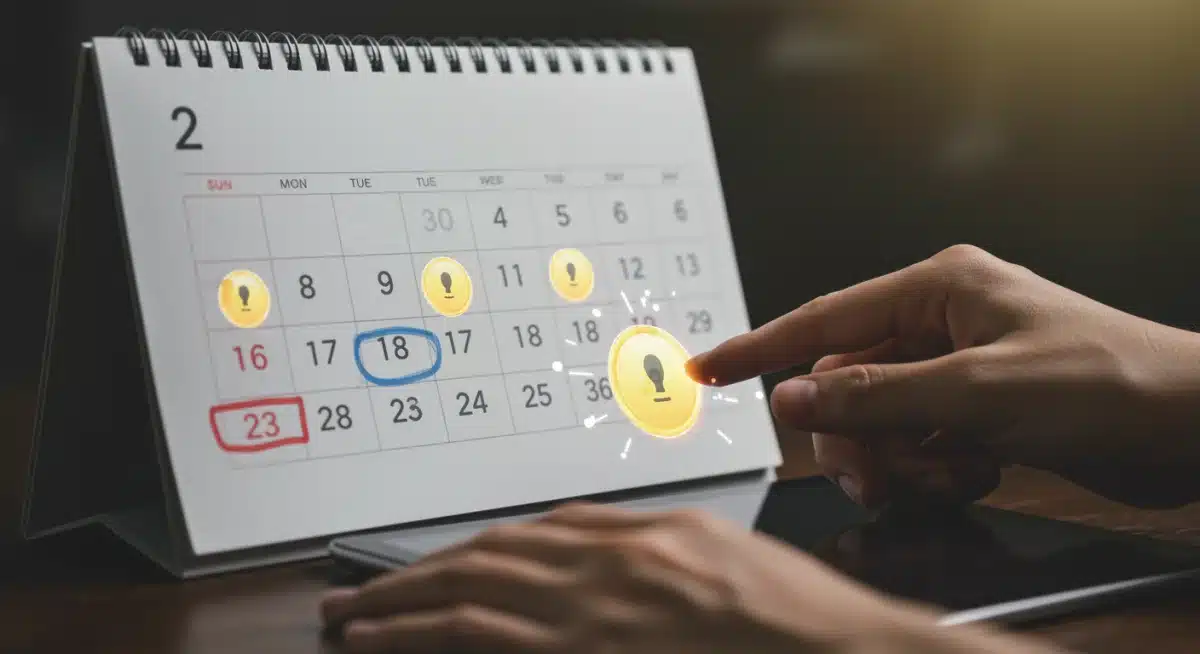
- Digital calendars: Set multiple reminders for cancellation deadlines, ideally 2-3 days before the trial ends.
- Subscription management apps: Tools like Truebill or Mint can automatically detect and track your subscriptions, sending alerts.
- Dedicated email address: Use a specific email for all trial sign-ups, making it easier to filter and review trial-related communications.
Consider using a virtual credit card or a low-limit prepaid card for free trials. Many banks and financial services offer virtual card numbers that can be easily canceled or have spending limits imposed, providing an extra layer of protection. If a company tries to charge you after the trial and you’ve forgotten to cancel, the charge will simply be declined, preventing any financial loss.
Regularly auditing your bank and credit card statements is another crucial habit. Unexpected charges can sometimes slip through even the most rigorous tracking systems. A monthly review of your transactions allows you to identify and dispute any unauthorized payments promptly.
leveraging digital tools for subscription oversight
In an age where digital subscriptions are ubiquitous, manual tracking can quickly become overwhelming. Fortunately, a growing ecosystem of digital tools and services exists specifically to help consumers manage their subscriptions and free trials, offering automated alerts and simplified cancellation processes.
These tools often connect directly to your bank accounts and credit cards, identifying recurring charges and categorizing them as subscriptions. This provides a clear, consolidated view of all your ongoing commitments, helping you spot forgotten trials or services you no longer use.
Popular subscription management tools
- Truebill (now Rocket Money): Helps identify, track, and even cancel subscriptions on your behalf.
- Mint: While primarily a budgeting app, it also offers subscription tracking features.
- Bobby (iOS) / Subscriptions (Android): Dedicated apps for manually tracking subscriptions and setting reminders.
Beyond dedicated apps, many banks and credit card companies are integrating similar features into their online platforms. Check your banking app for sections related to “recurring payments” or “subscription management.” These features can often provide insights into your spending habits and alert you to upcoming charges, including those from free trials transitioning to paid subscriptions.
Another powerful digital strategy is to use disposable or virtual credit card numbers for free trials. Services like Privacy.com allow you to create unique card numbers for each subscription, which you can set with spending limits or even pause/delete at any time. This ensures that even if you forget to cancel a trial, no actual charge can be processed against your main account.
By embracing these digital tools, consumers can significantly reduce the mental load of managing multiple subscriptions and trials, ensuring they remain in control of their finances and avoid any unwelcome surprises.
the cancellation process: avoiding common roadblocks
Even with meticulous tracking, the actual act of canceling a free trial can sometimes present unexpected hurdles. Companies, understandably, want to retain customers, and some may make the cancellation process less straightforward than the sign-up. Knowing how to navigate these potential roadblocks is essential.
Always aim to cancel directly through the service’s platform or website. Look for sections like “Account Settings,” “Billing,” or “Subscriptions.” Avoid third-party links or unofficial guides, as these may lead to phishing attempts or incorrect information.
Common cancellation challenges and solutions
- Hidden cancellation buttons: Search carefully for clearly labeled “cancel subscription” or “manage plan” options.
- Retention offers: Be prepared for pop-ups or emails offering discounts or extensions to keep you subscribed. Politely decline if you’re set on canceling.
- Required calls/emails: If the only option is to call customer service or send an email, do so well in advance of the deadline, and keep records of your communication.
After canceling, always look for a confirmation email or a confirmation page within the service. This serves as proof that you initiated the cancellation. If you don’t receive one, it’s prudent to follow up with customer support to ensure the process was completed successfully. Without confirmation, you might still be liable for charges.
If you encounter significant difficulty or believe the cancellation process is intentionally misleading, document everything. Screenshots, call logs, and email exchanges can be crucial evidence if you need to dispute an unwanted charge later on. Remember, your consumer rights protect you from deceptive practices.
A smooth cancellation process is the final step in successfully managing a free trial. By being persistent and documenting your actions, you can overcome common obstacles and ensure you’re not charged for services you no longer desire.
what to do if you are wrongly charged after a free trial
Despite your best efforts, sometimes an unwanted charge still appears on your statement after a free trial. This can be frustrating, but it’s important to act quickly and systematically to resolve the issue. Knowing the correct steps can often lead to a successful resolution and a refund.
The very first step is to contact the service provider directly. Many companies have policies for refunding charges made shortly after a trial ends, especially if you can demonstrate you attempted to cancel or simply forgot. Explain the situation calmly and provide any proof of cancellation attempts you might have.
Steps to dispute an unwanted charge
- Contact the merchant: Reach out to the service provider’s customer support via phone, email, or chat. Clearly state your case and request a refund.
- Gather evidence: Collect all relevant information: trial sign-up date, cancellation attempt dates (if any), terms and conditions, and transaction details.
- Initiate a chargeback: If the merchant is uncooperative, contact your bank or credit card company to dispute the charge. This is known as a chargeback.
When initiating a chargeback, your bank will investigate the claim. Provide them with all the documentation you’ve gathered. Be aware that chargebacks can take time to process, and your bank may temporarily credit your account while the investigation is ongoing. Repeated chargebacks without valid reason can sometimes flag your account, so reserve this option for genuine disputes.
It’s also wise to check if the charge is legitimate but simply unexpected. Sometimes, a trial might have converted to a low-cost introductory offer you overlooked. Regardless, if you don’t want the service, proceed with the cancellation process even after being charged, to prevent future billing cycles.
Being wrongly charged is a common consumer concern, but with persistence and the right approach, it is often a resolvable issue. Empower yourself with knowledge of your rights and the dispute process to protect your financial well-being.
| Key Point | Brief Description |
|---|---|
| Read T&Cs Carefully | Always scrutinize automatic renewal, cancellation process, and payment authorization clauses. |
| Proactive Tracking | Use calendars, apps, or spreadsheets to track trial dates and set timely reminders. |
| Use Virtual Cards | Employ disposable or virtual credit cards with spending limits for added security. |
| Know Your Rights | Understand how to dispute unwanted charges with merchants and your financial institution. |
Frequently asked questions about free trial charges
Set multiple reminders on your digital calendar a few days before the trial ends. Utilize subscription management apps that track your trials and send automated alerts. Consider using a dedicated email for trial sign-ups to keep all related communications in one place.
A virtual credit card generates a temporary, unique card number linked to your main account. You can set spending limits or expiration dates. For free trials, this prevents unexpected charges by declining payments if you forget to cancel before the trial converts to a paid subscription.
First, contact the service provider directly to request a refund and cancel the subscription. If they are uncooperative, gather all relevant documentation (e.g., terms, cancellation attempts) and contact your bank or credit card company to dispute the charge.
Not necessarily. Many companies offer genuine free trials to showcase their value and convert satisfied users. However, their automatic renewal mechanisms require consumer vigilance. Understanding the terms helps distinguish legitimate offers from those with less transparent practices.
Often, yes. Many services allow you to cancel immediately but still enjoy the full trial period. This guarantees you won’t be charged and removes the burden of remembering a future cancellation date. Always check the specific service’s policy before doing so.
Conclusion
Navigating the world of free trials doesn’t have to be a gamble. By understanding the underlying mechanisms, meticulously reviewing terms and conditions, implementing robust tracking systems, and leveraging available digital tools, consumers can effectively prevent unwanted charges. Proactive management and swift action in case of an accidental charge are your best allies in ensuring that “free” truly means free. Empower yourself with these expert tips, and reclaim control over your digital subscriptions and financial well-being.