Pell Grant Eligibility 2026: Your Complete Guide to New Rules

Pell Grant Eligibility 2026: Your Complete Guide to New Rules
The landscape of federal student financial aid is undergoing significant changes, and nowhere is this more evident than with the Pell Grant program. As we look ahead to 2026, prospective and current college students must understand the new Pell Grant eligibility criteria to effectively plan for their higher education funding. These updates, primarily driven by the FAFSA Simplification Act, aim to expand access to federal grants and streamline the application process, but they also introduce new terminology and calculation methods that require careful attention. This comprehensive guide will demystify the upcoming changes, focusing on what you need to know about Pell Grant eligibility 2026.
For decades, the Pell Grant has been a cornerstone of federal student aid, providing vital financial assistance to millions of students with demonstrated financial need. Unlike loans, Pell Grants do not need to be repaid, making them an incredibly valuable resource for students pursuing undergraduate degrees. The changes slated for 2026 are some of the most substantial in the program’s history, designed to make the grant more accessible and equitable. Understanding these modifications is crucial for anyone hoping to secure federal funding for their education.
This article will delve into the specifics of these reforms, explaining the transition from the Expected Family Contribution (EFC) to the Student Aid Index (SAI), detailing how eligibility will be determined, and offering practical advice on preparing for the new application process. We will cover who might benefit most from these changes, potential challenges, and key dates to remember. By the end of this guide, you will have a clear understanding of the Pell Grant eligibility 2026 framework and how to navigate it successfully.
The FAFSA Simplification Act: A New Era for Financial Aid
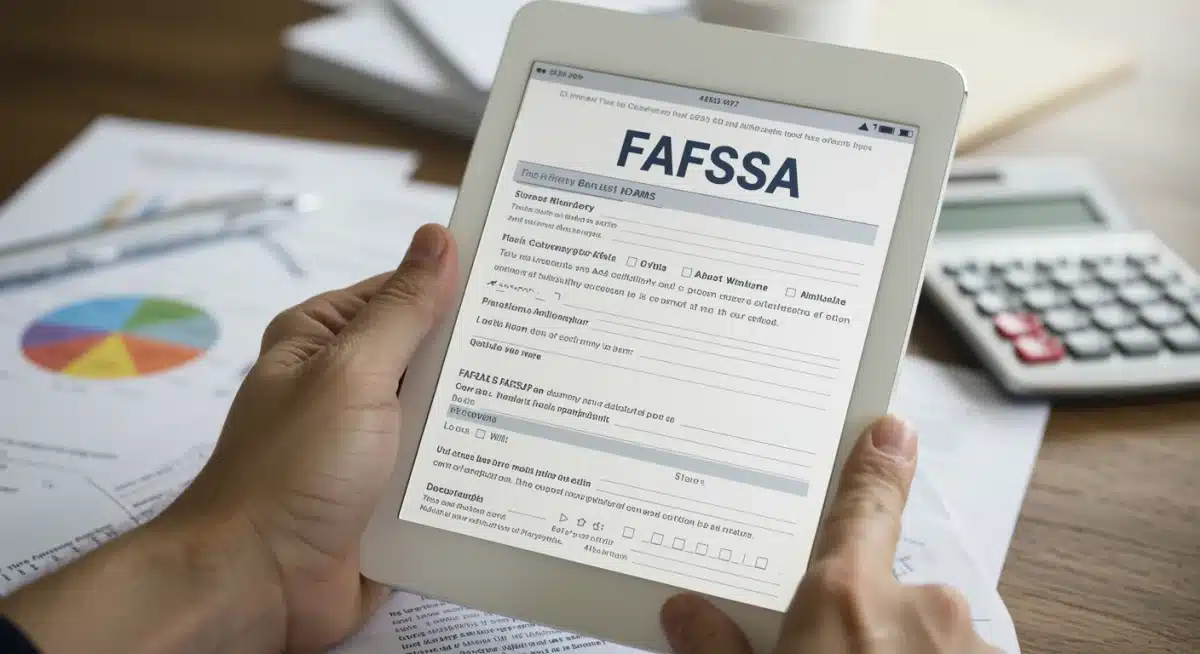
At the heart of the changes to Pell Grant eligibility 2026 is the FAFSA Simplification Act. Enacted to simplify the Free Application for Federal Student Aid (FAFSA) and expand federal student aid eligibility, this act represents a significant overhaul of the financial aid system. While many of its provisions began phasing in for the 2024-2025 aid year, the full impact, particularly on Pell Grant eligibility, will be keenly felt by 2026.
From EFC to SAI: The Core Change
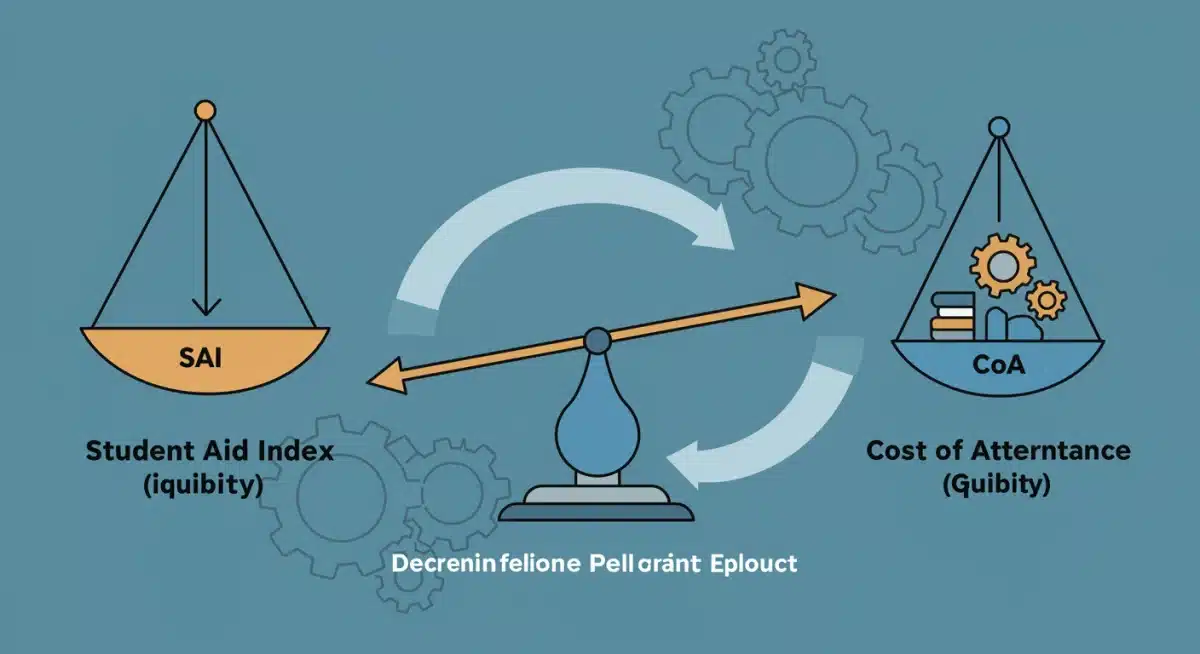
Perhaps the most significant change introduced by the FAFSA Simplification Act is the replacement of the Expected Family Contribution (EFC) with the Student Aid Index (SAI). The EFC was a measure of a student’s and their family’s financial strength and was used to determine eligibility for various federal student aid programs, including the Pell Grant. However, the EFC calculation was often criticized for its complexity and sometimes for not accurately reflecting a family’s true ability to pay for college.
The Student Aid Index (SAI) is designed to be a more equitable and transparent measure. Unlike the EFC, the SAI can be a negative number, ranging from -1500 to 999,999. A negative SAI indicates a higher level of financial need than the previous EFC system allowed for, potentially opening the door to Pell Grant eligibility for more students. The SAI calculation places a greater emphasis on a student’s (and their family’s, if applicable) Adjusted Gross Income (AGI) and incorporates different allowances for family size and poverty levels.
This shift directly impacts Pell Grant eligibility 2026. The maximum Pell Grant award will be tied to the federal poverty level, and students with an SAI of -1500 will automatically qualify for the maximum Pell Grant, assuming they meet other eligibility requirements. Furthermore, students whose family income falls below 175% of the federal poverty level (or 225% for single-parent households) will also automatically qualify for the maximum Pell Grant, regardless of other assets, simplifying the process for many low-income families.
Expanded Eligibility for Pell Grants
One of the primary goals of the FAFSA Simplification Act is to expand access to Pell Grants. The new calculation methodology, particularly the introduction of the SAI and the direct linkage to poverty levels, is expected to increase the number of students who qualify for a Pell Grant and, in many cases, increase the amount they receive. This is particularly beneficial for students from low-income backgrounds and those whose families have historically struggled to meet college costs.
For Pell Grant eligibility 2026, the changes also aim to simplify the process for certain populations. For instance, incarcerated students in federal or state penal facilities will regain eligibility for Pell Grants, a significant reversal of a ban that had been in place since 1994. Additionally, students who are victims of human trafficking, unaccompanied homeless youth, and those in foster care will find it easier to demonstrate their independent student status, which can significantly impact their SAI and Pell Grant eligibility.
Understanding the New Pell Grant Eligibility 2026 Calculations
To fully grasp Pell Grant eligibility 2026, it’s essential to understand how the SAI will be calculated and how it differs from the old EFC. While the FAFSA Simplification Act aims for simplicity, the underlying financial aid formulas can still appear complex. However, focusing on the key components will help you anticipate your eligibility.
Key Factors in SAI Calculation
- Adjusted Gross Income (AGI): This remains a primary determinant. The FAFSA will continue to use income information from two years prior to the aid year. For the 2026-2027 aid year, this means your 2024 tax information will be used.
- Family Size: The new FAFSA will pull family size directly from federal tax returns, which is a departure from the previous method where applicants manually reported family size. This streamlines the process but also means applicants must ensure their tax information accurately reflects their household.
- Number of Students in College: Under the new rules, the number of family members attending college will no longer be a factor in the SAI calculation. This is a significant change from the EFC formula, which divided the EFC by the number of children in college. This means families with multiple children in college may see a higher SAI for each child, potentially reducing individual Pell Grant eligibility for those students compared to the old system.
- Assets: Assets (savings, investments, real estate beyond the primary residence) will still be considered, but the thresholds for exclusion have been raised, potentially benefiting more families.
- Poverty Levels: As mentioned, direct links to federal poverty levels will play a crucial role, particularly for automatic maximum Pell Grant qualification.
It’s important to note that the new SAI calculation aims to be more transparent. The Department of Education will provide resources and tools to help students and families understand their SAI and how it relates to their Pell Grant eligibility 2026. However, proactive understanding of these factors is always beneficial.
Automatic Maximum Pell Grant Eligibility
One of the most exciting aspects of the new Pell Grant eligibility 2026 framework is the provision for automatic maximum Pell Grant awards. Students will qualify for the maximum Pell Grant if:
- Their SAI is -1500.
- Their family’s Adjusted Gross Income (AGI) is below 175% of the federal poverty level (or 225% for single-parent households).
This automatic qualification significantly simplifies the process for many low-income students, ensuring they receive the maximum support available without needing to navigate complex calculations or asset reporting if their income falls within these thresholds. It’s a direct effort to ensure that the students most in need receive the most substantial aid.
Minimum Pell Grant Eligibility
The FAFSA Simplification Act also introduces a clearer pathway for minimum Pell Grant eligibility. Students whose SAI is higher than the maximum SAI for a full Pell Grant but still demonstrates need will be eligible for a minimum Pell Grant. The amount will be calculated based on the student’s SAI relative to the maximum Pell Grant amount, ensuring that more students receive some level of federal grant assistance.
Who Benefits Most from the New Pell Grant Eligibility 2026 Rules?
The changes to Pell Grant eligibility 2026 are designed to cast a wider net, benefiting several student populations:
- Low-Income Students: With the direct linkage to poverty levels and the potential for a negative SAI, many more low-income students are expected to qualify for Pell Grants, and a larger number will receive the maximum award.
- Single Parents: Single-parent households will benefit from a higher poverty level threshold (225% vs. 175%) for automatic maximum Pell Grant qualification, recognizing the unique financial challenges they face.
- Independent Students: The updated FAFSA simplifies the process for certain independent student categories, such as unaccompanied homeless youth and those in foster care, making it easier for them to access aid.
- Incarcerated Individuals: The reinstatement of Pell Grant eligibility for incarcerated students opens up educational opportunities for a population that has long been excluded from this vital aid.
While the goal is broader access, some families, particularly those with multiple children simultaneously attending college, might find that their total Pell Grant eligibility across all children is reduced compared to the previous EFC system, as the ‘number in college’ factor has been removed from the SAI calculation. It’s crucial for these families to understand the new rules and plan accordingly.
Preparing for the New FAFSA and Pell Grant Eligibility 2026
Navigating the new system requires preparation. Here are key steps to ensure you’re ready for Pell Grant eligibility 2026:
1. Stay Informed About FAFSA Updates
The FAFSA Simplification Act has led to a redesigned FAFSA form. While many of the changes were implemented for the 2024-2025 aid year, it’s crucial to stay updated on any further tweaks or guidance from the Department of Education for subsequent years, particularly for the 2026-2027 cycle. Visit the Federal Student Aid website regularly for the latest information.
2. Understand Your Role in the FAFSA
The new FAFSA introduces the concept of a ‘contributor’ – anyone required to provide information on the FAFSA (student, spouse, parent(s), stepparent). All contributors will need an FSA ID to access and sign the FAFSA. Ensure all necessary contributors have their FSA IDs created and verified well in advance of the application period.
3. Gather Necessary Documents Early
For Pell Grant eligibility 2026 (for the 2026-2027 academic year), you will need your 2024 tax information. This includes:
- Federal income tax returns (IRS Form 1040)
- W-2 forms and other records of income earned
- Records of untaxed income
- Information on assets (cash, savings, checking accounts, investments, and real estate)
While the FAFSA will primarily use the IRS Direct Data Exchange (DDX) to automatically import tax information, having your documents handy for verification or manual entry if needed is advisable.
4. Pay Attention to Deadlines
FAFSA deadlines remain critical. There are federal, state, and college-specific deadlines. Missing a deadline could mean missing out on valuable aid, including Pell Grants. While the FAFSA typically opens in October, the redesigned FAFSA for 2024-2025 launched later in December 2023. Keep an eye on announcements for the 2026-2027 FAFSA opening date and subsequent deadlines.
5. Use Available Resources
The Department of Education, college financial aid offices, and various non-profit organizations offer extensive resources to help students and families complete the FAFSA and understand their eligibility. Don’t hesitate to seek help if you have questions about Pell Grant eligibility 2026 or the application process.
The Impact of SAI on Other Aid Programs
While our focus is on Pell Grant eligibility 2026, it’s important to remember that the SAI will also be used to determine eligibility for other federal student aid programs, including:
- Federal Supplemental Educational Opportunity Grants (FSEOG)
- Federal Work-Study
- Direct Subsidized Loans
Therefore, understanding your SAI is paramount not just for Pell Grants but for your entire federal financial aid package. A lower SAI generally translates to greater eligibility for need-based aid across the board.
Common Questions About Pell Grant Eligibility 2026
Will the maximum Pell Grant amount change?
The maximum Pell Grant amount is subject to annual appropriations by Congress. While the FAFSA Simplification Act changes how eligibility is determined, the actual maximum award can still fluctuate year to year. However, the new rules are designed to ensure that those with the greatest need receive the maximum eligible amount based on the updated criteria for Pell Grant eligibility 2026.
How will these changes affect students already receiving Pell Grants?
Current Pell Grant recipients will also be subject to the new SAI calculation when they reapply for aid for the 2026-2027 academic year. Some may see an increase in their award, while others might see a decrease, particularly those from families with multiple children in college. It’s crucial for all students to re-evaluate their eligibility under the new rules.
What if my financial situation changes after I submit the FAFSA?
If your financial situation significantly changes after you submit your FAFSA (e.g., job loss, medical expenses, divorce), you should contact your college’s financial aid office. They have the authority to make professional judgment adjustments to your SAI, which could potentially increase your Pell Grant eligibility. Provide documentation to support your claim.
Is there a limit to how many years I can receive a Pell Grant?
Yes, students can receive a Pell Grant for no more than 12 semesters or the equivalent (roughly six years of full-time enrollment). This limit is known as the Pell Grant Lifetime Eligibility Used (LEU). The new Pell Grant eligibility 2026 rules do not change this lifetime limit.
Beyond the Pell Grant: Other Financial Aid Considerations
While the Pell Grant is a vital source of funding, it’s just one piece of the financial aid puzzle. As you plan for higher education in 2026 and beyond, consider these other options:
- Scholarships: Seek out scholarships from your college, private organizations, and local community groups. Scholarships don’t need to be repaid and can significantly reduce your college costs.
- State Grants: Many states offer their own grant programs based on financial need or academic merit. Check with your state’s higher education agency for details.
- Institutional Aid: Colleges and universities often have their own grant and scholarship programs. Be sure to complete any additional financial aid forms required by your institution.
- Federal Student Loans: While grants are preferable, federal student loans offer low interest rates and flexible repayment options. Understand the difference between subsidized and unsubsidized loans.
- Work-Study Programs: Federal Work-Study allows students to earn money through part-time jobs on or off campus to help pay for educational expenses.
The goal is to create a comprehensive financial aid strategy that combines grants, scholarships, and potentially loans and work-study to cover the Cost of Attendance (CoA) at your chosen institution. Understanding your Pell Grant eligibility 2026 is the first crucial step in building this strategy.
Conclusion: Navigating the Future of Pell Grant Eligibility 2026
The changes to Pell Grant eligibility 2026, driven by the FAFSA Simplification Act, mark a significant evolution in federal student aid. While the transition from EFC to SAI and the new calculation methodologies may seem daunting, these reforms are largely aimed at expanding access to higher education for those who need it most. By increasing the number of eligible students and providing clearer pathways to maximum awards, the Pell Grant program is poised to continue its crucial role in supporting college access.
For students and families, the key to success lies in proactive engagement and thorough understanding. Stay informed about the latest updates from the Department of Education, complete your FAFSA accurately and on time, and leverage all available resources. Understanding your Student Aid Index (SAI) and how it impacts your Pell Grant eligibility 2026 will empower you to make informed decisions about your educational future.
Higher education is an investment, and the Pell Grant remains a powerful tool to make that investment more attainable. By preparing now for the 2026 changes, you can maximize your chances of securing the financial support you need to achieve your academic aspirations. The future of financial aid is here, and with the right knowledge, you can navigate it with confidence.