New Consumer Protection Laws in 2025: Protecting Your Rights

New Consumer Protection Laws in 2025 aim to enhance consumer rights and offer stronger safeguards against fraudulent practices, encompassing areas like data privacy, online transactions, and product safety, thus ensuring a fairer marketplace for all.
Navigating the marketplace can be tricky, but upcoming changes are set to empower consumers like never before. The New Consumer Protection Laws in 2025: What You Need to Know to Safeguard Your Rights are designed to give you greater control and security in your transactions.
Understanding the Need for Updated Consumer Protection
Consumer protection laws are essential for maintaining a fair and transparent marketplace. They protect individuals from deceptive business practices, unsafe products, and unfair contract terms. As technology evolves and new business models emerge, these laws must adapt to address emerging threats and ensure consumers remain adequately protected.
The updates slated for 2025 are a direct response to the evolving landscape of commerce and the increasing need for stronger consumer safeguards.
The Digital Age and Consumer Vulnerabilities
The rise of e-commerce and online services has created new vulnerabilities for consumers. Online scams, data breaches, and misleading advertising have become increasingly prevalent. These new challenges necessitate stronger legal frameworks to protect consumers in the digital realm.
Key Areas Addressed by the New Laws
- Data Privacy: Protecting personal information from unauthorized access and misuse.
- Online Transactions: Ensuring secure and transparent online shopping experiences.
- Product Safety: Establishing stricter standards for product safety and liability.
- Financial Transactions: Regulating financial services to prevent predatory lending and fraud.
These updated laws aim to build a safer and more trustworthy marketplace for all consumers. By understanding the need for these changes, consumers can better appreciate the protections they offer and advocate for their rights.
Key Provisions of the New Consumer Protection Laws
The New Consumer Protection Laws in 2025 are packed with crucial provisions designed to empower and protect consumers. By understanding these key aspects, you can be better prepared to assert your rights and navigate the marketplace with confidence.
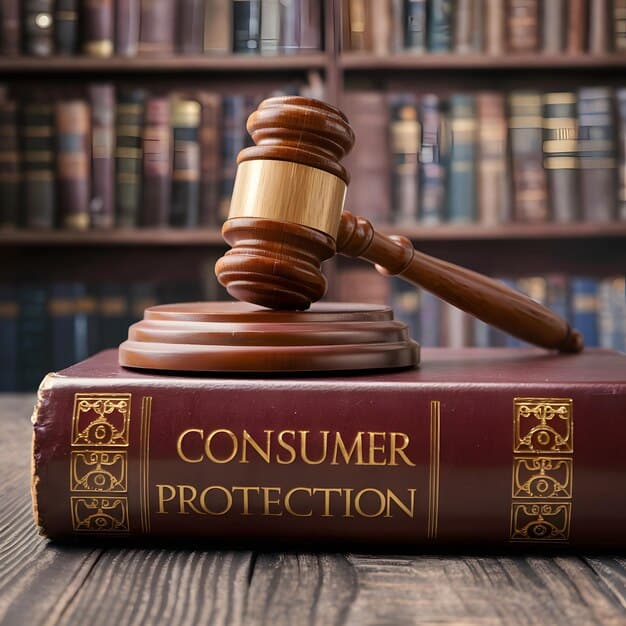
Enhanced Data Privacy Measures
Data privacy is at the forefront of these new laws. Consumers will have greater control over their personal information, including the right to access, correct, and delete their data. Companies will be required to obtain explicit consent before collecting and using consumer data.
These measures aim to increase transparency and prevent the misuse of personal information.
Strengthened Online Transaction Protections
The new laws introduce stricter rules for online transactions, including enhanced security protocols and clearer terms and conditions. Consumers will have more protection against fraudulent practices and deceptive advertising. Online marketplaces will also be held accountable for the products and services sold on their platforms.
- Secure Payment Gateways: Requiring online retailers to use secure payment processing systems.
- Transparent Pricing: Ensuring that all costs and fees are clearly disclosed before purchase.
- Easy Returns and Refunds: Simplifying the process for returning products and receiving refunds.
By strengthening these protections, the new laws aim to create a safer and more trustworthy online shopping experience.
Impact on Businesses and Compliance Requirements
The New Consumer Protection Laws in 2025 will have a significant impact on businesses, requiring them to adapt their practices to comply with the new regulations. Understanding these compliance requirements is crucial for businesses to avoid penalties and maintain consumer trust.
New Obligations for Businesses
Businesses will face new obligations related to data privacy, online transactions, and product safety. They will need to implement new policies and procedures to ensure compliance with the updated laws. Failure to comply could result in hefty fines and damage to their reputation.
Data Protection Compliance
Companies will need to obtain explicit consent from consumers before collecting and using their personal data. They will also need to implement robust data security measures to protect against data breaches and unauthorized access. Regular data protection audits will be required to ensure compliance.
Compliance also means giving consumers clear and straightforward ways to access, correct, and delete their data.
Steps Businesses Can Take to Prepare
- Conduct a Compliance Audit: Identify areas where current practices do not meet the new legal requirements.
- Update Privacy Policies: Revise privacy policies to reflect the new data privacy requirements.
- Train Employees: Provide training to employees on the new consumer protection laws.
Preparing for these changes proactively can save businesses from potential legal troubles and build a stronger relationship with consumers based on trust and transparency.
How the New Laws Affect Specific Industries
The New Consumer Protection Laws in 2025 will have varying degrees of impact on different industries, depending on the nature of their operations and the types of products and services they offer. Here’s a look at how these laws will affect specific sectors.
E-commerce and Online Retail
The e-commerce sector will be heavily impacted by the new laws, particularly the provisions related to online transaction protections and data privacy. Online retailers will need to enhance their security protocols to protect against fraudulent activities and data breaches. They will also need to provide clearer terms and conditions and simplify the process for returns and refunds.
These changes will likely result in higher operating costs for some businesses, but they will also lead to increased consumer confidence and loyalty.
Financial Services
The financial services industry will face stricter regulations related to lending practices and consumer disclosures. The new laws aim to prevent predatory lending and protect consumers from unfair fees and charges. Financial institutions will need to provide clearer and more transparent information about their products and services.
Healthcare Services
- Data Portability: Allowing patients to easily transfer their medical records to other providers.
- Transparency in Billing: Ensuring that patients receive clear and accurate bills for their healthcare services.
- Protection Against Fraud: Safeguarding patients from fraudulent healthcare schemes.
By implementing these changes, the new laws aim to create a more consumer-friendly healthcare system.
Consumer Rights and Recourse Options
Understanding your rights is the first step in protecting yourself under the New Consumer Protection Laws in 2025. These laws not only outline your entitlements but also provide clear recourse options if your rights are violated.
Key Consumer Rights
Under the new laws, you have the right to data privacy, secure online transactions, and safe products. Specifically, this includes the right to know what data is being collected about you, the right to secure payment processing during online purchases, and the right to products that meet established safety standards.
These rights are designed to empower you and ensure fair treatment in the marketplace.
Steps to Take If Your Rights Are Violated
If you believe your consumer rights have been violated, there are several steps you can take to seek recourse. First, contact the business involved and attempt to resolve the issue directly. Document all communications, including dates, times, and the names of individuals you spoke with.
Available Legal Remedies
- Small Claims Court: A venue for resolving disputes involving smaller sums of money.
- Mediation and Arbitration: Alternative dispute resolution methods that can help you reach a settlement without going to court.
- Class Action Lawsuits: Lawsuits filed on behalf of a group of consumers who have been harmed by the same business practice.
Being aware of these legal remedies can provide you with the tools you need to protect your rights and seek justice when necessary.
Staying Informed and Proactive
Staying informed and proactive is crucial for protecting your rights under the New Consumer Protection Laws in 2025. By keeping up-to-date with the latest developments and taking proactive steps to safeguard your interests, you can navigate the marketplace with confidence.
Resources for Staying Informed
Several resources can help you stay informed about the new consumer protection laws. Government agencies, consumer advocacy groups, and legal websites provide valuable information and updates. Subscribing to newsletters and following social media accounts dedicated to consumer rights can also keep you in the loop.
Regularly checking these resources will ensure you are aware of any changes or updates to the laws.
Tips for Proactive Consumer Protection
In addition to staying informed, there are several proactive steps you can take to protect yourself. Always read the terms and conditions before making a purchase or signing a contract. Use secure payment methods when shopping online and be wary of unsolicited offers or scams.
- Read Reviews: Check online reviews and ratings before purchasing products or services.
- Stay Vigilant: Be cautious of scams and deceptive advertising.
- Protect Your Data: Use strong passwords and enable two-factor authentication to protect your personal information.
By being proactive and informed, you can minimize the risk of falling victim to unfair business practices and protect your consumer rights effectively.
| Key Point | Brief Description |
|---|---|
| 🛡️ Enhanced Data Privacy | Consumers gain more control over their personal data. |
| 🛒 Online Protections | Safer online transactions with clearer terms. |
| ✅ Business Compliance | Businesses must adapt to new data and safety rules. |
| ⚖️ Consumer Rights | Know your rights and how to seek recourse. |
Frequently Asked Questions
▼
The new laws primarily aim to protect consumers from digital threats, ensure transparent online transactions, and give individuals greater control over their personal data, setting higher standards for product safety.
▼
Online shopping will become safer through enhanced security protocols, clearer terms and conditions, and more transparent pricing. Consumers will also benefit from simplified return processes and better protection against fraud.
▼
Businesses are required to obtain explicit consent for data collection, implement robust data security measures, ensure transparent pricing, and train employees on the new consumer protection laws.
▼
If consumer rights are violated, the first step is to contact the business involved and attempt to resolve the issue. Document all communications and, if necessary, explore legal remedies like small claims court or mediation.
▼
Consumers can find more information from government agencies, consumer advocacy groups, and legal websites. Subscribing to newsletters and following social media accounts dedicated to consumer rights is also beneficial.
Conclusion
The New Consumer Protection Laws in 2025 represent a significant step forward in safeguarding consumer rights in an evolving marketplace. By understanding these laws, staying informed, and taking proactive measures, consumers can protect themselves and contribute to a fairer, more transparent economy.