New Airline Baggage Fee Rules: A 2024 Guide for Travelers

New rules for airline baggage fees are reshaping how passengers manage travel expenses, with increased scrutiny on hidden charges and a push for greater transparency, ensuring travelers are well-informed about potential costs before their next flight.
Navigating the world of airline baggage fees can often feel like deciphering a complex code. But with the latest changes and evolving regulations surrounding baggage costs, understanding your rights and options is more crucial than ever. This article breaks down the new rules for airline baggage fees: what you need to know before your next flight, helping you travel smarter and avoid unexpected expenses.
Understanding the Evolving Landscape of Airline Baggage Fees
The airline industry has increasingly relied on baggage fees as a significant revenue stream. These fees, which were once rare, have become a standard part of the flying experience. As these charges continue to evolve, it is crucial to understand the factors influencing these changes and how they impact travelers.
Historical Context of Baggage Fees
Historically, checked baggage was typically included in the price of an airline ticket. However, in the early 2000s, airlines, particularly in the United States, began unbundling services to offer lower base fares. This shift led to the introduction of fees for various services, including checked baggage. The initial rationale was to provide passengers with more flexibility and control over their travel costs. Over time, these fees have become a substantial source of revenue for airlines.
Factors Influencing Fee Structures
Several factors influence how airlines structure their baggage fees. Competition among airlines is a primary driver, as carriers often adjust their fees to align with or undercut their rivals. Fuel costs, labor expenses, and overall operational costs also play a significant role. Regulatory changes and consumer demand for transparency can further impact fee structures, pushing airlines to be more forthcoming about potential charges.
- Competition: Airlines monitor each other’s fees closely and adjust accordingly.
- Operational Costs: Fuel, labor, and maintenance expenses influence pricing decisions.
- Regulations: Government regulations regarding transparency and consumer protection affect how fees are disclosed.
In conclusion, understanding the history and factors influencing airline baggage fees is essential for travelers. Being aware of these dynamics can help passengers anticipate changes and make informed decisions about their travel plans.
Breaking Down the New Rules and Regulations
Recent changes in regulations and airline policies are aimed at providing greater transparency and consumer protection regarding baggage fees. These rules seek to clarify what airlines can charge for baggage and how they must disclose these fees to passengers.
DOT’s Stance on Transparency
The U.S. Department of Transportation (DOT) has been increasingly focused on ensuring that airlines provide clear and upfront information about all potential fees, including those for baggage. The DOT’s stance is that passengers should not be surprised by unexpected charges at any point during the booking or travel process. This emphasis on transparency is intended to empower consumers to make informed choices and compare costs effectively.
Key Provisions of the New Rules
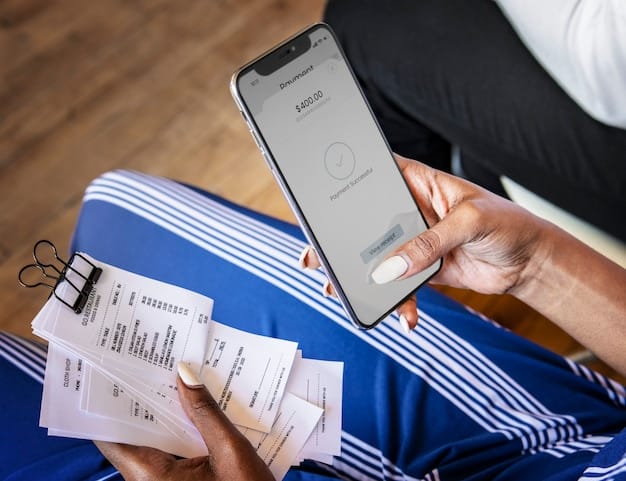
The new rules include several key provisions. Airlines are now required to disclose baggage fees prominently during the booking process, ensuring that passengers see these charges before completing their purchase. Additionally, airlines must provide information on how baggage fees apply to different ticket types and destinations. Some regulations also stipulate that airlines must refund baggage fees if a passenger’s luggage is lost or significantly delayed.
- Fee Disclosure: Airlines must prominently display baggage fees during booking.
- Fee Applicability: Clear information on how fees vary by ticket type and destination is required.
- Refund Policies: Guidelines for refunding baggage fees in cases of loss or delay are being strengthened.
In conclusion, the new rules and regulations aim to create a more transparent and consumer-friendly environment in the airline industry. By understanding these provisions, passengers can better protect their rights and avoid unexpected costs.
Hidden Baggage Fees and How to Avoid Them
Despite increased transparency, many travelers are still caught off guard by hidden baggage fees. These fees can arise from a variety of situations, such as exceeding weight or size limits, or failing to comply with specific airline policies.
Understanding Common Fee Triggers
One of the most common triggers for unexpected baggage fees is exceeding the weight or size limits set by the airline. Most airlines have specific restrictions on the dimensions and weight of both checked and carry-on baggage. Another common issue is failing to comply with the airline’s specific baggage policies, such as restrictions on the number of bags allowed or special requirements for certain types of items.
Strategies for Avoiding Unexpected Costs
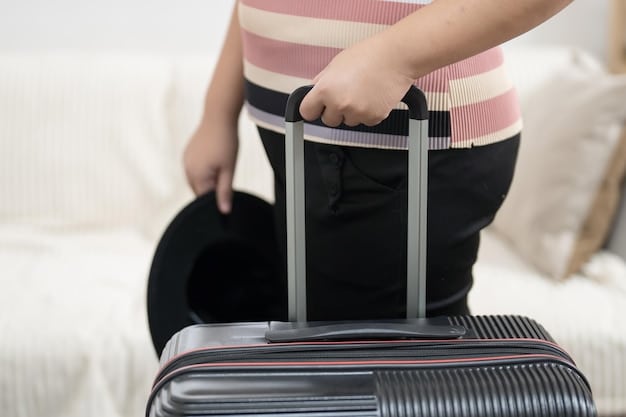
To avoid hidden baggage fees, travelers should take several proactive steps. First, always check the airline’s baggage policy before packing. Pay close attention to weight and size limits, as well as any specific requirements for your destination. Consider using a luggage scale to weigh your bags at home and ensure they meet the airline’s requirements. Finally, consider shipping items ahead of your trip.
- Check Airline Policy: Review baggage rules before packing.
- Weigh Your Bags: Use a luggage scale to ensure compliance.
- Consider Shipping: Ship items ahead to avoid excess baggage.
In conclusion, by understanding the common triggers for hidden baggage fees and taking the necessary precautions, travelers can significantly reduce the risk of incurring unexpected costs.
Comparing Baggage Fees Across Major Airlines
Baggage fees can vary significantly across different airlines. Understanding these differences is crucial for budget-conscious travelers looking to minimize their overall travel expenses. By comparing the fees of major airlines, passengers can make informed decisions about which carrier offers the best value for their needs.
Fee Structures of Different Airlines
Each airline has its own unique fee structure for baggage. Some airlines offer lower base fares but charge higher fees for checked baggage, while others include one or more checked bags in the ticket price. Certain airlines also offer discounts or waivers for baggage fees to passengers who are members of their frequent flyer programs or who hold certain credit cards.
Tips for Finding the Best Deals
To find the best deals on baggage fees, travelers should compare the total cost of their trip, including all potential fees, across different airlines. Use online tools and resources to compare baggage fees and other charges. Consider signing up for airline loyalty programs or using credit cards that offer baggage fee waivers.
Examples of Airline Policies
- Southwest Airlines: Known for its policy of including two checked bags for free.
- Budget Airlines: Often entice customers with lower fares and make up the difference on baggage.
- Loyalty Programs: Offering baggage waivers to consumers.
In conclusion, comparing baggage fees across major airlines is an essential step in planning a cost-effective trip. By understanding the different fee structures and taking advantage of available discounts and waivers, travelers can save money and make informed choices.
Rights as a Passenger: Delayed, Lost, or Damaged Baggage
Passengers have certain rights when it comes to delayed, lost, or damaged baggage. Understanding these rights can help travelers navigate the process of filing a claim and seeking compensation from the airline.
Airline Liability for Baggage
Airlines are generally liable for baggage that is delayed, lost, or damaged while in their care. However, there are limits to this liability, and airlines may not be responsible for certain types of damage or loss. It is important to understand the extent of the airline’s liability and the steps required to file a claim.
Steps to Take If Your Baggage Is Affected
If your baggage is delayed, lost, or damaged, take immediate action. Report the incident to the airline as soon as possible and file a written claim. Keep copies of all documentation, including your baggage claim tag and any receipts for expenses incurred as a result of the delay or loss and be persistent.
- Report Incident: Notify the airline immediately.
- File Written Claim: Provide details and documentation.
- Keep Documentation: Retain copies of all relevant documents.
In conclusion, knowing your rights as a passenger and taking prompt action are crucial for resolving issues related to delayed, lost, or damaged baggage. Passengers can maximize their chances of receiving appropriate compensation by understanding the airline’s liability and following the proper procedures for filing a claim.
Tips for Packing Light and Avoiding Baggage Fees Altogether
One of the most effective ways to avoid baggage fees is to pack light and travel with only a carry-on bag. This approach not only saves money but also provides greater convenience and flexibility during your trip.
Essential Packing Strategies
Packing light requires careful planning and strategic decision-making. Start by making a list of essential items and eliminating anything unnecessary. Choose versatile clothing items that can be mixed and matched to create multiple outfits. Utilize packing cubes and other organizational tools to maximize space.
Maximizing Carry-On Allowance
To make the most of your carry-on allowance, understand the size and weight restrictions imposed by the airline. Take advantage of personal item allowances, such as a backpack or laptop bag, to carry additional items. Wear your heaviest shoes and clothing to reduce weight in your bag.
- Plan Ahead: Make a packing list and eliminate unnecessary items.
- Choose Versatile Clothing: Select items that can be mixed and matched.
- Maximize Space: Use packing cubes and organizational tools.
In conclusion, packing light and traveling with only a carry-on bag is a smart strategy for saving money and simplifying your travel experience. By following these tips, travelers can avoid airline baggage fees altogether.
| Key Point | Brief Description |
|---|---|
| 💰 New Fee Rules | Increased transparency and refund options for delayed bags. |
| ⚖️ Passenger Rights | Airline liability for lost or delayed baggage with set limits. |
| 🧳 Packing Light | Strategies to minimize baggage and avoid fees altogether. |
| ✈️ Airline Comparison | Fees vary widely; compare before booking to save money. |
Frequently Asked Questions (FAQ)
▼
Airlines must now clearly display all baggage fees during the booking process, including fees for both carry-on and checked baggage. This ensures that passengers see all potential costs before completing their purchase.
▼
You are entitled to compensation for expenses incurred due to baggage delays, and airlines are liable for lost baggage up to a certain amount. File a claim immediately and keep all receipts.
▼
Pack light and adhere to carry-on size restrictions, weigh baggage before heading to the airport, or consider shipping goods ahead of time for a cheaper alternative on smaller airlines.
▼
Some airlines offer waivers with airline credit cards, frequent flyer status, or offer free baggage on international tickets. Always check the offerings as a part of the airline.
▼
Visit the airline’s official website. Baggage fees are typically under the “Baggage” section or can be found on your itenerary after already purchasing a ticket.
Conclusion
Staying informed about the new rules for airline baggage fees is essential for a stress-free travel experience. By understanding these rules, comparing fees across airlines, and packing strategically, you can avoid unexpected costs and enjoy your journey without financial surprises.