LIHEAP 2026: Secure Up to $700 in Heating and Cooling Assistance Before Winter Deadlines
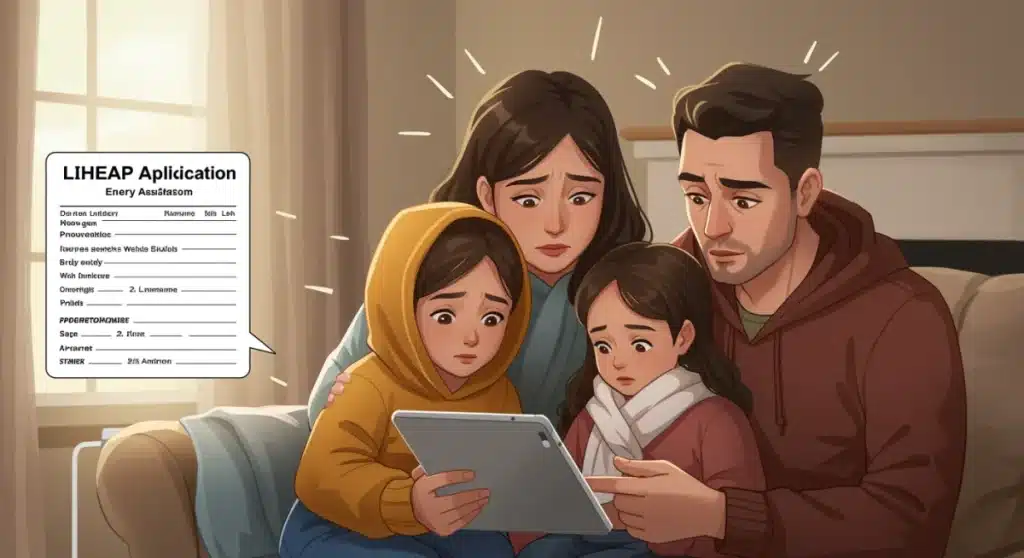
As the chill of winter approaches and the sweltering heat of summer becomes a distant, yet familiar, memory, the burden of energy costs weighs heavily on countless households across the United States. For many, keeping the lights on, the home warm, or the air conditioning running is a constant struggle, often forcing difficult choices between essential needs. This is where the Low Income Home Energy Assistance Program (LIHEAP) steps in, offering a vital lifeline to those in need. Specifically, for the upcoming program year, understanding and securing LIHEAP 2026 assistance is paramount for eligible families and individuals.
The LIHEAP program is a federally funded initiative designed to help low-income households with their home energy bills. It can provide assistance for heating, cooling, weatherization, and energy-related minor home repairs. With potential aid reaching up to $700 or more, depending on your state and specific circumstances, LIHEAP 2026 assistance could be the difference between comfort and hardship. But to access this crucial support, you need to be informed, prepared, and, most importantly, aware of the deadlines. This comprehensive guide will walk you through everything you need to know about LIHEAP 2026, ensuring you have the best chance to secure the assistance you deserve.
Understanding LIHEAP 2026 Assistance: What It Is and How It Helps
LIHEAP is not a one-size-fits-all program; rather, it’s a flexible federal block grant that allows states, territories, and Native American tribes to tailor their programs to best suit the needs of their local populations. This means that while the core goal remains consistent – helping low-income households with energy costs – the specific benefits, eligibility criteria, and application processes can vary significantly from one location to another. The upcoming LIHEAP 2026 program year will continue this tradition, making local information critical.
The primary objectives of LIHEAP include:
- Heating Assistance: Helping households pay their heating bills during the cold months. This is often the most widely recognized form of LIHEAP assistance.
- Cooling Assistance: Providing aid for air conditioning costs, particularly crucial for vulnerable populations in hot climates.
- Crisis Assistance: Offering immediate help to households facing energy crises, such as a utility shut-off notice or a broken heating/cooling system.
- Weatherization and Energy-Related Home Repairs: Funding improvements to make homes more energy-efficient, thereby reducing future energy bills. This can include insulation, furnace repair, or window sealing.
The financial relief offered by LIHEAP can significantly reduce the strain on household budgets, preventing utility shut-offs, ensuring a safe and healthy living environment, and freeing up funds for other necessities like food and medicine. For those struggling to make ends meet, LIHEAP 2026 assistance represents a beacon of hope.
Who is Eligible for LIHEAP 2026 Assistance? Key Eligibility Criteria
Eligibility for LIHEAP 2026 assistance is primarily based on income, household size, and sometimes the type of housing or energy burden you face. While specific thresholds can vary by state, the general guidelines are established at the federal level.
Income Requirements
To qualify for LIHEAP, your household income must typically be at or below 150% of the federal poverty level (FPL) or 60% of the state’s median income, whichever is greater. Some states may have slightly different thresholds, but this serves as a general benchmark. For example, if the FPL for a family of four is $30,000, 150% of that would be $45,000. It’s crucial to check the specific income guidelines for your state or territory, as these numbers are updated annually.
Household Size
The income threshold is adjusted based on the number of people living in your household. Larger households generally have higher income limits to qualify for LIHEAP 2026 assistance, recognizing their increased needs.
Other Potential Criteria
- Energy Burden: Some states prioritize households that spend a disproportionately high percentage of their income on energy costs.
- Vulnerable Populations: Households with elderly individuals (60 years or older), individuals with disabilities, or young children (under 5 years old) often receive priority or special consideration due to their increased vulnerability to extreme temperatures.
- Proof of Residency: You will typically need to provide proof of residency in the state or territory where you are applying.
- Citizenship/Legal Residency: Applicants must be U.S. citizens, qualified aliens, or legal permanent residents.
It’s important to remember that even if you think you might be slightly above the income limit, it’s worth checking with your local LIHEAP office. Sometimes, specific deductions or circumstances can affect your eligibility. Don’t self-disqualify; always verify your eligibility directly with the program administrators.
How to Apply for LIHEAP 2026 Assistance: A Step-by-Step Guide
Applying for LIHEAP 2026 assistance requires careful attention to detail and timely submission. The process can seem daunting, but breaking it down into manageable steps makes it much easier.
Step 1: Find Your Local LIHEAP Office
The first and most critical step is to identify where to apply. LIHEAP is administered at the state level, usually through state agencies, local community action agencies, or non-profit organizations. You can find your local LIHEAP office by visiting the Office of Community Services (OCS) website, which is part of the Administration for Children and Families (ACF) within the U.S. Department of Health and Human Services (HHS). This site provides a state-by-state directory.
Step 2: Gather Required Documents
Before you even begin the application, collect all necessary documentation. This will streamline the process and prevent delays. While requirements can vary, common documents include:
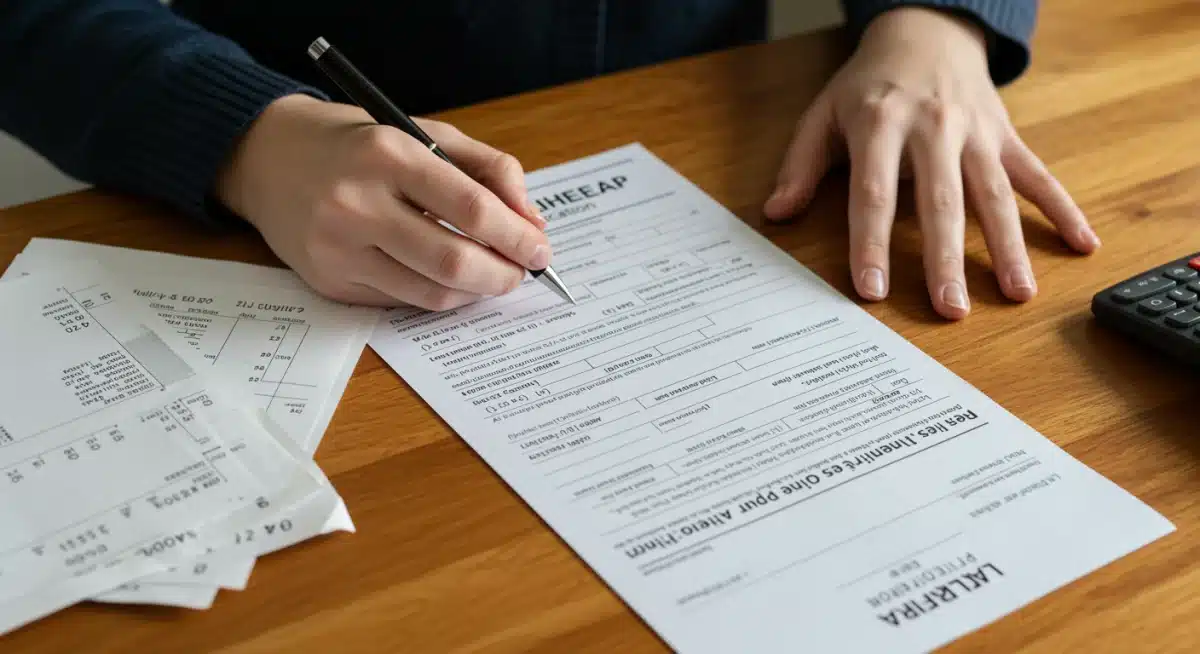
- Proof of Income: Pay stubs, Social Security benefit letters, unemployment compensation statements, disability payments, or tax returns for all household members.
- Proof of Identity: Driver’s license, state ID, or birth certificates for all household members.
- Proof of Residency: A utility bill, lease agreement, or other official mail showing your current address.
- Utility Bills: Copies of your most recent heating and/or cooling bills. If your utilities are included in your rent, you might need a letter from your landlord.
- Social Security Numbers: For all household members.
Make sure to have both original documents and copies, as some offices may require copies for their records.
Step 3: Complete the Application Form
Once you have your documents, obtain the application form from your local LIHEAP office or their website. Fill it out completely and accurately. Do not leave any sections blank; if a section doesn’t apply to you, write ‘N/A’ (not applicable). Incomplete applications are a common reason for delays or denials.
Step 4: Submit Your Application
Submit your completed application and all supporting documents. Most offices offer several submission methods:
- In-person: This allows you to ask questions and ensure all documents are received.
- Mail: If mailing, consider sending it via certified mail with a return receipt to confirm delivery.
- Online: Many states now offer online application portals, which can be convenient and efficient.
- Fax or Email: Some offices may accept these methods, but always confirm first.
Keep a copy of your submitted application and all documents for your records.
Step 5: Follow Up
After submission, it’s a good idea to follow up with your local office within a few weeks to confirm receipt and inquire about the processing timeline. Be patient, as processing times can vary, especially during peak application periods. If additional information is requested, provide it promptly to avoid further delays.
Crucial Winter Deadlines for LIHEAP 2026 Assistance
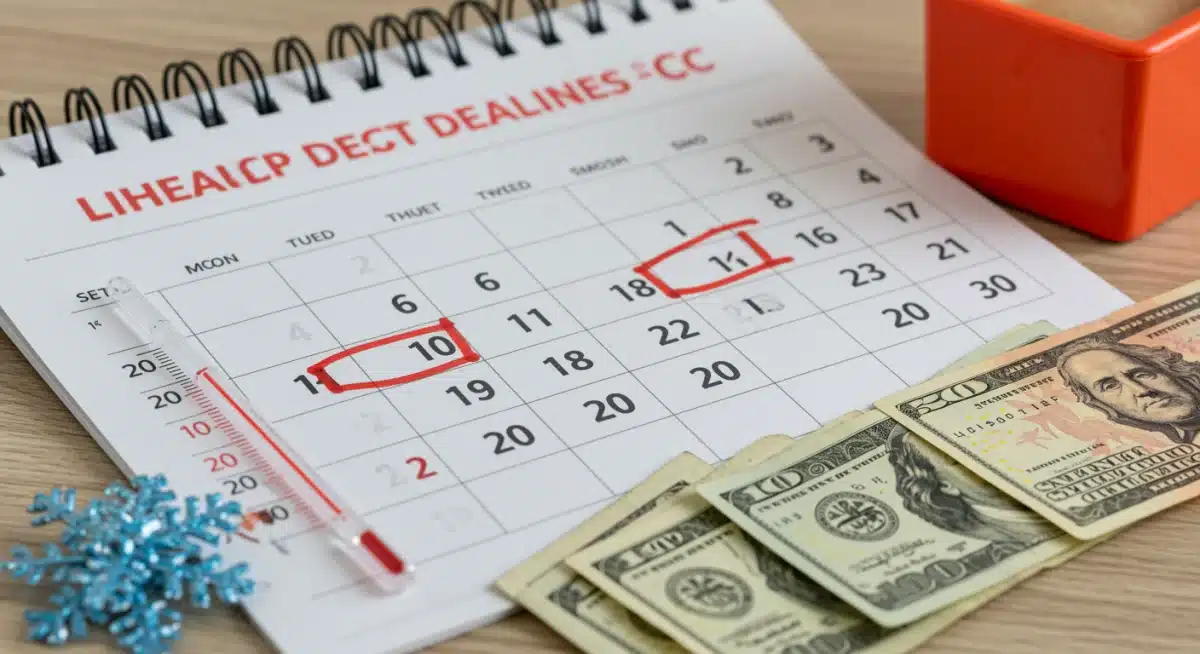
Understanding and adhering to deadlines is perhaps the most critical aspect of securing LIHEAP 2026 assistance. Deadlines are not uniform across the country; they are set by individual states and often vary based on the type of assistance (heating, cooling, crisis) and the funding cycle.
General Timelines to Expect
- Heating Assistance: Applications for heating assistance typically open in the fall (e.g., September or October) and may run through the winter months, often closing in March or April. However, funds are limited, and some states operate on a first-come, first-served basis, meaning funds can be exhausted before the official closing date.
- Cooling Assistance: Cooling assistance programs usually open in the spring or early summer (e.g., May or June) and may close by August or September. Again, early application is highly recommended.
- Crisis Assistance: Crisis assistance is often available year-round or during specific periods when the need is highest (e.g., peak winter or summer). These applications are usually processed more quickly due to the urgent nature of the need.
Why Deadlines Matter
Missing a deadline can mean missing out on vital assistance for an entire season. Even if funds haven’t run out, late applications may not be processed in time to prevent a shut-off or to provide relief during the coldest or hottest periods. Therefore, proactive planning is essential.
How to Find Your State’s Specific Deadlines
The best way to find precise deadlines for LIHEAP 2026 assistance in your area is to:
- Contact Your Local LIHEAP Office: This is the most reliable source of information. Their staff can provide current dates and any specific requirements for your region.
- Visit Your State’s Official LIHEAP Website: Many states maintain dedicated websites for their LIHEAP programs, which include up-to-date information on application periods and deadlines.
- Check Community Action Agencies: These local organizations are often at the forefront of LIHEAP outreach and can provide valuable information and assistance with the application process.
Mark these dates on your calendar and set reminders! Early application not only increases your chances of receiving assistance but also provides peace of mind.
Maximizing Your LIHEAP 2026 Benefits: Tips and Strategies
While LIHEAP 2026 assistance provides a crucial safety net, there are ways to ensure you get the most out of the program and manage your energy costs effectively.
Apply Early
As mentioned, applying as soon as the application window opens is critical. This helps ensure your application is reviewed before funds are depleted and gives you ample time to address any potential issues or requests for additional information.
Keep Accurate Records
Maintain a well-organized file of all your income statements, utility bills, and correspondence with the LIHEAP office. This will be invaluable if you need to appeal a decision, reapply, or simply track your assistance.
Explore Other Energy Assistance Programs
LIHEAP is often one piece of a larger puzzle. Many states and utility companies offer additional programs that can complement LIHEAP 2026 assistance. These might include:
- Utility Company Programs: Many utility providers have their own low-income assistance programs, payment plans, or energy efficiency rebates.
- State-Specific Programs: Beyond LIHEAP, states may have other energy assistance or weatherization initiatives.
- Charitable Organizations: Local charities and non-profits often provide emergency financial aid for utility bills.
Inquire about these options when you contact your local LIHEAP office or utility provider.
Practice Energy Conservation
While financial assistance is vital, reducing your overall energy consumption can also significantly lower your bills. Simple energy-saving tips include:
- Sealing drafts around windows and doors.
- Adjusting your thermostat – a few degrees lower in winter and higher in summer can make a big difference.
- Using energy-efficient lighting and appliances.
- Unplugging electronics when not in use.
- Taking shorter, cooler showers.
Combining LIHEAP 2026 assistance with smart energy conservation strategies provides the most comprehensive approach to managing your home energy costs.
Understand Your Bill
Take the time to understand the different charges on your utility bill. Knowing how much you pay for consumption, delivery, and other fees can help you identify areas where you might save money or understand why your bill is higher than expected.
Beyond the Application: What Happens After You Apply for LIHEAP 2026?
Once you’ve submitted your application for LIHEAP 2026 assistance, the waiting period begins. Here’s what you can generally expect:
Application Review
Your local LIHEAP office will review your application and supporting documents to verify your eligibility. This process can take several weeks, especially during peak application times.
Notification of Decision
You will receive a notification, usually by mail, informing you whether your application has been approved or denied. If approved, the notification will detail the amount of assistance you will receive and how it will be disbursed. If denied, the letter should explain the reason for the denial and provide information on how to appeal the decision.
Disbursement of Funds
LIHEAP funds are typically not paid directly to the applicant. Instead, the assistance amount is usually paid directly to your utility company or energy vendor on your behalf. This ensures the funds are used specifically for energy costs. In some cases, if you use a non-utility heating source (like oil or propane), a check might be issued to the vendor. For crisis assistance, funds may be disbursed more quickly to prevent immediate shut-offs.
Appealing a Denial
If your application for LIHEAP 2026 assistance is denied and you believe the decision was made in error, you have the right to appeal. The denial letter should outline the appeal process, including deadlines and contact information. Be prepared to provide additional documentation or clarification to support your case during the appeal.
The Impact of LIHEAP 2026 Assistance on Communities
The Low Income Home Energy Assistance Program isn’t just about individual households; it has a profound impact on the well-being and stability of entire communities. By alleviating energy poverty, LIHEAP 2026 assistance contributes to:
- Improved Public Health: Preventing exposure to extreme temperatures reduces the incidence of cold-related illnesses (like hypothermia) in winter and heat-related illnesses (like heatstroke) in summer, especially among the elderly, young children, and those with chronic health conditions.
- Enhanced Child Development: Children in homes with stable heating and cooling are better able to focus on their studies, get adequate rest, and maintain good health, leading to better educational outcomes.
- Economic Stability: When families don’t have to choose between paying for energy and other necessities, they have more disposable income for food, medicine, and other essential goods and services, which can stimulate local economies.
- Reduced Stress and Mental Health Benefits: The constant worry of utility bills can cause significant stress. LIHEAP assistance provides peace of mind, contributing to better mental health for vulnerable populations.
- Community Resilience: By supporting the most vulnerable, LIHEAP helps build stronger, more resilient communities that are better equipped to handle economic downturns and environmental challenges.
The continued funding and effective administration of programs like LIHEAP are therefore crucial for fostering healthier, more stable societies.
Future Outlook and Advocating for LIHEAP Funding
As we look towards LIHEAP 2026 and beyond, the need for this program remains as critical as ever. Energy costs can be volatile, influenced by global markets, environmental factors, and infrastructure demands. Climate change also brings more extreme weather events, making reliable heating and cooling even more essential for health and safety.
Advocacy plays a vital role in ensuring LIHEAP continues to receive adequate funding from Congress. Individuals and organizations can support LIHEAP by:
- Contacting Elected Officials: Share personal stories about the impact of LIHEAP and urge your representatives to support robust funding for the program.
- Supporting Advocacy Groups: Contribute to or volunteer with organizations that champion low-income energy assistance.
- Raising Awareness: Help spread the word about LIHEAP to eligible individuals and communities, ensuring that those who need assistance know how to access it.
Ensuring the long-term viability of LIHEAP is a shared responsibility, and every voice counts in advocating for this indispensable program.
Conclusion: Don’t Miss Out on LIHEAP 2026 Assistance
The Low Income Home Energy Assistance Program (LIHEAP) is a critical resource for millions of Americans struggling with the high cost of heating and cooling their homes. For the LIHEAP 2026 program year, potential assistance of up to $700 or more can provide significant relief, preventing utility shut-offs and ensuring a safe, comfortable living environment.
To successfully secure LIHEAP 2026 assistance, remember these key takeaways:
- Verify Eligibility: Check your state’s specific income and household size requirements.
- Gather Documents: Prepare all necessary proof of income, identity, and utility bills in advance.
- Apply Early: Submit your application as soon as the window opens to avoid missing out on limited funds.
- Know Your Deadlines: Crucial winter and summer deadlines vary by state; find and mark them on your calendar.
- Follow Up: Stay in communication with your local LIHEAP office regarding your application status.
Don’t let the complex nature of government programs deter you. Take the initiative, gather your information, and reach out to your local LIHEAP office today. Your proactive efforts can lead to substantial savings and peace of mind, ensuring your home remains warm in winter and cool in summer. LIHEAP 2026 assistance is there to help; make sure you claim what you are entitled to.