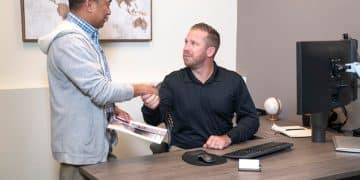
Job interview preparation: master your interview techniques

Job interview preparation involves understanding common questions, crafting your personal brand, and implementing effective follow-up strategies to enhance your chances of success in securing the desired position.
Job interview preparation is crucial for anyone looking to make a great impression. It’s not just about having the right experience; it’s also about knowing how to showcase your skills effectively. Have you thought about what makes you stand out? Let’s dive into some key strategies that can transform your interview experience.
Understanding the interview process
Understanding the interview process can greatly enhance your chances of success. It’s essential to know what to expect and how to prepare. The process usually involves several stages, each with specific goals to help employers find the right candidate.
Stages of the Interview Process
Typically, the interview process includes:
- Pre-screening: This initial step helps employers narrow down applicants based on resumes and cover letters.
- Phone interviews: A quick call to assess your communication skills and fit for the role.
- In-person interviews: A more in-depth discussion of your experience and skills, often with behavioral questions.
- Follow-up interviews: To further evaluate candidates who stand out.
Each stage serves a purpose, guiding both the candidate and the employer. During a phone interview, for example, focus on clear communication, as this is your chance to make a strong first impression. Remember that body language matters too, especially in face-to-face settings. It conveys your confidence and engagement.
Preparing for Each Stage
Researching the company can help you understand what they value. This knowledge can guide your responses during interviews. Ensure you have examples ready to highlight your achievements that relate to the job. Additionally, consider common interview questions that may arise. Practicing your answers can help boost your confidence and delivery.
Successful candidates often prepare for the unexpected as well. Be ready to ask thoughtful questions that demonstrate your interest. This shows the employer that you are engaged and serious about the opportunity. In summary, understanding the interview process means being prepared for every stage and knowing how to navigate each one effectively. Whether it’s the preliminary phone call or a final meeting, preparation can make a significant difference.
Common interview questions and how to answer them

When preparing for interviews, understanding common interview questions is crucial. These questions help employers gauge your skills and fit for the role. It’s beneficial to know what they might ask and how to respond effectively.
Typical Questions You Might Encounter
Here are some typical questions:
- Tell me about yourself: This is often an icebreaker. Keep it brief and focus on job-related experiences.
- What are your strengths and weaknesses? Highlight your strengths that align with the position and mention a weakness you are working on.
- Why do you want to work here? Research the company’s values and culture to tailor an honest response.
- Describe a challenge you faced: Use the STAR method (Situation, Task, Action, Result) to present your answer.
Answering these questions successfully showcases your preparedness. For example, when discussing your strengths, provide specific examples demonstrating those skills in action. Employers appreciate when candidates can illustrate their claims with real-life situations.
Tips for Answering Effectively
Practicing your responses can build confidence. Rehearse with a friend or in front of a mirror. This helps refine your delivery and makes you sound more natural. Also, remember to listen carefully and respond to follow-up questions. Engage with the interviewer to make a stronger connection.
Additionally, tailoring your answers for each interview shows employers that you are genuinely interested. Conduct research about the company beforehand, which can help you align your answers with their mission and goals. This not only prepares you for common questions but also demonstrates your commitment to the role.
Preparing your personal brand
Preparing your personal brand is essential in today’s competitive job market. It helps you present yourself in a way that aligns with your career goals. Understanding how to effectively showcase your skills and values can make a significant difference.
Defining Your Brand
Your personal brand is what makes you unique. Take time to identify your strengths, passions, and what you want to communicate. Think about the qualities that set you apart from others. Consider writing down these attributes to clarify your brand identity. Defining your personal brand will guide how you present yourself to potential employers.
- Know your audience: Understanding the industry or role you are targeting can help tailor your brand.
- Highlight your accomplishments: Share specific examples of success that reflect your strengths.
- Be authentic: Authenticity builds trust. Share your true self in your messaging.
Along with defining your brand, it’s crucial to portray it consistently across platforms. This means having a unified presence on your resume, LinkedIn, and any personal website. Consistency will help reinforce your brand to those who encounter it.
Building Your Online Presence
Today, much of your personal brand exists online. Creating a professional profile on platforms like LinkedIn is key. Ensure your profile is complete, with a high-quality photo, a compelling summary, and details about your experience. Engaging with your network and sharing relevant content can also enhance your visibility.
Additionally, consider creating a personal website to showcase your portfolio. This can act as a central hub for your professional work. A website allows you to present your achievements and skills in a structured format. It provides potential employers a deeper insight into your capabilities while demonstrating your initiative to create a self-brand.
Remember that your personal brand evolves over time. As you gain new experiences and skills, don’t hesitate to update your brand to reflect these changes. This ongoing process keeps your professional image fresh and relevant in a changing job market.
Follow-up strategies after the interview
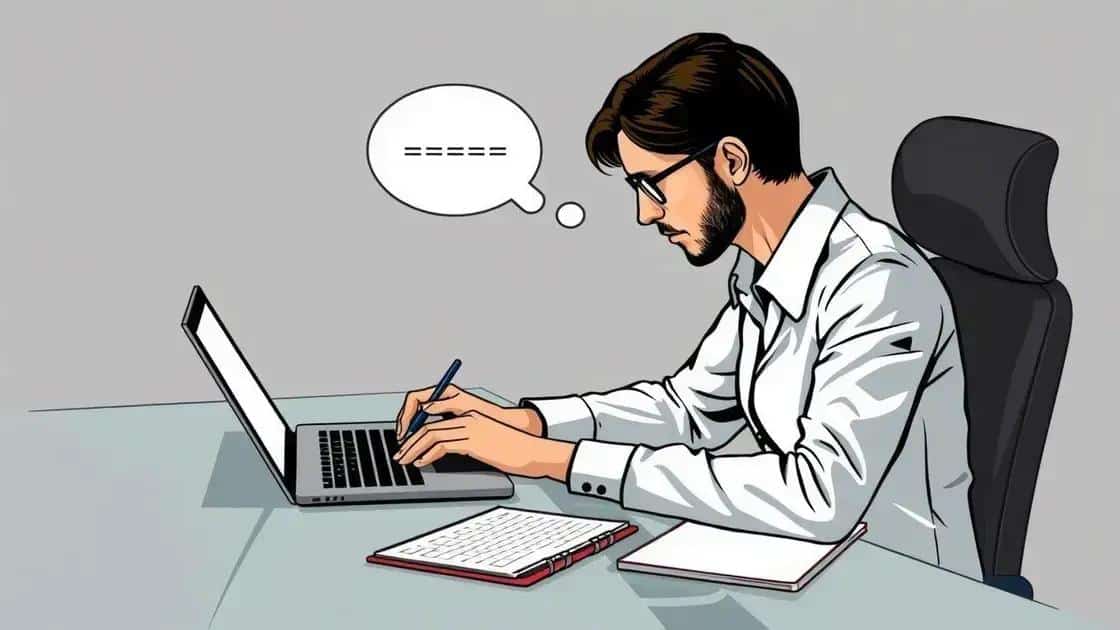
Following up after an interview is a crucial step in the job search process. It not only shows your interest in the position but also reinforces your professionalism. Understanding effective follow-up strategies can set you apart from other candidates.
Why Follow-Up Matters
A thoughtful follow-up can make a lasting impression on your interviewer. It demonstrates that you appreciate the opportunity and are eager to contribute to the company. Ignoring this step may give the impression that you are not genuinely interested in the role.
- Express Gratitude: Thanking the interviewer for their time shows respect and appreciation.
- Reiterate Your Interest: Use the follow-up to reaffirm your enthusiasm for the position and the company.
- Address Any Concerns: If any doubts arose during the interview, this is a great time to clarify them.
After the interview, send a personalized thank-you email within 24 hours. In this message, reference specific points from your conversation to make it more meaningful. For example, you might mention a particular discussion about a project, showing that you were engaged and attentive.
Timing Your Follow-Up
The timing of your follow-up is essential. Sending your thank-you email promptly is vital, but you shouldn’t stop there. If you haven’t heard back within the timeframe discussed in the interview, it’s acceptable to check in again. Typically, waiting about one week after your initial follow-up is appropriate.
During your follow-up, you can express your continued interest and ask if there are any updates regarding the hiring process. Keeping your message concise and professional shows that you value their time while also indicating your eagerness.
Overall, remember to keep your follow-up communications positive and polite. Each interaction is an opportunity to highlight your enthusiasm and fit for the role, which can leave a lasting positive impression.
In conclusion, mastering the job interview process is about preparation and engagement. By understanding common interview questions, crafting your personal brand, and utilizing effective follow-up strategies, you can significantly improve your chances of success. Remember, every aspect of the interview process is an opportunity to showcase your strengths and build a positive impression. Stay authentic, be proactive, and don’t hesitate to seek feedback after each interview. With careful preparation and confidence, you can navigate the job market more effectively.
FAQ – Common Questions About Job Interview Preparation
How can I prepare for common interview questions?
Research typical questions and practice concise, confident answers. Focus on your strengths and relevant experiences.
What is personal branding and why is it important?
Personal branding is how you present yourself professionally. It’s essential for standing out in the job market and attracting opportunities.
When should I send a follow-up email after an interview?
Send your follow-up email within 24 hours after the interview to express gratitude and reiterate your interest in the position.
What should I include in my follow-up communication?
Express appreciation for the interview opportunity, summarize key points of your discussion, and reaffirm your enthusiasm for the role.