How to Write a Resume: Get Hired in 2025

Crafting a compelling resume is crucial for landing your dream job; learn proven strategies, including optimizing for applicant tracking systems and showcasing accomplishments, to write a resume that gets you hired in 2025.
Ready to land your dream job? Mastering the art of writing a resume is essential. Discover the proven strategies to how to write a resume that gets you hired: proven strategies for 2025 and stand out from the competition.
Resume Writing Essentials for 2025
In today’s competitive job market, your resume is often the first impression you make. Knowing how to craft a resume that effectively showcases your skills and experience is critical. Let’s dive into the fundamental elements that make a resume stand out.
Understanding Applicant Tracking Systems (ATS)
Many companies use ATS to filter resumes. Optimizing your resume for these systems is crucial to ensure it reaches human eyes.
Choosing the Right Resume Format
Selecting the appropriate format can highlight your strengths and tailor your resume to specific job requirements.
- Chronological: Best for showcasing career progression.
- Functional: Emphasizes skills over work history.
- Combination: Blends both skills and experience.
Remember, the goal is to make your resume easy to read and understand, both for humans and machines. Focus on clarity and relevance.
In conclusion, mastering the essentials of resume writing, including understanding ATS and choosing the right format, sets the foundation for a successful job search.
Highlighting Your Skills and Achievements
Merely listing your job duties won’t cut it. You need to showcase your skills and, more importantly, your achievements to demonstrate your value to potential employers. Let’s explore how to effectively highlight these aspects in your resume.
Quantifying Your Accomplishments
Using numbers and metrics to quantify your achievements makes them more impactful and credible.
Tailoring Skills to the Job Description
Carefully review the job description and tailor your skills section to match the required qualifications.

By quantifying your accomplishments and tailoring your skills, you transform your resume from a simple list of tasks into a compelling narrative of your capabilities and impact.
Crafting a Compelling Work Experience Section
Your work experience section is the heart of your resume. It’s where you demonstrate your professional journey and the value you’ve brought to previous employers. Let’s explore how to craft this section effectively.
Structure each entry with:
- Job Title
- Company Name
- Dates of Employment
- Brief Description of Responsibilities and Achievements
Using Action Verbs to Start Each Bullet Point
Action verbs make your descriptions more dynamic and engaging. Start each bullet point with a strong action verb, such as “managed,” “developed,” or “implemented.”
Focusing on Results, Not Just Responsibilities
Instead of simply listing your responsibilities, focus on the results you achieved. How did your actions benefit the company?
By using action verbs and focusing on results, you transform your work experience section into a powerful testament to your skills and accomplishments.
The Importance of a Strong Summary or Objective
Your resume’s summary or objective statement is your chance to make a strong first impression. It’s a brief introduction that highlights your skills, experience, and career goals. Let’s examine how to craft an effective summary or objective statement.
A good summary or objective should be:
- Concise (2-3 sentences)
- Tailored to the specific job
- Focused on what you can offer the employer
Writing a Compelling Summary Statement
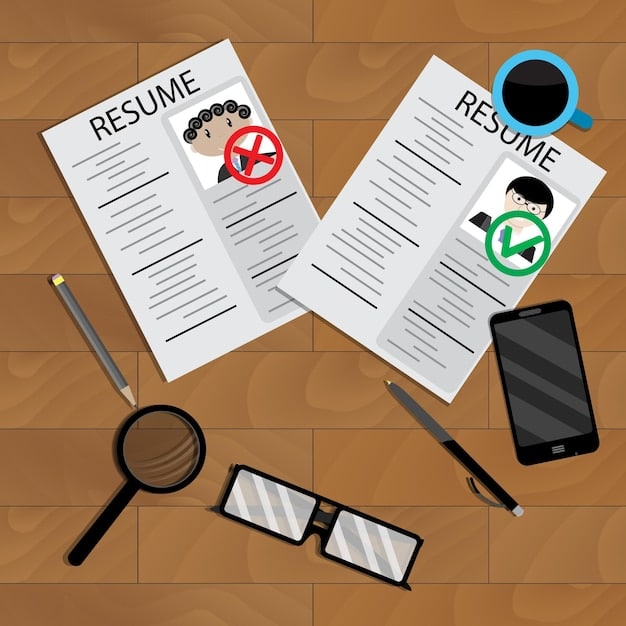
A summary statement is best for experienced professionals. It highlights your key skills and accomplishments, providing a snapshot of your career.
Crafting an Effective Objective Statement
An objective statement is suitable for recent graduates or those changing careers. It clearly states your career goals and how they align with the job.
Whether you choose a summary or an objective, make sure it’s well-written and tailored to the specific job you’re applying for. This is your chance to grab the reader’s attention and convince them to learn more.
Proofreading and Formatting for Success
No matter how impressive your skills and experience, a poorly formatted resume with typos can ruin your chances. Proofreading and formatting are crucial for presenting a professional and polished image.
Checking for Grammar and Spelling Errors
Carefully proofread your resume for any grammar and spelling errors. Use a grammar checker and ask a friend to review it as well.
Ensuring Consistent Formatting
Maintain consistent formatting throughout your resume, including font size, spacing, and bullet points.
By paying attention to proofreading and formatting, you ensure that your resume is not only informative but also visually appealing and error-free.
Tailoring Your Resume for Specific Jobs
One size doesn’t fit all when it comes to resumes. Tailoring your resume to each specific job is crucial for demonstrating your relevance and interest. Let’s explore how to effectively tailor your resume.
Tailoring requires:
- Carefully reviewing the job description
- Identifying the key skills and qualifications
- Highlighting your relevant experience and achievements
Customizing Your Skills Section
Adjust your skills section to match the required skills listed in the job description. Prioritize the most relevant skills.
Adjusting Your Work Experience Descriptions
Tailor your work experience descriptions to highlight the achievements and responsibilities that are most relevant to the specific job.
By tailoring your resume, you demonstrate that you’ve taken the time to understand the job requirements and that you possess the skills and experience necessary to succeed.
| Key Point | Brief Description |
|---|---|
| 🎯 ATS Optimization | Ensure your resume passes through Applicant Tracking Systems. |
| 📈 Quantify Achievements | Use numbers to show the impact of your work. |
| ✍️ Tailor Skills | Match skills to the job description requirements. |
| 🧐 Proofread | Eliminate errors and ensure consistent formatting. |
Frequently Asked Questions
▼
An ATS is software used by companies to manage the recruiting and hiring process. It scans resumes for keywords to filter candidates, so optimizing your resume for ATS is essential.
▼
The key sections of a resume typically include: contact information, summary or objective, work experience, education, and skills. Additional sections can include: certifications, awards, and volunteer experience.
▼
Ideally, your resume should be one to two pages long. Focus on presenting the most relevant and impactful information. For those with extensive experience, two pages are generally acceptable.
▼
It’s generally not necessary to include references directly on your resume. Instead, you can mention “References available upon request” or have a separate document ready if an employer asks for them.
▼
Choose a professional and easy-to-read font such as Arial, Calibri, Times New Roman, or Helvetica. Ensure the font size is between 10 and 12 points for readability.
Conclusion
By following these proven strategies, you can create a resume that effectively showcases your skills and experience, captures the attention of hiring managers, and increases your chances of landing your dream job in 2025. Remember to tailor your resume for each specific job, highlight your accomplishments with quantifiable results, and always proofread for errors. Good luck!