Highest Paying Trade Jobs in the US: A Comprehensive Guide
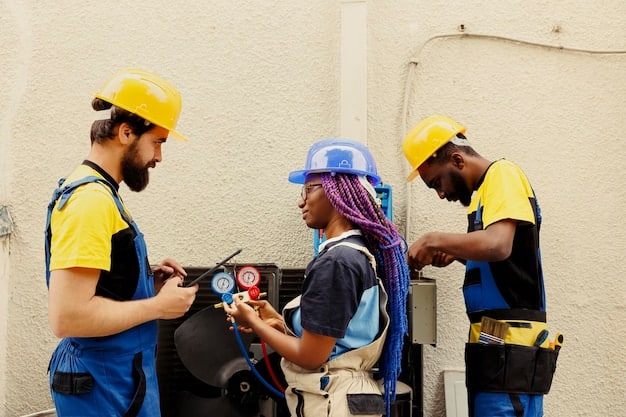
The highest paying trade jobs in the U.S. offer substantial earning potential and job security, often exceeding the income of many white-collar professions, while requiring specialized skills and training in fields like construction, mechanics, and technology.
Are you seeking a career path that offers both financial stability and hands-on work? This comprehensive overview explores what are the highest paying trade jobs in the US, providing valuable insights into various skilled trades and their earning potential.
Exploring the Landscape of Trade Jobs in the US
Trade jobs, also known as skilled trades, encompass a wide range of occupations that require specialized training and hands-on skills. These jobs are essential for maintaining and building the infrastructure of the United States. Understanding the scope and importance of these roles is the first step towards identifying lucrative career paths within the trades.
What Defines a Trade Job?
A trade job typically involves manual labor and requires technical skills learned through vocational training, apprenticeships, or on-the-job experience. Unlike traditional four-year college degrees, these professions often lead to quicker entry into the workforce and can provide competitive salaries.
Why Consider a Career in the Trades?
The trades offer numerous benefits, including job security, potential for high earnings, and the satisfaction of working with one’s hands. The demand for skilled tradespeople is consistently high, making it a reliable career choice.
- High Demand: The shortage of skilled workers drives up wages and creates ample job opportunities.
- Competitive Salaries: Many trade jobs offer salaries comparable to or higher than those of college-educated professionals.
- Hands-On Work: For those who enjoy practical, hands-on tasks, the trades provide a fulfilling career.
In conclusion, the landscape of trade jobs in the U.S. is diverse and promising. These jobs offer stability, competitive pay, and rewarding hands-on work, making them an attractive option for many individuals.
Electricians: Powering Up Your Career
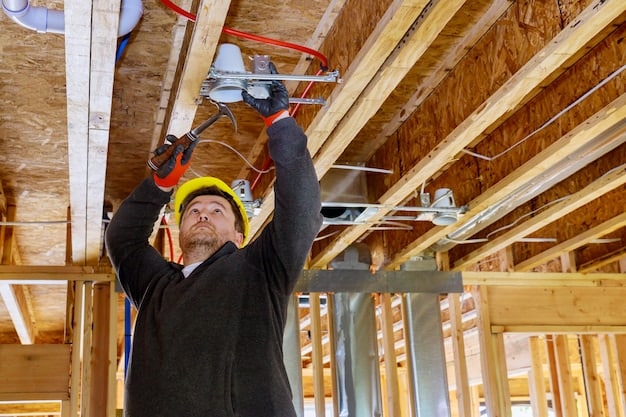
Electricians are responsible for installing, maintaining, and repairing electrical systems in residential, commercial, and industrial settings. Their expertise is crucial for ensuring the safe and efficient operation of electrical infrastructure. Let’s delve into the world of electricians and their earning potential.
The Role of an Electrician
Electricians work with wiring, fixtures, and other electrical components. They interpret blueprints, troubleshoot electrical problems, and ensure compliance with safety codes. Their work is both physically demanding and intellectually stimulating.
Earning Potential for Electricians
The median annual wage for electricians is quite competitive, and experienced electricians can earn significantly more. Factors such as location, experience, and specialization influence earning potential.
- Median Annual Wage: The Bureau of Labor Statistics provides up-to-date salary information for electricians.
- Experience Matters: Experienced electricians often command higher hourly rates.
- Specialization: Electricians specializing in areas like high-voltage systems or renewable energy can earn even more.
In summary, a career as an electrician offers a stable and well-compensated path, with opportunities for advancement and specialization. Their essential role in maintaining electrical systems ensures a consistent demand for their skills.
Plumbers: Ensuring Water Flows and Systems Function
Plumbers install and repair water and drainage systems in residential, commercial, and industrial buildings. Their expertise is vital for public health and safety. Let’s explore the responsibilities and earning potential of plumbers.
What Plumbers Do
Plumbers work with pipes, fixtures, and plumbing systems. They install new systems, repair leaks, and ensure that water and waste are properly managed. Their job requires both technical knowledge and problem-solving skills.
Income Expectations for Plumbers
Plumbing can be a lucrative trade, especially for those with experience and specialized skills. The demand for plumbers remains steady due to the essential nature of their work.
The income of a plumber is influenced by various factors, including location, experience, and specialization. Plumbers who own their own business often have the potential to earn even more.
- Steady Demand: Plumbing services are always needed, ensuring job security.
- Business Ownership: Many plumbers eventually start their own businesses, increasing their earning potential.
- Specialization: Specializing in areas like gas fitting or commercial plumbing can lead to higher pay.
In conclusion, plumbing offers a reliable and potentially high-paying career path. The essential nature of their work and the opportunity for business ownership make it an attractive option for many.
HVAC Technicians: Heating, Cooling, and Ventilation Experts
HVAC technicians install, maintain, and repair heating, ventilation, and air conditioning systems. With increasing demand for energy-efficient and climate-controlled environments, HVAC technicians are highly sought after. Let’s examine their role and earning potential.
The Job of an HVAC Technician
HVAC technicians work on a variety of systems that regulate temperature and air quality in buildings. They troubleshoot problems, perform maintenance, and install new equipment. Their work is critical for ensuring comfort and energy efficiency.
Salary Insights for HVAC Technicians
The demand for HVAC technicians is projected to grow and the earning potential is significant, especially for those with advanced skills and certifications.

Geographic location, experience, and specialization play a key role in determining an HVAC technician’s salary. Those working in regions with extreme climates often earn more.
- Growing Demand: The need for HVAC systems is increasing, driving demand for technicians.
- Certifications: Obtaining certifications can lead to higher pay and more job opportunities.
- Regional Variations: Salaries vary depending on the cost of living and climate in different regions.
In summary, a career as an HVAC technician offers excellent prospects for job security and high earnings. The increasing demand for their expertise makes it a promising choice for those interested in the trades.
Construction Managers: Overseeing Building Projects
Construction managers plan, coordinate, and oversee construction projects from start to finish. Their role is crucial for ensuring that projects are completed on time and within budget. Let’s explore the responsibilities and financial rewards of this profession.
What Construction Managers Do
Construction managers work with architects, engineers, and contractors to manage all aspects of a construction project. They create schedules, manage budgets, and ensure that safety regulations are followed. Their leadership skills are essential for successful project completion.
Earning Potential for Construction Managers
Construction management is a well-compensated profession and the earning potential is high, especially for those with experience and a strong track record.
Experience, location, and the size and complexity of projects influence a construction manager’s salary. Those working on large-scale commercial projects typically earn more.
- High Responsibility: Construction managers handle significant responsibilities, which are reflected in their salaries.
- Experience is Key: Experienced managers are highly valued and can command higher salaries.
- Project Scale: The size and complexity of a project impact earning potential.
In conclusion, a career as a construction manager offers significant financial rewards and the opportunity to lead impactful projects. Their role is vital for the successful completion of construction endeavors.
Elevator Mechanics: Keeping Lifts Running Smoothly
Elevator mechanics install, maintain, and repair elevators, escalators, and other lifting devices. Their expertise ensures the safe and efficient operation of these essential systems, providing a stable and well paid income.
Responsibilities of Elevator Mechanics
Elevator mechanics work with complex mechanical and electrical systems. They troubleshoot problems, perform maintenance, and ensure that elevators and escalators meet safety standards. Their work requires both technical skills and attention to detail.
Compensation and Benefits
Elevator mechanics are among the highest-paid trade professionals, reflecting the specialized knowledge and skills required for the job.
Factors such as union membership, location, and experience impact an elevator mechanic’s salary. Those working in large cities with many high-rise buildings often earn more.
- Specialized Skills: The specialized nature of the job commands a premium salary.
- Union Membership: Union membership often leads to higher wages and better benefits.
- Urban Demand: Large cities with numerous elevators offer more job opportunities and higher pay.
In summary, a career as an elevator mechanic is not just a job, but a highly compensated profession that offers job security and excellent benefits.
Aircraft Mechanics: Ensuring Safe Skies
Aircraft mechanics, also known as aviation maintenance technicians (AMTs), inspect, maintain, and repair aircraft to ensure their safe operation. Their role is vital for the aviation industry. Below is a deeper dive into this profession.
The Role of Aircraft Mechanics
Aircraft mechanics work on engines, airframes, and other aircraft components. They follow strict regulations and use specialized tools to diagnose and repair problems. Their work is critical for passenger safety.
Salary Expectations for Aircraft Mechanics
Aircraft mechanics earn competitive salaries, reflecting the importance and technical nature of their work and the increasing demand.
Experience, certifications, and the type of aircraft they work on affect an aircraft mechanic’s salary. Those working on commercial jets typically earn more than those working on smaller aircraft.
- Critical Role: The importance of their work is reflected in their compensation.
- Certifications: Obtaining FAA certifications can lead to higher pay and more opportunities.
- Aircraft Type: Mechanics working on large commercial aircraft often earn more.
In conclusion, working as an aircraft mechanic offers a rewarding career path with job security and potential for high earnings. Their role is essential for ensuring the safety and reliability of air travel.
| Key Point | Brief Description |
|---|---|
| 🛠️ Skilled Trades | Essential jobs requiring specialized training. |
| 💰 Earning Potential | Trades often offer competitive salaries and job security. |
| 📈 High Demand | Skilled tradespeople are in high demand across the US. |
| ✈️ Aircraft Mechanics | Essential for ensuring the safety and reliability of air travel. |
What Are Common Entry-Level Requirements?
▼
Most trade jobs require a high school diploma or equivalent, followed by vocational training or an apprenticeship program. Some trades may require additional certifications or licenses.
▼
The length of training varies by trade. Apprenticeships typically last from three to five years, while vocational programs can be completed in as little as a few months to a year.
▼
Yes, many trade jobs involve physical labor, such as lifting heavy objects, working in various weather conditions, and standing for extended periods. Physical fitness is often necessary.
▼
Union membership often provides benefits such as higher wages, health insurance, retirement plans, and job security. Unions also advocate for better working conditions and safety standards for their members.
▼
Apprenticeship opportunities can be found through local trade unions, vocational schools, and online job boards. Government agencies and industry associations also offer resources for finding apprenticeships.
Conclusion
In conclusion, the highest paying trade jobs in the U.S. offer a promising path to financial stability and rewarding careers. By considering the factors discussed and exploring the various trades available, individuals can make informed decisions about their career paths and achieve success in the skilled trades.