Future Job Market: High-Growth Industries 2026

The Future Job Market: Industries Projecting 20%+ Growth by 2026
The global economy is a dynamic entity, constantly reshaped by technological advancements, societal shifts, and environmental imperatives. For individuals navigating their career paths and organizations strategizing their workforce development, understanding the trajectory of the future job market is paramount. As we look towards 2026, certain industries are not just growing, but are poised for explosive expansion, projecting over 20% growth in the next five years. This article delves into these high-growth sectors, offering insights into the opportunities they present and the skills required to thrive within them.
Understanding the Drivers of the Future Job Market
Before we pinpoint the specific industries, it’s crucial to grasp the underlying forces propelling this significant growth. The confluence of several mega-trends is creating an unprecedented demand for specialized skills and innovative solutions, thereby shaping the future job market. These drivers include:
- Technological Innovation: Artificial Intelligence (AI), Machine Learning (ML), automation, blockchain, and the Internet of Things (IoT) are not just buzzwords; they are foundational technologies transforming every facet of business and daily life. Their continued evolution and integration will create entirely new job categories and redefine existing ones.
- Demographic Shifts: An aging global population in many developed nations, coupled with a burgeoning youth population in others, presents unique challenges and opportunities. This impacts healthcare, elder care, education, and consumer goods industries.
- Globalization and Digitalization: The interconnectedness of global economies means that businesses operate on an international scale, requiring digital fluency and cross-cultural competencies. E-commerce, remote work, and digital communication platforms are now standard, further accelerating this trend.
- Sustainability and Green Initiatives: Growing awareness of climate change and environmental degradation is driving demand for sustainable solutions across all sectors. This ranges from renewable energy and waste management to eco-friendly product development and green infrastructure.
- Health and Wellness Focus: The pandemic underscored the critical importance of public health and individual well-being. This has fueled innovation in healthcare, biotechnology, mental health services, and personalized wellness solutions.
These drivers are not isolated; they interact and amplify each other, creating a complex yet exciting landscape for the future job market. Individuals and organizations that can adapt and innovate in response to these forces will be best positioned for success.
Top High-Growth Industries by 2026: A Deep Dive
Based on extensive research and current economic projections, several industries are expected to experience substantial growth, exceeding 20% by 2026. These sectors will be at the forefront of job creation and economic development.
1. Artificial Intelligence and Machine Learning (AI/ML)
The impact of AI and ML is already pervasive, from personalized recommendations to autonomous vehicles. This industry is not just about developing algorithms; it encompasses a vast ecosystem of data scientists, AI engineers, machine learning specialists, AI ethicists, and AI-driven product managers. The demand for professionals who can harness the power of AI to solve complex problems, automate processes, and create innovative products will continue to skyrocket. Companies across all sectors are investing heavily in AI capabilities, making this a central pillar of the future job market.
Key Roles: AI Engineer, Machine Learning Engineer, Data Scientist, Robotics Engineer, AI Ethicist, Natural Language Processing (NLP) Specialist.
Required Skills: Python, R, Java, C++, TensorFlow, PyTorch, Keras, data modeling, statistical analysis, deep learning, ethical AI principles, problem-solving.
2. Renewable Energy and Green Technologies
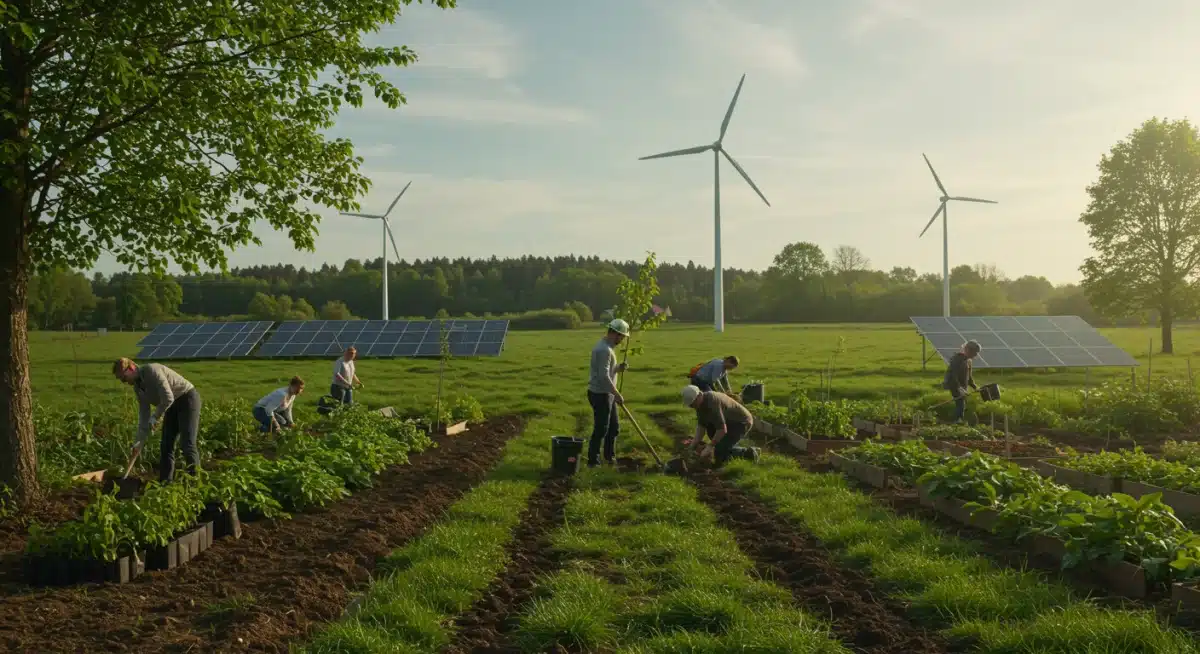
The global push towards decarbonization and sustainable development is transforming the energy sector. Renewable energy sources like solar, wind, and geothermal are becoming increasingly cost-effective and efficient. This industry’s growth isn’t limited to energy generation; it extends to energy storage solutions, smart grids, sustainable manufacturing, waste-to-energy technologies, and green building design. The need for professionals who can design, implement, and maintain these sustainable systems will be immense, making it a critical component of the future job market.
Key Roles: Renewable Energy Engineer, Environmental Scientist, Sustainability Consultant, Solar Panel Installer, Wind Turbine Technician, Energy Auditor, Green Building Specialist.
Required Skills: Engineering principles, environmental science, project management, regulatory compliance, data analysis, sustainable design, policy analysis.
3. Cybersecurity
As our world becomes more digitized, the threat of cyberattacks grows exponentially. Businesses, governments, and individuals are increasingly vulnerable to data breaches, ransomware, and other malicious activities. The cybersecurity industry is therefore in a perpetual state of rapid expansion, constantly evolving to counter new threats. This sector needs experts in network security, cloud security, ethical hacking, incident response, and security architecture. The demand for these professionals will remain exceptionally high as organizations prioritize digital resilience, solidifying its place in the future job market.
Key Roles: Cybersecurity Analyst, Security Engineer, Ethical Hacker, Incident Responder, Cloud Security Architect, Data Privacy Officer.
Required Skills: Network security protocols, ethical hacking, cryptography, risk assessment, incident response, cloud platforms (AWS, Azure, GCP), programming (Python, C++).

4. Biotechnology and Life Sciences
Breakthroughs in genetic engineering, personalized medicine, drug discovery, and bioinformatics are propelling the biotechnology and life sciences sector into an era of unprecedented growth. The ability to understand and manipulate biological systems at a molecular level is leading to revolutionary treatments and diagnostics. This industry requires a diverse talent pool, including research scientists, bioinformaticians, clinical trial specialists, and biomedical engineers. The ongoing quest for improved health outcomes and disease prevention will ensure this industry’s continued prominence in the future job market.
Key Roles: Research Scientist, Biotechnologist, Bioinformatician, Clinical Data Manager, Biomedical Engineer, Genetic Counselor.
Required Skills: Molecular biology, genetics, biochemistry, bioinformatics tools, statistical analysis, clinical research protocols, laboratory techniques.
5. Data Science and Analytics
In an age of big data, the ability to collect, process, analyze, and interpret vast amounts of information is a critical competitive advantage. Data science and analytics underpin almost every other high-growth industry, providing the insights needed for informed decision-making. From market trends to operational efficiencies, data professionals transform raw data into actionable intelligence. The demand for data scientists, data analysts, business intelligence developers, and data engineers will continue its upward trajectory, making this a foundational and rapidly expanding segment of the future job market.
Key Roles: Data Scientist, Data Analyst, Business Intelligence Developer, Data Engineer, Machine Learning Engineer (with data focus), Statistician.
Required Skills: SQL, Python, R, data visualization tools (Tableau, Power BI), statistical modeling, machine learning algorithms, big data technologies (Hadoop, Spark).
6. Healthcare Technology (HealthTech)
The convergence of healthcare and technology is creating a dynamic sector focused on improving patient care, streamlining operations, and enhancing accessibility. HealthTech includes telemedicine platforms, wearable health devices, electronic health records (EHR) systems, AI-powered diagnostics, and digital therapeutics. As populations age and healthcare demands evolve, the need for innovative technological solutions will drive significant growth in this industry. Professionals with expertise in both healthcare and technology will find abundant opportunities in the future job market.
Key Roles: Health Informatics Specialist, Medical Device Engineer, Telemedicine Coordinator, Digital Health Product Manager, Clinical Systems Analyst, AI in Healthcare Specialist.
Required Skills: Healthcare domain knowledge, software development, data privacy regulations (HIPAA), project management, UI/UX design, data analytics, cybersecurity in healthcare.
7. Electric Vehicles (EV) and Autonomous Driving
The automotive industry is undergoing a radical transformation driven by electric propulsion and autonomous capabilities. The shift from internal combustion engines to EVs is creating a whole new manufacturing ecosystem, from battery technology and charging infrastructure to specialized vehicle design and software development. Autonomous driving technology, while still maturing, promises to revolutionize transportation and logistics. This sector will require engineers, software developers, data scientists, and infrastructure specialists, making it a powerful force in the future job market.
Key Roles: EV Engineer, Battery Scientist, Autonomous Vehicle Software Engineer, Robotics Engineer, Charging Infrastructure Specialist, Automotive Cybersecurity Engineer.
Required Skills: Electrical engineering, mechanical engineering, software development (C++, Python), sensor technology, AI/ML, robotics, vehicle dynamics, cybersecurity.
8. Advanced Manufacturing and Robotics
Industry 4.0, characterized by smart factories, automation, and interconnected systems, is revitalizing the manufacturing sector. Advanced manufacturing leverages technologies like robotics, 3D printing, IoT, and AI to create more efficient, flexible, and customized production processes. This leads to a demand for robotics engineers, automation specialists, industrial IoT experts, and additive manufacturing technicians. The drive for increased productivity and innovation will ensure that advanced manufacturing remains a high-growth area in the future job market.
Key Roles: Robotics Engineer, Automation Engineer, Industrial IoT Specialist, Additive Manufacturing Engineer, Mechatronics Engineer, Supply Chain Optimization Specialist.
Required Skills: Robotics programming, automation systems (PLC, SCADA), IoT platforms, CAD/CAM software, materials science, supply chain management, data analytics.
Navigating the Future Job Market: Skills for Success
While specific technical skills are crucial for each high-growth industry, several overarching competencies will be indispensable across the entire future job market. Developing these skills will enhance adaptability and resilience in a rapidly changing professional landscape:
- Critical Thinking and Problem-Solving: The ability to analyze complex situations, identify root causes, and develop effective solutions is timeless and will only become more valuable as challenges become more intricate.
- Creativity and Innovation: As routine tasks become automated, human creativity—the ability to generate new ideas, approaches, and solutions—will be a key differentiator.
- Digital Literacy and Tech Fluency: A foundational understanding of technology, data, and digital tools is no longer optional but a basic requirement for most roles.
- Adaptability and Lifelong Learning: The pace of change means that skills can quickly become obsolete. A growth mindset and a commitment to continuous learning are essential for staying relevant.
- Emotional Intelligence and Collaboration: Working effectively in diverse teams, communicating clearly, and understanding interpersonal dynamics are vital for success in any collaborative environment.
- Data Literacy: Even if not a data scientist, understanding how data is collected, analyzed, and used to inform decisions is increasingly important for all professionals.
- Complex Communication: The ability to articulate complex technical information to non-technical audiences, or to convey nuanced ideas across diverse teams, is a highly sought-after skill.
Investing in these soft skills, alongside targeted technical training in the high-growth sectors, will provide a robust foundation for a successful career in the future job market.
Strategies for Career Planning in the Future Job Market
For individuals, proactive career planning is more important than ever. Here are actionable strategies to prepare for the evolving future job market:
- Identify Your Interests and Aptitudes: Aligning your passions with high-growth areas can lead to greater job satisfaction and career longevity. Consider what problems you enjoy solving and what kind of impact you want to make.
- Research In-Demand Skills: Look at job descriptions for roles in the high-growth industries mentioned. What specific technical and soft skills are consistently requested?
- Pursue Continuous Education: This could involve formal degrees, certifications, online courses (e.g., Coursera, edX, Udacity), bootcamps, or workshops. Many universities and tech companies offer specialized programs in AI, data science, cybersecurity, and renewable energy.
- Build a Strong Network: Connect with professionals in your target industries. Attend industry events, join professional organizations, and leverage platforms like LinkedIn. Networking can open doors to mentorship, internships, and job opportunities.
- Gain Practical Experience: Internships, apprenticeships, volunteer work, or personal projects can provide invaluable hands-on experience and demonstrate your capabilities to potential employers.
- Develop a Personal Brand: Cultivate an online presence that showcases your skills, projects, and expertise. This can include a professional website, a strong LinkedIn profile, and contributions to industry discussions.
- Embrace Cross-Disciplinary Learning: Many future roles will require a blend of skills from different domains. For example, a healthcare professional with data science skills or an engineer with a strong understanding of environmental policy will be highly valuable.
The Role of Organizations in Shaping the Future Job Market
Organizations also have a critical role to play in preparing for and shaping the future job market. This involves:
- Workforce Reskilling and Upskilling: Investing in training programs to equip current employees with the new skills required for evolving roles. This not only retains talent but also ensures the company remains competitive.
- Fostering a Culture of Learning: Creating an environment where continuous learning is encouraged and supported through dedicated resources, time allocation, and incentives.
- Strategic Talent Acquisition: Adapting recruitment strategies to attract talent with the in-demand skills, potentially looking beyond traditional qualifications to prioritize demonstrated ability and potential.
- Embracing Diversity and Inclusion: A diverse workforce brings a wider range of perspectives and experiences, fostering innovation and better problem-solving, which is crucial for navigating future challenges.
- Adopting Agile Methodologies: Implementing flexible and adaptive organizational structures that can quickly respond to technological advancements and market changes.
- Ethical Technology Deployment: Ensuring that new technologies, especially AI and automation, are implemented responsibly and ethically, with considerations for their societal and workforce impact.
By taking these proactive steps, businesses can ensure they have the talent and capabilities needed to thrive in the dynamic future job market.
Conclusion: A Future of Opportunity
The future job market, particularly looking towards 2026, is characterized by rapid technological advancement and a strong emphasis on sustainability and specialized expertise. Industries like AI/ML, Renewable Energy, Cybersecurity, Biotechnology, Data Science, HealthTech, EV/Autonomous Driving, and Advanced Manufacturing are poised for significant growth, creating a wealth of opportunities for those prepared to seize them.
While the landscape may seem daunting, it is fundamentally one of immense opportunity. By understanding the key drivers of change, identifying high-growth sectors, and proactively developing both technical and essential soft skills, individuals can strategically position themselves for success. For organizations, investing in their workforce’s development and fostering an adaptive culture will be crucial for competitive advantage.
The next five years will witness transformative changes in how we work, live, and interact with technology. Those who embrace lifelong learning and adaptability will not only survive but thrive, becoming the innovators and leaders of tomorrow’s future job market.