FTC Influencer Disclosure 2026: A Comprehensive Consumer Guide
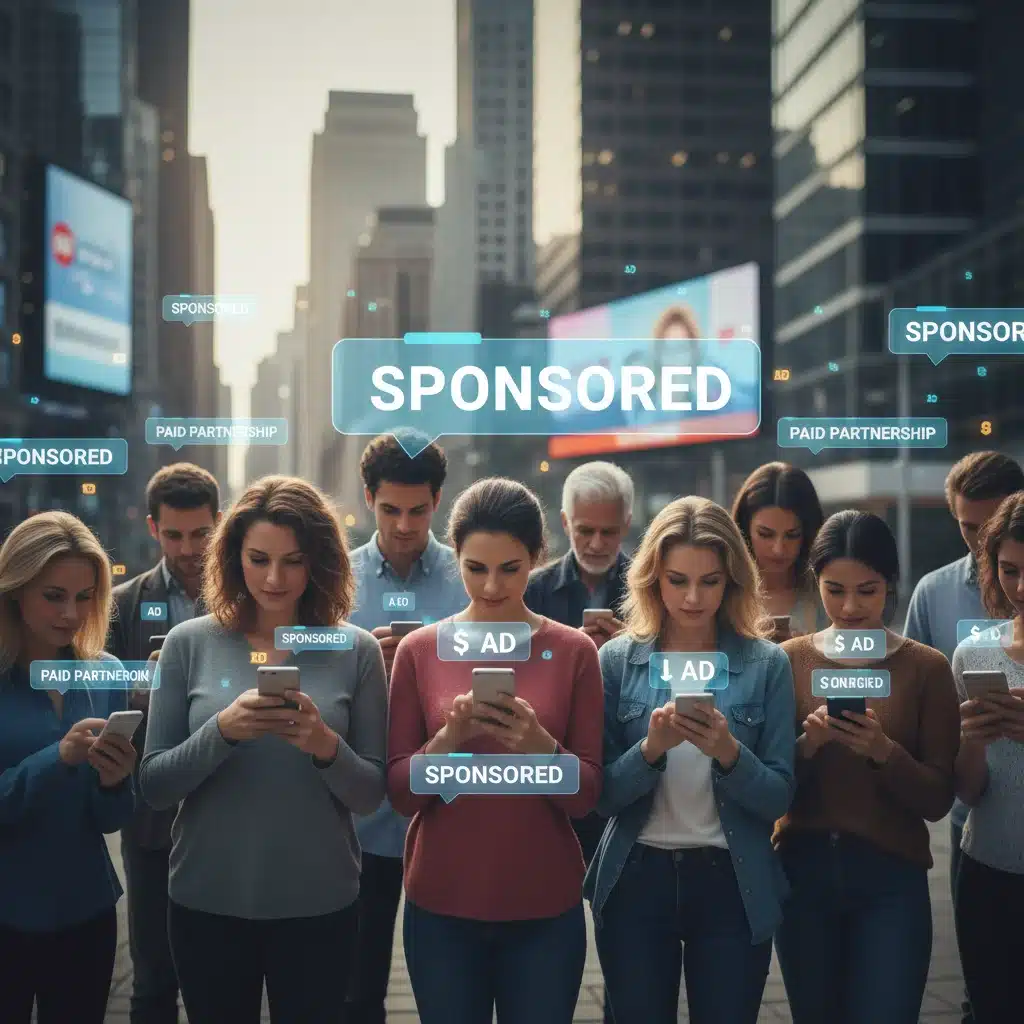
In the ever-evolving digital landscape, influencer marketing has become a dominant force, shaping consumer perceptions and purchasing decisions. From TikTok trends to Instagram hauls, content creators wield significant power. However, with great power comes great responsibility, especially when it comes to transparency. The Federal Trade Commission (FTC) plays a crucial role in ensuring that consumers are not misled by endorsements that appear to be organic but are, in fact, paid promotions. As we approach 2026, understanding the latest FTC Influencer Disclosure guidelines is more critical than ever for both creators and consumers.
This comprehensive guide is designed to empower consumers with the knowledge needed to navigate the complex world of influencer marketing. We’ll delve into the nuances of the FTC’s updated rules, what constitutes a proper disclosure, and how these regulations aim to foster a more transparent and trustworthy online environment. Whether you’re a casual social media user or a keen follower of your favorite creators, this information will help you identify sponsored content and make informed decisions.
The Shifting Sands of Digital Endorsements: Why FTC Guidelines Matter
The digital advertising ecosystem is a dynamic one, constantly adapting to new platforms, technologies, and consumer behaviors. What started with simple blog reviews has exploded into a multi-billion dollar industry spanning platforms like Instagram, YouTube, TikTok, Twitch, and countless others. Influencers, ranging from mega-celebrities to micro-creators, act as powerful conduits between brands and their target audiences. Their recommendations often carry significant weight, perceived as authentic and relatable. This perception, however, can be problematic if the underlying relationship between the influencer and the brand is not clearly communicated.
The FTC’s primary mission is to protect consumers from unfair and deceptive practices. In the context of influencer marketing, this means ensuring that consumers are aware when an endorsement is not simply a personal opinion but rather a paid advertisement or a product received for free. Without clear disclosures, consumers might mistakenly believe an influencer’s glowing review is purely organic, leading them to purchase products or services based on a potentially biased recommendation. This is where the FTC Influencer Disclosure rules step in, aiming to level the playing field and ensure honesty in advertising.
A Brief History of FTC Engagement with Influencer Marketing
The FTC’s journey into regulating digital endorsements began years ago, initially addressing traditional celebrity endorsements. As social media grew, so did the need for more specific guidance. The initial guidelines, often based on the "Guides Concerning the Use of Endorsements and Testimonials in Advertising," have been periodically updated to keep pace with technological advancements and new forms of digital communication. The 2026 considerations are a continuation of this effort, refining existing rules and introducing new interpretations to tackle emerging challenges in the influencer space.
These guidelines are not just suggestions; they carry legal weight. Influencers and brands that fail to comply can face significant penalties, including fines and legal action. This regulatory framework underscores the importance of transparency, not just as an ethical consideration but as a legal imperative in the digital age. For consumers, understanding these historical developments helps contextualize the current requirements and appreciate the FTC’s ongoing commitment to protecting their interests.
Understanding the Core Principles of FTC Influencer Disclosure for 2026
At its heart, the FTC Influencer Disclosure framework revolves around a few key principles: clarity, conspicuousness, and unambiguousness. These principles ensure that any material connection between an endorser and an advertiser is clearly communicated to the audience, enabling them to evaluate the endorsement’s credibility. Let’s break down what these principles mean in practice for 2026.
What Constitutes a "Material Connection"?
The FTC defines a "material connection" as any relationship that might affect the weight or credibility of an endorsement. This goes beyond just direct payment. It includes:
- Monetary Payments: The most obvious form, where an influencer is paid cash for a post.
- Free Products or Services: Receiving a product or service for free, even if there’s no explicit cash payment, constitutes a material connection. This includes gifts, samples, or experiences.
- Discounts or Store Credit: If an influencer receives a discount or store credit in exchange for a post.
- Affiliate Relationships: When an influencer earns a commission on sales made through their unique link or code.
- Employment Relationships: If the influencer works for the company they are endorsing.
- Family or Personal Relationships: If the influencer has a close personal or family relationship with someone involved with the brand.
- Other Benefits: Any other perks, such as exclusive access, travel, or opportunities that could influence their opinion.
The key takeaway for consumers is that if an influencer benefits in any way from promoting a product or service, that benefit must be disclosed. It’s not about prohibiting these connections, but about making them transparent.
Clarity and Conspicuousness: The Golden Rules of Disclosure
The FTC emphasizes that disclosures must be "clear and conspicuous." This means:
- Easy to Understand: The language used for disclosure must be simple and unambiguous. Terms like "Thanks," "Collab," or vague hashtags like "#partnership" might not be sufficient if they don’t clearly convey the commercial nature of the post. The FTC prefers direct terms like "#Ad," "#Sponsored," or "Paid Partnership."
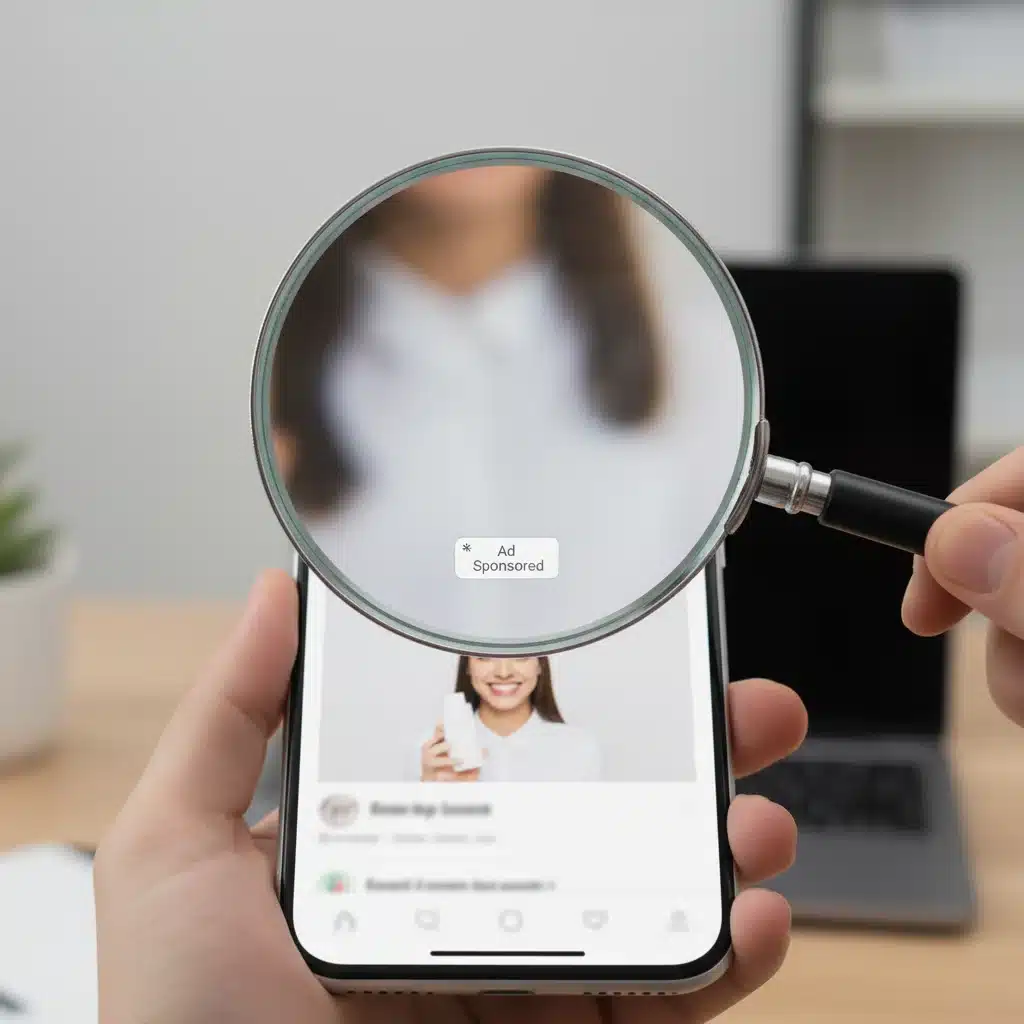
- Prominently Placed: The disclosure should be easy for consumers to see. It shouldn’t be buried in a long string of hashtags, hidden in a "see more" button, or placed at the very end of a lengthy caption or video where it might be missed. For videos, it should be both visual and audible. For live streams, it should be repeated periodically.
- Close to the Endorsement: The disclosure should be in close proximity to the endorsement itself. For instance, if an influencer is showing a product, the disclosure should be visible alongside that product, not just in a separate part of their profile.
- Platform-Specific Considerations: Different platforms have different layouts and user experiences. The FTC expects disclosures to be adapted to each platform to ensure they are conspicuous. For example, on Instagram, a disclosure in the first few lines of the caption is more effective than one buried below the fold. On TikTok, an overlaid text disclosure that stays on screen is important.
The goal is to ensure that an ordinary consumer, viewing the content casually, would immediately understand that it is an advertisement. The onus is on the influencer and brand to make this unequivocally clear.
What’s New or Emphasized in FTC Influencer Disclosure for 2026?
While the core principles remain consistent, the FTC regularly updates its guidance to reflect new digital trends and clarify existing rules. For 2026, several areas are receiving increased emphasis or new interpretations:
The Rise of AI-Generated Content and Virtual Influencers
With the rapid advancement of artificial intelligence, AI-generated content and virtual influencers are becoming more prevalent. The FTC is keenly aware of the potential for deception here. If a virtual influencer or AI-generated content is used to promote products, the same disclosure rules apply. Furthermore, if the AI itself is used to generate endorsements that appear to be from real people, the fact that it’s AI-generated and potentially sponsored must be disclosed. Consumers need to know if they are interacting with an actual person’s opinion or an algorithm’s.
Increased Scrutiny on Micro-Influencers and Nano-Influencers
Historically, much of the FTC’s focus was on larger influencers. However, the power of micro and nano-influencers, with their highly engaged niche audiences, has grown exponentially. The FTC’s 2026 guidance emphasizes that the same disclosure rules apply regardless of an influencer’s follower count. Brands are increasingly responsible for policing their smaller influencers, and consumers should expect transparency from creators of all sizes.
Enhanced Focus on Live Streams and Ephemeral Content
Live streams (e.g., Twitch, Instagram Live) and ephemeral content (e.g., Instagram Stories, Snapchat) present unique disclosure challenges due to their real-time and disappearing nature. For 2026, the FTC is reinforcing that disclosures must be clear throughout the duration of a live stream and must be easily visible for the entire time ephemeral content is accessible. Simply stating "#Ad" once at the beginning of an hour-long live stream or for a fleeting second in a Story is insufficient. Regular, repeated disclosures are expected.
Dark Patterns and Deceptive Design
The FTC is increasingly concerned with "dark patterns" – design choices that trick or manipulate users. In the context of influencer marketing, this could include making disclosures difficult to find or understand, using confusing language, or integrating sponsored content so seamlessly that it’s indistinguishable from organic content. The 2026 guidelines reiterate that disclosures must be designed to be easily noticed and understood, not hidden or obscured by clever design.
Brand Responsibility and Oversight
While influencers bear responsibility for their disclosures, brands are not off the hook. The FTC expects brands to have reasonable programs in place to train and monitor their influencers to ensure compliance. This includes providing clear instructions, periodically reviewing influencer content, and taking action if non-compliance is identified. Consumers who notice undisclosed sponsored content can and should report both the influencer and the brand.
How to Identify Undisclosed Sponsored Content as a Consumer
Empowering yourself with knowledge is the best defense against deceptive advertising. Here’s how you can become a savvy consumer and spot potentially undisclosed sponsored content, even with the updated FTC Influencer Disclosure guidelines in place:
Look for Explicit Disclosure Language
The most straightforward way to identify sponsored content is to look for clear disclosures. Preferred terms include:
- #Ad
- #Sponsored
- Paid Partnership with [Brand Name]
- Advertisement
Also, look for platform-specific disclosure tools, such as Instagram’s "Paid partnership with" label that appears above the post, or YouTube’s "Includes paid promotion" notification.
Be Wary of Vague or Hidden Disclosures
Terms like "Thanks to [Brand]," "Gifted," "PR Sample," "Collab," or "#Ambassador" might not be sufficient if they don’t clearly communicate a material connection. If a disclosure is buried in a long list of hashtags, in tiny font, or only briefly flashes on screen, it might be intentionally obscured. For consumers, this is a red flag. The FTC wants disclosures to be unmistakable.
Consider the Context and Content Style
- Overly Positive Language: While influencers can genuinely love products, an unusually effusive or one-sided review without any mention of drawbacks might indicate a paid promotion.
- Professional Production Quality: Sometimes, sponsored content has a noticeably higher production quality (e.g., professional lighting, editing, specific camera angles) compared to an influencer’s typical organic content.
- Specific Call-to-Actions: If an influencer is consistently directing you to a specific link, asking you to use a discount code, or pushing a product heavily, it’s often a sign of a commercial relationship.
- Repetitive Brand Mentions: Frequent mentions of the same brand or product across multiple posts, especially without clear disclosure, can be suspicious.
Check the Comments and Other Platforms
Sometimes, observant followers might point out a lack of disclosure in the comments section. You can also cross-reference an influencer’s content across different platforms. They might disclose on one platform but not another, which is still a violation.

Reporting Undisclosed Endorsements: Your Role in Consumer Protection
As a consumer, you are an important part of the regulatory ecosystem. If you encounter an influencer post that you believe is an undisclosed advertisement, you have the power to report it to the FTC. This helps the commission identify patterns of non-compliance and take appropriate action. Here’s how you can do it:
Steps to Report an Influencer to the FTC
- Gather Information: Document the post or content in question. Take screenshots, record videos, and note the date, time, platform, influencer’s handle, and the brand being promoted.
- Visit the FTC Website: Go to the official FTC website (ftc.gov) and look for the "File a Complaint" section.
- Provide Details: Fill out the complaint form with as much detail as possible. Clearly explain why you believe the content is an undisclosed advertisement, citing the specific elements you observed (e.g., lack of "#Ad", use of a discount code without clear disclosure).
- Submit Your Complaint: Once you’ve provided all the necessary information, submit your complaint. The FTC reviews these complaints and uses them to identify potential violations and inform their enforcement actions.
While the FTC may not respond to every individual complaint, each submission contributes to their understanding of market practices and helps them enforce the FTC Influencer Disclosure rules more effectively. Your vigilance helps protect other consumers.
The Future of Transparency in Influencer Marketing Beyond 2026
The digital world is constantly evolving, and so too will the challenges and solutions in influencer marketing. Looking beyond 2026, we can anticipate several trends that will continue to shape the landscape of transparency and disclosure.
Increased Automation and AI in Compliance
As AI tools become more sophisticated, we may see increased automation in identifying undisclosed endorsements. AI could potentially scan content for suspicious patterns, flag posts lacking proper disclosures, and even assist brands in monitoring their influencer campaigns for compliance. This could lead to more proactive enforcement and a higher standard of transparency.
Global Harmonization of Disclosure Rules
Influencer marketing is a global phenomenon, yet disclosure rules vary significantly across countries. There’s a growing movement towards greater harmonization of these regulations, which could simplify compliance for international brands and influencers and provide more consistent consumer protection worldwide. Consumers might see more universal disclosure standards emerge.
Consumer Education and Media Literacy Initiatives
Beyond regulation, there will likely be a continued emphasis on consumer education and media literacy. Teaching individuals, especially younger generations, how to critically evaluate online content and identify persuasive techniques, including sponsored content, will be crucial. This empowers consumers to make informed choices regardless of regulatory oversight.
Blockchain and Transparency
Emerging technologies like blockchain could potentially offer new solutions for transparency. Imagine a system where every sponsored post is immutably recorded on a blockchain, detailing the brand-influencer relationship. While speculative, such innovations could bring unprecedented levels of verifiable transparency to digital endorsements.
Conclusion: Your Guide to a More Transparent Digital World
The landscape of influencer marketing is complex and ever-changing, but the principles of transparency and consumer protection remain constant. The FTC Influencer Disclosure guidelines for 2026 are a vital tool in ensuring that consumers can trust the information they receive online. By understanding what constitutes a material connection, recognizing clear and conspicuous disclosures, and knowing how to identify and report deceptive practices, you become an active participant in fostering a more ethical digital advertising environment.
As consumers, our collective awareness and vigilance are powerful. Every time you consciously look for a disclosure, question a recommendation, or report an undisclosed ad, you contribute to a culture of greater honesty and accountability. Stay informed, stay critical, and help build a future where digital endorsements are always clear, fair, and trustworthy.
Remember, your ability to discern genuine recommendations from paid promotions is key to making empowered purchasing decisions in the digital age. The FTC is working to protect you, but your active participation is the ultimate safeguard.