Financial planning tools for personal budgeting

Financial planning tools for personal budgeting help users effectively manage their finances by tracking expenses, setting financial goals, and promoting better spending habits through technology.
Financial planning tools for personal budgeting can be a game changer for anyone looking to take control of their finances. Have you ever found yourself confused about where your money goes? Let’s dive into how these tools can simplify your budgeting process.
Understanding the basics of financial planning tools
When it comes to managing finances, understanding the basics of financial planning tools is essential. These tools help track income, expenses, and savings, providing clarity in your financial life. Whether you are saving for a vacation, a new home, or retirement, using these tools can pave the way for your financial success.
What Are Financial Planning Tools?
Financial planning tools are digital solutions designed to help individuals and businesses manage their finances. They often include:
- Budgeting apps that categorize spending
- Investment trackers to monitor your portfolio
- Debt management tools that organize repayment schedules
- Financial calculators for budget and savings goals
By harnessing the power of technology, these tools make it easier for anyone to understand their financial position. You don’t need to be a financial expert to use them; they are designed for everyday people.
Benefits of Using Financial Planning Tools
Incorporating these tools into your financial routine can lead to significant advantages. They offer:
- Real-time insights into spending habits
- Automated alerts for upcoming bills
- Goal tracking to stay on target with savings
- Visual reports to simplify complex data
The best part is that most of these tools are user-friendly, making them accessible to individuals at any financial level. As you continue to explore, remember that finding the right tool is crucial for your unique financial situation.
Top tools for effective personal budgeting
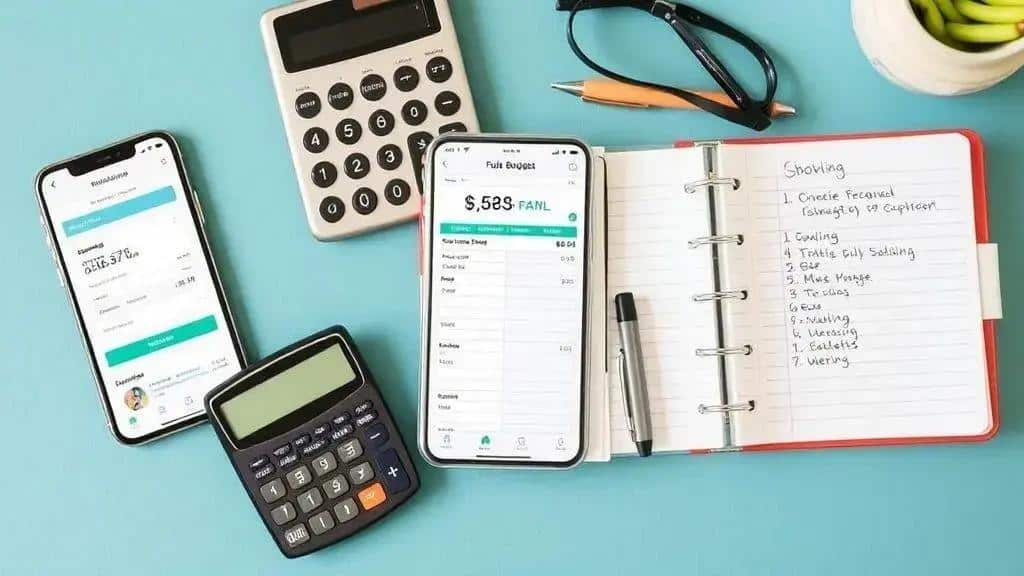
Choosing the right financial tools can significantly improve your budgeting experience. The top tools for effective personal budgeting can streamline your financial management. These tools can help you track expenses, set financial goals, and even save money.
Popular Budgeting Apps
Many apps are designed specifically for budgeting. Here are a few standout options:
- Mint: Offers a comprehensive overview by linking to your bank accounts and tracking spending.
- YNAB (You Need A Budget): Focuses on proactive budgeting by assigning every dollar a job.
- EveryDollar: Allows users to create custom budgets with a simple interface.
- PocketGuard: Shows how much disposable income you have after accounting for bills, goals, and necessities.
These apps make it easier to stick to your budget. Using technology can help you better visualize your finances.
Features to Look For
Not all budgeting tools are created equal. Consider these important features when selecting a tool:
- User-friendly interface for easy navigation
- Customization options to fit your financial needs
- Goal tracking to monitor your savings
- Alerts and notifications to prevent overspending
Choosing a tool with these features can enhance your budgeting journey. A well-chosen tool can make understanding your finances much simpler and more manageable.
Tips for selecting the right budgeting software
Selecting the right budgeting software can greatly impact your financial management experience. There are a few key tips that can help you find the best fit for your needs. Knowing what to look for makes the process smoother and more effective.
Identify Your Financial Goals
Before choosing software, consider your financial goals. Are you saving for a big purchase, tracking spending, or managing debt? Different tools cater to different purposes.
Look for User-Friendly Features
A good budgeting software should be easy to navigate. Here are features to watch for:
- Intuitive Design: Simple layout helps you find information quickly.
- Mobile Compatibility: Access your budget on the go.
- Customizable Options: Personalize categories to match your spending habits.
- Report Generation: Visual reports can help you understand your finances better.
These features enhance user experience and help you stay organized. It also allows you to tailor the software to your specific financial situation.
Consider Cost and Value
Budgeting software comes in a variety of price ranges. Free tools can be useful, but paid options often provide more features. Evaluate the cost against the benefits:
- Free trials allow you to test features.
- Research reviews to see if people find it worthwhile.
- Check for hidden fees, like subscription costs.
Ultimately, the right budgeting software should give you a clear picture of your finances and help you meet your goals.
How to integrate budgeting tools into daily life

Integrating budgeting tools into daily life is essential for managing your finances effectively. By adopting a few simple habits, you can make these tools a part of your everyday routine. This process will help you stay on track with your financial goals.
Create a Budgeting Routine
Start by setting aside time each week to review your finances. Consistency makes a big difference. You can:
- Schedule a specific day to check your budget.
- Use reminders on your phone to stay accountable.
- Keep a dedicated notebook for financial notes and goals.
- Set small milestones to keep yourself motivated.
Building a routine helps make the process feel natural. The more regularly you engage with your budgeting tools, the easier it will be to manage your money.
Utilize Mobile Apps
Many budgeting tools offer mobile apps, making it simple to track your finances on the go. When you use these apps, you can:
- Record expenses immediately to avoid forgetting.
- Check your budget before making purchases.
- Receive alerts for overspending or upcoming bills.
Having your budget at your fingertips encourages smart spending habits. It also helps you stay aware of your financial situation wherever you are.
Engage with Your Family
Involving family members in budgeting discussions can be beneficial. Make it a team effort by:
- Discussing financial goals with everyone.
- Creating a family budget together.
- Celebrating achievements and discussing challenges.
When everyone is on the same page, it creates accountability and support. This can also help instill good financial habits in younger family members.
FAQ – Frequently Asked Questions about Budgeting Tools
What are budgeting tools used for?
Budgeting tools help individuals track their income and expenses, set financial goals, and gain insight into their financial habits.
How can I choose the right budgeting software?
Look for user-friendly features, mobile compatibility, and cost-value balance to find the software that best fits your needs.
How often should I review my budget?
It’s recommended to review your budget weekly to stay on track and make necessary adjustments as your financial situation changes.
Can family members be involved in budgeting?
Yes, involving family members can create accountability and support, making it easier to stick to financial plans together.