Financial Planning for Inflation: Protect Your Retirement in 2025

Financial planning for inflation in 2025 requires proactive strategies to protect retirement savings from rising prices, including diversifying investments, considering inflation-protected securities, adjusting asset allocation, and regularly reviewing financial plans to adapt to changing economic conditions.
Navigating the complexities of financial planning for inflation: how to protect your retirement savings from rising prices in 2025 is crucial for securing your financial future. In an era where economic uncertainty looms, understanding and implementing effective strategies to combat inflation is essential for protecting your hard-earned savings.
Understanding Inflation’s Impact on Retirement
Inflation erodes the purchasing power of your retirement savings, making it essential to understand its impact. This section delves into how inflation affects your retirement nest egg and the importance of incorporating inflation considerations into your financial planning.
How Inflation Diminishes Retirement Savings
Inflation reduces the real value of your savings over time. What seems like a comfortable sum today might not provide the same level of purchasing power in the future. Understanding this erosion is the first step in mitigating its effects.
The Importance of Planning for Inflation
Ignoring inflation in your retirement planning is a risky gamble. Without accounting for rising prices, you risk outliving your savings or having to drastically reduce your lifestyle in retirement. Proactive planning ensures a more secure financial future.
- Regularly review and adjust your financial plan to account for inflation.
- Consider investing in assets that tend to perform well during inflationary periods.
- Factor in potential healthcare cost increases, which often outpace general inflation.

In conclusion, understanding the severe impact of inflation on retirement savings is the crucial first step. Recognizing how it diminishes purchasing power and integrating inflation into your financial planning can lead to a more secure and sustainable retirement.
Strategies to Safeguard Your Retirement Funds
Protecting your retirement funds requires a diversified approach that considers various investment options and financial strategies. This section explores effective strategies for safeguarding your retirement savings against the erosive effects of inflation.
Diversifying Your Investment Portfolio
Diversification is a cornerstone of effective financial planning. By spreading your investments across different asset classes, you can reduce your overall risk and potentially enhance your returns. This includes stocks, bonds, real estate, and commodities.
Considering Inflation-Protected Securities
Inflation-protected securities, such as Treasury Inflation-Protected Securities (TIPS), are designed to maintain their real value in an inflationary environment. These securities adjust their principal based on changes in the Consumer Price Index (CPI).
- Invest in TIPS to protect against unexpected increases in inflation.
- Explore other inflation-indexed bonds offered by different institutions.
- Ensure these securities align with your overall risk tolerance and investment goals.
In conclusion, safeguarding your retirement funds requires a strategic and diversified approach. Diversifying your investment portfolio and considering inflation-protected securities can help you enhance returns and protect against the erosive effects of rising prices.
Adjusting Your Asset Allocation for Inflation
Your asset allocation should be dynamic and responsive to changing economic conditions. This section discusses how to adjust your asset allocation to mitigate the impact of inflation on your retirement portfolio.
Rebalancing Your Portfolio Regularly
Rebalancing involves periodically realigning your asset allocation to match your target allocation. This ensures that your portfolio remains aligned with your risk tolerance and investment goals, especially during inflationary periods.
Investing in Real Estate and Commodities
Real estate and commodities, such as gold and silver, often serve as effective hedges against inflation. These assets tend to maintain their value or even appreciate during inflationary periods, providing a buffer against rising prices.
- Review your portfolio annually and rebalance as needed.
- Consider allocating a portion of your portfolio to real estate or commodities.
- Ensure your asset allocation reflects your risk tolerance and time horizon.
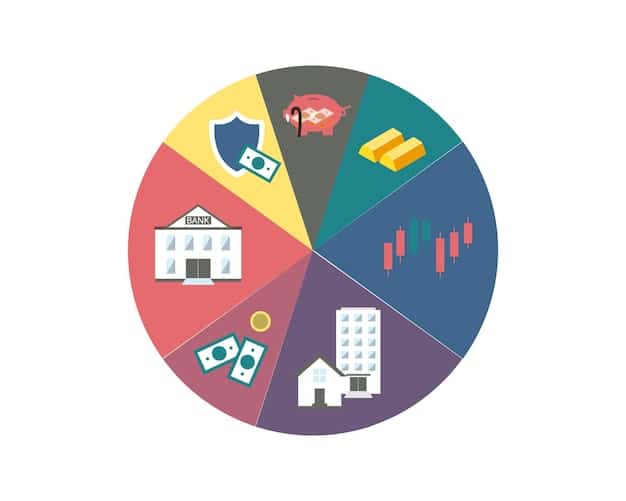
In conclusion, adjusting your asset allocation is vital for mitigating the impact of inflation. Regular rebalancing and strategic investments in real estate and commodities can help protect the purchasing power of your retirement savings.
Strategies for Managing Expenses in Retirement
Controlling expenses is a critical aspect of retirement financial planning, especially when dealing with inflation. This section outlines strategies for managing expenses in retirement to ensure your savings last longer.
Creating a Realistic Budget
A well-structured budget is essential for managing your expenses effectively. It allows you to track your income and expenses, identify areas where you can reduce spending, and ensure that your savings are sufficient to meet your needs.
Reducing Discretionary Spending
Discretionary spending, such as entertainment, travel, and dining out, can significantly impact your retirement savings. Identifying and reducing these expenses can free up more funds for essential needs and protect your savings from inflation.
- Develop a detailed budget that outlines your income and expenses.
- Identify areas where you can reduce discretionary spending.
- Explore opportunities to generate additional income, such as part-time work.
In conclusion, managing expenses effectively is crucial for preserving your retirement savings. By creating a realistic budget and reducing discretionary spending, you can extend the longevity of your funds and protect against the effects of inflation.
Leveraging Tax-Advantaged Retirement Accounts
Tax-advantaged retirement accounts offer significant benefits for managing your retirement savings and mitigating the impact of inflation. This section explores how to leverage these accounts effectively.
Maximizing Contributions to 401(k)s and IRAs
Contributing the maximum amount to your 401(k) and IRA accounts allows you to accumulate more savings and defer or avoid taxes on your investment gains. This is particularly beneficial in an inflationary environment, as it helps you grow your wealth faster.
Considering Roth Conversions
A Roth conversion involves converting traditional IRA or 401(k) assets to a Roth IRA. While you’ll pay taxes on the converted amount upfront, your future withdrawals will be tax-free, which can be a significant advantage during retirement.
- Maximize your contributions to tax-advantaged retirement accounts.
- Consult with a financial advisor to determine if a Roth conversion is right for you.
- Understand the tax implications of different retirement account strategies.
In conclusion, leveraging tax-advantaged retirement accounts can significantly enhance your retirement savings. Maximizing contributions and considering Roth conversions can help you grow your wealth more efficiently and protect against inflation.
Regularly Reviewing and Adjusting Your Financial Plan
A financial plan is not a static document; it should be regularly reviewed and adjusted to reflect changing economic conditions and personal circumstances. This section emphasizes the importance of ongoing monitoring and adaptation.
The Importance of Annual Check-Ups
An annual check-up with a financial advisor allows you to assess your progress towards your retirement goals, identify any potential risks or opportunities, and make necessary adjustments to your plan. This is crucial for staying on track in an inflationary environment.
Adapting to Changing Economic Conditions
Economic conditions can change rapidly, and your financial plan should be flexible enough to adapt to these changes. This includes adjusting your asset allocation, investment strategies, and spending habits as needed.
- Schedule annual check-ups with your financial advisor.
- Stay informed about economic trends and market conditions.
- Be prepared to make adjustments to your financial plan as needed.
In conclusion, regularly reviewing and adjusting your financial plan is essential for long-term success. Annual check-ups and adapting to changing economic conditions can help you stay on track towards your retirement goals and protect against the effects of inflation.
| Key Point | Brief Description |
|---|---|
| 💰 Diversify Investments | Spread investments across various asset classes to reduce risk. |
| 🛡️ Inflation Protection | Consider TIPS and other inflation-indexed bonds to maintain real value. |
| 📊 Budgeting | Create a detailed budget to track and manage expenses effectively. |
| 🗓️ Annual Review | Review and adjust your financial plan annually with a financial advisor. |
Frequently Asked Questions
▼
Inflation is the rate at which the general level of prices for goods and services rises, eroding purchasing power. This means your retirement savings might not buy as much in the future as they do today.
▼
Consider Treasury Inflation-Protected Securities (TIPS), which adjust their principal based on changes in the Consumer Price Index (CPI). Also, real estate and commodities can act as inflation hedges.
▼
It’s advisable to review your financial plan at least annually, or more frequently if there are significant changes in the economic environment or your personal circumstances.
▼
Consider reducing discretionary spending such as entertainment, travel, and dining out. Prioritizing essential needs and finding cost-effective alternatives can help stretch your retirement savings.
▼
Yes, consulting with a financial advisor can provide personalized guidance and help you tailor a plan that aligns with your financial goals and risk tolerance, especially when navigating inflation challenges.
Conclusion
In conclusion, effective financial planning for inflation is essential for securing your retirement in 2025. By understanding the impact of rising prices, diversifying your investments, adjusting your asset allocation, managing expenses, and regularly reviewing your financial plan, you can protect your retirement savings and ensure a comfortable financial future.