Financial Planning: Building an Emergency Fund for Unexpected Expenses

Financial Planning for Unexpected Expenses: Building an Emergency Fund for Financial Security provides a financial safety net, ensuring you can handle unforeseen costs like medical bills or car repairs without derailing your long-term financial goals and maintaining overall financial stability.
Life is unpredictable, and unexpected expenses can throw even the most carefully laid financial plans into disarray. That’s why financial planning for unexpected expenses: building an emergency fund for financial security is essential for maintaining peace of mind and protecting your long-term financial well-being.
Understanding the Importance of an Emergency Fund
An emergency fund is a dedicated pool of money specifically set aside to cover unforeseen expenses. These funds are designed to prevent you from going into debt or disrupting your other financial goals when life throws you a curveball. Think of it as a financial safety net, ready to catch you when you need it most.
What Constitutes an Emergency?
Determining what constitutes a true emergency is crucial to avoid depleting your fund unnecessarily. An emergency is generally an unplanned, urgent expense that is essential for your health, safety, or ability to maintain your livelihood.
Examples of Common Emergencies
Examples include unexpected medical bills, urgent home repairs (like a leaky roof), car repairs needed to get to work, or job loss. While a new TV or a vacation might be tempting, they don’t qualify as emergencies and should be funded from separate savings or discretionary spending.
- Medical expenses
- Job loss
- Car repairs
- Home repairs
Ultimately, building an emergency fund is a cornerstone of robust financial planning. It provides a buffer against life’s uncertainties, allowing you to navigate unexpected financial challenges with greater confidence and security.

Calculating Your Emergency Fund Goal
Knowing how much to save in your emergency fund can seem daunting, but a good rule of thumb is to aim for three to six months’ worth of essential living expenses. This amount provides a sufficient cushion to cover basic needs while you address the emergency.
Assessing Your Monthly Expenses
Start by calculating your essential monthly expenses. This includes housing costs (rent or mortgage), utilities, food, transportation, insurance, and any debt payments. Exclude discretionary spending like entertainment or dining out, as these are not considered essential.
Determining Your Target Savings Amount
Once you have a clear picture of your monthly expenses, multiply that amount by three to six. This will give you a range for your emergency fund goal. For example, if your essential monthly expenses are $3,000, your emergency fund goal would be between $9,000 and $18,000.
- Calculate essential monthly expenses
- Multiply by 3-6 months
- Adjust based on job security
Remember, this is just a guideline, and you can adjust the amount based on your individual circumstances. If you have a stable job and good health insurance, you might be comfortable with three months’ worth of expenses. However, if you work in a volatile industry or have pre-existing health conditions, aiming for six months or more might be a better approach.
Choosing the Right Savings Account
Where you keep your emergency fund is just as important as how much you save. The ideal account should be easily accessible, liquid (meaning you can withdraw the money quickly), and offer a reasonable interest rate. Convenience and safety are vital when selecting a savings account for your emergency fund.
High-Yield Savings Accounts
High-yield savings accounts offer higher interest rates than traditional savings accounts, allowing your money to grow faster. These accounts are typically offered by online banks, which often have lower overhead costs and can pass those savings on to customers in the form of higher interest rates.
Money Market Accounts
Money market accounts are another option that combines features of savings and checking accounts. They often offer higher interest rates than traditional savings accounts and may come with check-writing privileges, making it easier to access your funds.
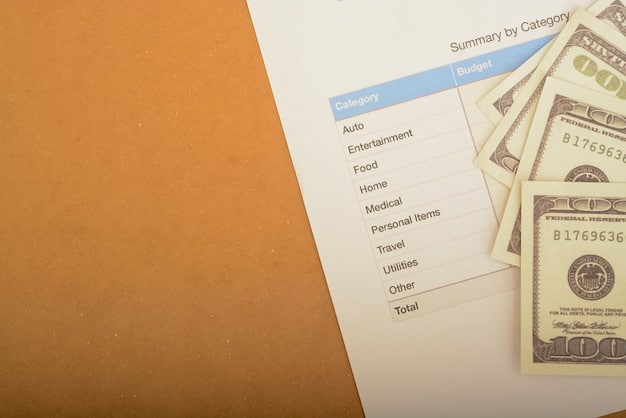
When choosing an account, compare interest rates, fees, and accessibility. Look for accounts that are FDIC-insured, which protects your deposits up to $250,000 per depositor, per insured bank. This ensures your money is safe even if the bank fails.
Strategies for Building Your Emergency Fund Quickly
Building an emergency fund can take time, but there are several strategies you can use to accelerate the process. By employing these techniques, you can quickly establish financial security and build a financial safeguard.
Automate Your Savings
Setting up automatic transfers from your checking account to your savings account is one of the most effective ways to build your emergency fund. Treat it like a bill payment and schedule regular transfers, even if it’s just a small amount each month.
Cut Unnecessary Expenses
Review your budget and identify areas where you can cut back on spending. This could include reducing your dining out expenses, canceling subscriptions you don’t use, or finding cheaper alternatives for services like cable or internet.
- Automate transfers
- Reduce spending
- Increase income
Consider taking on a side hustle or freelancing to boost your income. This could include driving for a ride-sharing service, selling items online, or offering your skills as a consultant. Every extra dollar you earn can go towards building your emergency fund.
Maintaining and Replenishing Your Emergency Fund
Once you’ve built your emergency fund, it’s important to maintain it and replenish it whenever you use it. Your emergency fund is a vital safeguard against unforeseen expenses, so maintaining it is part of your ongoing strategy.
Regularly Review and Adjust
Review your emergency fund regularly to ensure it still aligns with your needs. As your income and expenses change, you may need to adjust your savings goal accordingly.
Replenishing After Use
If you have to tap into your emergency fund, make it a priority to replenish it as soon as possible. Cut back on discretionary spending and direct any extra income towards rebuilding your savings.
Consistently maintaining and replenishing your emergency fund ensures its continued effectiveness as a financial safety net, providing long-term security and peace of mind with strategic and sustainable financial planning.
Integrating an Emergency Fund into Long-Term Financial Planning
While building an emergency fund is a crucial step, it’s just one piece of the puzzle when it comes to comprehensive financial planning. Integrating your emergency fund with your long-term financial goals is essential for holistic financial health.
Balancing Emergency Savings with Investment Goals
It’s important to strike a balance between saving for emergencies and investing for the future. While an emergency fund provides short-term security, investing can help you grow your wealth over time. Consider allocating a portion of your savings to both goals.
Reassessing Financial Priorities
Regularly reassess your financial priorities and adjust your savings and investment strategies accordingly. As your circumstances change, you may need to shift your focus between building your emergency fund, paying down debt, and investing for retirement.
Fully integrating an emergency fund into your long-term financial strategy creates a resilient financial foundation with both immediate security and future growth. A well-integrated strategy supports financial well-being throughout all stages of life.
| Key Point | Brief Description |
|---|---|
| ⚠️ Emergency Defined | Unplanned, urgent expenses affecting health or livelihood. |
| 💰 Savings Goal | Aim for 3-6 months of essential living expenses. |
| 🏦 Account Choice | High-yield savings or money market accounts preferred. |
| 🔄 Maintenance | Regularly review, adjust, and replenish after use. |
Frequently Asked Questions (FAQ)
▼
Start with a smaller, achievable goal, like $1,000. This provides a buffer against minor emergencies and motivates you to continue saving towards your larger goal of 3-6 months’ worth of expenses.
▼
Using a credit card can be a temporary solution, but avoid relying on it regularly because of interest charges. An emergency fund helps you avoid debt and provides immediate access to funds without incurring extra expenses.
▼
While paying off debt is important, prioritize building a small emergency fund first. Even $1,000 can prevent you from incurring more debt when unexpected expenses arise, helping you stay on track with your debt repayment plan.
▼
Review your emergency fund at least once a year, or whenever you experience a significant life change, such as a job change, a move, or a change in family size. Adjust your savings goal as needed to reflect your current circumstances.
▼
It’s generally not recommended to invest your emergency fund in volatile assets since the money needs to be readily accessible. Stick to safe, liquid accounts like high-yield savings accounts or money market accounts to protect your funds.
Conclusion
Building an emergency fund is a crucial element of sound **financial planning for unexpected expenses: building an emergency fund for financial security**. It provides a safety net that allows you to navigate life’s uncertainties with confidence, protecting your long-term financial goals and promoting overall financial well-being. By following the strategies outlined in this guide, you can establish a robust emergency fund and secure your financial future.