Federal Disaster Assistance 2026: Navigating FEMA Claims for Recent Natural Events
Federal Disaster Assistance 2026: Navigating FEMA Claims for Recent Natural Events
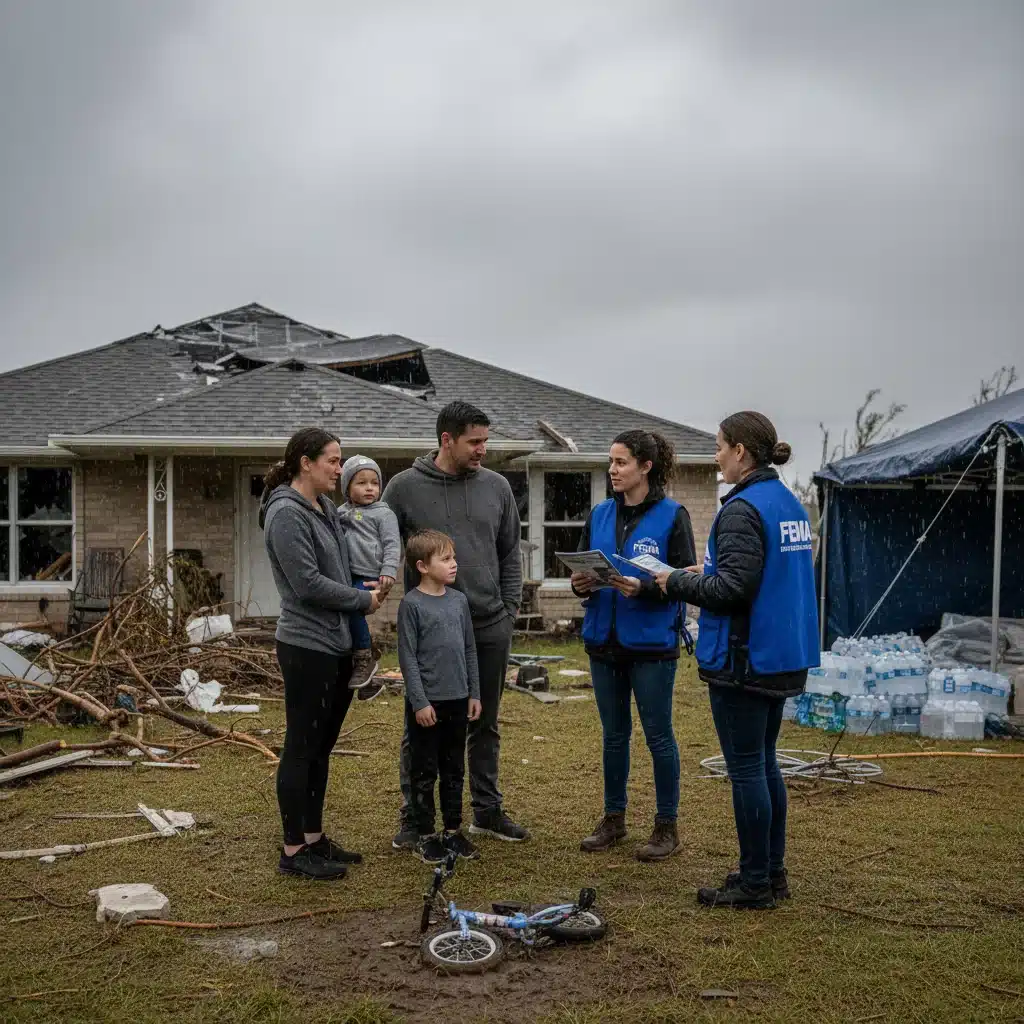
The year 2026 has, unfortunately, seen its share of natural disasters, leaving communities across the nation grappling with the aftermath. From devastating hurricanes and tornadoes to widespread wildfires and unprecedented flooding, the impact on lives and livelihoods has been profound. In these challenging times, understanding how to access Federal Disaster Assistance, particularly through FEMA, becomes not just important, but absolutely critical for recovery. This comprehensive guide aims to demystify the process of navigating FEMA Claims 2026, providing crucial information, practical steps, and expert advice to help you and your community rebuild.
When disaster strikes, the immediate focus is often on safety and immediate needs. However, as the dust settles, the daunting task of recovery begins. This is where the Federal Emergency Management Agency (FEMA) steps in, offering a lifeline to individuals and communities. But accessing this aid can be a complex labyrinth of forms, deadlines, and specific requirements. Our goal is to illuminate this path, making the process of understanding and applying for Federal Disaster Assistance as straightforward as possible.
We’ll delve into what FEMA is, the types of assistance available for recent natural events in 2026, who is eligible, and the step-by-step application process. Furthermore, we’ll equip you with essential tips for a successful claim, explain what to expect after applying, and address common pitfalls to avoid. Whether you’re directly affected by a recent natural disaster or preparing for future eventualities, this guide on FEMA Claims 2026 is an invaluable resource.
Understanding Federal Disaster Assistance and FEMA’s Role in 2026
Federal Disaster Assistance encompasses a broad range of support provided by the U.S. government to help individuals and communities recover from declared disasters. At the forefront of this effort is FEMA, an agency under the Department of Homeland Security, responsible for coordinating the federal government’s response to disasters that overwhelm local and state capabilities. For FEMA Claims 2026, their role remains pivotal in offering financial aid and direct assistance.
What is FEMA?
FEMA’s mission is to support citizens and first responders to ensure that as a nation, we work together to build, sustain, and improve our capability to prepare for, protect against, respond to, recover from, and mitigate all hazards. In the context of recent natural events in 2026, FEMA’s primary function is to administer various programs designed to help individuals and communities recover from the devastating impacts of these disasters. This includes providing financial assistance for housing, essential household items, medical and dental expenses, and other serious needs and necessary expenses.
Types of Federal Disaster Assistance Available Through FEMA in 2026
When a presidential disaster declaration is made for a specific area, affected individuals and households may become eligible for a variety of assistance programs. These programs are often categorized under Individual Assistance (IA) and Public Assistance (PA). For individuals navigating FEMA Claims 2026, the IA programs are most relevant:
- Housing Assistance: This can include financial aid for temporary housing (like rental assistance or hotel stays), home repair, or even home replacement for those whose homes are uninhabitable. The aim is to provide a safe, sanitary, and functional living space.
- Other Needs Assistance (ONA): ONA addresses other critical needs stemming from the disaster. This might cover essential personal property (clothing, household items, tools), transportation costs, medical and dental expenses, funeral expenses, and even childcare costs if directly related to the disaster.
- Crisis Counseling: Disasters can take a significant toll on mental health. FEMA provides funding for crisis counseling services to help individuals and communities cope with the emotional impact of the disaster.
- Disaster Unemployment Assistance (DUA): For those whose employment or self-employment has been lost or interrupted as a direct result of a major disaster and who are not eligible for regular unemployment benefits, DUA can provide financial support.
- Legal Services: Low-income individuals may be eligible for free legal services to help with disaster-related issues such as insurance claims, landlord-tenant problems, and contract disputes.
- Small Business Administration (SBA) Disaster Loans: While not directly from FEMA, the SBA offers low-interest disaster loans to homeowners, renters, businesses of all sizes, and private non-profit organizations to repair or replace disaster-damaged property. FEMA may refer applicants to the SBA for these loans, as they are often a primary source of recovery funding. Understanding the interplay between FEMA and SBA is crucial for comprehensive recovery.
It’s important to remember that FEMA assistance is not intended to make you whole again, but rather to help kickstart your recovery by addressing essential needs that are not covered by insurance or other sources. This distinction is vital when setting expectations for FEMA Claims 2026.
Eligibility for FEMA Claims 2026: Who Can Apply?
Determining eligibility is the first critical step in successfully navigating FEMA Claims 2026. Not everyone affected by a natural event will qualify for assistance, and specific criteria must be met. Understanding these requirements beforehand can save time and reduce frustration.
Presidential Disaster Declaration
The most fundamental requirement is that your area must be included in a presidential major disaster declaration. Without this declaration, FEMA cannot provide Individual Assistance. Disaster declarations are made by the President of the United States after a request from the state governor. These declarations specify the types of assistance available and the geographic areas (usually counties) that are eligible.
Applicant Status and Residency
To be eligible for most FEMA Individual Assistance programs, you must:
- Be a U.S. citizen, non-citizen national, or qualified alien. Parents or guardians applying on behalf of a minor child may also need to meet these criteria.
- Be able to prove your identity.
- Prove that the disaster-damaged home was your primary residence at the time of the disaster. This means you lived there for more than six months of the year.
- Have uninsured or underinsured damage or losses from the declared disaster. FEMA assistance is often considered a last resort, meaning it supplements, rather than replaces, insurance coverage.
Damage and Loss Requirements
Your losses must be a direct result of the declared disaster. For example, if your home was damaged by a hurricane in 2026, the damage must be clearly attributable to that hurricane. FEMA will assess the damage to ensure it meets their criteria for assistance. This often involves an inspection of your property.
Key Considerations for Eligibility
- Insurance Coverage: FEMA will require you to file a claim with your insurance company first. If your insurance settlement is insufficient to cover your essential needs, or if your policy does not cover certain types of damage, then FEMA may be able to provide assistance. You must provide documentation of your insurance settlement or denial. This is a common point of confusion for those new to FEMA Claims 2026.
- Duplication of Benefits: Federal law prohibits the duplication of benefits. This means you cannot receive assistance from multiple sources for the same loss. FEMA will coordinate with other agencies and organizations to prevent this.
- Occupancy: The damaged property must have been your primary residence. Secondary homes, vacation properties, or rental properties (where you are the landlord, not the tenant) typically do not qualify for Individual Assistance for the owner, though tenants of damaged rental properties may be eligible.
- Safe and Sanitary Conditions: Housing assistance is primarily focused on making your primary residence safe, sanitary, and functional. It’s not designed to restore your home to its pre-disaster condition or to cover cosmetic damage.
Understanding these eligibility criteria is paramount before you begin the application process. Gathering all necessary documentation to prove eligibility will streamline your FEMA Claims 2026 application.
The Application Process for FEMA Claims 2026: A Step-by-Step Guide
Once you’ve confirmed that your area has received a presidential disaster declaration and you believe you meet the eligibility requirements, the next step is to apply for assistance. The application process for FEMA Claims 2026 is designed to be accessible, but it requires careful attention to detail and timely action.

Step 1: Register for Assistance
The most crucial first step is to register with FEMA. You can do this in several ways:
- Online: Visit DisasterAssistance.gov. This is often the quickest and most efficient method.
- Phone: Call the FEMA toll-free helpline at 1-800-621-FEMA (3362). For those with speech disabilities or hearing impairments, the TTY number is 1-800-462-7585.
- Mobile App: Download the FEMA Mobile App for smartphones.
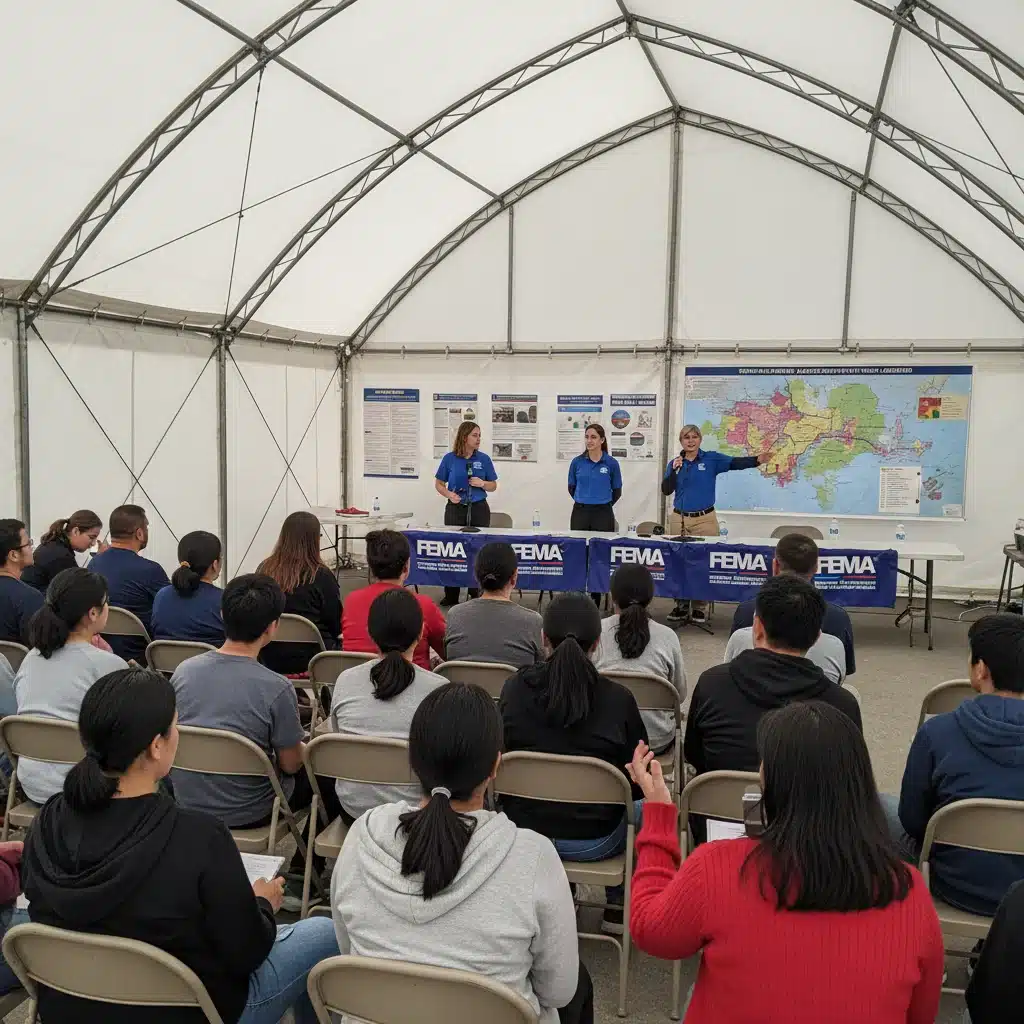
- In-Person: If available, visit a Disaster Recovery Center (DRC). These centers are set up in affected areas to provide in-person assistance. You can find locations on DisasterAssistance.gov or through the FEMA app.
When you register, you’ll need to provide essential information, including your Social Security Number, current and pre-disaster address, contact information, insurance information, and a general description of your disaster-caused damage and losses. Be prepared to provide as much detail as possible. Have all your personal and insurance documents readily available.
Step 2: Document Your Damage
Even before you apply, and certainly immediately after, it’s vital to document all damage. Take clear photographs and videos of your damaged property and belongings. Create a detailed inventory of damaged items. This documentation will be invaluable for your FEMA Claims 2026 and any insurance claims.
Step 3: File an Insurance Claim (If Applicable)
As mentioned, FEMA assistance is often secondary to insurance. If you have homeowner’s, renter’s, or flood insurance, you must file a claim with your insurer immediately. Keep meticulous records of all communications with your insurance company, including claim numbers, dates, and names of representatives you speak with. You will need to provide FEMA with your insurance settlement or denial letter.
Step 4: FEMA Inspection
After you register, FEMA may send a housing inspector to your damaged primary residence to verify your losses. The inspector will assess the damage to your home and personal property. This inspection is typically free of charge. Be present during the inspection if possible, and be prepared to show the inspector all damaged areas and items. Do not dispose of damaged property until after the inspection, unless it poses a health or safety hazard.
Step 5: Review Your Decision Letter
FEMA will send you a decision letter by mail or email, outlining their decision regarding your eligibility for assistance. This letter will explain the types of assistance approved (or denied) and the reasons for the decision. It’s crucial to read this letter carefully. If you are denied assistance, the letter will explain why and provide instructions on how to appeal the decision. Many denials are due to insufficient documentation or other easily rectifiable issues. Don’t be discouraged if you’re initially denied; an appeal can often reverse the decision, especially for FEMA Claims 2026 that require specific documentation. Pay close attention to appeal deadlines.
Step 6: Receive Assistance or Appeal
If approved, funds are typically disbursed via direct deposit or a check mailed to you. If denied, and you believe the decision is incorrect, you have the right to appeal. The appeal process usually involves submitting additional documentation or clarification within a specified timeframe (typically 60 days from the date of the decision letter). This might include contractor estimates, repair receipts, or further proof of occupancy. Seek assistance from legal aid organizations or Disaster Recovery Centers if you need help with an appeal.
Crucial Tips for a Successful FEMA Claim in 2026
Navigating the bureaucracy of federal aid can be challenging, but with careful preparation and attention to detail, you can significantly improve your chances of a successful FEMA Claims 2026 outcome. Here are some crucial tips:
1. Act Quickly: Deadlines Matter
There are strict deadlines for applying for FEMA assistance, typically 60 days from the date of the disaster declaration. While extensions can sometimes be granted, it’s always best to apply as soon as possible. Delaying your application can jeopardize your eligibility.
2. Document Everything
This cannot be stressed enough. Keep a detailed record of everything related to your disaster and recovery. This includes:
- Photos and Videos: Before and after photos of your property, damaged items, and the extent of the disaster.
- Receipts: For all disaster-related expenses, such as temporary lodging, repairs, cleaning supplies, and essential purchases.
- Communication Logs: Dates, times, names, and summaries of every conversation with FEMA, your insurance company, contractors, and other aid organizations.
- Official Documents: Copies of your insurance policies, utility bills, mortgage statements, rental agreements, and identification documents.
3. Be Honest and Accurate
Provide accurate and truthful information on your application. Misrepresenting facts can lead to denial of assistance and even legal repercussions. If you’re unsure about something, ask for clarification.
4. Understand Your Insurance Policy
Know what your insurance policy covers and what it doesn’t. This will help you understand where FEMA might be able to fill the gaps. For example, standard homeowner’s insurance typically does not cover flood damage, requiring a separate flood insurance policy. This is a critical point for many FEMA Claims 2026.
5. Keep Your Contact Information Updated
Ensure FEMA has your most current contact information, especially if you’ve been displaced. This includes phone numbers, email addresses, and temporary mailing addresses.
6. Don’t Throw Away Damaged Items Prematurely
Unless they pose a health hazard, try to keep damaged items until after a FEMA inspection or your insurance adjuster has seen them. If you must dispose of them, take clear photos and videos first.
7. Seek Help if Needed
Don’t hesitate to seek assistance from Disaster Recovery Centers, legal aid services, or reputable non-profit organizations. They can provide guidance, help with paperwork, and answer questions about FEMA Claims 2026.
8. Be Patient, But Persistent
The disaster recovery process can be slow and frustrating. Be patient, but also be persistent in following up on your application and any appeals. Keep track of all communication and deadlines.
What to Expect After Applying for FEMA Claims 2026
Once you’ve submitted your application for FEMA Claims 2026, the waiting period can be anxious. Knowing what to expect in the aftermath can help manage expectations and prepare you for the next steps.
The FEMA Inspection
As mentioned, a FEMA inspector may contact you to schedule an inspection of your damaged property. This is a crucial step in verifying your losses. The inspector will assess the damage to your home and personal property. Be prepared to show them all affected areas and items. The inspection is usually brief, often lasting 15-30 minutes. It’s important to understand that the inspector does not approve or deny claims; they only document damage.
Communication from FEMA
You will primarily receive communication from FEMA via mail or email. This will include your application status, any requests for additional information, and ultimately, your decision letter. It is vital to check your mail and email regularly, including spam folders, to ensure you don’t miss important updates or deadlines.
The Decision Letter
Your decision letter is the official notification from FEMA regarding your eligibility for assistance. This letter will detail:
- Whether your application was approved or denied.
- The type and amount of assistance you may receive.
- The reasons for any denial, which are often related to insufficient documentation, insurance coverage, or other eligibility factors.
- Instructions on how to appeal the decision if you disagree with it.
Do not discard this letter; it contains critical information for your recovery process, especially if you need to appeal your FEMA Claims 2026.
Receiving Funds
If your application is approved for financial assistance, funds are typically disbursed via direct deposit to your bank account or a check mailed to your registered address. The timeframe for receiving funds can vary depending on the volume of applications and the complexity of your case, but FEMA aims to process payments as quickly as possible.
Potential Referrals
FEMA may refer you to other agencies or programs that can provide additional support. This commonly includes referrals to the Small Business Administration (SBA) for low-interest disaster loans. Even if you don’t own a business, homeowners and renters can apply for SBA disaster loans to cover repair or replacement of real estate, personal property, and other losses not fully compensated by insurance or other sources. It’s often beneficial to apply for an SBA loan even if you think you won’t qualify, as a denial from SBA can sometimes open doors to additional FEMA assistance.
Ongoing Support and Resources
Beyond direct financial aid, FEMA and its partners offer a range of resources. This might include information on safe rebuilding practices, emotional support services, and legal assistance. Stay informed about community meetings and resources available in your area. For FEMA Claims 2026, ongoing support can be just as crucial as initial funding.
Common Pitfalls to Avoid with FEMA Claims 2026
While the process for FEMA Claims 2026 is designed to help, several common mistakes can delay or even deny your assistance. Being aware of these pitfalls can help you navigate the process more smoothly.
1. Not Registering Promptly
Delaying your registration is one of the biggest mistakes. The sooner you register, the sooner your claim can be processed, and you can meet critical deadlines.
2. Failing to Document Damage Adequately
Without proper documentation (photos, videos, inventory), it’s difficult for FEMA to verify your losses. This can lead to delays or denial of assistance. Before and after photos are especially powerful.
3. Not Filing with Your Insurance First
FEMA is typically a secondary source of aid. If you have insurance, you must file a claim with your provider first. Many FEMA denials are due to applicants not providing proof of their insurance claim or settlement/denial letter.
4. Disposing of Damaged Property Too Soon
Unless it’s a health hazard, wait until after your FEMA inspection or insurance adjuster visit before discarding damaged items. If you must dispose of them, photograph them thoroughly first.
5. Providing Incomplete or Inaccurate Information
Ensure all information on your application is accurate and complete. Double-check Social Security numbers, addresses, and contact details. Inaccuracies can cause significant delays. For complex FEMA Claims 2026, this is particularly important.
6. Not Understanding the Decision Letter
The FEMA decision letter is critical. If you don’t understand why you were denied or the amount of assistance offered, seek clarification. Many denials can be overturned with a well-prepared appeal.
7. Missing Appeal Deadlines
If you need to appeal a decision, pay close attention to the deadline, which is usually 60 days from the date of the decision letter. Missing this deadline means you forfeit your right to appeal, potentially losing out on crucial assistance.
8. Assuming You Don’t Qualify for SBA Loans
Many people mistakenly believe SBA loans are only for businesses. Homeowners and renters can also apply. A denial from SBA can sometimes lead to additional FEMA grants, so it’s often wise to apply if referred.
9. Not Keeping Records of All Communications
Maintain a detailed log of every interaction you have regarding your claim – names, dates, times, and what was discussed. This can be invaluable if disputes arise or if you need to follow up on your FEMA Claims 2026.
10. Expecting FEMA to Cover All Losses
FEMA assistance is not designed to restore your life to its pre-disaster condition or cover all losses. It’s meant to address essential needs and provide a kickstart to recovery. Setting realistic expectations can prevent disappointment.
Preparing for Future Disasters: Beyond FEMA Claims 2026
While understanding how to navigate FEMA Claims 2026 is vital for current recovery efforts, it’s equally important to prepare for future eventualities. Natural disasters are an unfortunate reality, and proactive measures can significantly reduce their impact and streamline the recovery process.
Create a Disaster Preparedness Kit
Every household should have an emergency kit with at least three days’ worth of food and water, a first-aid kit, flashlight, batteries, whistle, dust mask, plastic sheeting and duct tape, moist towelettes, garbage bags and plastic ties, wrench or pliers, manual can opener, local maps, and a cell phone with chargers and a backup battery.
Develop a Family Emergency Plan
Discuss with your family what to do in case of a disaster. Identify meeting points, evacuation routes, and communication strategies. Ensure everyone knows how to contact each other if separated.
Secure Important Documents
Keep vital documents (identification, insurance policies, property deeds, medical records, financial statements) in a waterproof, fireproof container. Consider scanning them and saving them to a cloud service or an external hard drive stored off-site. This will be critical for any future FEMA Claims 2026 or insurance claims.
Review and Understand Your Insurance Policies
Regularly review your homeowner’s, renter’s, and flood insurance policies. Understand what they cover and what they don’t. Consider additional coverage if you live in an area prone to specific types of disasters. For example, standard homeowner’s insurance typically does not cover flood damage.
Mitigate Risks to Your Property
Take steps to make your home more resistant to natural hazards. This could include securing loose items outdoors, clearing gutters, reinforcing roofs, or elevating utilities in flood-prone areas. These actions can lessen the damage and, consequently, the burden of future FEMA Claims 2026.
Stay Informed
Sign up for local emergency alerts and keep abreast of weather forecasts and disaster preparedness information from official sources like FEMA and local emergency management agencies.
Conclusion: Empowering Your Recovery in 2026 and Beyond
The journey to recovery after a natural disaster is undoubtedly challenging, but understanding and effectively navigating Federal Disaster Assistance through FEMA can provide a crucial foundation for rebuilding. For those affected by recent natural events in 2026, the information provided in this guide on FEMA Claims 2026 offers a roadmap to securing the aid you need.
Remember, the key to a successful claim lies in prompt action, meticulous documentation, honesty, and persistence. Do not be intimidated by the process; resources are available to help you every step of the way, from online guides and helplines to in-person support at Disaster Recovery Centers. Engage with these resources, ask questions, and advocate for your needs.
Beyond the immediate recovery, take the lessons learned from 2026 to enhance your preparedness for future events. By creating emergency plans, securing vital documents, understanding insurance, and mitigating property risks, you can build resilience within your household and community.
Federal Disaster Assistance, particularly through FEMA, is a vital safety net designed to help individuals and communities recover from the devastating impacts of natural disasters. By equipping yourself with knowledge and following the guidelines outlined in this comprehensive guide, you can confidently navigate the process of FEMA Claims 2026 and move forward on the path to recovery and rebuilding. Your resilience and proactive approach are your greatest assets during these difficult times.