Federal Student Loan Forgiveness: Your Complete 2025 Guide

Navigating federal student loan forgiveness programs involves understanding eligibility criteria, application processes, and the specific requirements of each program to potentially reduce or eliminate your student debt.
Are you burdened by federal student loan debt and seeking relief? The Complete Guide to Federal Student Loan Forgiveness Programs: Eligibility and Application Process provides a comprehensive overview of available options, helping you understand if you qualify and how to apply.
Understanding Federal Student Loan Forgiveness Programs
Federal student loan forgiveness programs offer pathways to eliminate or reduce your loan balance. These programs are designed to assist borrowers in specific professions or those who meet certain income requirements. This section will explore the various forgiveness options available.
Types of Forgiveness Programs
Several federal programs offer loan forgiveness. Each has unique eligibility requirements and application processes. Familiarizing yourself with these programs is crucial for finding the best fit for your situation.
- Public Service Loan Forgiveness (PSLF): For those working in public service jobs.
- Teacher Loan Forgiveness: For qualified teachers in low-income schools.
- Income-Driven Repayment (IDR) Forgiveness: Available after 20-25 years of qualifying payments on an IDR plan.
Many factors may affect ones loan forgiveness option decision. By carefully reviewing your employment history, income, and loan balance, you can figure out which program is best for you.
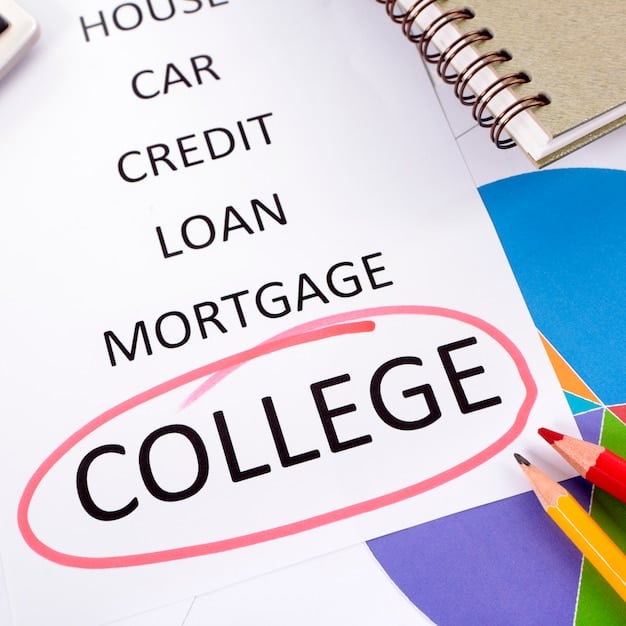
The federal government has a range of student loan forgiveness programs to support graduates in managing student debt.
Public Service Loan Forgiveness (PSLF) Explained
The Public Service Loan Forgiveness (PSLF) program is one of the most well-known options for federal student loan forgiveness. PSLF is designed to forgive the remaining balance on your Direct Loans after you have made 120 qualifying monthly payments while working full-time for a qualifying employer.
Eligibility for PSLF
To qualify for PSLF, you must meet specific requirements. Understanding these requirements is essential to ensure you are on the right track for forgiveness.
- Work full-time for a qualifying employer: Government organizations (federal, state, local, or tribal) and certain non-profit organizations.
- Have Direct Loans: Only loans made under the Direct Loan Program are eligible.
- Repay your loans under an income-driven repayment (IDR) plan: This ensures your payments are based on your income and family size.
Understanding these requirements will help you to be more successful with obtaining loan forgiveness.
Teacher Loan Forgiveness: Details and Requirements
The Teacher Loan Forgiveness program offers forgiveness to qualified teachers who teach full-time for five consecutive academic years in a low-income school or educational service agency. This program aims to encourage talented educators to serve communities with the greatest need.
Qualifying for Teacher Loan Forgiveness
To be eligible for Teacher Loan Forgiveness, you must meet certain criteria. These criteria focus on your teaching service and the type of loans you have.
- Teach full-time for five complete and consecutive academic years in a qualifying low-income school.
- Have eligible loans: Direct Loans or Federal Family Education Loan (FFEL) Program loans.
- Meet certain academic requirements: Be a highly qualified teacher as defined by federal regulations.

Having qualified teaching experience ensures the best possible options for seeking student loan forgiveness.
Income-Driven Repayment (IDR) Forgiveness Options
Income-Driven Repayment (IDR) plans offer loan forgiveness after a certain number of years of qualifying payments. These plans are designed to make your monthly loan payments more affordable by basing them on your income and family size.
Understanding IDR Plans and Forgiveness
There are several types of IDR plans, each with its own terms and conditions for forgiveness. Knowing the differences can help you choose the best plan for your financial situation.
- Pay As You Earn (PAYE): Generally, borrowers will be eligible for forgiveness after 20 years of payments.
- Income-Based Repayment (IBR): Typically offers forgiveness after 20 or 25 years, depending on when you received your loans.
- Income-Contingent Repayment (ICR): Offers forgiveness after 25 years of qualifying payments.
By enrolling in an IDR plan, you can manage your student loan payments based on your income and potentially qualify for forgiveness after a set period. It’s important to routinely update any new information that comes up.
Navigating the Application Process for Forgiveness
Applying for federal student loan forgiveness programs can seem complex, but understanding the steps involved can make the process more manageable. Ensuring you have all the necessary documents and following the instructions carefully is essential for a smooth application.
Steps to Apply for Loan Forgiveness
Here are the general steps to apply for federal student loan forgiveness:
- Determine your eligibility: Review the requirements for each program to see if you qualify.
- Gather your documents: Collect all necessary paperwork, such as employment verification, loan statements, and income information.
- Complete the application: Fill out the application form accurately and thoroughly.
By following this process you will ensure the accuracy of receiving the right option for loan forgiveness.
Maximizing Your Chances of Approval
To increase your chances of getting approved for federal student loan forgiveness, it is essential to avoid common mistakes and understand the nuances of each program. Paying attention to detail and seeking professional advice can significantly improve your prospects.
Tips for a Successful Application
Here are some tips to help you succeed in your application:
- Double-check your application: Ensure all information is accurate and complete.
- Meet all deadlines: Submit your application and supporting documents on time.
- Keep detailed records: Maintain copies of all documents and communications related to your application.
- Contact your loan servicer: Stay in touch with your loan servicer to address any questions or concerns promptly.
These will help you to receive student loan forgiveness in a timely manner and help to avoid any hiccups with the loan providers.
| Key Point | Brief Description |
|---|---|
| 👩🏫 Teacher Loan Forgiveness | For teachers in low-income schools after 5 years of service. |
| 🧑⚕️ Public Service Loan Forgiveness | Available for public service employees after 10 years of payments. |
| 💸 Income-Driven Repayment | Forgiveness after 20-25 years of payments based on income. |
| 📝 Application Process | Ensuring eligibility, gathering documents, and submitting forms accurately. |
Frequently Asked Questions
▼
PSLF forgives the remaining balance on Direct Loans after 120 qualifying monthly payments while working full-time for a qualifying employer, such as a government organization or a non-profit.
▼
You must teach full-time for five consecutive academic years in a low-income school or educational service agency and meet certain academic requirements. Eligible loans include Direct Loans or FFEL Program loans.
▼
IDR plans base your monthly loan payments on your income and family size. After 20-25 years of qualifying payments, the remaining balance may be forgiven. Plans include PAYE, IBR, and ICR.
▼
First, determine your eligibility for a specific program. Then, gather required documents like employment verification and loan statements. Finally, complete and submit the application accurately and on time.
▼
Ensure your application is accurate and complete, meet all deadlines, keep detailed records of your documents and communications, and stay in contact with your loan servicer to address any concerns promptly.
Conclusion
Navigating federal student loan forgiveness programs can be complex, but with the right information and preparation, you can find a program that offers significant relief. Understanding the eligibility requirements, carefully following the application process, and staying organized are key to maximizing your chances of approval and achieving financial freedom.