FCC 2026 Telecom Protections: Essential Guide for US Consumers
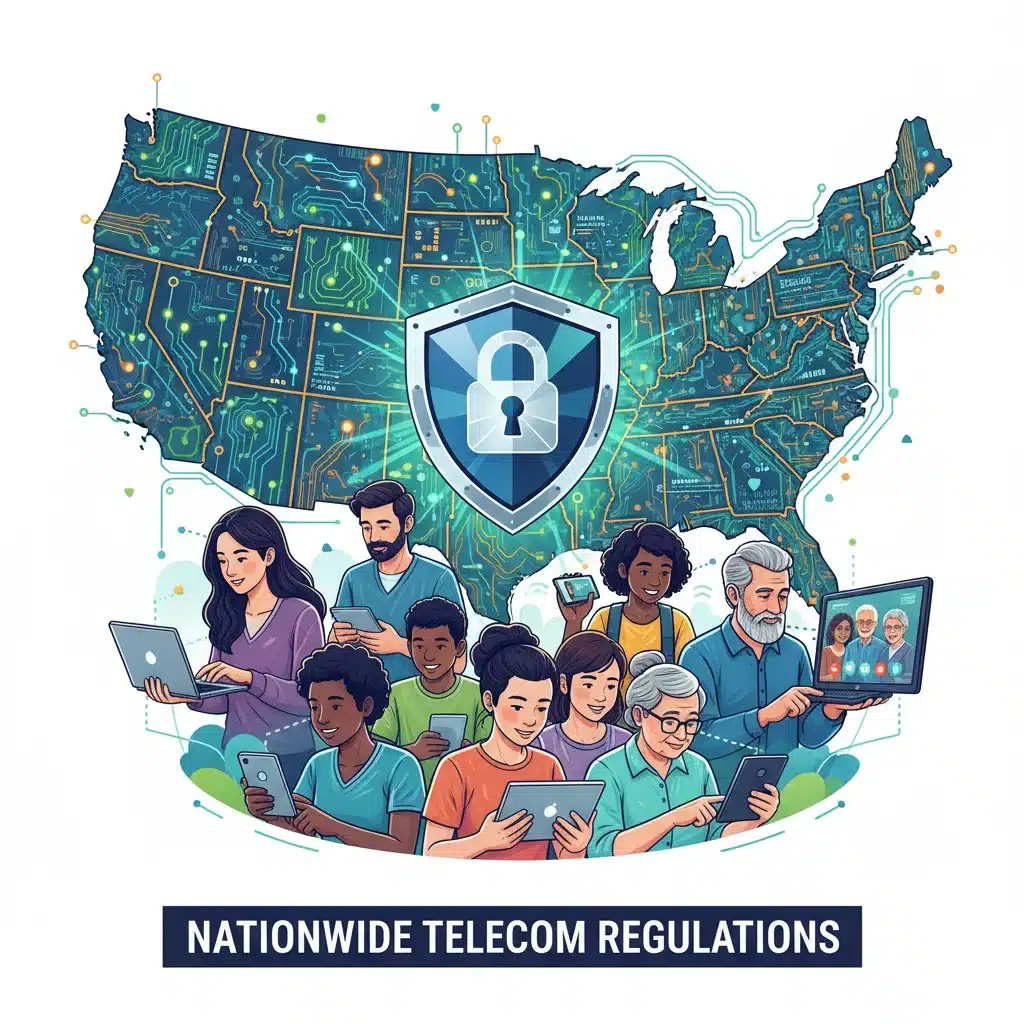
The Latest FCC Rules: What U.S. Consumers Need to Know About 2026 Telecom Protections (RECENT UPDATES)
The landscape of telecommunications in the United States is constantly evolving, and with it, the need for robust consumer protections. As we approach 2026, the Federal Communications Commission (FCC) is rolling out a series of updated rules and regulations designed to safeguard U.S. consumers in an increasingly complex digital world. These changes are not merely bureaucratic adjustments; they represent a significant step towards ensuring fairer access, stronger privacy, and more transparent services for everyone. Understanding these new FCC 2026 Protections is paramount for every American who uses a phone, accesses the internet, or relies on any form of telecommunication service.
From combating predatory practices to ensuring universal service and promoting digital equity, the FCC’s proactive stance aims to address many of the challenges consumers face today. This comprehensive guide will delve into the critical aspects of these upcoming regulations, offering clarity on what they mean for you, your data, and your access to essential services. Prepare to navigate the future of telecom with confidence, armed with the knowledge of your enhanced rights and the responsibilities of service providers under the new FCC 2026 Protections.
Understanding the Foundation: Why New FCC 2026 Protections Are Needed
The rapid pace of technological innovation, coupled with the increasing reliance on digital communication for work, education, healthcare, and social interaction, has created both immense opportunities and significant vulnerabilities. The existing regulatory framework, while periodically updated, often struggles to keep pace with the emergence of new services, business models, and potential threats to consumer welfare. This gap necessitates a more forward-looking and comprehensive approach, which is precisely what the FCC aims to achieve with its 2026 initiatives.
Several key factors underscore the urgency and importance of these new regulations:
- Technological Advancements: The proliferation of 5G, fiber optic networks, and the Internet of Things (IoT) brings faster speeds and more connected devices, but also new avenues for data collection and potential misuse.
- Evolving Consumer Expectations: Users now expect seamless, reliable, and secure communication, often without fully understanding the underlying complexities or risks.
- Market Consolidation: A concentrated market can lead to less competition, potentially resulting in higher prices, fewer choices, and reduced service quality for consumers.
- Persistent Digital Divide: Despite advancements, significant disparities in broadband access and affordability still exist, particularly in rural and underserved urban areas.
- Privacy and Security Concerns: High-profile data breaches and concerns about how personal information is collected, used, and shared by telecom providers remain a top priority for consumers.
- Scam and Robocall Epidemic: The relentless barrage of unwanted calls and messages continues to plague consumers, demanding more effective regulatory countermeasures.
These challenges collectively form the rationale behind the FCC’s push for updated and strengthened FCC 2026 Protections. The goal is to create a more equitable, secure, and transparent telecommunications environment that serves the best interests of all U.S. consumers.
Key Pillars of the FCC 2026 Protections: What’s Changing?
The upcoming FCC 2026 Protections encompass a broad range of areas, each designed to address specific consumer vulnerabilities and enhance overall service quality and fairness. While the full details are extensive, we can highlight several core pillars that will have the most significant impact on everyday Americans.
Enhanced Privacy and Data Security
In an age where personal data is often considered the new currency, protecting sensitive information is paramount. The FCC 2026 Protections are expected to significantly strengthen rules around how telecom providers collect, use, and share customer proprietary network information (CPNI) and other personal data. This includes:
- Stricter Consent Requirements: Providers will likely face more stringent requirements for obtaining explicit consumer consent before using or sharing data for purposes beyond providing the core service.
- Data Breach Notification: Clearer and more timely notification requirements for consumers in the event of a data breach, ensuring individuals can take protective measures quickly.
- Data Minimization: Encouraging or mandating practices that limit the collection of personal data to only what is necessary for the provision of services.
- Transparency: Greater transparency regarding data retention policies, third-party data sharing agreements, and consumer rights to access and correct their data.
These measures aim to give consumers greater control over their digital footprint and hold providers more accountable for safeguarding sensitive information. The emphasis here is on empowering individuals with the knowledge and tools to manage their privacy effectively, a crucial component of the FCC 2026 Protections.

Combating Robocalls and Scams
The fight against unwanted robocalls and fraudulent scams remains a top priority. The FCC 2026 Protections will build upon existing efforts, likely introducing new regulations to further curb these pervasive issues. Expected measures include:
- STIR/SHAKEN Implementation: Continued and possibly expanded enforcement of the STIR/SHAKEN caller ID authentication framework to prevent caller ID spoofing, making it harder for scammers to disguise their numbers.
- Traceback Efforts: Enhanced collaboration with law enforcement and industry partners to trace the origin of illegal robocalls and take action against perpetrators.
- Blocking Technologies: Encouraging or mandating service providers to offer more effective call-blocking tools to consumers, potentially with default settings that opt users into stronger protections.
- Text Message Scams: Addressing the growing threat of scam text messages (smishing) with new rules to combat fraudulent texts and protect consumers from malicious links and phishing attempts.
These initiatives are critical for restoring trust in the telecommunications system and protecting consumers from financial harm and harassment, forming a vital part of the FCC 2026 Protections.
Promoting Broadband Access and Affordability
Access to reliable and affordable broadband internet is no longer a luxury but a necessity. The FCC 2026 Protections are expected to reinforce efforts to close the digital divide, ensuring that more Americans have the opportunity to connect. This involves:
- Universal Service Fund (USF) Reforms: Potential reforms to the USF to better target subsidies and support broadband deployment in unserved and underserved areas, ensuring efficient use of funds.
- Affordability Programs: Continued support for programs like the Affordable Connectivity Program (ACP) or new initiatives designed to lower the cost of internet service for low-income households.
- Broadband Mapping: Improved and more granular broadband mapping data to accurately identify areas lacking adequate service, allowing for more targeted infrastructure investment.
- Digital Inclusion Initiatives: Funding and policies to support digital literacy programs and access to devices, ensuring that even with access, individuals have the skills and equipment to utilize broadband effectively.
By focusing on both infrastructure and affordability, the FCC aims to make the promise of universal broadband a reality under the umbrella of FCC 2026 Protections.
Net Neutrality and Open Internet Principles
The debate around net neutrality has been a contentious one, but the FCC 2026 Protections are likely to re-emphasize principles that ensure a free and open internet. This means:
- No Throttling: Prohibiting internet service providers (ISPs) from intentionally slowing down, speeding up, or blocking content, applications, or websites.
- No Paid Prioritization: Preventing ISPs from creating ‘fast lanes’ for companies willing to pay more, ensuring all content is treated equally.
- Transparency: Requiring ISPs to clearly disclose their network management practices, data caps, and performance metrics to consumers.
These principles are crucial for fostering innovation, protecting free speech, and ensuring that consumers have unfettered access to the entire internet, without interference from their service providers. The return or reinforcement of net neutrality principles is a significant component of the FCC 2026 Protections.
Consumer Billing and Transparency
Hidden fees, confusing bills, and unclear terms of service have long been pain points for telecom consumers. The FCC 2026 Protections aim to bring greater clarity and fairness to billing practices:
- “All-in” Pricing: Potentially mandating that advertised prices include all mandatory fees, making it easier for consumers to compare services accurately.
- Clearer Bill Statements: Requirements for more understandable and itemized billing statements, making it easier for consumers to see what they are paying for.
- Subscription Management: Easier processes for consumers to cancel services or modify their subscriptions without undue hassle or hidden charges.
- Contract Transparency: Clearer disclosure of contract terms, early termination fees, and promotional offer conditions.
These measures are designed to eliminate bill shock and empower consumers to make more informed decisions about their telecom services, a practical application of the FCC 2026 Protections.
Impact on Consumers: What You Need to Know
The FCC 2026 Protections are designed with the consumer at their core. While the specific implementation details will unfold over time, here’s a general overview of how these changes are expected to impact your daily life:
Greater Control Over Your Data
You can expect to have more say in how your personal information is used by your internet and phone providers. This means more explicit consent requests and clearer options to opt-out of certain data-sharing practices. The goal is to shift power back to the individual, giving you agency over your digital privacy, a cornerstone of the FCC 2026 Protections.
Fewer Annoying Robocalls and Scams
While the fight against robocalls is ongoing, the strengthened regulations under FCC 2026 Protections should lead to a noticeable reduction in unwanted calls and texts. You may find your phone rings less often with spam, and the calls you do receive are more likely to be legitimate. This will contribute to a less intrusive and safer communication experience.
More Reliable and Affordable Internet Options
For those in underserved areas, the push for universal broadband access could mean new or improved internet services becoming available. For all consumers, programs aimed at affordability could significantly reduce your monthly internet bill, making high-speed access more attainable. These efforts are central to bridging the digital divide under the FCC 2026 Protections.
Fairer and More Transparent Billing
Say goodbye to unexpected fees and confusing charges. The emphasis on “all-in” pricing and clearer billing statements will make it easier to understand exactly what you’re paying for and compare different service plans. This transparency will empower you to make better financial decisions regarding your telecom services.
An Open and Unrestricted Internet
With renewed focus on net neutrality, you can be more confident that your internet service provider won’t block, slow down, or prioritize certain content. This ensures that you have equal access to all information, entertainment, and services available online, fostering a truly open digital environment as intended by the FCC 2026 Protections.
Stronger Consumer Advocacy
The FCC’s heightened focus on consumer protection means that there will likely be clearer pathways for filing complaints and seeking redress if you encounter issues with your service provider. This increased accountability is a significant benefit of the FCC 2026 Protections.
In essence, the FCC 2026 Protections are designed to create a more trustworthy, accessible, and user-friendly telecommunications ecosystem for every American. Staying informed about these changes will enable you to fully leverage your new rights and benefits.
What Can Consumers Do to Prepare for the FCC 2026 Protections?
While many of the FCC 2026 Protections place responsibilities squarely on service providers, there are proactive steps you can take as a consumer to maximize the benefits and stay informed:
- Review Your Current Plans and Bills: Take the time to understand your existing telecom contracts, data caps, and monthly charges. As new billing transparency rules come into effect, you’ll be better equipped to spot discrepancies or identify potential savings.
- Stay Informed: Regularly check the FCC’s official website and reputable consumer advocacy sites for updates on the implementation of the 2026 rules. Knowledge is your best defense.
- Exercise Your Privacy Rights: As providers implement stronger privacy controls, be prepared to review and adjust your privacy settings with your internet and mobile carriers. Opt-out of data sharing you’re uncomfortable with.
- Utilize Available Tools: Take advantage of any call-blocking or spam-filtering tools offered by your service provider or third-party apps. Report suspicious calls and texts to the FCC or relevant authorities.
- Support Digital Inclusion: If you are in a position to, advocate for continued funding and support for programs that help bridge the digital divide, such as the Affordable Connectivity Program.
- Provide Feedback: The FCC often solicits public comments on proposed rules. If an issue is particularly important to you, consider submitting your feedback to help shape future regulations.
- Be Wary of Scams: Even with enhanced protections, scammers will continue to evolve their tactics. Remain vigilant against phishing attempts, suspicious links, and unsolicited requests for personal information.
- Compare Providers: With potentially increased competition and transparency, regularly compare services and prices from different providers to ensure you are getting the best value and service quality.
By actively engaging with these changes and understanding your rights, you can ensure you are fully protected and empowered by the FCC 2026 Protections.
Challenges and Future Outlook of FCC 2026 Protections
While the FCC 2026 Protections represent a significant positive step, their implementation will not be without challenges. The telecommunications industry is vast and complex, with powerful stakeholders who may resist certain regulations. Potential hurdles include:
- Industry Pushback: Service providers may lobby against rules they perceive as burdensome or costly, potentially delaying or weakening some aspects of the regulations.
- Technological Evolution: The rapid pace of technological change means that even comprehensive rules can quickly become outdated, requiring continuous monitoring and adaptation by the FCC.
- Enforcement Challenges: Effectively enforcing new regulations across thousands of providers and billions of daily communications is a monumental task that requires significant resources and vigilance.
- Political Shifts: The regulatory landscape can be influenced by changes in political leadership and priorities, potentially leading to shifts in approach or enforcement of the FCC 2026 Protections.
- Global Nature of Telecom: Many issues, especially related to robocalls and data security, have international dimensions, requiring global cooperation that can be difficult to coordinate.
Despite these challenges, the intent behind the FCC 2026 Protections is clear: to prioritize the American consumer. The FCC will likely continue to monitor the effectiveness of these rules, adapting and refining them as needed to address emerging issues and ensure they remain relevant in a dynamic telecommunications environment.
The future outlook for U.S. telecom consumers under these new rules is generally optimistic. With a stronger regulatory framework in place, consumers can anticipate a more secure, transparent, and equitable digital experience. The emphasis on privacy, affordability, and protection against harmful practices will contribute to a healthier and more trustworthy telecommunications ecosystem. However, sustained consumer awareness and advocacy will be crucial to ensure these protections are fully realized and maintained.
Conclusion: A Safer, More Equitable Digital Future with FCC 2026 Protections
The upcoming FCC 2026 Protections mark a pivotal moment for U.S. telecom consumers. These comprehensive regulations are designed to address the most pressing issues of our digital age, from safeguarding personal privacy and combating pervasive robocalls to ensuring equitable access to high-speed internet and promoting transparent billing practices. This is not just about compliance for service providers; it’s about empowering every American with the confidence and security to navigate their increasingly connected lives.
As these rules take full effect, consumers can look forward to a telecommunications environment that is more aligned with their rights and expectations. Greater control over personal data, a significant reduction in digital harassment, more affordable and accessible internet options, and clearer, fairer billing are among the tangible benefits expected. While the path to full implementation may present challenges, the FCC’s commitment to consumer welfare is clear.
Staying informed, understanding your rights, and actively engaging with the tools and resources available will be key to fully leveraging the advantages offered by the FCC 2026 Protections. The future of U.S. telecommunications promises to be more secure, more equitable, and ultimately, more user-friendly for all.