Estate Planning 2026: Essential Updates for Legacy Protection & Asset Security

The year 2026 is rapidly approaching, bringing with it significant changes and considerations for individuals and families engaged in estate planning. As the financial and legal landscapes evolve, so too must our approach to securing our legacies and protecting our hard-earned assets. Proactive and informed Estate Planning 2026 is not merely a recommendation; it’s a necessity for anyone looking to ensure their wishes are honored and their beneficiaries are protected. This comprehensive guide will delve into the essential updates, potential legislative shifts, and strategic approaches you need to consider to master Estate Planning 2026.
Estate planning is a dynamic field, constantly influenced by economic conditions, tax laws, and societal changes. What was effective five or ten years ago might not be the optimal strategy today, let alone in 2026. Therefore, understanding the nuances of Estate Planning 2026 is paramount. It’s about more than just drafting a will; it encompasses a holistic approach to managing your assets, planning for incapacitation, minimizing tax burdens, and ensuring a smooth transition of wealth to future generations or designated charities.
The Evolving Landscape of Estate Planning 2026
Several factors are set to influence Estate Planning 2026. Key among these are potential changes to federal estate tax exemptions, evolving state-level regulations, and the increasing complexity of digital assets. Staying abreast of these shifts is crucial for any effective estate plan.
Federal Estate Tax Exemption in 2026: A Critical Juncture
Perhaps the most significant change impacting Estate Planning 2026 relates to the federal estate tax exemption. Under current law, the increased exemption amounts established by the Tax Cuts and Jobs Act (TCJA) of 2017 are set to sunset at the end of 2025. This means that as of January 1, 2026, the basic exclusion amount is scheduled to revert to its pre-TCJA level, adjusted for inflation. While the exact figure will depend on inflation, it is anticipated to be significantly lower than the current exemption, potentially affecting a much broader segment of the population.
For individuals with substantial estates, this reduction could mean a dramatic increase in potential estate tax liability. This makes strategic planning in 2026 more critical than ever. High-net-worth individuals who have not yet utilized their current, higher exemption amounts through gifting or other strategies may find themselves in a race against time. Understanding the implications of this sunset provision is fundamental to sound Estate Planning 2026.
State-Level Estate and Inheritance Taxes
Beyond federal changes, it’s vital to remember that many states impose their own estate or inheritance taxes, often with different exemption thresholds and rates. These state-specific regulations can significantly impact your overall estate plan. As part of your Estate Planning 2026 review, it’s essential to understand the tax laws in your state of residence, and potentially in any other states where you own significant property. Some states may adjust their own tax laws in response to federal changes, adding another layer of complexity.
The Rise of Digital Assets in Estate Planning 2026
In our increasingly digital world, digital assets have become a significant component of many estates. From cryptocurrency and online accounts to intellectual property stored digitally, these assets often pose unique challenges for Estate Planning 2026. Accessing and distributing digital assets after an individual’s passing can be complicated by passwords, terms of service agreements, and a lack of clear legal frameworks in some jurisdictions.
A robust estate plan for 2026 must include provisions for managing digital assets. This involves creating an inventory of all digital accounts, specifying access instructions, and designating digital fiduciaries who can manage these assets according to your wishes. Without proper planning, digital assets could become inaccessible or lost, diminishing the value of your estate and causing distress for your heirs.
Key Strategies for Effective Estate Planning 2026
Given the anticipated changes, a proactive approach to Estate Planning 2026 is essential. Here are some key strategies to consider:
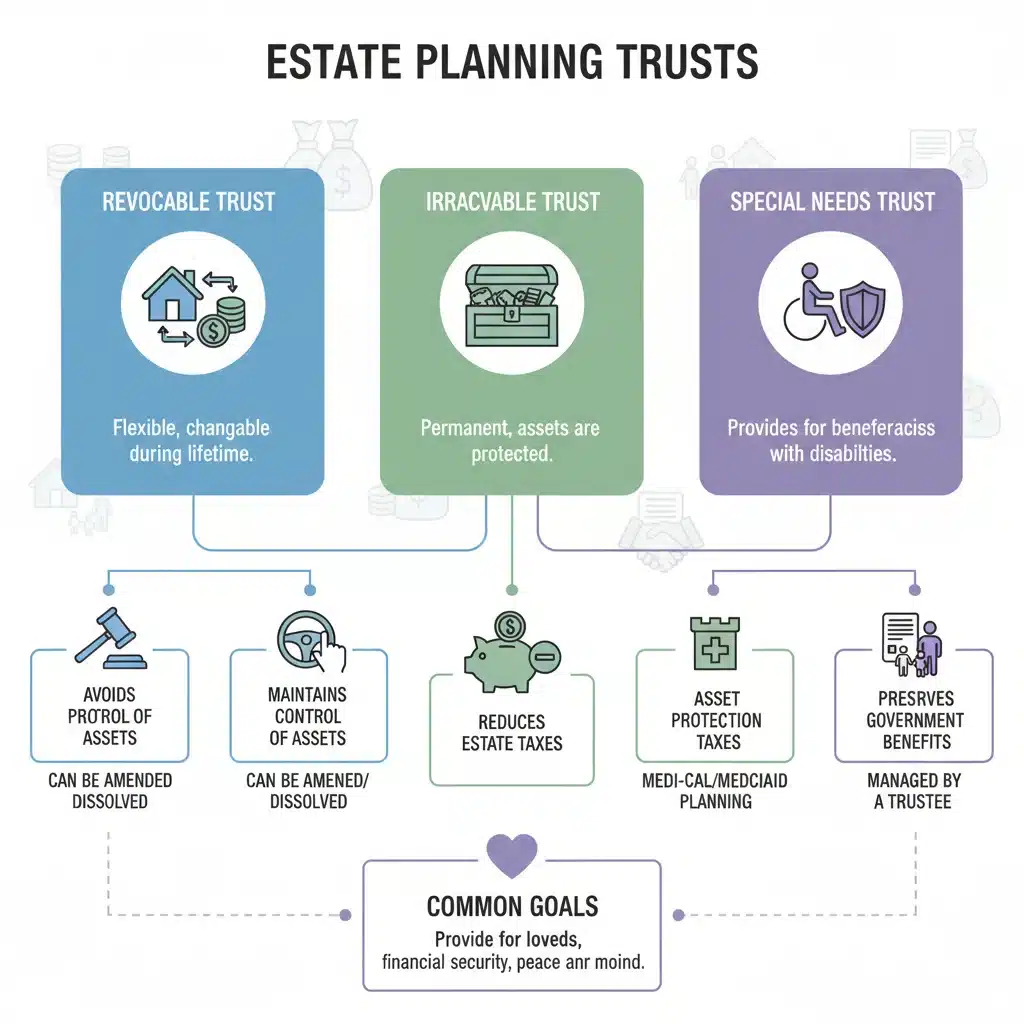
1. Review and Update Your Will and Trusts
Your will is the cornerstone of your estate plan, outlining how your assets will be distributed and who will care for minor children. Trusts, meanwhile, offer greater flexibility, privacy, and potential tax advantages. As part of your Estate Planning 2026 strategy, it is imperative to review your existing will and any trusts you have established. Are your beneficiaries still current? Are your chosen executors and trustees still appropriate and willing to serve? Do the terms of your trusts align with your current financial situation and future goals?
With the potential reduction in federal estate tax exemptions, certain types of trusts, such as irrevocable trusts, may become even more attractive for high-net-worth individuals looking to remove assets from their taxable estate. Consulting with an estate planning attorney to discuss the optimal trust structures for your specific situation is highly recommended.
2. Maximizing Gifting Strategies Before 2026
For those with significant wealth, the period leading up to 2026 presents a critical window for maximizing gifting strategies. Utilizing the current, higher federal gift tax exemption amount allows you to transfer assets out of your estate without incurring gift tax. This can be a powerful tool for reducing your taxable estate before the exemption potentially decreases. Strategies might include making large gifts directly to individuals, funding irrevocable trusts, or establishing grantor retained annuity trusts (GRATs).
It’s important to note that any gifts made under the higher exemption amounts are generally “locked in” and will not be clawed back if the exemption amount decreases. This makes pre-2026 gifting a compelling option for many. However, these strategies require careful planning and execution with the guidance of experienced legal and financial professionals.
3. Reassessing Beneficiary Designations
Many assets, such as life insurance policies, retirement accounts (401(k)s, IRAs), and annuities, pass directly to designated beneficiaries, bypassing the probate process and, in some cases, the terms of your will. Therefore, ensuring your beneficiary designations are up-to-date and align with your overall Estate Planning 2026 goals is crucial. A common mistake is forgetting to update beneficiaries after major life events like marriage, divorce, or the birth of a child.
For retirement accounts, understanding the rules for inherited IRAs and other qualified plans is particularly important. The SECURE Act of 2019 significantly altered the distribution rules for non-spouse beneficiaries, generally requiring them to deplete the account within 10 years. This change has profound implications for tax planning for beneficiaries and should be factored into your Estate Planning 2026 discussions.
4. Planning for Incapacity: Powers of Attorney and Healthcare Directives
Estate planning isn’t just about what happens after you’re gone; it’s also about preparing for potential incapacitation during your lifetime. As part of your Estate Planning 2026 review, ensure you have robust durable powers of attorney for financial matters and advance healthcare directives (living wills, healthcare proxies) in place. These documents empower trusted individuals to make decisions on your behalf if you become unable to do so, preventing potential legal battles and ensuring your wishes are respected regarding your finances and medical care.
5. Incorporating Digital Asset Planning
As previously mentioned, digital assets are no longer an afterthought. For Estate Planning 2026, dedicate a specific section to detailing your digital footprint. This includes:
- Online bank accounts, investment platforms, and cryptocurrency wallets.
- Social media accounts, email accounts, and cloud storage.
- Digital photos, videos, and intellectual property.
- Subscription services and online memberships.
Consider using secure digital vault services or a detailed letter of instruction to your digital fiduciary. It’s crucial to balance accessibility with security, ensuring that sensitive information is protected while still being retrievable by your chosen representative.
6. Business Succession Planning
For business owners, Estate Planning 2026 must include a comprehensive business succession plan. This determines how your business will be managed and transferred in the event of your retirement, incapacitation, or death. Without a clear plan, your business could face significant disruption, financial distress, or even forced sale. Options include buy-sell agreements, gifting of ownership interests, or establishing a trust to hold business assets. This complex area requires specialized legal and financial advice.
7. Charitable Giving Strategies
If philanthropy is part of your legacy, Estate Planning 2026 offers various strategies to incorporate charitable giving. These can include direct bequests in your will, establishing charitable trusts (such as Charitable Remainder Trusts or Charitable Lead Trusts), or creating a Donor-Advised Fund. Charitable giving can not only support causes you care about but also provide potential estate and income tax benefits, especially if the federal estate tax exemption decreases.
8. Property Ownership and Titling
The way your assets are titled can have a significant impact on how they pass to your heirs and whether they are subject to probate. Reviewing the titling of your real estate, bank accounts, and investment accounts is an important part of Estate Planning 2026. Joint tenancy with right of survivorship, tenancy by the entirety, and transfer-on-death (TOD) or payable-on-death (POD) designations can all affect the distribution process and potential tax implications. Ensure your property titling aligns with your overall estate plan objectives.
The Role of Professional Advisors in Estate Planning 2026
Navigating the complexities of Estate Planning 2026 effectively requires a team approach. Engaging with qualified professionals is not just beneficial; it’s often essential to ensure your plan is legally sound, tax-efficient, and aligned with your personal goals.
Estate Planning Attorney
An experienced estate planning attorney is your primary guide. They will draft your will, trusts, powers of attorney, and other legal documents, ensuring they comply with current laws and accurately reflect your wishes. They can provide invaluable advice on navigating the potential changes in federal estate tax exemptions and state-specific regulations for Estate Planning 2026.
Financial Advisor
A financial advisor plays a crucial role in assessing your current financial situation, projecting future needs, and integrating your investment strategies with your estate plan. They can help you understand the tax implications of various asset distributions and recommend strategies to grow and preserve your wealth for future generations, especially in the context of Estate Planning 2026.
Tax Professional (CPA)
A Certified Public Accountant (CPA) specializes in tax matters and can provide expert guidance on minimizing estate, gift, and income taxes. They can work in conjunction with your attorney and financial advisor to develop tax-efficient strategies for your assets and beneficiaries, which will be particularly important given the impending changes in 2026.
Insurance Agent
Life insurance can be a powerful tool in Estate Planning 2026, providing liquidity to cover estate taxes, equalize inheritances, or provide for dependents. An insurance agent can help you assess your needs and select appropriate policies to complement your overall estate plan.
Common Pitfalls to Avoid in Estate Planning 2026
Even with the best intentions, several common mistakes can undermine an estate plan. Being aware of these pitfalls can help you avoid them in your Estate Planning 2026 efforts:
-
Procrastination: The most significant pitfall is delaying the process. Life is unpredictable, and waiting until “later” can leave your loved ones unprepared and your assets unprotected. With the 2026 changes looming, procrastination is even riskier.
-
Failing to Update: An estate plan is not a “set it and forget it” document. Life events (marriage, divorce, births, deaths, changes in financial status) and legislative changes (like those expected in Estate Planning 2026) necessitate regular reviews and updates.
-
Lack of Communication: Failing to communicate your wishes to your chosen fiduciaries (executors, trustees, agents) can lead to confusion and disputes. Openly discussing your plan and the reasoning behind your decisions can prevent future misunderstandings.
-
Not Addressing Digital Assets: As highlighted, ignoring digital assets is a growing problem. Ensure your plan explicitly addresses how these assets will be managed and distributed.
-
Underestimating Tax Implications: Without professional guidance, individuals often underestimate the potential impact of estate, gift, and income taxes on their legacy. Strategic tax planning is a cornerstone of effective Estate Planning 2026.
-
Ignoring State Laws: Relying solely on federal guidelines without considering state-specific estate or inheritance tax laws can lead to unexpected tax burdens or complications.
The Human Element: Beyond the Legal Documents
While legal documents and tax strategies are critical, effective Estate Planning 2026 also involves the human element. It’s about ensuring your values, wishes, and family harmony are preserved. This includes:
-
Ethical Wills or Legacy Letters: These non-legal documents allow you to convey your values, life lessons, and personal messages to your heirs, providing a priceless legacy that transcends financial assets.
-
Family Meetings: Consider holding family meetings to discuss your estate plan (to an appropriate extent) with your adult children or other key beneficiaries. This can foster transparency, reduce surprises, and minimize potential conflicts after your passing.
-
Care for Special Needs Dependents: If you have dependents with special needs, your Estate Planning 2026 must include a Special Needs Trust to provide for their care without jeopardizing their eligibility for government benefits.
-
Pet Planning: For many, pets are cherished family members. Including provisions in your will or establishing a pet trust to ensure their ongoing care is a thoughtful aspect of comprehensive estate planning.

Conclusion: Proactive Planning for a Secure 2026 and Beyond
The landscape of Estate Planning 2026 is marked by significant changes, particularly concerning federal estate tax exemptions and the growing importance of digital assets. While these shifts present challenges, they also offer opportunities for proactive individuals to solidify their legacies and ensure their assets are protected according to their wishes.
The time to act is now. Don’t wait for 2026 to arrive before reviewing and updating your estate plan. Engage with a team of qualified professionals – an estate planning attorney, financial advisor, and tax professional – to develop a personalized strategy that addresses your unique circumstances and goals. By taking these essential steps, you can navigate the complexities of Estate Planning 2026 with confidence, providing peace of mind for yourself and security for your loved ones for years to come.
Remember, a well-crafted estate plan is one of the most profound gifts you can leave to your family. It’s an act of love and responsibility that ensures your legacy endures and your vision for the future is realized. Start your Estate Planning 2026 review today and secure tomorrow.