Eco-Labeling 2026: Navigating Sustainable Products in the U.S.
In an era where environmental consciousness is no longer a niche concern but a global imperative, the demand for sustainable products has surged dramatically. Consumers, increasingly aware of their ecological footprint, are actively seeking goods and services that align with their values. However, this growing demand has unfortunately given rise to a complex landscape of eco-labels, certifications, and marketing claims, making it challenging to discern truly sustainable products from those merely adorned with ‘greenwash’. As we look ahead to 2026, the need for clear, actionable insights into identifying genuinely sustainable products in the U.S. has never been more critical. This comprehensive guide will equip you with the insider knowledge necessary to navigate this intricate world, empowering you to make informed, impactful purchasing decisions.
The journey towards a sustainable future is paved with conscious choices. Every product we buy, every service we use, carries an environmental and social impact. Understanding these impacts and choosing products that minimize harm while maximizing benefit is paramount. But how do we, as consumers, cut through the noise and identify the real champions of sustainability? This article delves deep into the evolving landscape of eco-labeling, regulatory frameworks, and consumer vigilance, providing you with a robust framework for sustainable product identification in the U.S. for 2026 and beyond.
The Evolving Landscape of Eco-Labeling in 2026
The world of eco-labels is dynamic, constantly adapting to new scientific understanding, technological advancements, and consumer expectations. What might have been considered a robust certification a few years ago could be outdated or even misleading today. In 2026, we anticipate a more standardized yet still diverse array of labels, driven by both governmental initiatives and industry-led efforts. The challenge lies in distinguishing between credible, third-party verified labels and self-proclaimed ‘green’ badges that lack substance.
One of the primary drivers of this evolution is the increasing scrutiny from consumer advocacy groups and regulatory bodies. The Federal Trade Commission (FTC) in the U.S., for instance, periodically updates its Green Guides, which provide guidance on environmental marketing claims. Staying abreast of these updates is crucial for both businesses and consumers. In 2026, expect continued emphasis on specificity, substantiation, and clarity in environmental claims. Vague terms like ‘eco-friendly’ or ‘natural’ without further explanation are increasingly being challenged.
Furthermore, the rise of digital platforms and blockchain technology is beginning to offer new avenues for transparency. Some companies are exploring ways to track the entire lifecycle of a product, from raw material sourcing to the consumer’s hand, providing an immutable record of its sustainability credentials. While not yet mainstream, these technologies hold immense promise for enhancing trust and verifiability in the sustainable product market.
Another significant trend in 2026 is the convergence of environmental and social sustainability. Consumers are not just looking for products that are good for the planet; they also want to ensure they are produced ethically, with fair labor practices and responsible supply chains. This holistic view of sustainability means that labels focusing solely on environmental aspects may be perceived as less comprehensive than those that encompass social equity as well. This integrated approach to sustainability is becoming a hallmark of truly responsible brands.
Key Characteristics of Reliable Eco-Labels
With so many labels vying for attention, how can you identify those that truly signify a sustainable product? Here are the key characteristics of reliable eco-labels:
- Third-Party Verification: The most crucial aspect. A credible eco-label is issued by an independent, impartial organization that assesses a product or company against predefined environmental and/or social standards. This ensures objectivity and reduces the risk of greenwashing.
- Transparency: Reliable labels are transparent about their criteria, assessment methods, and governance. You should be able to easily find information about what the label signifies and how it’s awarded.
- Clear Standards: The standards behind the label should be clear, measurable, and publicly available. They should cover specific environmental or social impacts, such as energy consumption, water usage, waste generation, fair labor, or ethical sourcing.
- Lifecycle Approach: The best labels consider a product’s entire lifecycle, from raw material extraction to manufacturing, transportation, use, and disposal. This holistic view helps to avoid shifting environmental burdens from one stage to another.
- Continuous Improvement: Leading certification programs often encourage continuous improvement, with periodic reviews and updates to their standards to reflect new research and best practices.
- Accessibility: While the depth of information can be complex, the core meaning of the label should be easily understandable for the average consumer.
By focusing on these characteristics, you can significantly improve your ability to identify genuinely sustainable products and avoid misleading claims. Remember, a single, vague claim on a product without a verifiable label is a red flag.
Decoding U.S. Eco-Certifications: What to Look For
Navigating the specific eco-certifications prevalent in the U.S. market requires a discerning eye. While a comprehensive list would be exhaustive, understanding the categories and some prominent examples will empower you to make informed decisions. In 2026, certain certifications are gaining more traction due to their robust standards and widespread recognition.
Environmental Certifications: Focus on the Planet
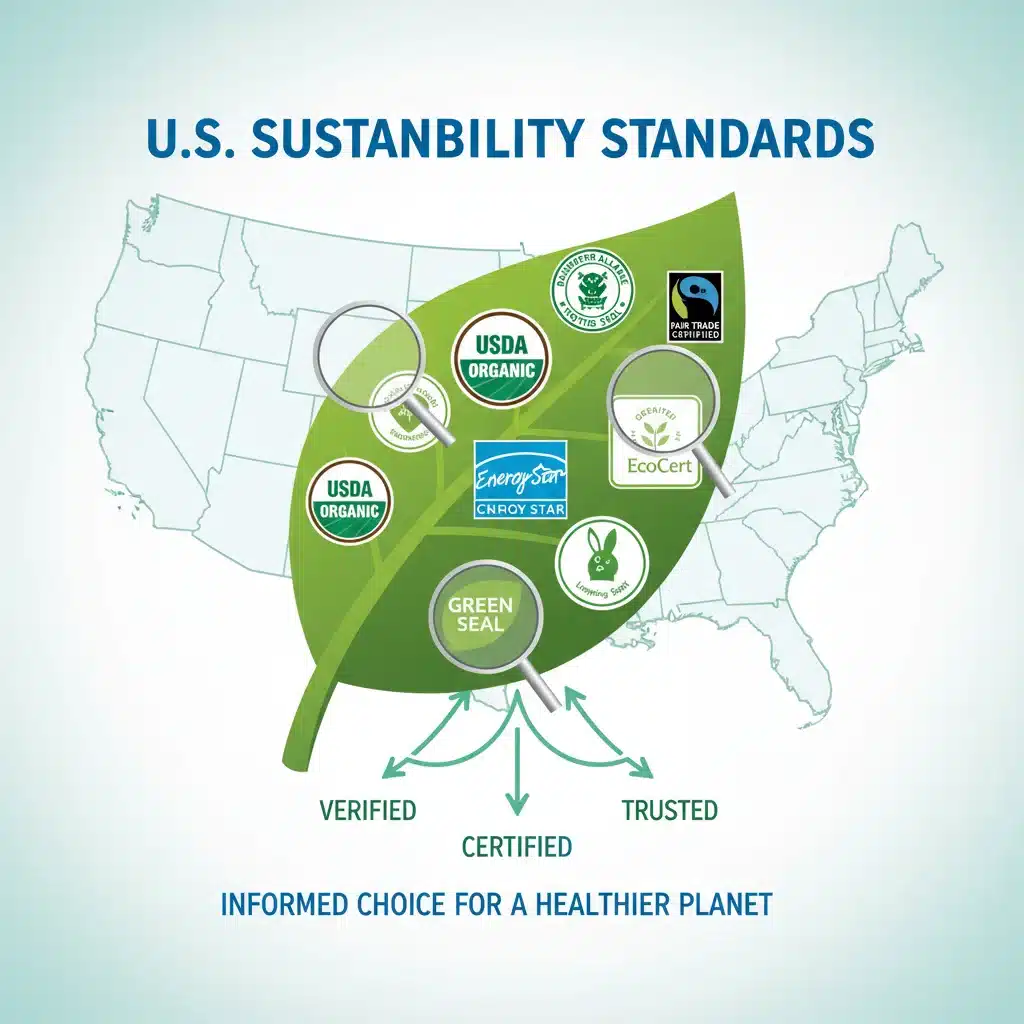
- USDA Organic: While primarily focused on agricultural products, the USDA Organic seal signifies that a product has been produced without synthetic pesticides, fertilizers, GMOs, or sewage sludge. For processed foods, it means at least 95% organic ingredients. This is a well-established and highly recognized label for food and some personal care products.
- ENERGY STAR: This familiar blue label, overseen by the EPA, indicates that a product (appliances, electronics, lighting) meets strict energy efficiency guidelines. Choosing ENERGY STAR products significantly reduces household energy consumption and utility bills.
- Forest Stewardship Council (FSC) Certification: For wood and paper products, FSC certification ensures that the materials come from responsibly managed forests that provide environmental, social, and economic benefits. Look for the FSC ‘check-mark-and-tree’ logo.
- Green Seal: This non-profit organization certifies a wide range of products, from cleaning supplies to paints and building materials, based on rigorous lifecycle-based sustainability standards. Their criteria often go beyond regulatory requirements.
- ECOLOGO: Part of UL Environment, ECOLOGO certified products meet multi-attribute, lifecycle-based sustainability standards. This covers various product categories, including cleaning products, personal care, and building materials.
- Cradle to Cradle Certified: This certification assesses products for environmental and social performance across five categories: material health, material reutilization, renewable energy and carbon management, water stewardship, and social fairness. It promotes a circular economy model.
Social & Ethical Certifications: People and Planet Together
- Fair Trade Certified: This label, found on products like coffee, chocolate, and apparel, ensures that farmers and workers receive fair prices, safe working conditions, and community development funds. It addresses both social equity and environmental responsibility in many cases.
- B Corp Certification: While not a product label, B Corp certification signifies that a company meets rigorous standards of social and environmental performance, accountability, and transparency. Supporting B Corps means supporting businesses committed to using business as a force for good.
- Global Organic Textile Standard (GOTS): For textiles, GOTS is the world’s leading processing standard for organic fibers, including ecological and social criteria. It covers the entire textile supply chain.
When you encounter a label, take a moment to research it. A quick online search for ‘Is [Label Name] legitimate?’ or visiting the website of the certifying body can provide invaluable insights. Reputable certifications will have clear websites detailing their standards and how products achieve certification. This proactive approach is key to effective sustainable product identification.
The Perils of Greenwashing: How to Spot Misleading Claims
Unfortunately, the growing consumer demand for sustainable products has also fueled the practice of greenwashing. Greenwashing refers to the act of misleading consumers regarding the environmental practices of a company or the environmental benefits of a product or service. It’s a deceptive marketing ploy that capitalizes on environmental concerns without genuine commitment to sustainability. In 2026, as regulations tighten, greenwashing tactics may become more subtle, but they remain prevalent.
Identifying greenwashing is crucial for truly sustainable product identification. Here are common greenwashing tactics and how to spot them:
- Vagueness: Using broad, undefined terms like ‘eco-friendly,’ ‘natural,’ ‘green,’ or ‘earth-friendly’ without specific details or certifications. What does ‘natural’ even mean in the context of a highly processed product?
- Irrelevance: Highlighting an environmentally friendly attribute that is legally required anyway or is simply irrelevant to the product’s overall impact. For example, a product claiming to be ‘CFC-free’ when CFCs (chlorofluorocarbons) have been banned for decades.
- Hidden Trade-offs: Emphasizing one minor sustainable attribute while ignoring larger environmental impacts. A product made from recycled content might still have a highly energy-intensive manufacturing process or be shipped halfway across the world.
- No Proof: Making environmental claims without providing any verifiable evidence, data, or third-party certifications to back them up. Always look for substantiation.
- Lesser of Two Evils: Promoting a product as ‘green’ compared to an even worse alternative, without addressing its own significant environmental drawbacks. For example, ‘green’ cigarettes are still harmful.
- Fibbing: Outright making false claims or using fake labels. While less common with increased scrutiny, always be wary of labels you’ve never seen before and can’t verify.
- Worshipping False Labels: Creating proprietary ‘eco-labels’ that look official but are self-created and lack independent verification or rigorous standards. These are often designed to mimic legitimate certifications.
To combat greenwashing, cultivate a healthy skepticism. If a claim seems too good to be true, it often is. Always ask for proof, look for credible third-party certifications, and consider the product’s entire lifecycle. A genuinely sustainable product will usually be transparent about its efforts, including areas where it’s still working to improve, rather than making sweeping, unsubstantiated claims.
Beyond the Label: Holistic Sustainable Product Identification
While eco-labels are invaluable tools, they are not the only determinant of a product’s sustainability. A holistic approach to sustainable product identification involves looking beyond the label to consider broader aspects of a company’s practices and a product’s lifecycle. In 2026, empowered consumers will integrate these broader considerations into their purchasing decisions.
Company Transparency and Values
Research the company behind the product. Do they have a publicly available sustainability report? Are they transparent about their supply chain? Do they engage in ethical labor practices? Companies with a genuine commitment to sustainability often integrate these values into their mission statement and operational practices, not just their marketing. Look for:
- Sustainability Reports: Many larger companies publish annual sustainability reports detailing their environmental and social performance.
- Supply Chain Transparency: Companies that are serious about sustainability will often disclose information about their suppliers, ensuring ethical sourcing and production.
- Certifications Beyond Products: Is the company itself certified (e.g., B Corp)? This indicates a broader commitment.
- Community Engagement: Do they support local communities or environmental initiatives?
Product Lifecycle Considerations
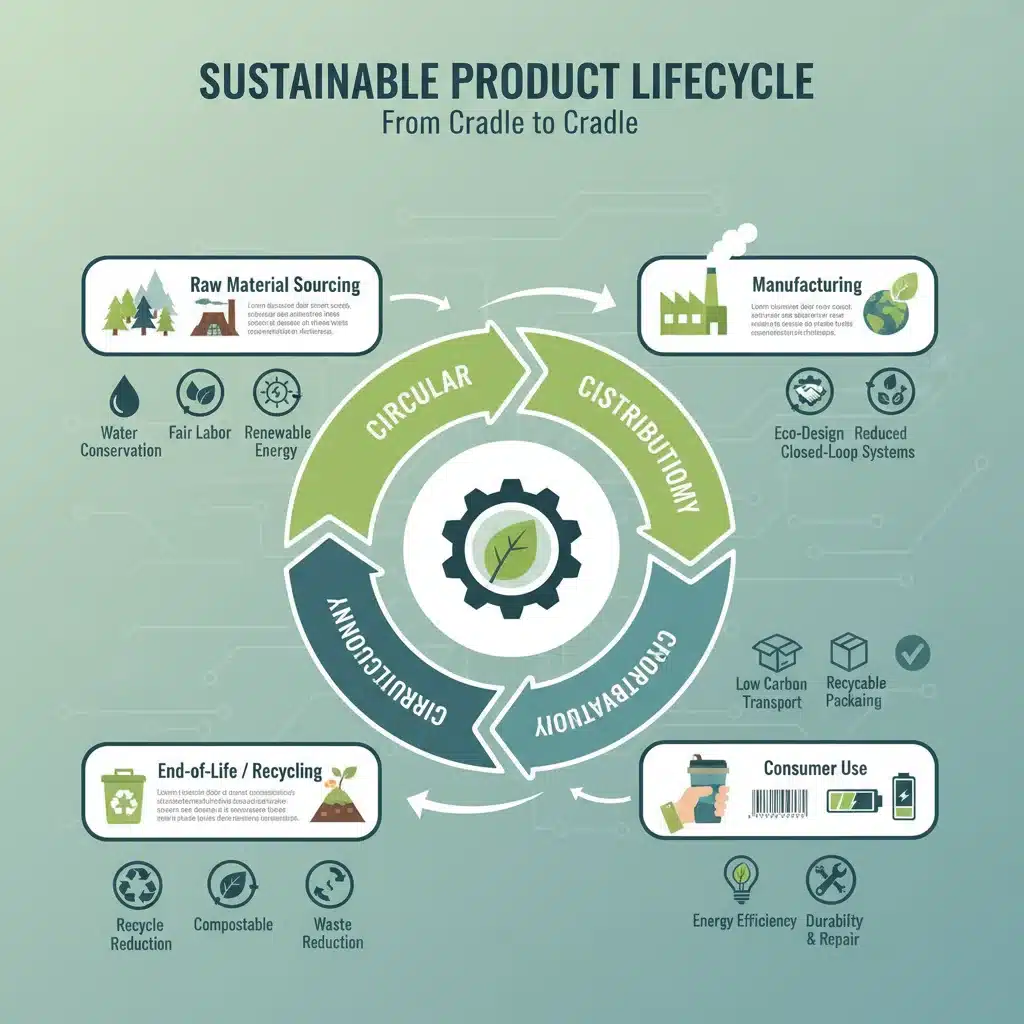
Think about the entire journey of a product. This lifecycle assessment provides a comprehensive view of its environmental impact:
- Raw Material Sourcing: Where do the materials come from? Are they renewable, recycled, or responsibly extracted? Are they locally sourced to reduce transportation emissions?
- Manufacturing Process: How is the product made? Does the factory use renewable energy? Are hazardous chemicals avoided? Is water conserved?
- Packaging: Is the packaging minimal, recyclable, compostable, or made from recycled content? Avoid excessive or non-recyclable packaging.
- Transportation: How far does the product travel from production to shelf? Local products generally have a lower carbon footprint.
- Usage Phase: How energy-efficient is the product during its use? How durable is it? Can it be repaired?
- End-of-Life: What happens to the product after you’re done with it? Can it be recycled, composted, or safely disposed of? Does the company offer take-back programs?
Considering these factors helps you move beyond a single ‘eco-label’ to a more nuanced understanding of a product’s true sustainability credentials. For instance, a product with a good eco-label but excessive, non-recyclable packaging might not be as sustainable as one with fewer labels but thoughtful, minimal packaging and a transparent, ethical supply chain.
The Role of Regulation and Consumer Advocacy in 2026
The landscape of sustainable product identification is not solely shaped by individual consumer choices; it is also heavily influenced by governmental regulations and the relentless efforts of consumer advocacy groups. In 2026, we can expect these forces to play an even more significant role in shaping the market for genuinely sustainable products in the U.S.
Governmental Oversight and Standards
The U.S. government, primarily through agencies like the Environmental Protection Agency (EPA) and the Federal Trade Commission (FTC), plays a critical role in setting standards and preventing deceptive practices. The FTC’s Green Guides are particularly relevant, offering businesses guidelines on how to make environmental marketing claims responsibly. These guides are not laws themselves, but they reflect the FTC’s interpretation of Section 5 of the FTC Act, which prohibits unfair or deceptive acts or practices.
In 2026, we anticipate continued updates to these guides, possibly incorporating new technologies or addressing emerging greenwashing tactics. There’s also a growing call for more mandatory reporting and standardization across industries, which could lead to clearer, more uniform environmental claims. For instance, discussions around carbon footprint labeling and standardized recycling instructions are gaining momentum. As a consumer, understanding that these regulatory frameworks exist provides a layer of protection and a baseline for what to expect from product claims.
The Power of Consumer Advocacy
Consumer advocacy groups are vital watchdogs in the sustainability space. Organizations like the Environmental Working Group (EWG), Consumers Union (publisher of Consumer Reports), and others actively research, expose greenwashing, and champion stronger environmental regulations. They often provide accessible databases and guides to help consumers identify truly sustainable products and avoid harmful ones.
These groups empower consumers by:
- Conducting Independent Research: They test products, analyze claims, and publish their findings, often revealing discrepancies between marketing and reality.
- Educating the Public: They create resources, articles, and campaigns to inform consumers about sustainable practices and how to make better choices.
- Lobbying for Change: They advocate for stronger environmental policies, better labeling laws, and increased corporate accountability.
- Highlighting Best Practices: They often spotlight companies and products that genuinely excel in sustainability, providing positive reinforcement for responsible businesses.
By engaging with these advocacy groups and utilizing their resources, you can significantly enhance your ability to perform sustainable product identification effectively. Their independent assessments offer a valuable counterpoint to corporate marketing messages.
Practical Steps for Sustainable Product Identification in 2026
Putting all this knowledge into practice might seem daunting at first, but with a few consistent habits, sustainable product identification can become second nature. Here are practical steps you can take:
- Educate Yourself on Key Certifications: Start by familiarizing yourself with 3-5 major, reputable eco-labels relevant to the products you buy most often (e.g., USDA Organic for food, ENERGY STAR for appliances, FSC for paper). Don’t try to learn all of them at once.
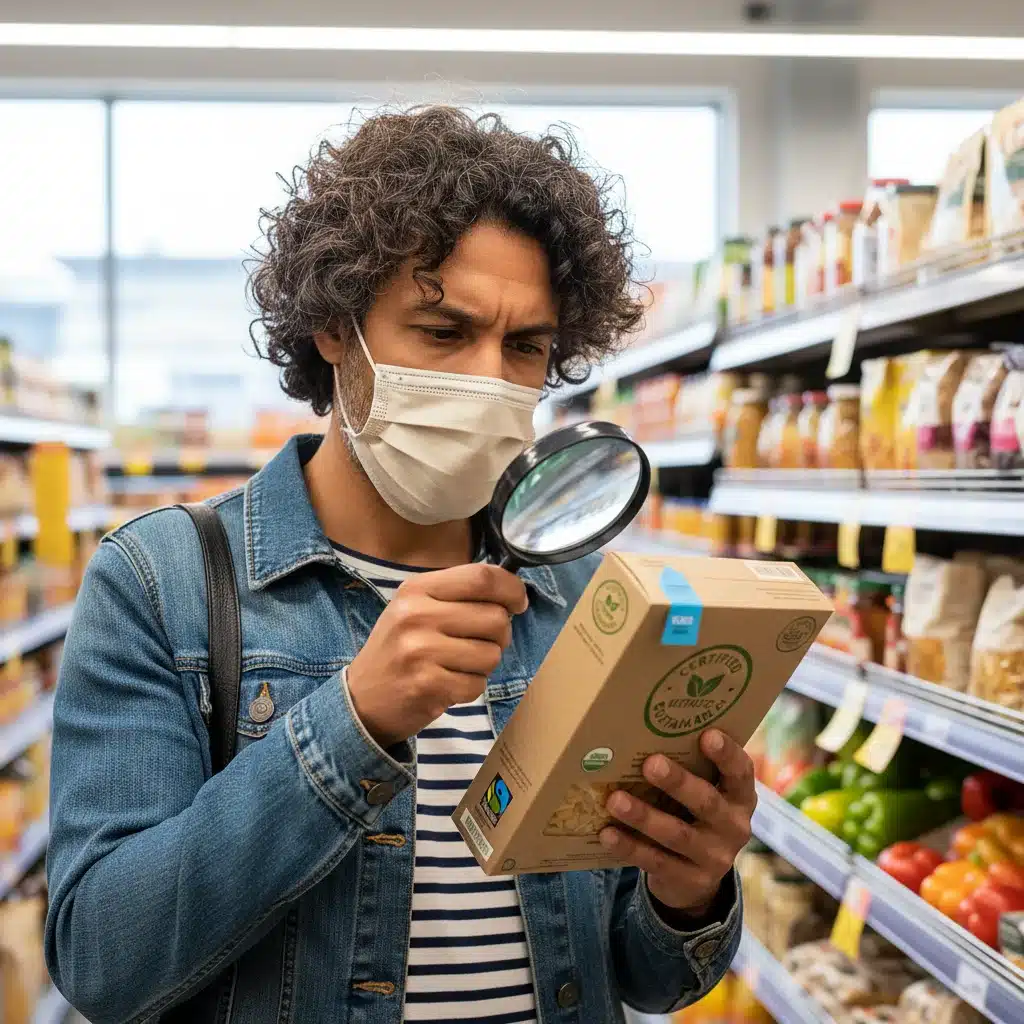
- Read Labels Critically: Don’t just glance at the front of the package. Turn it over and read the ingredients list, manufacturing information, and look for specific certifications.
- Question Vague Claims: If a product claims to be ‘green’ or ‘natural’ without a credible certification or specific explanation, be skeptical.
- Use Your Smartphone: Many apps and websites allow you to scan product barcodes or search for products to check their sustainability ratings. Consumer advocacy groups often provide such tools.
- Prioritize Durability and Repairability: A product that lasts longer and can be repaired rather than replaced is often more sustainable, regardless of its initial ‘eco-credentials.’
- Consider the Company’s Reputation: Support companies that demonstrate a consistent commitment to sustainability across their operations, not just on one product line.
- Reduce, Reuse, Recycle (in that order): The most sustainable product is often the one you don’t buy, or the one you can reuse or repair. Recycling is the last resort.
- Start Small: Don’t feel overwhelmed. Pick one product category (e.g., cleaning supplies, clothing) and focus on making more sustainable choices there, then gradually expand.
Remember, every conscious choice contributes to a larger movement. Your demand for genuinely sustainable products sends a clear signal to manufacturers that sustainability is a priority, encouraging more businesses to adopt responsible practices.
The Future of Sustainable Product Identification: What’s Next?
As we move further into 2026 and beyond, the landscape of sustainable product identification will continue to evolve. Expect several key trends to emerge and strengthen:
- Increased Digital Transparency: QR codes and blockchain technology may become more common, allowing consumers to scan a product and access its full sustainability journey, from farm to fork or factory to home.
- Harmonization of Standards: There’s a growing global push for more harmonized eco-labeling standards, which could simplify the process for consumers and reduce confusion across international markets.
- Focus on Regenerative Practices: Beyond just ‘sustainable,’ the emphasis will shift towards ‘regenerative’ practices that actively restore and replenish natural systems, rather than just minimizing harm.
- Circular Economy Integration: Products designed for disassembly, repair, and reuse will become more prevalent, with companies offering take-back programs and repair services as standard.
- AI and Data-Driven Insights: Artificial intelligence could play a role in analyzing vast amounts of data to provide consumers with personalized sustainability scores for products, based on their specific concerns (e.g., carbon footprint, water usage, social impact).
- Policy Innovation: Governments may introduce more stringent regulations regarding product longevity, repairability, and end-of-life management, pushing manufacturers towards inherently more sustainable designs.
These developments promise a future where sustainable product identification is more intuitive, reliable, and integrated into our daily lives. However, consumer vigilance and education will always remain foundational. The informed consumer is the most powerful catalyst for change.
Conclusion: Empowering Your Sustainable Choices
Identifying genuinely sustainable products in the U.S. in 2026 is a skill that combines knowledge, critical thinking, and a commitment to personal values. While the market can be complex, armed with the insights provided in this guide, you are now better equipped to navigate the myriad of eco-labels and marketing claims. Remember to prioritize third-party verified certifications, be wary of greenwashing, and adopt a holistic view that considers a product’s entire lifecycle and the company’s overall practices.
Every purchase is a vote for the kind of world you want to live in. By consciously choosing sustainable products, you contribute to a healthier planet, support ethical businesses, and encourage innovation in environmental stewardship. Your role as an informed consumer is not just about making individual choices; it’s about driving systemic change. So, go forth, scrutinize those labels, ask the right questions, and be a part of the movement towards a truly sustainable future. Your power to identify and choose sustainable products is a powerful force for good.