Digital Consumer Rights US 2026: Your Essential Guide

In an increasingly interconnected world, our lives are deeply intertwined with digital goods and services. From streaming movies and downloading software to using online banking and cloud storage, almost every aspect of modern existence involves digital transactions. As technology evolves at a rapid pace, so too do the complexities surrounding consumer protection in the digital sphere. Understanding your digital consumer rights in the US, particularly as we move into 2026, is not just beneficial—it’s essential.
This comprehensive guide aims to demystify the landscape of digital consumer rights, providing you with the knowledge and tools to navigate potential issues effectively. We’ll explore the current legal framework, upcoming changes, and practical advice to empower you as a digital consumer.
The Evolution of Digital Commerce and Consumer Protection
The digital marketplace has transformed how we buy, sell, and interact with products and services. What once primarily involved tangible goods now encompasses a vast array of digital offerings. This shift has presented unique challenges for consumer protection agencies and lawmakers, as traditional consumer laws designed for physical goods often don’t directly apply to their digital counterparts.
Historically, consumer protection in the US has been anchored by foundational laws like the Federal Trade Commission (FTC) Act, which prohibits unfair and deceptive practices, and various state-level consumer protection statutes. However, the intangible nature of digital goods and services, the global reach of online transactions, and the rapid pace of technological innovation have necessitated new interpretations and, in some cases, new legislation.
As of 2026, we are seeing a heightened focus on several key areas:
- Clarity in Digital Contracts: Ensuring terms of service are understandable and not predatory.
- Data Privacy and Security: Protecting personal information collected by digital service providers.
- Right to Repair and Interoperability: Addressing issues with proprietary ecosystems and repair restrictions for digital devices and software.
- Refunds and Returns for Digital Products: Establishing clearer guidelines for when consumers can get their money back.
- Subscription Trap Prevention: Combating practices that make it difficult to cancel recurring digital services.
Staying informed about these evolving aspects of digital consumer rights is crucial for every online shopper and user of digital services.
Defining Digital Goods and Services: What’s Covered?
Before delving into your rights, it’s important to understand what constitutes "digital goods" and "digital services."
Digital Goods
Digital goods are intangible products that can be stored, delivered, and used electronically. They are typically downloaded or accessed online. Examples include:
- Software: Operating systems, applications, games, antivirus programs.
- Media: E-books, music files, digital movies, audiobooks, podcasts.
- Digital Art & Assets: Stock photos, graphic design templates, fonts, 3D models.
- Online Courses & Educational Content: Access to learning platforms, downloadable course materials.
- In-game Purchases: Virtual currency, skins, upgrades within video games.
Digital Services
Digital services are services provided or facilitated through digital means, often involving ongoing access or functionality. Examples include:
- Streaming Services: Netflix, Spotify, Disney+.
- Cloud Storage: Google Drive, Dropbox, iCloud.
- Online Gaming Platforms: Xbox Live, PlayStation Network.
- Social Media Platforms: Facebook, X (formerly Twitter), Instagram.
- Subscription Software: Adobe Creative Cloud, Microsoft 360.
- Online Banking & Payment Services: PayPal, Venmo.
The distinction can sometimes be blurry, but the key is that these offerings exist and function primarily in the digital realm. Your digital consumer rights apply broadly across both categories.
Key Consumer Protections for Digital Goods and Services in the US (2026)
While a single, overarching "Digital Consumer Rights Act" doesn’t exist at the federal level in the US, various laws and regulations, both federal and state, provide a patchwork of protections. Here are the core principles and specific areas of protection as of 2026:
1. Protection Against Unfair and Deceptive Practices (FTC Act)
The Federal Trade Commission (FTC) is the primary federal agency responsible for protecting consumers. Under the FTC Act, it is illegal for companies to engage in unfair or deceptive acts or practices. This applies significantly to digital goods and services:
- Misleading Advertising: Companies cannot make false claims about the features, performance, or costs of digital products or services.
- Hidden Fees: All costs must be clearly disclosed upfront.
- Bait-and-Switch Tactics: Offering a digital product or service at one price or with certain features, then switching to a more expensive or less functional alternative.
- Dark Patterns: Deceptive user interface designs intended to trick users into making unintended purchases, subscriptions, or sharing more data than they intend. The FTC has been increasingly vigilant in identifying and prosecuting companies using these tactics.
2. Data Privacy and Security (Various State Laws & Federal Regulations)
Data privacy is a cornerstone of modern digital consumer rights. With the proliferation of data collection by digital services, protecting personal information has become paramount. While the US lacks a single federal comprehensive data privacy law akin to Europe’s GDPR, several state laws and sector-specific federal regulations provide significant protections:
- California Consumer Privacy Act (CCPA) / California Privacy Rights Act (CPRA): These landmark laws grant California residents extensive rights over their personal information, including the right to know what data is collected, the right to delete it, and the right to opt-out of its sale. As of 2026, many companies operating nationally have adopted CCPA/CPRA-like practices due to the complexity of regional compliance.
- Virginia Consumer Data Protection Act (VCDPA), Colorado Privacy Act (CPA), Utah Consumer Privacy Act (UCPA), Connecticut Data Privacy Act (CTDPA): These state laws offer similar, though not identical, rights to consumers in their respective states, contributing to a growing patchwork of privacy regulations.
- Children’s Online Privacy Protection Act (COPPA): Federally, COPPA protects the online privacy of children under 13 by requiring parental consent for data collection from this age group.
- Health Insurance Portability and Accountability Act (HIPAA): Protects sensitive patient health information from being disclosed without the patient’s consent or knowledge.
Consumers have a right to expect reasonable security measures to protect their data from breaches. If a company suffers a data breach, consumers often have rights to notification and, in some cases, remedies.
3. Clear Terms and Conditions (Contract Law)
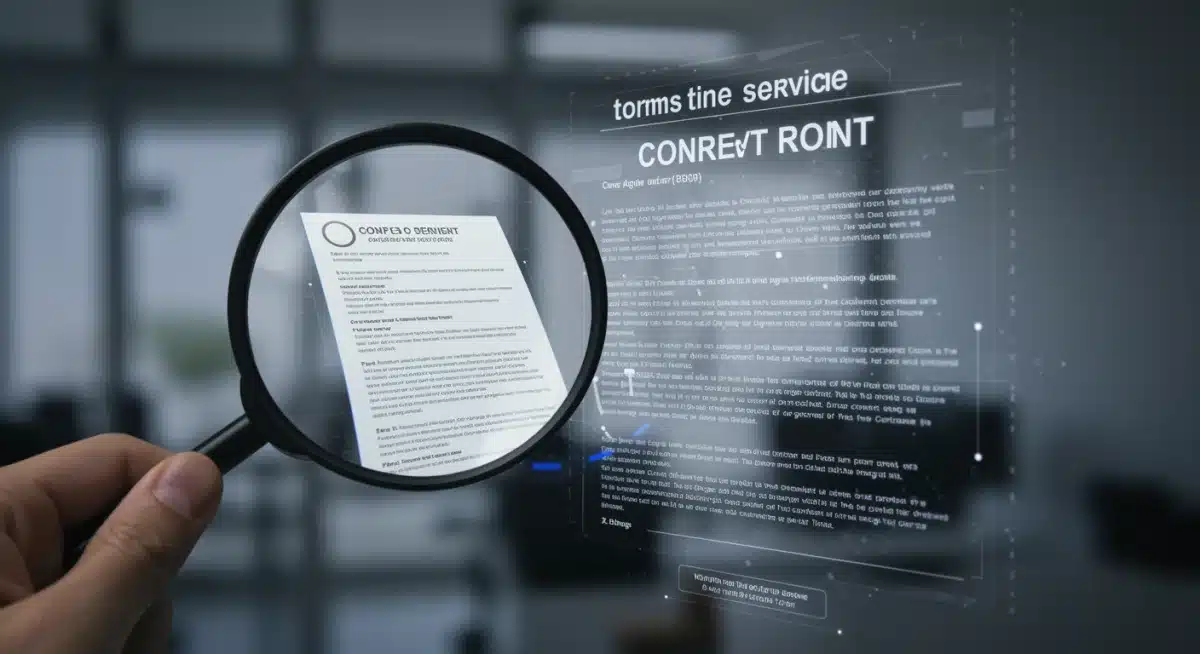
When you purchase or use a digital good or service, you are typically entering into a contract, often in the form of "Terms of Service" or "End User License Agreements" (EULAs). While these agreements can be lengthy and complex, consumer protection laws still apply. As of 2026, there’s an increased push for:
- Legibility and Accessibility: Terms should be presented in a clear, easy-to-read format, not hidden in obscure links or tiny fonts.
- Fairness: Unconscionable or excessively one-sided clauses may not be enforceable.
- Disclosure: Key terms, especially those related to recurring charges, data usage, and cancellation policies, must be prominently disclosed.
4. Rights Regarding Digital Product Functionality and Quality
Unlike physical goods, which often come with explicit warranties, digital goods and services sometimes have less clear guarantees. However, consumers still have rights:
- Implied Warranty of Merchantability: In some jurisdictions, an implied warranty exists that digital products and services are fit for their ordinary purpose and are of a reasonable quality. This means software should generally work as advertised, and services should be provided with reasonable care and skill.
- Fitness for a Particular Purpose: If you explicitly inform a seller that you need a digital product for a specific purpose and they assure you it will meet that need, an implied warranty of fitness for a particular purpose may arise.
- Right to Functionality: Digital goods and services should function as described at the time of purchase. If an update renders a product unusable or significantly degrades its performance without prior warning or a clear opt-out, this could be a violation of your digital consumer rights.
5. Subscription and Auto-Renewal Protections
The rise of subscription models has led to specific consumer protection concerns. Many states and the FTC have enacted regulations to combat "subscription traps":
- Clear Disclosure: Companies must clearly disclose all material terms before you subscribe, including the recurring charge amount, billing frequency, and how to cancel.
- Affirmative Consent: You must affirmatively consent to the subscription before being charged.
- Easy Cancellation: Companies must provide a simple and straightforward mechanism for cancellation, often requiring it to be as easy to cancel as it was to sign up.
- Reminder Notices: For longer subscription terms (e.g., annual), some laws require companies to send reminder notices before auto-renewal.
6. Right to Repair and Interoperability Considerations
While primarily impacting physical products with digital components, the "Right to Repair" movement is gaining traction and influencing digital consumer rights. This movement advocates for consumers’ and independent repair shops’ ability to repair their own devices, often requiring manufacturers to provide access to parts, tools, and diagnostic information. As of 2026, several states have passed or are considering Right to Repair legislation, which can indirectly affect digital goods by ensuring software updates don’t deliberately brick older hardware or by requiring access to digital tools for repair.
Interoperability—the ability of different systems to work together—is another emerging area. Efforts are underway to ensure that consumers are not locked into proprietary ecosystems, giving them more freedom to choose services and hardware that work together seamlessly.
Navigating Refunds, Returns, and Cancellations for Digital Products
One of the most common pain points for digital consumers concerns refunds and returns. Unlike a physical product that can be returned to a store, digital items are often "consumed" instantly or after download. However, you still have rights:
- Company Policies: Most digital storefronts (e.g., Steam, Apple App Store, Google Play, Amazon) have their own refund policies. Familiarize yourself with these before purchase. They often offer refunds within a certain timeframe or if the product is fundamentally flawed.
- Non-Functional Products: If a digital good or service is defective, doesn’t work as advertised, or is fundamentally unusable, you generally have a right to a refund or a working replacement. This falls under the implied warranty of merchantability and protections against deceptive practices.
- Unauthorized Charges: If you are charged for a digital good or service you didn’t authorize, you have a strong case for a refund. Contact your bank or credit card company immediately to dispute the charge.
- Cancellation of Services: For subscription services, you have the right to cancel according to the terms of service, and you should not be charged for periods after cancellation (unless explicitly agreed upon, such as the remainder of a pre-paid term).
Always document your interactions, including screenshots, emails, and chat logs, when seeking refunds or cancellations.
Data Portability and Digital Legacy
As our digital lives expand, so does the importance of data portability and digital legacy. While not uniformly codified across all US laws, these are areas of increasing focus for digital consumer rights:
- Data Portability: The right to obtain your personal data in a structured, commonly used, and machine-readable format, and to transmit that data to another service provider. This is a key feature of the CPRA and other state privacy laws.
- Digital Legacy: Laws are emerging that address what happens to your digital assets (e.g., email accounts, social media profiles, digital photos, cloud storage) after your death or incapacitation. Many platforms now offer tools for digital estate planning, allowing you to designate beneficiaries or grant access to your accounts.

How to Protect Your Digital Consumer Rights: Practical Steps
Empowering yourself as a digital consumer involves proactive steps:
- Read the Fine Print (or at least the Summary): While full terms of service can be daunting, make an effort to understand key clauses, especially regarding pricing, cancellation, data usage, and dispute resolution. Look for summaries or highlight reels if available.
- Check Reviews and Reputation: Before purchasing digital goods or services, research the vendor. Look for reviews, check their customer service reputation, and see if they have a history of consumer complaints.
- Use Secure Payment Methods: Whenever possible, use credit cards or reputable payment services like PayPal, which often provide additional layers of consumer protection and easier dispute resolution processes.
- Be Wary of "Free" Offers: Understand that if a digital service is "free," you are likely paying with your data. Read their privacy policies to understand what information they collect and how they use it.
- Keep Records: Save confirmation emails, receipts, screenshots of product descriptions, and any communication with the vendor. This documentation is invaluable if you need to dispute a charge or seek a remedy.
- Understand Your Data Settings: Regularly review and adjust privacy settings on social media, apps, and other digital services. Opt-out of data sharing or targeted advertising where possible.
- Use Strong, Unique Passwords and Two-Factor Authentication: Protect your accounts from unauthorized access, which can lead to further consumer issues.
What to Do if Your Digital Consumer Rights Are Violated
If you believe your digital consumer rights have been violated, take the following steps:
- Contact the Seller/Provider Directly: Start by reaching out to the company’s customer support. Clearly state your issue, provide all relevant documentation, and explain what resolution you seek (e.g., refund, correction, cancellation). Be polite but firm.
- Escalate Within the Company: If initial contact doesn’t resolve the issue, ask to speak with a supervisor or manager. Many companies have internal escalation processes.
- File a Complaint with the FTC: The Federal Trade Commission accepts consumer complaints about unfair, deceptive, or fraudulent business practices. While the FTC doesn’t resolve individual disputes, your complaint helps them identify patterns of abuse and take enforcement action against companies. You can file a complaint at reportfraud.ftc.gov.
- Contact Your State Attorney General: Most state Attorney General offices have consumer protection divisions that can mediate disputes or take legal action against companies violating state consumer laws.
- Dispute the Charge with Your Bank or Credit Card Company: If you paid with a credit card or debit card, you can dispute the charge. They have specific procedures for chargebacks, especially for unauthorized transactions or services not rendered.
- Consider Online Dispute Resolution (ODR): Some platforms or industries offer ODR services to help resolve disputes between consumers and businesses.
- Seek Legal Counsel: For significant losses or complex issues, consulting with an attorney specializing in consumer law or technology law may be appropriate. They can advise you on your legal options, including small claims court or class-action lawsuits.
Anticipated Trends and Future of Digital Consumer Rights (Beyond 2026)
The digital landscape is constantly evolving, and so too will the framework of digital consumer rights. Here are some anticipated trends:
- AI and Algorithm Transparency: As AI becomes more prevalent in digital services, there will be a growing demand for transparency regarding how algorithms make decisions that affect consumers (e.g., pricing, content recommendations, credit scores).
- Deepfake and Generative AI Protections: Laws addressing the misuse of generative AI to create deceptive content will become more critical.
- Interoperability and Data Portability Enforcement: Expect stronger regulations pushing for greater interoperability between platforms and easier data portability for consumers.
- Standardization of Privacy Laws: There’s a strong push for a federal data privacy law in the US to streamline the patchwork of state regulations, which would significantly impact digital consumer rights.
- Environmental Impact of Digital Services: Growing awareness of the energy consumption of data centers and digital infrastructure may lead to regulations related to the environmental footprint of digital goods and services.
- Regulation of "Metaverse" and Virtual Economies: As virtual worlds and economies expand, new legal frameworks will be needed to address ownership of virtual assets, transactions, and consumer protection within these immersive environments.
Conclusion
Understanding your digital consumer rights in the US for 2026 is vital for protecting yourself in the modern marketplace. While the legal framework is complex and continually evolving, consumers are not without recourse. By staying informed, being diligent in your online interactions, and knowing how to act when issues arise, you can navigate the digital world with greater confidence and security. Empower yourself with knowledge, and ensure that your digital experiences are fair, transparent, and respectful of your rights.