Consumer news on retail industry shifts: what to watch
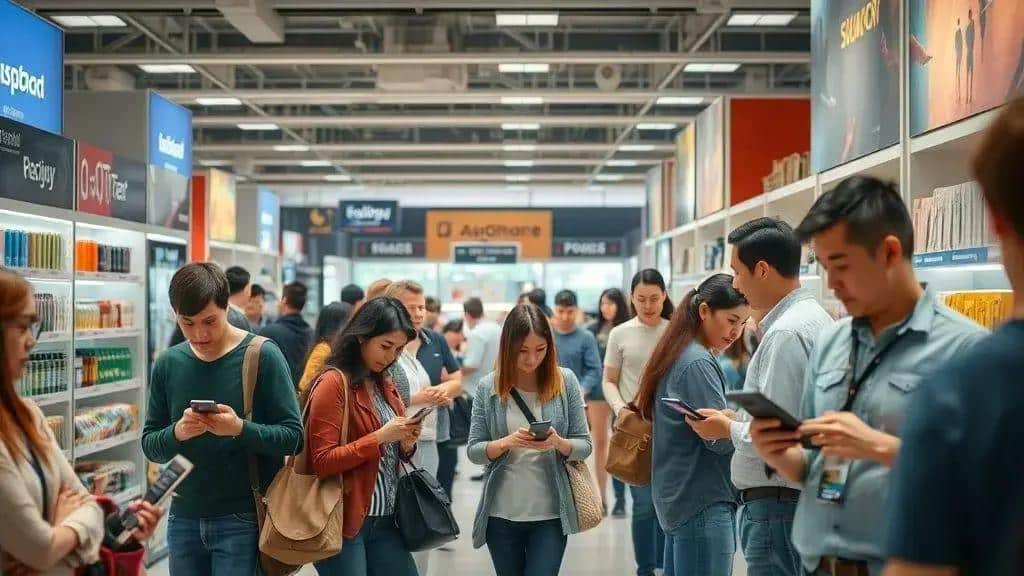
Technology is reshaping the retail experience by enhancing customer engagement through innovations like augmented reality, mobile apps, and personalized offers, while sustainability increasingly influences consumer preferences and buying habits.
Consumer news on retail industry shifts highlights important transformations in shopping patterns and retailer strategies. Understanding these shifts can help you navigate the ever-evolving retail landscape. Are you ready to discover how these changes impact your shopping experience?
Key trends driving changes in retail
The retail industry is constantly evolving, driven by a series of key trends. Understanding these trends can help both consumers and businesses adapt to the ever-changing landscape. One notable change has been the shift towards online shopping, fueled by convenience and accessibility. Many consumers now prefer browsing and purchasing products from the comfort of their homes.
Emerging Trends in Retail
Several vital trends are transforming how retailers engage with their customers. These trends include:
- Personalization: Tailoring experiences and recommendations to individual consumers enhances satisfaction.
- Sustainability: Eco-friendly practices are now expected by consumers, influencing their buying decisions.
- Technology Integration: Innovative technologies, such as AR and mobile payments, improve the shopping experience.
As these trends continue to grow, retailers are finding new ways to connect with their audience. For example, integrating technology into stores allows customers to interact with products in unique ways. Retailers are using virtual reality (VR) and augmented reality (AR) to create engaging shopping experiences.
Moreover, the power of social media cannot be overstated. Retailers are leveraging platforms like Instagram and TikTok to reach younger audiences. This strategy not only increases brand visibility but also fosters community engagement. Consumers are now more influenced by their peers online than traditional advertisements.
The Future of Retail
Overall, these key trends are reshaping the retail landscape. Businesses that embrace these changes and focus on customer experiences will have a significant advantage. As technology continues to advance, the possibilities for innovation are endless. Staying ahead means committing to understanding and adapting to these shifts in consumer behavior.
Impact of e-commerce growth on shopping habits
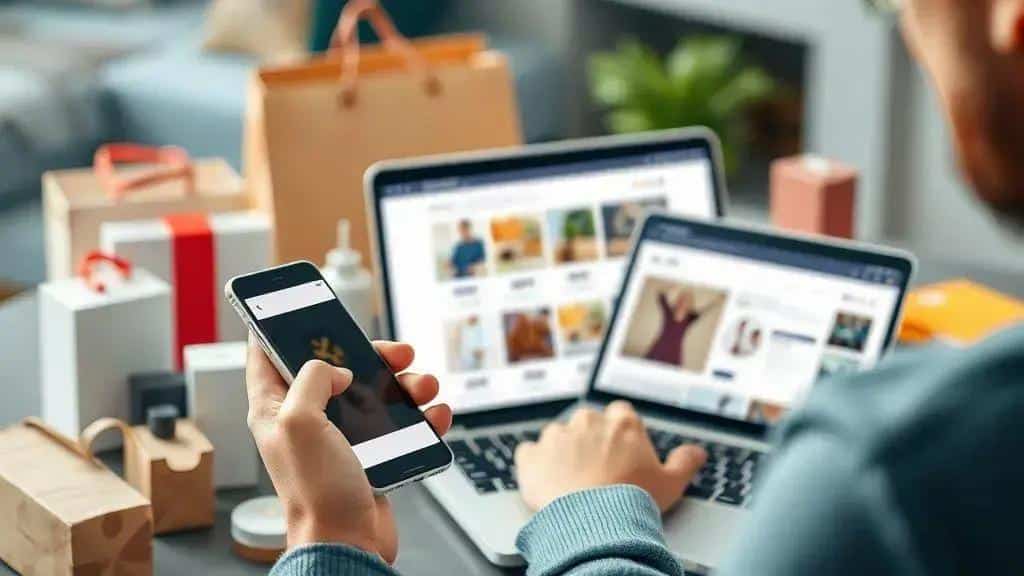
The growth of e-commerce has dramatically changed how people shop. More consumers are turning to online platforms for their purchases. This shift has redefined traditional shopping habits, making it simpler and faster to buy products from anywhere.
Changing Consumer Behavior
As e-commerce expands, consumers are becoming more comfortable with online shopping. They often prefer the convenience of browsing products from home rather than visiting physical stores. This new behavior has led to:
- Increased impulse buying: Online shopping often encourages quick purchases, leading to more spontaneous decisions.
- Price comparison: Consumers can easily search for the best deals across multiple platforms, saving money.
- Product reviews: Shoppers rely on online ratings and reviews to inform their buying decisions.
Moreover, mobile shopping is on the rise as well. Many people now use their smartphones to make purchases on-the-go. This convenience allows consumers to shop at any time, encouraging frequent transactions.
Retailers must also adapt to these changes. They are optimizing their websites for mobile use, ensuring customers can easily navigate and purchase products. Personalization is another key aspect, with businesses offering tailored recommendations based on browsing behavior. For example, customers might see products similar to their previous purchases, enhancing their shopping experience.
The Future of E-Commerce
The impact of e-commerce on shopping habits is likely to continue evolving. As technologies improve, online shopping will become even more integrated into daily life. For instance, advancements like AI and virtual reality may soon allow customers to experience products in an interactive way before buying. These innovations will further reshape consumer preferences and expectations in retail.
The role of sustainability in consumer preferences
Sustainability is becoming a crucial factor in shaping consumer preferences. As awareness of environmental issues grows, shoppers are seeking brands that reflect their values. Many consumers now prioritize products that are eco-friendly and responsibly sourced.
Why Sustainability Matters
Today’s consumers are more informed than ever. They often consider the environmental impact of their purchases. This shift in mindset has led to:
- Increased demand for green products: More shoppers want items that minimize harm to the planet.
- Preference for ethical brands: Companies that practice fair labor and sustainability are favored.
- Willingness to pay more: Many are open to spending extra on sustainable options.
In response, brands are adapting their strategies. Many businesses are implementing sustainable practices, such as using recycled materials or reducing waste. This commitment not only attracts environmentally-conscious customers but also helps build loyalty. People appreciate brands that align with their values.
Moreover, marketing plays a significant role in highlighting these sustainable efforts. Brands are using social media to showcase their eco-friendly initiatives. Engaging content, like stories about how products are made or the impact of sustainable practices, resonates with potential customers.
Looking Ahead
As the trend towards sustainability continues, it will have a lasting impact on consumer behavior. Brands that embrace these values are likely to thrive. By prioritizing eco-conscious practices, they can build a strong connection with shoppers who are eager to make a difference.
How technology is reshaping the retail experience
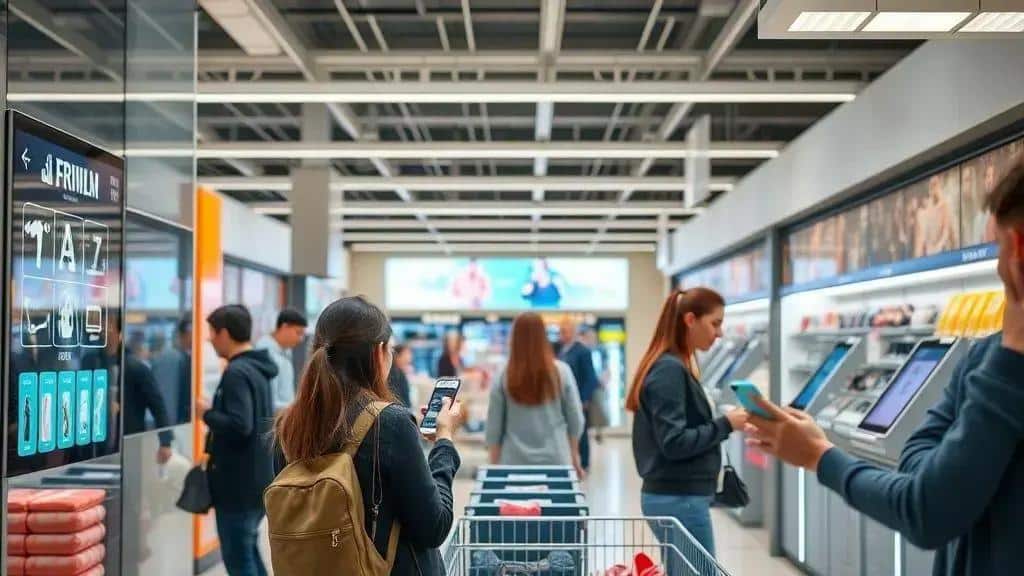
Technology is a major force transforming the retail experience. With advancements in innovation, shopping is becoming more interactive and efficient. Many consumers now expect seamless integration of technology in their shopping journeys.
New Shopping Innovations
Retailers are adopting various technologies to enhance customer experiences. These innovations include:
- Augmented Reality (AR): AR allows customers to visualize products in their own space before making a purchase. This feature is especially popular in home decor and fashion.
- Mobile Apps: Many stores have dedicated apps that provide deals, product information, and easy online shopping. This convenience keeps customers engaged.
- Self-Checkout Systems: Technology has enabled quick and easy self-checkout options, allowing customers to skip lines and complete their purchases faster.
As technology continues to evolve, it is also influencing how retailers communicate with consumers. Personalized marketing through data analytics allows brands to offer targeted promotions. For instance, when a customer shops online, they might receive suggestions based on their browsing history.
Another major trend is the use of artificial intelligence (AI). AI can analyze customer behavior, helping retailers make data-driven decisions. This capability improves inventory management and enhances the overall shopping experience by ensuring products are in stock and readily available.
The Future of Retail Technology
Looking ahead, technology’s role in retail will only expand. Innovations like voice shopping and smart mirrors will become increasingly common. These advancements aim to create a more immersive shopping environment. As retailers continue to experiment with technology, the goal remains the same: to meet consumer needs while improving convenience and satisfaction.
In conclusion, technology is transforming the retail experience in exciting ways. Consumers now enjoy greater convenience and personalized shopping options. As e-commerce continues to grow, retailers must adapt to stay competitive. Understanding key trends, such as sustainability, technology integration, and changing shopping habits, will help brands connect better with their customers. Moving forward, embracing innovation is essential for success in the retail world.
FAQ – Frequently Asked Questions about Retail Industry Shifts
How is technology changing the retail experience?
Technology is enhancing customer engagement through tools like augmented reality and mobile apps, making shopping more interactive and convenient.
What role does sustainability play in consumer decisions?
Sustainability is a key factor for many consumers; they prefer brands that use eco-friendly practices and products.
How has e-commerce influenced shopping habits?
E-commerce has made shopping more accessible, leading to increased online purchases and new customer behaviors, such as impulse buying.
What are personalized offers and why are they important?
Personalized offers use data to tailor recommendations to individual consumers, enhancing their shopping experience and boosting sales.