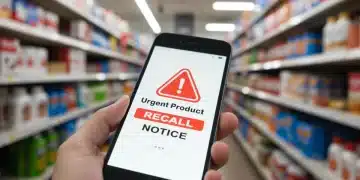
2026 Guide: Consumer Disputes with US Retailers – Practical Solutions

The 2026 Guide to Resolving Consumer Disputes with U.S. Retailers (PRACTICAL SOLUTIONS)
In an increasingly complex marketplace, consumer disputes with U.S. retailers are an inevitable part of the shopping experience. Whether it’s a faulty product, a misleading advertisement, or unsatisfactory service, knowing how to navigate these challenges effectively is crucial. This comprehensive 2026 guide is designed to equip you with the practical solutions and legal insights needed to resolve consumer disputes efficiently, ensuring your rights are protected and satisfactory outcomes are achieved. We will delve into the various stages of conflict resolution, from initial communication to formal complaints and, if necessary, legal action, focusing on practical steps and resources available to you.
Understanding Your Rights: The Foundation of Consumer Dispute Resolution
Before initiating any action, it’s essential to understand your basic consumer rights. These rights form the bedrock of any successful consumer dispute resolution. In the U.S., consumer protection laws are enacted at both federal and state levels, providing a safety net for buyers. Key federal agencies include the Federal Trade Commission (FTC) and the Consumer Financial Protection Bureau (CFPB), which oversee various aspects of consumer protection, from fair advertising to financial product regulation. State-specific laws often provide additional layers of protection, sometimes offering stronger remedies than federal statutes.
Your fundamental rights typically include:
- The Right to Safety: Products should not cause harm to consumers when used as intended.
- The Right to Be Informed: Consumers should be provided with accurate and complete information to make informed choices.
- The Right to Choose: Access to a variety of products and services at competitive prices.
- The Right to Be Heard: Consumer interests should be considered in the formulation and execution of government policy.
- The Right to Redress: The ability to receive a fair settlement of just claims, including compensation for misrepresentation, shoddy goods, or unsatisfactory services.
- The Right to Consumer Education: Access to programs and information that help consumers make better decisions.
- The Right to a Healthy Environment: The right to live and work in an environment that is non-threatening to the well-being of present and future generations.
Understanding these rights empowers you to approach any consumer dispute resolution with confidence. Keep in mind that specific laws can vary by state, so it’s always wise to research local consumer protection agencies and statutes relevant to your situation. For example, some states have specific lemon laws for vehicles, while others have stronger protections against unfair business practices. Being well-informed about these nuances will significantly strengthen your position when engaging with retailers.
Initial Steps: Direct Communication and Documentation
The first and often most effective step in resolving consumer disputes is direct communication with the retailer. Many issues can be resolved quickly and amicably through a simple phone call or email. However, the key to successful initial communication lies in preparation and documentation.
Gathering All Relevant Information
Before contacting the retailer, compile all pertinent details and documents related to your purchase or service. This includes:
- Receipts or Proof of Purchase: Essential for verifying the transaction.
- Product Information: Model numbers, serial numbers, and product descriptions.
- Dates and Times: When the purchase was made, when the issue arose, and any previous attempts to resolve it.
- Correspondence: Emails, chat logs, or notes from previous conversations with the retailer.
- Photographs or Videos: Visual evidence of product defects or service issues.
- Warranties or Guarantees: Any written promises made by the retailer or manufacturer.
The more thoroughly you document your case, the stronger your position will be. This meticulous record-keeping is crucial for any subsequent steps, should direct communication prove insufficient.
Crafting Your Initial Communication
When you contact the retailer, whether by phone, email, or in person, maintain a calm, clear, and assertive demeanor. State the problem concisely, explain what resolution you are seeking (e.g., refund, replacement, repair), and refer to your documentation. If communicating via email, ensure your message is professional and includes all necessary attachments. If on the phone, take notes of the date, time, who you spoke with, and what was discussed.
Always aim for a written record of your communication. If you speak by phone, follow up with an email summarizing the conversation. This creates an invaluable paper trail, which can be critical if the dispute escalates.
Escalating the Issue: Moving Beyond Initial Contact
If your initial attempts at communication with the front-line customer service representatives do not yield a satisfactory resolution, it’s time to escalate the issue. This often involves reaching out to higher-level management within the retailer’s organization or utilizing formal complaint channels.
Contacting Higher Management
Request to speak with a supervisor, manager, or someone in the customer relations department. Explain that you have already attempted to resolve the issue with a representative and provide them with your case details. Be prepared to reiterate your problem and desired resolution. Often, managers have more authority and flexibility to offer solutions than front-line staff.
Many large retailers have dedicated customer care escalation teams or executive customer service lines. Researching the retailer’s corporate structure or their website for specific contact information for these departments can be highly beneficial.
Utilizing Company Complaint Procedures
Many retailers have formal complaint procedures outlined on their websites or within their terms and conditions. These procedures might involve filling out a specific online form, sending a certified letter, or following a particular appeals process. Adhering to these internal procedures demonstrates your commitment to resolving the issue and can be viewed favorably if external agencies become involved.

External Assistance: When Retailers Don’t Cooperate
If direct negotiation and internal escalation fail to resolve your consumer dispute, it’s time to seek external assistance. Several organizations and government agencies are dedicated to consumer protection and can help mediate or enforce resolutions.
Consumer Protection Agencies
The first line of external defense is often a consumer protection agency. These agencies operate at federal, state, and sometimes local levels. They investigate complaints, mediate disputes, and, in some cases, take legal action against businesses engaging in unfair or deceptive practices.
- Federal Trade Commission (FTC): The FTC protects consumers from deceptive and unfair business practices. While they don’t typically resolve individual complaints, they use complaints to identify patterns of misconduct and take enforcement actions against companies. Filing a complaint with the FTC is important for contributing to the broader consumer protection landscape.
- Better Business Bureau (BBB): The BBB is a non-profit organization that helps resolve disputes between consumers and businesses. They offer a mediation service and assign ratings to businesses based on their responsiveness to complaints. While not a government agency, many businesses value their BBB rating, making it an effective channel for dispute resolution.
- State Attorney General’s Office: Most states have an Attorney General’s office with a consumer protection division. These offices are often more directly involved in mediating individual consumer complaints and can initiate legal action against companies violating state consumer laws.
- State and Local Consumer Protection Agencies: Many states and larger cities have their own dedicated consumer protection departments or divisions. These agencies can provide localized assistance and may have specific insights into regional business practices or common complaints.
When filing a complaint with any of these agencies, provide all your documented evidence and a clear, concise narrative of the events. Be prepared for the process to take some time, as these agencies often handle a high volume of complaints.
Industry-Specific Regulators
Depending on the nature of your dispute, industry-specific regulators might be relevant. For example:
- Department of Transportation (DOT): For issues related to airlines.
- Federal Communications Commission (FCC): For complaints against telecommunication providers.
- Consumer Financial Protection Bureau (CFPB): For disputes concerning financial products and services.
Identifying the correct regulatory body can streamline the resolution process and ensure your complaint reaches the most appropriate authority.
Alternative Dispute Resolution (ADR) Methods
Beyond formal complaints to government agencies, alternative dispute resolution (ADR) methods offer structured ways to resolve conflicts without going to court. These methods are generally less adversarial, less expensive, and faster than litigation.
Mediation
In mediation, a neutral third party (the mediator) helps the consumer and retailer communicate and negotiate to reach a mutually acceptable agreement. The mediator does not make decisions but facilitates discussion. Mediation is often voluntary and can preserve business relationships, which might be important for ongoing service contracts.
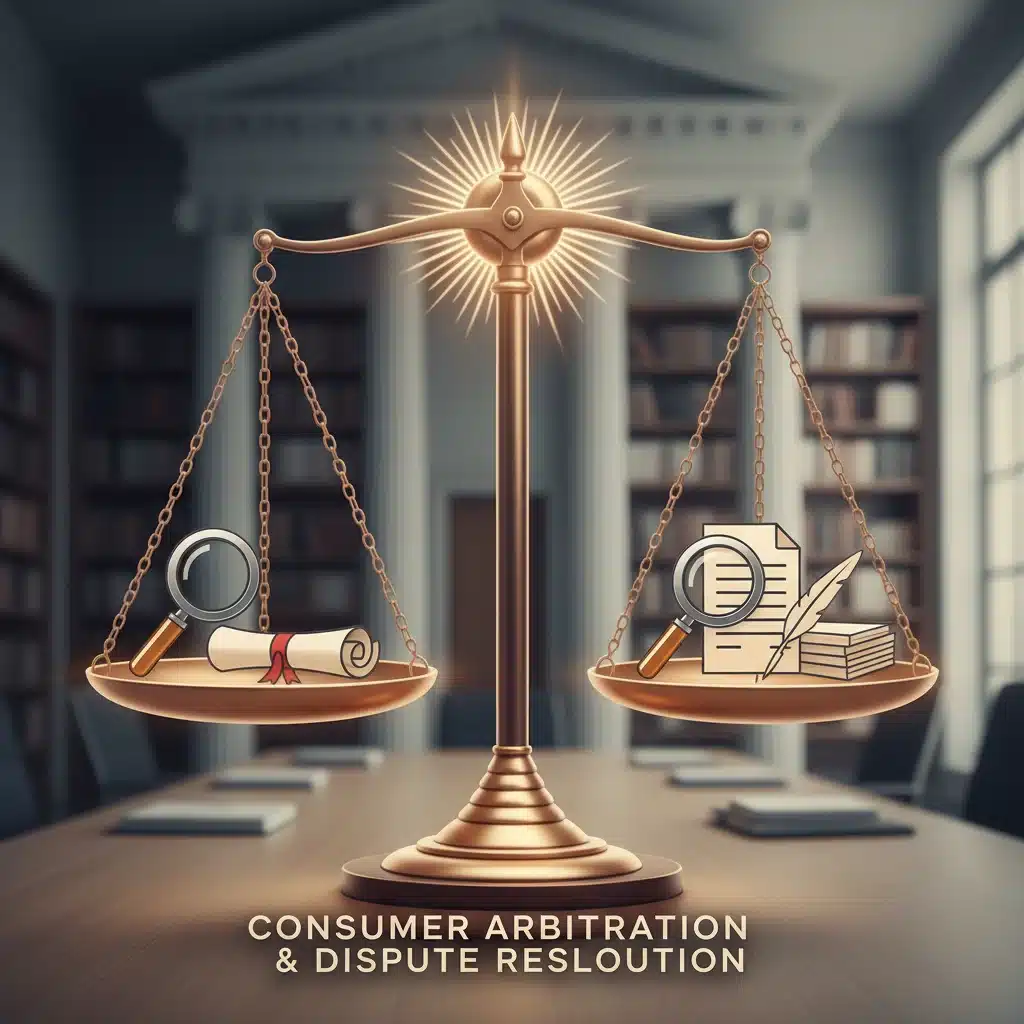
Arbitration
Arbitration involves a neutral third party (the arbitrator) who hears both sides of the dispute and then makes a decision. This decision can be binding (meaning both parties must adhere to it) or non-binding. Many consumer contracts, especially those for services or expensive products, include arbitration clauses, compelling disputes to be resolved through arbitration rather than court. It’s crucial to understand whether your contract includes such a clause and what its implications are.
Online Dispute Resolution (ODR)
With the rise of e-commerce, online dispute resolution (ODR) platforms have become increasingly popular. These platforms use technology to facilitate negotiation, mediation, or arbitration, often for disputes related to online purchases. Many marketplaces like eBay or Amazon have their own ODR systems for transactions conducted on their platforms.
ADR methods can be highly effective in resolving consumer disputes, especially when both parties are willing to engage constructively. They offer a valuable middle ground between informal negotiation and formal litigation.
Legal Avenues: When All Else Fails
If all other attempts at resolving your consumer dispute have failed, legal action may be necessary. This is typically considered a last resort due to the time, cost, and complexity involved.
Small Claims Court
For disputes involving smaller monetary amounts (which vary by state, typically ranging from a few thousand dollars to $25,000), small claims court is often a viable option. It’s designed to be accessible to individuals without legal representation, with simplified procedures and lower filing fees. While you can represent yourself, it’s still wise to prepare thoroughly, presenting all your documentation and a clear, concise argument.
Key advantages of small claims court:
- Lower Costs: Reduced filing fees and no requirement for an attorney.
- Faster Resolution: Cases are typically resolved more quickly than in higher courts.
- Simplified Procedures: Rules of evidence and procedure are less formal.
However, small claims court judgments can sometimes be difficult to collect, and the monetary limits may not cover all damages in larger disputes.
Hiring an Attorney
For more complex or high-value consumer disputes, consulting and potentially hiring an attorney specializing in consumer law is advisable. An attorney can:
- Assess Your Case: Provide an expert opinion on the strength of your claim and potential legal remedies.
- Negotiate on Your Behalf: Lawyers often have more leverage in negotiations with retailers’ legal teams.
- Represent You in Court: Handle all aspects of litigation, from filing paperwork to presenting your case.
Keep in mind that legal fees can be substantial, so it’s important to weigh the potential costs against the expected recovery. Some consumer protection laws allow for the recovery of attorney fees if you win your case, which can make legal action more feasible.
Class Action Lawsuits
In situations where many consumers have been harmed by the same retailer’s actions, a class-action lawsuit might be an option. This is a lawsuit filed by one or more people on behalf of a larger group (the ‘class’) who have similar claims. While individual recovery might be smaller, class actions can hold large corporations accountable and bring about significant changes in business practices. If you believe your issue is part of a broader pattern, research existing class actions or consult with an attorney who handles such cases.
Preventative Measures and Best Practices for Consumers
While this guide focuses on resolving disputes, preventing them in the first place is always the best strategy. Adopting certain best practices can significantly reduce your chances of encountering problems with retailers.
Research Before You Buy
Before making a significant purchase, especially from an unfamiliar retailer, take time to research. Read reviews, check the retailer’s BBB rating, and look for any history of consumer complaints. Understanding a retailer’s reputation for customer service and dispute resolution can save you headaches later.
Understand Return and Warranty Policies
Always familiarize yourself with a retailer’s return policy and product warranties before completing a purchase. These policies often dictate the terms under which you can return an item, get a refund, or have a product repaired. Keep copies of all warranty information and understand any conditions or exclusions.
Read the Fine Print
For contracts, service agreements, or terms and conditions, always read the fine print. Pay particular attention to clauses regarding dispute resolution (e.g., arbitration clauses), cancellation policies, and any disclaimers of liability. Many consumer disputes stem from misunderstandings of these terms.
Pay with Credit Card
Whenever possible, make purchases with a credit card. Credit card companies often offer strong consumer protections, including the ability to dispute charges (chargebacks) for goods not received, services not rendered, or fraudulent transactions. This provides an additional layer of security that debit cards or cash payments typically lack.
Keep Meticulous Records
As emphasized throughout this guide, documentation is paramount. Keep all receipts, invoices, order confirmations, shipping details, warranty cards, and correspondence (emails, chat logs). Create a dedicated folder, physical or digital, for important purchases. This habit will prove invaluable if a dispute arises.
The Evolving Landscape of Consumer Protection in 2026
The year 2026 brings with it an evolving landscape in consumer protection, driven by technological advancements and shifts in consumer behavior. With the increasing prevalence of AI-driven customer service, personalized shopping experiences, and complex digital contracts, consumers face new challenges and opportunities in dispute resolution.
AI in Customer Service and Dispute Resolution
AI chatbots and automated customer service systems are becoming more sophisticated. While they can offer quick answers to common queries, they can also create barriers when dealing with complex or nuanced issues. Consumers must be prepared to articulate their problems clearly to AI systems and know when to insist on human intervention. Conversely, some AI tools are emerging to help consumers draft complaints or navigate legal language, potentially leveling the playing field.
Data Privacy and Consumer Rights
With massive data collection by retailers, consumer data privacy is a growing concern. Disputes may arise not just from product issues but also from how personal data is handled, shared, or breached. Familiarize yourself with data privacy laws like CCPA (California Consumer Privacy Act) and emerging federal data protection regulations, as these grant specific rights regarding your personal information.
Subscription Services and Auto-Renewals
The proliferation of subscription services often leads to disputes over billing, cancellation policies, and unwanted auto-renewals. Regulators are increasingly scrutinizing these practices to ensure transparency and ease of cancellation. Always review the terms of subscription services carefully and keep records of cancellation attempts.
The Role of Social Media in Disputes
Social media continues to be a powerful tool for consumers to voice complaints and seek resolutions. While publicly shaming a retailer can sometimes yield quick results, it should be used judiciously and professionally. Many retailers monitor social media for brand reputation and may reach out to resolve issues posted publicly. However, formal channels are generally more effective for structured resolution.
Emerging Technologies and Product Liability
As new technologies like augmented reality, virtual reality, and advanced smart home devices become mainstream, questions around product liability and digital warranties will become more complex. Understanding who is responsible when an AI-powered device malfunctions or a digital service fails will be a key aspect of future consumer disputes.
Conclusion: Empowering Yourself in the Consumer Landscape
Resolving consumer disputes with U.S. retailers in 2026 requires a proactive, informed, and persistent approach. By understanding your rights, meticulously documenting every interaction, and knowing the various channels available for redress, you empower yourself to achieve fair outcomes. From direct communication and internal escalation to leveraging consumer protection agencies, ADR methods, and, if necessary, legal avenues, each step offers a pathway to resolution.
Remember, your voice as a consumer matters. By standing up for your rights and utilizing the practical solutions outlined in this guide, you not only resolve your own issues but also contribute to a more transparent and accountable marketplace for everyone. Stay informed, stay prepared, and assert your consumer power.