Beware Of: Protecting Yourself from Scams and Deceptive Practices

Beware of scams and deceptive practices that can lead to financial loss or identity theft, requiring consumers to stay vigilant and informed about common red flags.
In today’s world, it’s more important than ever to beware of the deceptive practices that can target unsuspecting consumers. From online scams to misleading advertising, knowing how to recognize and avoid these pitfalls can save you significant financial distress and protect your personal information.
Understanding Common Scams and Frauds
Understanding common scams and frauds is the first step toward protecting yourself. These schemes often exploit vulnerabilities or leverage psychological tactics to deceive individuals. Recognizing the various forms that scams can take empowers you to identify them more easily and avoid falling victim.
Phishing Scams
Phishing scams are among the most pervasive online threats. They typically involve fraudulent emails, messages, or websites designed to mimic legitimate institutions to trick individuals into providing sensitive information.
Identity Theft
Identity theft occurs when someone uses your personal information without your permission to commit fraud or other crimes. This can involve stealing your social security number, credit card details, or other identifying information.
- Be cautious of unsolicited emails or calls asking for personal information.
- Regularly check your credit reports for any unauthorized activity.
- Use strong, unique passwords for all your online accounts.
- Enable two-factor authentication whenever possible to add an extra layer of security.
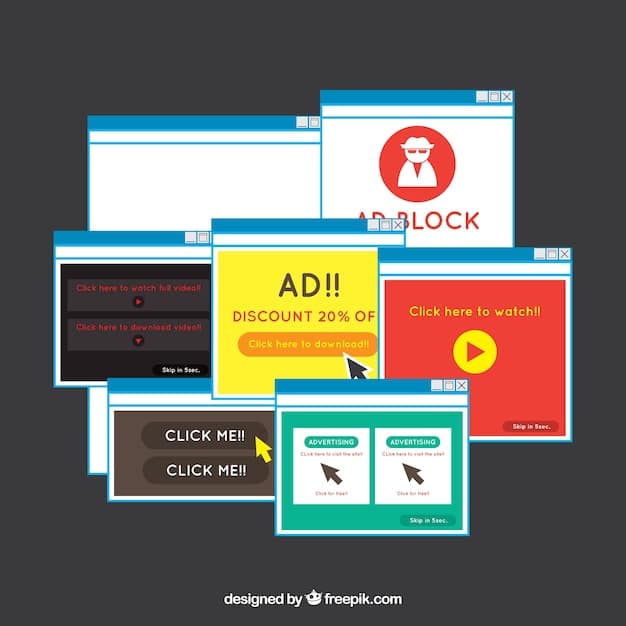
Being aware of these scams and frauds is essential for staying safe in an increasingly digital and interconnected world. Stay informed, stay cautious, and always verify before you trust.
Recognizing Red Flags and Warning Signs
Recognizing red flags and warning signs is crucial in preventing yourself from being scammed. Scammers often employ tactics that create a sense of urgency, pressure, or exclusivity to cloud your judgment.
Unsolicited Offers and High-Pressure Tactics
Be wary of unsolicited offers that come out of the blue, whether through email, phone, or in person. Scammers often use high-pressure tactics to rush you into making a decision before you have time to think it through.
Requests for Payment via Unusual Methods
Legitimate businesses typically accept a variety of payment methods, including credit cards and checks. Scammers, however, often prefer payment methods that are difficult to trace, such as wire transfers, gift cards, or cryptocurrency.
- Never feel pressured to make a decision on the spot. Take the time to research and consider your options.
- Be skeptical of anyone who demands payment via wire transfer, gift card, or cryptocurrency.
- Verify the legitimacy of any offer by contacting the company or organization directly.
- Trust your instincts. If something feels off, it’s probably a scam.
By staying vigilant and recognizing these red flags, you can significantly reduce your risk of falling victim to scams and deceptive practices.
Protecting Your Personal and Financial Information Online
Protecting your personal and financial information online requires a proactive approach to cybersecurity. With the prevalence of online scams and cyber threats, it’s essential to take steps to safeguard your data and privacy.
Using Strong, Unique Passwords
One of the most basic yet effective ways to protect your online accounts is to use strong, unique passwords. Avoid using easily guessable passwords, such as your name, birthday, or common words.
Enabling Two-Factor Authentication
Two-factor authentication (2FA) adds an extra layer of security to your online accounts by requiring a second verification method in addition to your password. This can be a code sent to your phone via SMS or generated by an authentication app.
- Create passwords that are at least 12 characters long and include a mix of uppercase and lowercase letters, numbers, and symbols.
- Never reuse the same password for multiple accounts.
- Enable two-factor authentication whenever possible, especially for sensitive accounts like email and banking.
- Be cautious of phishing emails or messages that attempt to trick you into revealing your passwords.
Taking these precautions can significantly enhance your online security and reduce your risk of becoming a victim of cybercrime. Stay vigilant, stay informed, and prioritize your online safety.
Avoiding Investment Scams and Pyramid Schemes
Avoiding investment scams and pyramid schemes is crucial for protecting your financial future. These schemes often promise high returns with little to no risk, but they are ultimately unsustainable and can lead to significant losses.
Recognizing Warning Signs of Investment Scams
Investment scams often share common characteristics, such as guaranteed high returns, complex or secretive investment strategies, and unregistered investment professionals.
Understanding How Pyramid Schemes Work
Pyramid schemes rely on recruiting new members to generate profits for existing members. These schemes are inherently unsustainable because they require an ever-increasing number of participants to generate returns.
- Be skeptical of any investment opportunity that promises guaranteed high returns with little to no risk.
- Research the investment professional or company before investing any money.
- Understand how the investment works and what risks are involved.
- Be wary of pyramid schemes and other multi-level marketing opportunities that rely on recruitment rather than product sales.
By staying informed and exercising caution, you can avoid falling victim to investment scams and pyramid schemes and protect your financial well-being.
Protecting Yourself from Home Repair Scams and Contractor Fraud
Protecting yourself from home repair scams and contractor fraud is essential for ensuring that your home improvement projects are completed properly and without financial loss. Dishonest contractors often target homeowners by offering low bids or pressuring them into signing contracts without proper research.
Checking Contractor Credentials and References
Before hiring a contractor, it’s crucial to check their credentials and references to verify their legitimacy and qualifications. This includes verifying their license, insurance, and bond status.
Obtaining Multiple Bids and a Detailed Contract
To ensure that you’re getting a fair price and that the scope of work is clearly defined, it’s essential to obtain multiple bids from different contractors and have a detailed contract outlining the project specifications, timeline, and payment terms.
- Check the contractor’s license, insurance, and bond status with your local licensing board.
- Obtain multiple bids from different contractors to compare prices and services.
- Have a detailed contract that outlines the project specifications, timeline, and payment terms.
- Avoid paying a large upfront deposit, and instead, negotiate a payment schedule that is tied to the completion of specific milestones.
By taking these precautions, you can minimize your risk of falling victim to home repair scams and contractor fraud and ensure that your home improvement projects are completed to your satisfaction.
Reporting Scams and Seeking Assistance
Reporting scams and seeking assistance is essential for helping authorities track down criminals and prevent others from becoming victims. If you believe you have been targeted by a scam, there are several steps you can take to report it and seek assistance.
Reporting Scams to the Federal Trade Commission (FTC)
The FTC is the primary federal agency responsible for protecting consumers from deceptive and unfair business practices. You can report scams to the FTC through their website or by calling their toll-free hotline.
Contacting Local Law Enforcement and Consumer Protection Agencies
In addition to reporting scams to the FTC, you should also contact your local law enforcement agency and consumer protection agency. They may be able to investigate the scam and take legal action against the perpetrators.
- Report scams to the FTC through their website or by calling their toll-free hotline.
- Contact your local law enforcement agency and consumer protection agency.
- Consider filing a complaint with the Better Business Bureau (BBB).
- Seek assistance from nonprofit organizations that provide consumer education and advocacy services.
By reporting scams and seeking assistance, you can help protect yourself and others from falling victim to fraud and deception.
| Key Point | Brief Description |
|---|---|
| 🚨 Recognize Scams | Identify phishing, identity theft, and investment scams quickly. |
| 🛡️ Protect Info | Secure your personal and financial data online. |
| 🏠 Home Safety | Avoid home repair scams by verifying contractors. |
| 📞 Report Fraud | Report scams to the FTC and local agencies. |
FAQ
▼
Look for poor grammar, urgent requests for personal information, and mismatched URLs. Always verify the sender’s email and contact the company directly if in doubt.
▼
Report the theft to the FTC, contact credit bureaus to place a fraud alert, and review your credit reports for any unauthorized activity. You should also file a police report.
▼
Be skeptical of guaranteed high returns, research investment professionals, and understand the investment thoroughly before committing any funds. Never invest under pressure.
▼
Look out for unsolicited offers, high-pressure sales tactics, requests for full payment upfront, and lack of proper licensing or insurance. Always get multiple bids.
▼
Report the scam to the Federal Trade Commission (FTC) through their website or hotline, and contact your local law enforcement and consumer protection agencies for further assistance.
Conclusion
Staying vigilant and informed is vital in protecting yourself from the myriad of scams and deceptive practices that target consumers. By understanding common scams, recognizing red flags, and taking proactive steps to safeguard your personal and financial information, you can minimize your risk and maintain your peace of mind.