Beware Of: Protecting Yourself from Consumer Scams

Beware of consumer scams by staying informed about common tactics, safeguarding personal information, and reporting suspicious activities to protect yourself from financial losses and identity theft.
In today’s digital age, it’s crucial to beware of the various scams that target unsuspecting consumers. From phishing emails to fake websites and deceptive marketing tactics, scammers are constantly evolving their methods. This article will provide you with the knowledge and tools to protect yourself and your finances.
Recognizing Common Types of Consumer Scams
Understanding the landscape of consumer scams is the first step in protecting yourself. Scammers often employ similar tactics, but staying vigilant and informed can significantly reduce your risk of falling prey to their schemes. Let’s explore some of the most common types of scams.
Phishing Scams
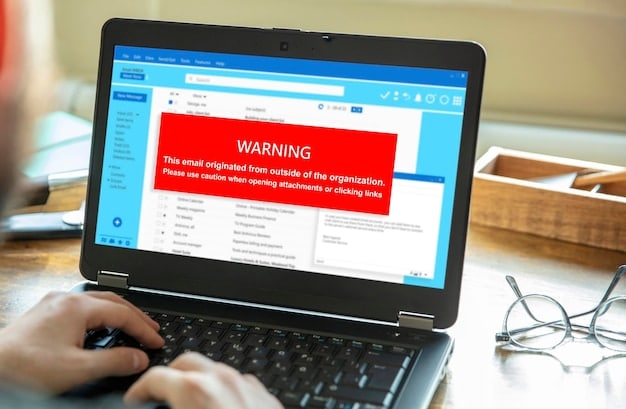
Phishing scams involve deceptive emails, text messages, or phone calls that impersonate legitimate institutions, such as banks, credit card companies, or government agencies. The goal is to trick you into providing personal information, such as passwords, account numbers, or Social Security numbers.
Imposter Scams
Imposter scams involve scammers pretending to be someone they’re not. This could be a representative of a utility company threatening to shut off your power, a grandchild in urgent need of money, or even a romantic interest met online. They use emotional manipulation to get you to send them money or personal information.
- Verify the Caller’s Identity: Always independently verify the contact information of the organization they claim to represent.
- Resist Pressure Tactics: Scammers often create a sense of urgency to pressure you into acting quickly.
- Never Give Out Personal Information: Legitimate organizations will not ask for sensitive information over the phone or email.
- Be Wary of Unsolicited Requests: Be suspicious of any unexpected requests for money or personal information.
Recognizing these common types of scams is crucial, but what can you do to protect yourself further? The next section will delve into practical tips for safeguarding your personal information and recognizing red flags.
Protecting Your Personal Information
Your personal information is valuable, and protecting it is essential to preventing identity theft and financial fraud. Scammers often target vulnerable individuals, so taking proactive steps to secure your information can make you a less attractive target.
Secure Your Social Security Number
Your Social Security number (SSN) is a key piece of information that can be used to steal your identity. Treat it like cash and only provide it when absolutely necessary. Be wary of anyone who asks for your SSN without a legitimate reason.
Monitor Your Credit Reports
Regularly monitoring your credit reports can help you detect fraudulent activity early. You are entitled to a free credit report from each of the three major credit bureaus (Equifax, Experian, and TransUnion) once per year.
- AnnualCreditReport.com: This is the official website to access your free credit reports.
- Review for Errors: Look for any unfamiliar accounts, addresses, or inquiries.
- Report Suspicious Activity: Contact the credit bureau immediately if you suspect fraud.
By taking these precautions, you can significantly reduce your risk of identity theft and protect your financial well-being. However, even with the best precautions, you may still encounter scams. The next section will explore how to recognize red flags and avoid falling victim to these deceptive schemes.
Recognizing Red Flags and Avoiding Scams
Even with awareness of common scams and protective measures in place, it’s crucial to recognize red flags that indicate a potential scam. Scammers often rely on psychological tactics to pressure or confuse their victims, so being able to spot these warning signs is essential.
Unsolicited Contact
Be wary of unsolicited emails, phone calls, or messages from unknown sources. Scammers often cast a wide net, hoping to find someone who will fall for their scheme. Legitimate organizations typically don’t initiate contact in this way.
Requests for Immediate Payment
Scammers often demand immediate payment, often using pressure tactics or threats. They may ask for payment via unconventional methods, such as gift cards, wire transfers, or cryptocurrency, which are difficult to trace.
Too Good to Be True Offers
If an offer sounds too good to be true, it probably is. Scammers often lure victims with promises of easy money, prizes, or discounts that are unrealistic. Be skeptical of any offer that seems unusually generous.

Recognizing these red flags can help you avoid falling victim to scams. But what should you do if you suspect you’ve been targeted or have already lost money to a scammer? The next section will cover the crucial steps to take.
Reporting Scams and Protecting Others
If you suspect you’ve been targeted by a scam or have lost money to a scammer, it’s crucial to report the incident to the appropriate authorities. Reporting scams not only helps protect yourself but also contributes to the fight against fraud and helps prevent others from becoming victims.
Federal Trade Commission (FTC)
The FTC is the primary agency responsible for protecting consumers from fraudulent business practices. You can report scams online through the FTC’s website or by phone.
Internet Crime Complaint Center (IC3)
The IC3 is a partnership between the FBI and the National White Collar Crime Center that focuses on internet-related crimes. If you’ve been a victim of an online scam, you can file a complaint with the IC3.
Local Law Enforcement
You can also report scams to your local police department or sheriff’s office. They may be able to investigate the scam and take action against the perpetrators.
The Role of Technology in Scam Prevention
Technology plays a double-edged role in the world of scams. While it provides scammers with new avenues to reach potential victims, it also offers tools and solutions for preventing fraud. Understanding how to leverage technology for protection is essential in today’s digital landscape.
Utilizing Anti-Virus Software
Anti-virus software is a critical first line of defense against malware and viruses that scammers often use to steal personal information. It scans your computer for malicious software and helps remove it. Keep your anti-virus software up to date to ensure it can protect you against the latest threats.
Enabling Two-Factor Authentication
Two-factor authentication (2FA) adds an extra layer of security to your online accounts. It requires you to provide two forms of identification, such as a password and a code sent to your phone, before you can access your account. This makes it much harder for scammers to gain access to your accounts even if they have your password.
Being Cautious on Social Media
Social media platforms can be breeding grounds for scams. Be wary of friend requests from unknown individuals, and avoid clicking on suspicious links or sharing personal information on social media. Scammers often use fake profiles to trick people into divulging their information.
Staying Informed and Educating Yourself
The world of scams is constantly evolving, so staying informed is essential to protecting yourself. Regularly educating yourself about the latest scams and fraud prevention techniques can help you stay one step ahead of the scammers.
Following Reputable News Sources
Pay attention to news reports about scams and fraud. This can help you learn about the latest tactics that scammers are using and how to avoid them. Look for reputable news sources that have a track record of providing accurate information.
Consulting Government Resources
Government agencies like the FTC and the Consumer Financial Protection Bureau (CFPB) offer a wealth of resources on scams and fraud prevention. These resources can help you understand your rights and responsibilities as a consumer and provide guidance on how to protect yourself.
Attending Community Workshops
Many community organizations and senior centers offer workshops on fraud prevention. These workshops can provide valuable information and networking opportunities with other individuals who are interested in protecting themselves.
| Key Point | Brief Description |
|---|---|
| 🛡️ Identity Protection | Secure your SSN and monitor credit reports regularly. |
| 🚩 Red Flags | Beware of unsolicited contact and high-pressure tactics. |
| 📢 Reporting Scams | Report scams to the FTC, IC3, and local law enforcement. |
| 💻 Tech Protection | Use anti-virus software and enable two-factor authentication. |
FAQ
▼
Common scams include phishing, imposter scams, lottery scams, and investment scams. Each uses deceptive tactics to trick victims into providing personal information or money.
▼
Only provide your SSN when necessary, and be cautious of unsolicited requests. Keep your Social Security card in a secure location and shred documents containing your SSN.
▼
Immediately report the scam to the FTC, IC3, and your local law enforcement. Also, change your passwords and monitor your financial accounts for suspicious activity.
▼
2FA adds an extra layer of security by requiring a second verification method, like a code from your phone, making it harder for scammers to access your accounts.
▼
Consult resources from the FTC, CFPB, and reputable news sources. Also, attend community workshops on fraud prevention to stay informed about the latest scams.
Conclusion
By remaining vigilant, protecting your personal information, and leveraging technology, you can significantly reduce your risk of falling victim to consumer scams. Stay informed, report suspicious activity, and educate others to create a safer environment for everyone.