Are New Appliance Efficiency Standards Costing You More?
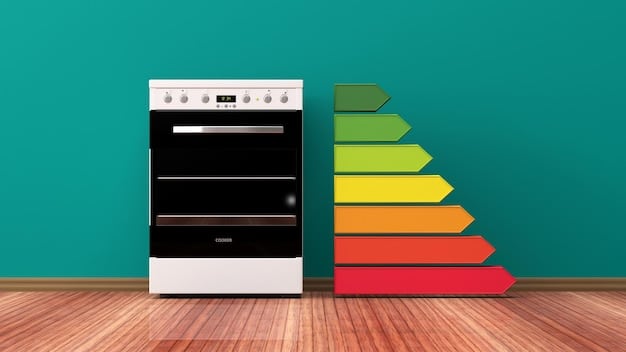
New federal appliance efficiency standards aim to lower energy consumption and costs, but it’s crucial to examine whether the long-term savings outweigh the initial higher purchase prices and potential performance drawbacks for consumers.
Are you wondering if that new energy-efficient appliance is truly saving you money, or just emptying your wallet upfront? The debate around the new federal appliance efficiency standards is heating up, with consumers questioning if the promised long-term savings outweigh the initial costs and potential compromises in performance. Let’s delve into whether the new federal appliance efficiency standard costing you more than it saves.
Understanding the New Federal Appliance Efficiency Standards
The federal government has been setting appliance efficiency standards for decades, but recent updates have sparked considerable debate. These standards are designed to reduce energy consumption, lower utility bills, and decrease greenhouse gas emissions. However, the increased upfront costs and potential changes in appliance design and performance have raised concerns among consumers.
What Appliances Are Affected?
The new standards impact a wide range of appliances, including refrigerators, washing machines, dishwashers, air conditioners, and water heaters. Each appliance category has specific efficiency targets that manufacturers must meet, often requiring significant design changes and technological upgrades.

- Refrigerators: Stricter standards for energy consumption, potentially leading to higher initial costs.
- Washing Machines: Increased water and energy efficiency requirements, affecting wash cycles and drying times.
- Water Heaters: New regulations on energy factor, impacting the types of water heaters available and their heating performance.
These changes aim to push manufacturers towards more sustainable designs, but they also introduce new variables into the purchasing decisions of consumers. It’s essential to understand how these updated standards translate into real-world costs and benefits.
In conclusion, the new appliance efficiency standards are comprehensive and impact various household appliances. While they promise long-term energy savings, they also bring upfront costs and potential changes in appliance performance that consumers need to consider.
The Promise of Long-Term Energy Savings
The primary justification for implementing stricter appliance efficiency standards is the potential for long-term energy savings. By reducing the amount of energy each appliance consumes, households can theoretically lower their utility bills over the lifespan of the product. But how realistic are these savings?
Quantifying the Savings
Government agencies like the Department of Energy (DOE) conduct extensive analyses to estimate the energy savings resulting from these standards. These analyses typically project savings over the lifetime of the appliance, taking into account factors like usage patterns, energy prices, and technological advancements.
According to DOE estimates, the new standards could save consumers billions of dollars on their energy bills over the next few decades. However, these projections are based on a series of assumptions that may not always hold true in the real world.
- Assumptions about Energy Prices: Future energy prices are difficult to predict and can significantly impact the actual savings realized.
- Usage Patterns: Actual energy consumption depends on how frequently and intensely appliances are used, which varies from household to household.
- Technological Advancements: Future innovations could make appliances even more efficient, potentially exceeding the savings projected by current standards.
While the potential for long-term energy savings is significant, it’s crucial to approach these projections with a degree of skepticism. Individual circumstances and unpredictable factors can greatly influence the actual savings experienced by consumers.
In summary, the promise of long-term energy savings is a key driver behind the new appliance efficiency standards. However, the actual savings realized depend on various factors, and consumers should carefully consider these variables when evaluating the cost-effectiveness of more efficient appliances.
The Reality of Higher Upfront Costs
One of the most immediate and noticeable impacts of the new appliance efficiency standards is the increase in upfront costs. More efficient appliances often require advanced technologies and components, driving up the manufacturing costs and, consequently, the retail prices. For many consumers, this higher initial investment can be a significant barrier.
Why Are Efficient Appliances More Expensive?
The higher costs associated with efficient appliances can be attributed to several factors, including:
- Research and Development: Manufacturers invest heavily in developing new technologies and designs to meet the stricter efficiency standards.
- Advanced Components: Efficient appliances often use more expensive materials and components, such as high-efficiency compressors, উন্নত insulation, and intelligent controls.
- Manufacturing Processes: Production processes may need to be adapted to accommodate the new designs and technologies, adding to the overall costs.
These increased costs are typically passed on to consumers in the form of higher retail prices. For example, a refrigerator that meets the new efficiency standards may cost several hundred dollars more than a less efficient model.
While the higher upfront costs may be offset by long-term energy savings, this is not always the case. Consumers need to carefully weigh the initial investment against the potential savings to determine if the more efficient appliance is truly worth the extra expense.
In conclusion, the reality of higher upfront costs is a significant concern for many consumers considering energy-efficient appliances. While these appliances promise long-term energy savings, the increased initial investment can be a barrier. Consumers must carefully evaluate the costs and benefits to make informed purchasing decisions.
Potential Performance Trade-Offs
In the pursuit of energy efficiency, some appliances may experience trade-offs in performance. Design changes and technological adaptations aimed at reducing energy consumption can sometimes compromise the appliance’s ability to perform its primary function effectively.
Concerns About Appliance Performance
Consumers have raised concerns about the performance of some energy-efficient appliances, citing issues such as:
- Reduced Cooling Power: Some energy-efficient air conditioners may struggle to cool rooms as quickly or effectively as older models.
- Longer Wash Cycles: Energy-efficient washing machines and dishwashers may have longer cycle times to conserve water and energy.
- Lower Water Pressure: Water-saving showerheads and faucets may provide a less satisfying shower experience due to reduced water pressure.
These performance trade-offs can be frustrating for consumers, particularly if they are not adequately informed about potential limitations before making a purchase.
Finding the Right Balance
It’s important to note that not all energy-efficient appliances suffer from performance issues. Manufacturers are continually working to improve designs and technologies to strike a better balance between energy efficiency and performance. Consumers can research and read reviews to find appliances that meet their needs without sacrificing performance.
Ultimately, consumers must consider their individual priorities when selecting appliances. If performance is a top concern, they may need to carefully evaluate the potential trade-offs associated with energy-efficient models.
In brief, potential performance trade-offs are a valid consideration when evaluating energy-efficient appliances. While not all appliances suffer from these issues, it’s essential to be aware of the potential limitations and research products thoroughly to find the right balance between efficiency and performance.
The Impact on Appliance Lifespan and Repair Costs
Another factor to consider when evaluating the cost-effectiveness of new appliance efficiency standards is their potential impact on appliance lifespan and repair costs. More complex technologies and designs can sometimes lead to increased maintenance needs and higher repair expenses.
Potential for Reduced Lifespan
Some experts worry that energy-efficient appliances may have a shorter lifespan than their less efficient counterparts due to the added strain on components and technologies. This could be particularly true for appliances that are used heavily or are subject to harsh operating conditions.
If an appliance fails sooner than expected, the cost of replacement can quickly erode any energy savings that were realized. Therefore, it’s crucial to consider the expected lifespan of an appliance when evaluating its overall cost-effectiveness.
Higher Repair Costs
Energy-efficient appliances often incorporate advanced technologies and specialized components. When these components fail, they may be more expensive to repair or replace than the parts used in older, less efficient models. Additionally, finding qualified technicians to service these appliances can sometimes be a challenge.
Consumers should factor in the potential for higher repair costs when weighing the costs and benefits of energy-efficient appliances. Purchasing extended warranties or service contracts can help mitigate these risks.
In summary, the impact on appliance lifespan and repair costs is a crucial element in assessing the new efficiency standards. Reduced lifespan and higher repair expenses can negate the expected energy savings. Consumers should consider these factors when making purchasing decisions.
Making Informed Purchasing Decisions
Given the complexities and potential trade-offs associated with new appliance efficiency standards, making informed purchasing decisions is essential. Consumers need to carefully weigh the costs and benefits of different appliances to determine which models best meet their needs and budget.
Tips for Evaluating Appliance Efficiency
- Read the EnergyGuide Label: This label provides information about an appliance’s energy consumption and estimated operating costs.
- Look for the Energy Star Label: Appliances that earn the Energy Star label meet strict efficiency guidelines set by the Environmental Protection Agency (EPA).
- Research and Read Reviews: Look for reviews from other consumers and independent testing organizations to get a sense of an appliance’s performance and reliability.
- Consider Rebates and Incentives: Many utilities and government agencies offer rebates and incentives for purchasing energy-efficient appliances.
By following these tips and conducting thorough research, consumers can make knowledgeable decisions that maximize their energy savings and minimize potential costs.
To conclude, making informed purchasing decisions is crucial when evaluating new appliances. Consider the EnergyGuide Label, Energy Star Label, and read reviews to make smart choices that match your budget and needs.
The Broader Economic and Environmental Impact
Beyond individual consumer costs and benefits, appliance efficiency standards have a broader economic and environmental impact. These standards can stimulate innovation, create jobs, and reduce overall energy consumption, contributing to a more sustainable future.
Economic Benefits
Appliance efficiency standards can drive innovation by encouraging manufacturers to develop new technologies and designs. This can lead to the creation of new jobs in the manufacturing, installation, and service sectors.
Environmental Benefits
By reducing energy consumption, appliance efficiency standards can help lower greenhouse gas emissions and mitigate the impacts of climate change. This can have significant environmental benefits, such as improved air quality and reduced strain on natural resources.
When weighing the costs and benefits of appliance efficiency standards, it’s important to consider these broader economic and environmental impacts. While individual consumers may experience some trade-offs, the overall benefits to society can be substantial.
In conclusion, appliance efficiency standards have a widespread influence on the economy and environment. These standards promote innovation, job creation, and the lessening of greenhouse gas emissions, contributing to a more sustainable planet.
| Key Aspect | Brief Description |
|---|---|
| 💡Energy Savings | Long-term utility bill reduction is the main goal. |
| 💰Upfront Costs | Efficient models often have a higher initial price. |
| ⚙️Performance | May involve trade-offs in features like cooling or cycle times. |
| 🛠️Lifespan & Repairs | Could impact how long the appliance lasts and how much repairs cost. |
FAQ
▼
Yes, efficient appliances typically have a higher upfront cost due to advanced technology and materials. This initial investment is often balanced by long-term energy savings, though.
▼
Look for the Energy Star label, which indicates the appliance meets strict energy efficiency guidelines set by the EPA. Also, check the EnergyGuide label for estimated operating costs.
▼
Performance can vary. Some efficient appliances may have longer cycle times or reduced power. Research reviews to find models that balance efficiency and performance to meet your needs.
▼
Long-term benefits include reduced energy bills, lower carbon footprint, and potential rebates or incentives from utility companies. These factors can lead to significant savings over the appliance’s lifespan.
▼
Yes, many utility companies and government agencies offer rebates and incentives for purchasing energy-efficient appliances. Check with your local utility company or visit the Energy Star website for more information.
Conclusion
The debate regarding new federal appliance efficiency standards involves numerous considerations. While upfront costs and potential performance trade-offs can be concerning, the long-term energy savings and broader environmental benefits are significant. By making informed purchasing decisions and carefully weighing the costs and benefits, consumers can determine whether these standards ultimately save them money.