Apprenticeship Programs 2025: 4 Untapped Career Opportunities

Apprenticeship programs in 2025 are unlocking new career starts, particularly in high-growth sectors like green energy, advanced manufacturing, digital technology, and healthcare, offering valuable on-the-job training and recognized credentials for aspiring professionals.
Are you looking to kickstart your career with practical experience and a clear path to success? Apprenticeship programs 2025 are evolving rapidly, presenting unprecedented opportunities for individuals seeking to gain valuable skills and secure stable employment. This article delves into the most promising, yet often overlooked, sectors where apprenticeships are thriving, offering a direct route to professional growth and financial stability in the United States.
The resurgence of apprenticeships in the US
Apprenticeships, once primarily associated with traditional trades, are experiencing a significant renaissance across the United States. This resurgence is driven by a growing recognition among employers and policymakers of their efficacy in bridging skill gaps and preparing a workforce for the demands of the 21st century economy. Modern apprenticeships combine paid on-the-job training with classroom instruction, leading to nationally recognized credentials.
This model provides a practical, debt-free pathway to a rewarding career, making it an attractive alternative to traditional four-year college degrees for many. The focus has expanded beyond construction and manufacturing to include high-tech, healthcare, and green energy sectors, reflecting shifts in economic priorities and technological advancements.
Why apprenticeships are gaining traction
Several factors contribute to the increasing popularity of apprenticeships. For individuals, they offer immediate earning potential combined with skill development, mitigating student debt. For employers, apprenticeships provide a pipeline of skilled workers tailored to their specific needs, reducing recruitment costs and improving employee retention.
- Earn while you learn: Apprentices receive a paycheck from day one, unlike traditional education models.
- Debt-free education: Training costs are often covered by employers or government grants.
- Guaranteed employment: Many apprentices secure full-time positions with their sponsoring companies upon completion.
- Industry-recognized credentials: Graduates earn certifications that are highly valued in their respective fields.
The government also plays a crucial role, with initiatives and funding designed to expand and diversify apprenticeship opportunities. This collective effort ensures that apprenticeships remain a vital component of workforce development strategies, fostering economic growth and individual prosperity.
In conclusion, the modern apprenticeship is far removed from its historical counterpart, offering dynamic and relevant training that meets the needs of today’s job market. Its ability to provide practical skills, financial independence, and career progression makes it an increasingly attractive option for those starting or changing their professional trajectory.
Untapped opportunity 1: green energy technicians
As the United States accelerates its transition to a sustainable economy, the demand for skilled professionals in the green energy sector is skyrocketing. This sector represents a vast, yet still largely untapped, area for apprenticeship programs. Green energy technicians are vital for installing, maintaining, and repairing renewable energy systems, including solar panels, wind turbines, and electric vehicle charging stations.
These roles require a blend of technical expertise, problem-solving skills, and a commitment to environmental stewardship. Apprenticeships in this field offer hands-on experience with cutting-edge technologies and a direct entry point into a rapidly expanding industry that promises long-term career stability and growth.
The rise of renewable energy careers
The push for renewable energy sources has created a new wave of specialized jobs. These positions are not only environmentally impactful but also offer competitive wages and excellent job security. Apprenticeships in this area are designed to equip individuals with the specific skills needed to excel in this evolving landscape.
- Solar panel installer: Learning to install and maintain photovoltaic (PV) systems for residential and commercial properties.
- Wind turbine technician: Specializing in the maintenance and repair of large-scale wind energy generators.
- EV charging infrastructure specialist: Focusing on the installation and upkeep of electric vehicle charging networks.
- Energy efficiency auditor: Training to assess and recommend improvements for energy consumption in buildings.
These roles often involve working at heights, with electrical systems, and utilizing diagnostic tools, making comprehensive training essential. Apprentices are typically mentored by experienced technicians, gaining invaluable practical knowledge alongside their theoretical studies.
The green energy sector is not just about technology; it’s about building a sustainable future. Apprenticeships here provide a direct path for individuals to contribute meaningfully to this global effort while building a fulfilling career. The growth trajectory of this sector ensures that skilled green energy technicians will be in high demand for decades to come, making this an incredibly smart career move for 2025 and beyond.
Untapped opportunity 2: advanced manufacturing specialists
Advanced manufacturing is revolutionizing how goods are produced, integrating sophisticated technologies like robotics, artificial intelligence, and 3D printing into production processes. This transformation has created a critical need for a new generation of skilled workers—advanced manufacturing specialists—who can operate, program, and maintain these complex systems. While the sector is booming, the pathways to these high-tech roles are still largely underutilized by many job seekers.
Apprenticeship programs in advanced manufacturing offer an unparalleled opportunity to learn these cutting-edge skills directly from industry experts, providing hands-on experience with the machines and software that are shaping the future of production. These roles go far beyond traditional factory work, demanding analytical thinking, precision, and continuous learning.
Innovations in manufacturing apprenticeships
Modern manufacturing apprenticeships are designed to keep pace with rapid technological advancements. They often involve training in areas such as mechatronics, industrial automation, and data analytics, preparing apprentices for roles that are both technically demanding and intellectually stimulating. The goal is to develop versatile professionals who can adapt to new technologies and processes as they emerge.
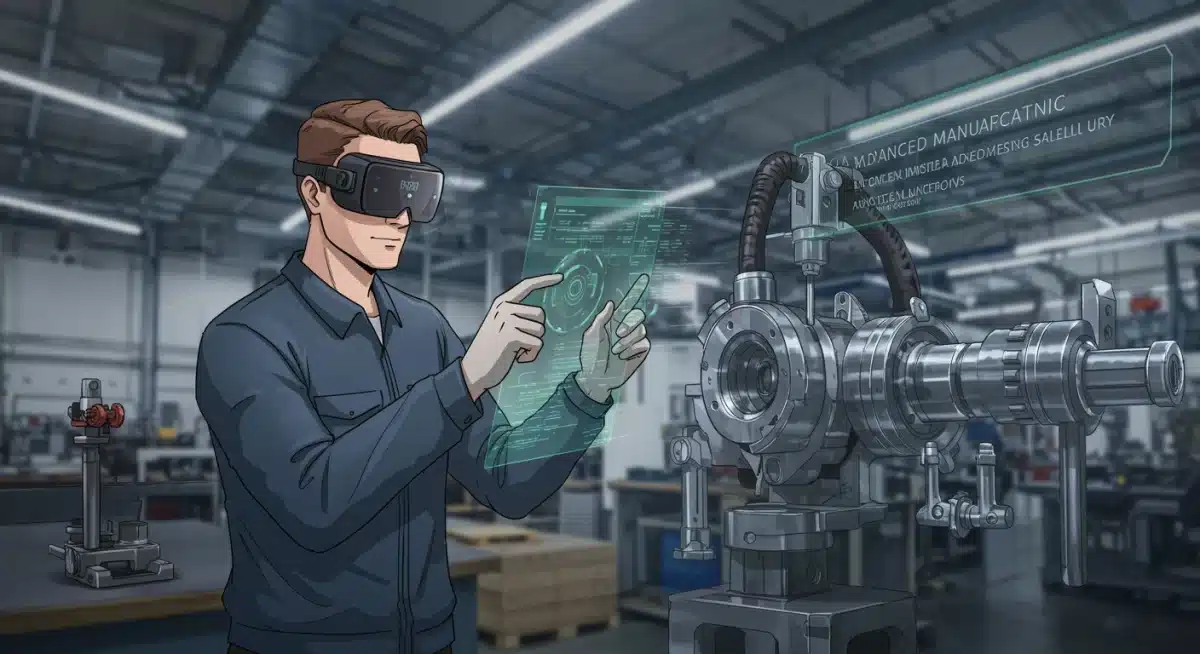
For instance, an apprentice might learn to program collaborative robots (cobots) that work alongside humans, or master the intricacies of additive manufacturing (3D printing) for creating specialized components. These programs often partner with community colleges to provide the theoretical knowledge, while the practical training occurs on the factory floor, ensuring a seamless integration of learning and application.
The value of these apprenticeships extends beyond technical skills; they also foster critical thinking, problem-solving, and teamwork—qualities essential for success in any modern workplace. By investing in advanced manufacturing apprenticeships, individuals are not just learning a trade; they are becoming architects of the next industrial revolution, poised for significant career advancement and impact.
Untapped opportunity 3: digital technology professionals
The digital economy continues its relentless expansion, creating an insatiable demand for professionals skilled in various facets of technology. From cybersecurity to data analytics, and from software development to cloud computing, the opportunities are vast. However, traditional educational routes often struggle to produce graduates with the precise, up-to-date skills that tech companies require. This is where apprenticeships in digital technology step in, offering a dynamic and practical alternative that remains largely untapped by many aspiring tech professionals.
These programs provide immersive, on-the-job training, allowing apprentices to gain real-world experience while working on live projects. They are mentored by seasoned professionals, learn best practices, and often acquire certifications that are highly valued in the tech industry, bypassing the need for a four-year degree while still achieving high levels of competency and earning potential.
Diverse roles in the digital landscape
Digital technology apprenticeships cover a broad spectrum of roles, each critical to the functioning of modern businesses. These roles are not only financially rewarding but also offer continuous learning and innovation, appealing to those with a passion for technology and problem-solving.
- Cybersecurity analyst: Training to protect digital systems and data from cyber threats, a field with ever-growing importance.
- Data analyst: Learning to interpret complex datasets to inform business decisions and strategies.
- Software developer: Gaining hands-on experience in coding, testing, and deploying software applications.
- Cloud computing specialist: Focusing on managing and optimizing cloud infrastructure and services.
Many tech giants and innovative startups are embracing apprenticeships as a core strategy for talent acquisition and development. They recognize that practical experience and a demonstrated ability to learn are often more valuable than traditional academic credentials alone. This shift creates a fertile ground for individuals who are eager to dive into the tech world without the burden of significant student debt.
In essence, digital technology apprenticeships are a gateway to a thriving industry, offering a fast-track path to becoming a highly skilled and sought-after professional. For those with an aptitude for technology and a desire for continuous learning, these programs represent one of the most promising avenues for career starts in 2025.
Untapped opportunity 4: specialized healthcare support
The healthcare sector in the United States is constantly growing and evolving, driven by an aging population, advancements in medical technology, and an increasing focus on patient-centered care. While much attention is often given to doctors and nurses, there is a critical and expanding need for specialized healthcare support professionals. These roles, often overlooked, are vital for the efficient operation of healthcare facilities and the delivery of quality patient care. Apprenticeships in specialized healthcare support offer a direct route into these in-demand positions, providing essential training and certifications. These programs are particularly valuable because they address specific skill gaps within the healthcare system, offering tailored education and immediate employment prospects.
They present an excellent opportunity for individuals who are compassionate, detail-oriented, and eager to contribute to the well-being of others, without necessarily pursuing a lengthy and expensive medical degree. The hands-on nature of these apprenticeships ensures that graduates are job-ready and possess the practical experience required to excel in their roles from day one.
Expanding roles in patient care and medical operations
Specialized healthcare support apprenticeships encompass a variety of crucial roles that keep the healthcare system running smoothly. These positions often involve direct patient interaction, technical assistance, or administrative tasks that are fundamental to clinical success.
- Medical assistant specialist: Training in clinical and administrative tasks, often with a focus on specific medical specialties like cardiology or dermatology.
- Pharmacy technician: Learning to assist pharmacists in dispensing medication, managing inventory, and interacting with patients.
- Surgical technologist: Preparing operating rooms, assisting surgeons during procedures, and maintaining sterile environments.
- Health information technician: Specializing in managing patient health records, ensuring accuracy and compliance with privacy regulations.
Many of these apprenticeships are developed in partnership with hospitals, clinics, and long-term care facilities, ensuring that the training is directly relevant to employer needs. Apprentices gain invaluable experience in real healthcare settings, learning from experienced professionals and becoming integral members of care teams. This immersive approach not only builds technical skills but also fosters critical soft skills such as communication, empathy, and teamwork, which are paramount in healthcare.
For those looking for a meaningful career with strong job security and opportunities for advancement, specialized healthcare support apprenticeships are an incredibly promising avenue. They offer a chance to enter a vital industry, make a tangible difference in people’s lives, and build a solid professional foundation for the future.
Navigating apprenticeship programs: what to look for
Choosing the right apprenticeship program can be a pivotal decision for your career trajectory. With the increasing diversity of available programs, understanding what makes an apprenticeship valuable is crucial. It’s not just about finding a program; it’s about finding the right fit that aligns with your career aspirations and provides comprehensive training and support. A well-structured apprenticeship should offer a clear pathway to a recognized credential, provide competitive wages, and ensure a safe and supportive learning environment.
Prospective apprentices should carefully research programs, consider their long-term career goals, and evaluate the quality of the training offered. The investment of your time and effort warrants a program that delivers substantial returns in terms of skills, experience, and future employment prospects.
Key elements of a successful apprenticeship
When evaluating apprenticeship opportunities, several key factors stand out as indicators of a high-quality program. These elements contribute to a holistic learning experience that prepares individuals not just for a job, but for a successful career.
- Accreditation and recognition: Ensure the program is registered with the Department of Labor or a state apprenticeship agency, guaranteeing industry-recognized credentials.
- Comprehensive curriculum: Look for programs that balance on-the-job training with relevant classroom instruction, covering both theoretical knowledge and practical skills.
- Mentorship structure: A strong mentorship component is vital, providing guidance, feedback, and opportunities for professional development from experienced journeymen.
- Wage progression: A clear wage progression schedule is important, ensuring that your earnings increase as your skills and experience grow.
- Post-completion opportunities: Inquire about job placement rates and opportunities for continued employment or advancement within the sponsoring company.
Beyond these practical considerations, it’s also important to assess the company culture and the learning environment. A supportive and inclusive workplace can significantly enhance your apprenticeship experience and contribute to your overall success. Don’t hesitate to ask questions, speak with current or former apprentices, and gather as much information as possible to make an informed decision.
Ultimately, a successful apprenticeship is a partnership between the apprentice, the employer, and the training provider, all working together to cultivate a skilled and competent professional. By focusing on these key elements, you can confidently navigate the landscape of apprenticeship programs and find an opportunity that will launch a rewarding career.
The future of work: apprenticeships as a strategic pathway
The landscape of work is continuously evolving, shaped by technological advancements, shifting economic demands, and a growing emphasis on lifelong learning. In this dynamic environment, apprenticeships are emerging not just as an alternative, but as a strategic and increasingly preferred pathway for career development. They offer a flexible, responsive model that can adapt to rapid changes in industry needs, ensuring that the workforce remains skilled and competitive.
For individuals, apprenticeships provide a robust foundation for building a sustainable career, offering a blend of practical skills, theoretical knowledge, and professional networking opportunities. For employers, they represent a powerful tool for talent development, allowing them to cultivate a workforce precisely tailored to their operational and strategic goals. This symbiotic relationship positions apprenticeships at the forefront of future workforce development strategies.
The enduring value of skilled trades and new professions
While some jobs may be automated, the demand for skilled trades and specialized technical roles remains strong and is, in many cases, growing. Apprenticeships are crucial for maintaining and expanding this essential workforce. They emphasize hands-on learning and problem-solving, skills that are difficult to replicate through purely academic routes.
- Adaptability to new technologies: Apprenticeship models are agile, allowing for curriculum updates to incorporate emerging tools and practices.
- Strong employer engagement: Direct involvement from employers ensures training is always relevant to industry demands.
- Reduced skills gap: By training individuals for specific roles, apprenticeships directly address shortages in critical sectors.
- Economic resilience: A skilled workforce built through apprenticeships contributes to a more robust and responsive economy.
Furthermore, the structure of apprenticeships fosters a culture of continuous learning and professional growth. Apprentices are exposed to real-world challenges and develop the critical thinking skills necessary to navigate complex situations. This prepares them not just for entry-level positions but for leadership roles and long-term career progression.
In conclusion, apprenticeships are more than just training programs; they are a strategic investment in human capital and economic future. By embracing and expanding these opportunities, individuals can secure fulfilling careers, and industries can thrive with a highly competent and adaptable workforce. The future of work is undoubtedly intertwined with the growth and evolution of apprenticeship programs.
| Key Opportunity | Brief Description |
|---|---|
| Green Energy Technicians | Specialized training for roles in solar, wind, and EV infrastructure, addressing the growing demand for sustainable energy solutions. |
| Advanced Manufacturing | Apprenticeships integrating robotics, AI, and 3D printing, preparing individuals for high-tech production roles. |
| Digital Technology | On-the-job learning in cybersecurity, data analytics, and software development for the expanding digital economy. |
| Specialized Healthcare Support | Critical roles like medical assistants and pharmacy technicians, essential for the efficient operation of healthcare facilities. |
Frequently asked questions about 2025 apprenticeships
Apprenticeships offer paid on-the-job training, leading to industry-recognized credentials without accumulating student debt. Unlike traditional degrees, apprentices gain practical experience from day one, often securing guaranteed employment upon completion, providing a faster track to a stable career.
You can find green energy apprenticeship programs through the Department of Labor’s apprenticeship finder, state workforce development agencies, local community colleges, and direct outreach to renewable energy companies. Industry associations also often list available opportunities.
Yes, many digital technology apprenticeships are designed for individuals with little to no prior experience, focusing on foundational skills. They often provide comprehensive training in coding, cybersecurity, or data analytics, making them an excellent entry point into the tech industry for motivated beginners.
Healthcare support apprenticeships typically lead to certifications such as Certified Medical Assistant (CMA), Certified Pharmacy Technician (CPhT), or Certified Surgical Technologist (CST). These credentials are nationally recognized and enhance employability within the healthcare sector.
To ensure legitimacy, verify if the program is registered with the U.S. Department of Labor or a state apprenticeship agency. Look for clear curriculum details, strong mentorship structures, defined wage progressions, and positive testimonials from current or past apprentices.
Conclusion
The evolving landscape of apprenticeship programs in 2025 offers a dynamic and advantageous pathway for individuals seeking to launch or advance their careers. By embracing the opportunities in green energy, advanced manufacturing, digital technology, and specialized healthcare support, aspiring professionals can gain invaluable skills, secure stable employment, and contribute to critical sectors of the economy. These programs not only bridge skill gaps but also empower individuals with practical knowledge and recognized credentials, proving that apprenticeships are a strategic investment for both personal and national prosperity.