AI Job Search Tools 2025: Transform Your Career Strategy

The job market is rapidly evolving, and embracing AI tools is no longer optional but essential for a successful job search in 2025, offering unprecedented advantages in efficiency and personalization.
The landscape of job searching is undergoing a profound transformation, and staying ahead means embracing innovation. In 2025, the phrase AI job search tools is no longer a futuristic concept but a present-day reality, offering practical solutions to navigate the competitive career market. These advanced technologies are reshaping how candidates discover opportunities, craft compelling applications, and prepare for interviews, making the process more efficient and effective than ever before.
Understanding the Evolution of Job Search with AI
The traditional methods of job hunting, once solely reliant on paper resumes and generic cover letters, are rapidly becoming outdated. Artificial intelligence has emerged as a powerful ally, not just for recruiters, but for job seekers themselves. By automating tedious tasks and providing data-driven insights, AI tools empower individuals to present their best selves and connect with the right opportunities more effectively. This shift necessitates a new approach to career strategy, where understanding and leveraging AI is paramount.
AI’s influence extends across the entire job search lifecycle, from initial exploration to final interview preparation. It helps demystify the hiring process, making it more transparent and accessible. For instance, AI algorithms can analyze job descriptions to identify key skills and keywords, then cross-reference them with a candidate’s profile to suggest optimal matches. This level of precision was previously unattainable, requiring countless hours of manual research and guesswork. The integration of AI also addresses biases, as some tools are designed to focus purely on qualifications, fostering a more equitable hiring environment.
Personalized Job Matching and Discovery
- Smart Algorithms: AI analyzes your skills, experience, and career goals to suggest highly relevant job postings, often discovering hidden opportunities.
- Predictive Analytics: These tools can forecast industry trends and in-demand skills, guiding job seekers toward future-proof career paths.
- Geographic Optimization: AI can filter jobs based on preferred locations, commute times, and even local market demand, saving significant time.
Moreover, AI is not just about finding jobs; it’s about finding the *right* jobs. By learning from your interactions and preferences, these tools become increasingly adept at understanding your unique career aspirations. This personalized approach reduces the frustration of sifting through irrelevant listings and allows job seekers to focus their energy on applications that truly align with their professional identity. The result is a more targeted and ultimately more successful job search experience, redefining efficiency in career development.
In conclusion, the integration of AI into the job search process marks a significant evolution. It transforms a often daunting and time-consuming endeavor into a streamlined, data-driven journey. Recognizing and adapting to this change is crucial for anyone looking to secure their ideal role in the modern workforce, making AI-powered tools indispensable for future career success.
AI-Powered Resume and Cover Letter Optimization
Crafting a resume and cover letter that stands out is arguably the most critical first step in securing an interview. In 2025, generic applications are simply not enough. AI tools have revolutionized this process, moving beyond simple spell-checking to offer sophisticated analysis and optimization. These platforms can dissect job descriptions, identify crucial keywords, and then suggest precise ways to tailor your application materials to pass through Applicant Tracking Systems (ATS) and capture the attention of hiring managers.
The primary challenge for many job seekers is understanding what recruiters are truly looking for. AI steps in as an invaluable interpreter, translating the nuances of job postings into actionable advice for resume and cover letter enhancement. From suggesting stronger action verbs to ensuring optimal keyword density, these tools provide real-time feedback that can significantly boost an application’s visibility and impact. This targeted approach ensures that every submission is not just well-written, but strategically optimized for the specific role.
Key AI Tools for Document Enhancement
- Resume Scanners: Tools like Jobscan or Resume Worded use AI to compare your resume against a job description, highlighting missing keywords and formatting issues.
- AI Writing Assistants: Platforms such as Grammarly Business or Jasper can help refine your language, improve readability, and generate compelling content for cover letters.
- Portfolio Builders: AI can assist in curating and optimizing online portfolios, suggesting relevant projects and achievements based on your target roles.
Beyond just keywords, AI can also analyze the overall structure and presentation of your documents. It can identify common pitfalls, such as overly long sentences, passive voice, or inconsistent formatting, providing suggestions for improvement that go beyond what a human editor might catch. This ensures that your application not only contains the right information but is also presented in the most professional and impactful way possible.
In essence, AI-powered resume and cover letter optimization tools act as a personal career coach, offering objective, data-driven advice. They empower job seekers to move beyond guesswork and create application materials that are not only error-free but also strategically aligned with the demands of the modern job market, significantly increasing their chances of success.
Leveraging AI for Interview Preparation and Practice
The interview stage can be the most nerve-wracking part of the job search, but AI is transforming how candidates prepare for it. Gone are the days of rehearsing in front of a mirror; now, sophisticated AI platforms offer realistic interview simulations, providing instant feedback on everything from your verbal responses to your body language. This technology allows for targeted practice, helping job seekers refine their communication skills and build confidence before the actual interview.
These AI interview preparation tools go deep, analyzing common interview questions and tailoring practice sessions to specific industries or roles. They can identify patterns in your speech, such as filler words or hesitant tones, and provide constructive suggestions for improvement. Furthermore, some tools offer non-verbal feedback, tracking eye contact, facial expressions, and posture, which are crucial elements of effective communication often overlooked in traditional preparation methods.
Advanced AI Interview Coaches
- Virtual Interview Simulators: Platforms like Interview AI or Pramp offer mock interviews with AI ‘recruiters’ that adapt questions based on your responses.
- Behavioral Analysis: These tools use computer vision and natural language processing to assess your confidence, clarity, and engagement.
- Personalized Feedback Reports: After each session, you receive a detailed report highlighting strengths and areas for improvement, complete with actionable advice.
The ability to practice in a low-stakes environment, receive immediate, unbiased feedback, and iterate on your responses is a game-changer. It allows candidates to identify and correct weaknesses before they become liabilities in a real interview setting. This iterative process of practice and refinement, guided by AI, builds not only skill but also a profound sense of self-assurance.
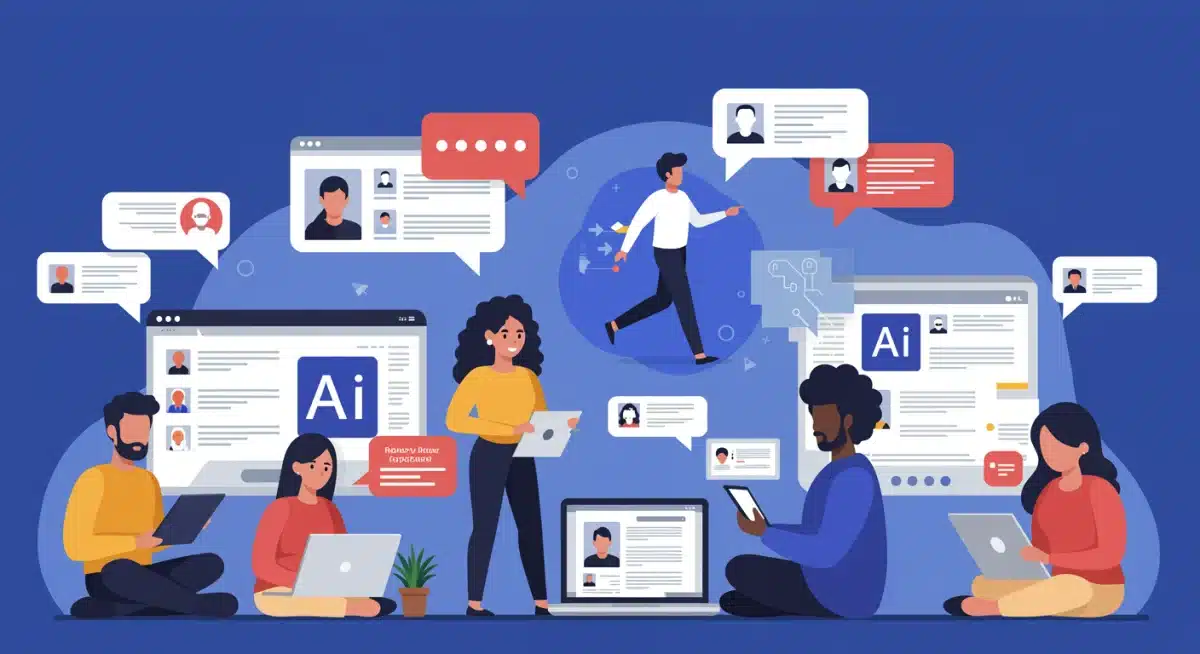
Ultimately, AI for interview preparation demystifies the interview process, turning it into a structured learning experience rather than a daunting challenge. By providing comprehensive feedback and realistic simulations, these tools equip job seekers with the poise and articulation needed to make a strong impression and successfully secure their desired positions.
AI Tools for Skill Development and Career Pathway Planning
The job market is dynamic, with skill requirements constantly evolving. AI tools are proving invaluable not only for immediate job applications but also for long-term career development and pathway planning. These platforms analyze current market trends, identify skill gaps in a candidate’s profile, and recommend personalized learning paths to stay competitive. This proactive approach ensures that job seekers are always equipped with the most relevant and in-demand skills.
Imagine having a personal career advisor that constantly monitors the global job market and updates you on emerging opportunities and necessary competencies. That’s precisely what AI-powered skill development tools offer. They can cross-reference your existing abilities with the requirements of your target roles, pinpointing areas where further education or training would be most beneficial. This guidance is crucial for making informed decisions about certifications, courses, and even advanced degrees.
AI-Driven Learning and Development Platforms
- Skill Gap Analysis: Tools like LinkedIn Learning or Coursera use AI to recommend courses and certifications based on your career goals and industry demands.
- Personalized Learning Paths: AI adapts content and exercises to your learning style and pace, ensuring efficient skill acquisition.
- Career Trajectory Mapping: Some platforms can visualize potential career paths, showing you the skills needed to advance to higher roles.
Furthermore, these tools often integrate with job search platforms, creating a seamless experience from skill identification to application. They don’t just tell you what skills you need; they often provide direct pathways to acquire them, whether through online courses, workshops, or mentorship programs. This holistic approach to career development ensures that job seekers are not just reactive to market demands but are actively shaping their professional future.
In conclusion, AI tools for skill development and career pathway planning are essential for anyone committed to continuous growth and adaptability in their professional journey. They provide the insights and resources needed to navigate the complexities of a changing job market, ensuring long-term career success and relevance.
Networking and Personal Branding with AI Assistance
Networking and personal branding are often cited as critical components of a successful job search, yet many find them challenging. AI is now stepping in to simplify and enhance these vital activities. From identifying key industry contacts to optimizing your online professional presence, AI tools can significantly amplify your networking efforts and help you build a compelling personal brand that resonates with potential employers.
Traditional networking can be time-consuming and often relies on chance encounters. AI, however, can intelligently analyze your professional profile and career aspirations to suggest relevant individuals and groups to connect with. It can even help draft personalized outreach messages, making your networking more targeted and effective. This strategic approach ensures that every connection made is meaningful and aligned with your career objectives.
AI for Enhanced Networking and Branding
- Intelligent Connection Suggestions: Tools like LinkedIn’s AI-driven recommendations help you find and connect with professionals in your target industries.
- Content Optimization for Profiles: AI can analyze your LinkedIn profile or personal website, suggesting improvements to keywords and content to boost visibility.
- Automated Outreach Assistants: Some AI tools can assist in personalizing and scheduling networking emails or messages, streamlining your communication.
Beyond just making connections, AI also plays a crucial role in shaping your personal brand. It can analyze the language and tone of your online presence, ensuring it aligns with the professional image you wish to project. For instance, AI can suggest ways to articulate your value proposition more clearly or identify areas where your brand messaging could be strengthened. This holistic approach to personal branding ensures consistency and impact across all your professional platforms.
In essence, AI assistance transforms networking from a daunting task into a strategic advantage. By providing intelligent insights and automation, these tools empower job seekers to build a robust professional network and cultivate a powerful personal brand, both of which are indispensable for career advancement in today’s interconnected world.
Ethical Considerations and Future Outlook of AI in Job Search
While the benefits of AI in job searching are undeniable, it’s crucial to address the ethical considerations and contemplate the future trajectory of these technologies. As AI becomes more integrated into our professional lives, questions surrounding data privacy, algorithmic bias, and the potential for over-reliance on technology come to the forefront. A balanced perspective is essential to harness AI’s power responsibly.
One of the primary concerns is algorithmic bias. If AI tools are trained on biased data, they can perpetuate or even amplify existing inequalities in the hiring process. This could lead to certain demographics being unfairly disadvantaged. Developers and users alike must be vigilant in ensuring that AI algorithms are fair, transparent, and regularly audited to prevent such outcomes. Data privacy is another critical aspect; job seekers share sensitive personal information with these tools, necessitating robust security measures and clear data usage policies.
Navigating the Ethical Landscape
- Data Privacy: Always review the privacy policies of AI tools to understand how your personal data is collected, stored, and used.
- Algorithmic Transparency: Advocate for AI tools that offer transparency in how their algorithms make recommendations and decisions.
- Human Oversight: Remember that AI is a tool; human judgment and critical thinking should always complement AI insights, not be replaced by them.
Looking ahead, the future of AI in job search promises even greater sophistication. We can anticipate more predictive capabilities, personalized career coaching, and even AI-driven negotiation assistants. However, the development must be guided by strong ethical frameworks to ensure that these advancements serve to empower all job seekers, rather than creating new barriers. The goal should be to create a more equitable, efficient, and human-centric job market.
In conclusion, while AI offers transformative potential for job seekers, a mindful approach to its ethical implications is paramount. By understanding and addressing these challenges, we can ensure that AI continues to be a positive force, enhancing opportunities and fostering fairness in the evolving world of work.
| Key Aspect | AI’s Transformative Role |
|---|---|
| Resume Optimization | Tailors applications to job descriptions, bypassing ATS filters and highlighting relevant skills. |
| Interview Preparation | Provides virtual mock interviews with real-time feedback on verbal and non-verbal cues. |
| Skill Development | Identifies skill gaps and recommends personalized learning paths for career growth. |
| Networking & Branding | Suggests relevant connections and optimizes professional online presence for impact. |
Frequently Asked Questions About AI in Job Search
AI tools analyze job descriptions to identify crucial keywords and phrases. They then compare these against your resume, suggesting optimal wording and formatting adjustments. This ensures your resume is tailored to meet the ATS criteria, increasing its chances of being selected for human review.
Yes, AI interview simulators offer virtual practice sessions. They provide real-time feedback on your verbal responses, tone, pacing, and even non-verbal cues like eye contact and facial expressions. This personalized critique helps you refine your communication and build confidence for actual interviews.
Many AI job search tools offer free basic versions with limited features, while more advanced functionalities often come with a subscription or premium plan. It’s common to find freemium models, allowing users to experience the benefits before committing to a paid service.
AI job matching accuracy is generally high and continuously improving. These tools learn from your preferences, skills, and previous applications to refine their suggestions. The more you use them, the better they understand your needs, leading to increasingly relevant job recommendations.
Privacy risks include the collection and storage of personal data, potential for algorithmic bias, and data breaches. It’s crucial to choose reputable tools, review their privacy policies carefully, and understand how your information is protected and utilized by the platform.
Conclusion
The integration of AI into the job search process represents a paradigm shift, offering unparalleled opportunities for efficiency, personalization, and strategic advantage. From optimizing resumes to perfecting interview techniques, and from identifying skill gaps to fostering robust professional networks, AI job search tools are no longer merely supplementary, but fundamental components of a successful career strategy in 2025. While ethical considerations surrounding data privacy and algorithmic bias require ongoing vigilance, the responsible adoption of these technologies empowers job seekers to navigate the complexities of the modern employment landscape with greater confidence and precision. Embracing AI means not just keeping pace with change, but actively shaping a more informed and effective path toward career fulfillment.