AI-driven future insights: shaping tomorrow’s possibilities

AI-driven solutions are transforming industries by automating processes, personalizing user experiences, and enhancing efficiency through advanced technologies like machine learning and data analytics.
AI-driven future insights are not just buzzwords; they represent a significant shift in how we perceive technology. Have you considered how these insights could redefine your everyday experiences? Let’s explore the transformative power of AI.
Understanding AI-driven technologies
Understanding AI-driven technologies is essential in today’s digital age. These technologies are constantly evolving, providing innovative solutions that improve our lives. By grasping how AI works, we can better navigate the future.
Key Features of AI-driven Technologies
AI-driven technologies have several defining characteristics that set them apart:
- Learning capabilities: These systems can learn from data to improve their performance over time.
- Automation: AI can automate repetitive tasks, freeing humans for more complex work.
- Data analysis: They analyze large amounts of data quickly, extracting insights that inform decision-making.
- Natural language processing: This allows AI to understand and respond to human language effectively.
As we delve deeper, it’s clear that the potential of AI-driven technologies is vast. From personalized recommendations in shopping to advancements in healthcare, these systems are reshaping how we interact with the world. The use of machine learning algorithms allows for predictive analytics, which helps businesses anticipate customer behavior and optimize operations.
Real-World Applications
Various industries benefit from AI technologies:
- Healthcare: AI analyzes patient data to tailor treatments.
- Finance: It detects fraudulent transactions in real-time.
- Transportation: Self-driving vehicles rely on AI for navigation.
Understanding these applications highlights the versatility of AI. As technologies advance, exploring their implications becomes crucial. Organizations adopting AI-driven systems are often more competitive, showcasing the importance of keeping up with these innovations.
Impact of AI on various industries
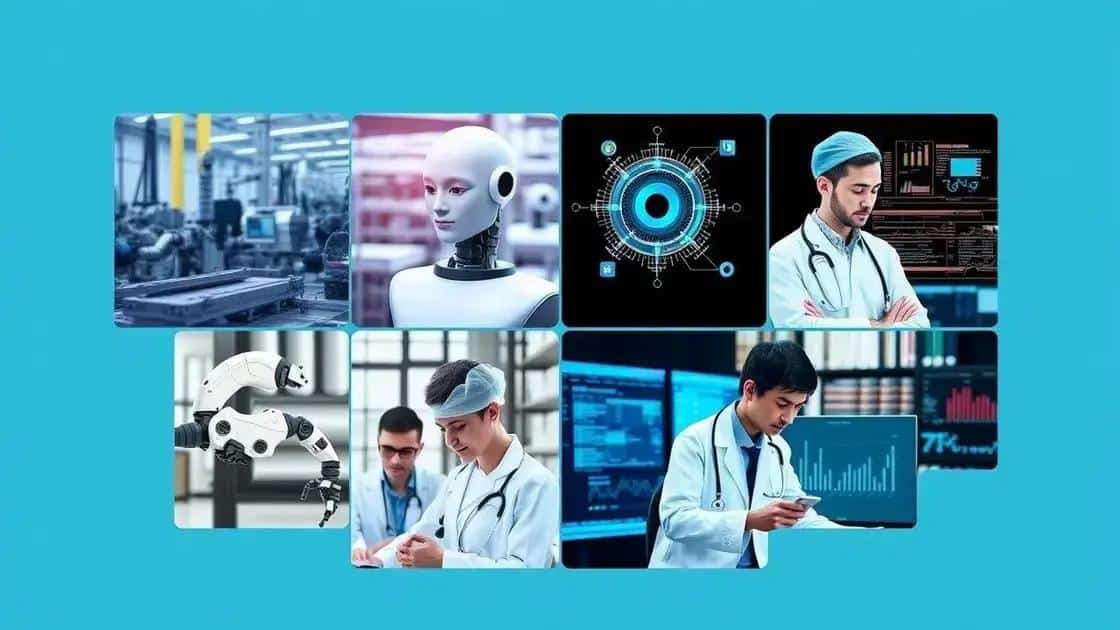
The impact of AI on various industries is profound and far-reaching. As organizations increasingly adopt these technologies, they experience significant changes in how they operate and serve customers. From manufacturing to healthcare, the benefits of AI-driven innovations are transforming business landscapes.
Manufacturing
In manufacturing, AI enhances productivity by streamlining processes. Automated systems track inventory and manage supply chains efficiently. Predictive maintenance reduces downtime by forecasting equipment failures before they happen. These improvements lead to cost savings and higher output.
- Quality control: AI algorithms inspect products for defects more accurately than humans.
- Resource optimization: Machines adjust energy usage based on real-time data.
- Employee safety: Robots handle dangerous tasks, reducing workplace injuries.
The effects of AI extend to other sectors as well. In healthcare, for instance, physicians use AI to analyze patient records and diagnose conditions faster. This technology enhances patient care and leads to better health outcomes.
Healthcare
AI systems assist healthcare professionals by providing recommendations based on vast amounts of medical data. Moreover, they help identify potential health issues early on. This early detection is critical, as it can save lives.
- Patient management: AI improves scheduling and follow-up procedures.
- Telemedicine: Virtual consultations have become more efficient with AI.
- Drug discovery: AI accelerates the process of finding new medications.
As we explore the changes brought about by AI in different industries, it becomes clear that the technology not only boosts efficiency but also reshapes job roles and expectations. With these advancements, workers can focus on higher-level tasks, increasing job satisfaction and driving innovation across sectors.
How AI is reshaping our daily lives
How AI is reshaping our daily lives is a fascinating topic. These intelligent systems are integrating into various aspects of our routines, making tasks easier and more efficient. From morning alarms to evening entertainment, AI is becoming a silent partner in our everyday activities.
Smart Homes
One significant area where AI is having a profound impact is in our homes. Smart devices learn our preferences and automate tasks, enhancing comfort and convenience.
- Voice assistants: Devices like Alexa and Google Assistant help us manage our schedules and answer questions.
- Smart thermostats: These systems adjust the temperature automatically based on our habits, saving energy.
- Home security: AI-powered cameras and alarms offer peace of mind by monitoring our properties.
Beyond home automation, AI affects our daily decision-making. Many people rely on shopping apps that suggest products based on previous purchases. This personalized shopping experience simplifies the buying process, making it more enjoyable.
Transportation
In transportation, AI is revolutionizing how we travel. Apps like Uber and Lyft use algorithms to match riders with drivers swiftly. Self-driving cars are on the horizon, promising to change how we think about commuting.
- Route optimization: AI analyzes traffic patterns to suggest the quickest routes.
- Ride-sharing: It connects passengers efficiently, reducing wait times.
- Safety features: Advanced driving assistance systems help prevent accidents.
As we continue to explore the influence of AI, it is essential to note its impact on our work. Many workplaces are adopting AI technologies to streamline processes, improve communication, and enhance productivity. These innovations create new job opportunities, requiring workers to adapt and learn new skills.
Future trends in AI-driven solutions
Future trends in AI-driven solutions promise to revolutionize how we interact with technology and each other. As innovation continues, we can expect significant advancements across various fields. These trends not only influence how businesses operate but also shape our daily experiences in profound ways.
Integration of AI and IoT
The integration of AI with the Internet of Things (IoT) is one of the most exciting trends. This combination enables devices to communicate and make decisions based on real-time data. Imagine your refrigerator notifying you when you’re low on groceries or your thermostat adjusting temperatures based on your preferences.
- Smart cities: AI-powered sensors will optimize traffic flow and improve public safety.
- Wearable technology: Fitness trackers will analyze data to provide health insights.
- Home automation: Appliances will work together to enhance your living environment seamlessly.
As we look further ahead, the role of AI in personalized experiences will continue to grow. Businesses will utilize data to customize offerings, ensuring that every user feels uniquely catered to. This personalization not only improves user satisfaction but also drives loyalty.
Ethical AI Development
Another key trend is the push for ethical AI development. As AI systems gain more influence, it becomes crucial to ensure they are designed with fairness and accountability. Addressing bias in algorithms and creating transparent processes will be important steps toward building trust.
- Regulations: Governments will implement guidelines to govern the use of AI.
- Inclusive technology: Diverse teams will contribute to fairer AI solutions.
- Public awareness: Education on AI principles will help users understand the technology better.
Additionally, advancements in machine learning and deep learning continue to expand the capabilities of AI. As these technologies evolve, expect more sophisticated applications in healthcare, finance, and many other sectors. This constant innovation challenges us to adapt and embrace new tools that enhance our lives.
FAQ – Frequently Asked Questions about AI-driven Solutions
What are AI-driven solutions?
AI-driven solutions refer to technologies and systems that utilize artificial intelligence to automate processes, improve decision-making, and enhance user experiences.
How can AI improve personalized experiences?
AI analyzes user data to understand preferences and behaviors, allowing businesses to tailor recommendations and services to individual needs.
What role does ethics play in AI development?
Ethics in AI development ensures that technologies are created with fairness and accountability, minimizing bias and promoting trust.
In which industries is AI making the most impact?
AI is significantly impacting industries such as healthcare, finance, transportation, and manufacturing, enhancing efficiency and innovation.