Ace Your Interview: Expert Tips & Common Questions Answered
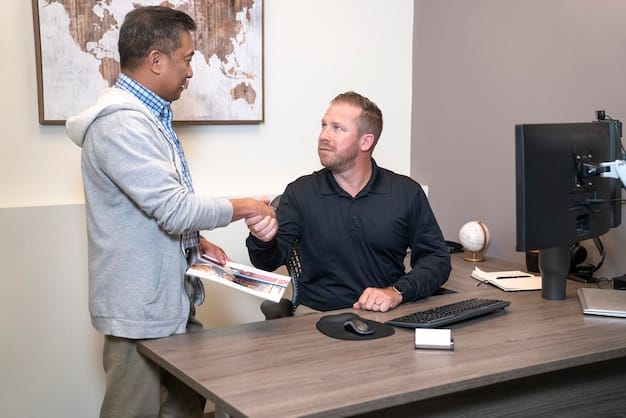
Preparing for a job interview involves researching the company, practicing answers to common questions, and presenting oneself professionally to make a strong, lasting impression.
Landing a job interview is a huge step, but it’s only half the battle. Knowing how to prepare for a job interview: common questions and expert answers is crucial to making a lasting impression and securing that offer.
Understanding the Interview Landscape
Job interviews can feel like walking into the unknown. Familiarizing yourself with the general interview process helps alleviate anxiety and allows you to focus on putting your best foot forward. Understanding the different types of interviews you might encounter and the key elements that make up a successful interview provides a solid foundation for your preparation.
Different Types of Job Interviews
Job interviews come in various formats, each designed to assess different aspects of your personality, skills, and experience.
- Phone Interviews: Often used as a preliminary screening, these interviews assess basic qualifications and communication skills.
- In-Person Interviews: These traditional interviews allow for a more in-depth conversation and a chance to assess your demeanor and fit within the company culture.
- Panel Interviews: Involving multiple interviewers simultaneously, these can be intimidating but offer a comprehensive evaluation of your candidacy.
- Behavioral Interviews: Focusing on past experiences to predict future performance, these interviews require you to provide specific examples of how you handled certain situations.
- Technical Interviews: Common in tech and engineering roles, these interviews assess your technical skills through problem-solving exercises and coding challenges.
Knowing what to expect in each type of interview helps you tailor your preparation and approach accordingly.

Researching the Company and the Role
Thorough research is non-negotiable when learning how to prepare for a job interview. This goes beyond simply reading the “About Us” page on the company’s website. Dive deep into their mission, values, recent projects, and industry standing. The more you know, the better you can articulate your interest and demonstrate how your skills align with their needs. Don’t just understand what they do; understand why they do it and how you can contribute to their success.
Key Areas to Research
Effective company research involves exploring various aspects of the organization and the role you’re applying for.
- Company History and Mission: Understand the company’s origins, evolution, and core values to align your aspirations with their vision.
- Recent News and Projects: Stay informed about recent developments, projects, and achievements to demonstrate your interest and awareness.
- Industry Position and Competitors: Analyze the company’s position in the industry and identify key competitors to showcase your market knowledge.
- Job Description and Requirements: Carefully review the job description, identifying key skills and responsibilities to highlight relevant experiences.
Demonstrate how your skills and experience directly address the company’s needs and contribute to their objectives.
Mastering Common Interview Questions
While every interview is unique, certain questions pop up time and again. Preparing thoughtful and concise answers to these common inquiries can significantly boost your confidence and performance. It’s not about memorizing responses verbatim, but rather understanding the core message you want to convey and practicing how to articulate it effectively. This preparation ensures you’re not caught off guard and can present yourself in the best possible light.
Top Interview Questions and How to Answer Them
Let’s explore some of the most frequently asked interview questions and strategies for crafting impactful responses.
- “Tell me about yourself.” Focus on your professional journey, highlighting relevant skills and experiences that align with the job requirements.
- “What are your strengths and weaknesses?” Showcase strengths backed by specific examples and frame weaknesses as areas for growth and development.
- “Why are you interested in this role/company?” Demonstrate genuine interest by explaining how the role and company align with your career goals and values.
- “Where do you see yourself in five years?” Articulate your career aspirations and demonstrate how this role aligns with your long-term goals.
- “Why should we hire you?” Summarize your key qualifications and explain how you can contribute to the company’s success.
Always tailor your responses to the specific role and company, demonstrating your understanding of their needs and how you can meet them.
The STAR Method: Telling Your Story Effectively
The STAR method is a powerful technique for answering behavioral interview questions, which often begin with phrases like “Tell me about a time when…” or “Describe a situation where…” This method provides a structured framework for presenting your experiences in a clear, concise, and compelling manner, ensuring you highlight the skills and qualities the interviewer is seeking. By using the STAR method, you can transform vague anecdotes into impactful narratives that showcase your problem-solving abilities and contributions.
Breaking Down the STAR Method
The STAR method consists of four key components:
- Situation: Describe the context or background of the situation you were in.
- Task: Explain the specific task or goal you were assigned to achieve.
- Action: Detail the actions you took to address the situation and complete the task.
- Result: Summarize the outcome of your actions, highlighting the positive impact you made.
Using real examples and quantifying your achievements makes your stories more credible and memorable.
Dressing for Success and Body Language
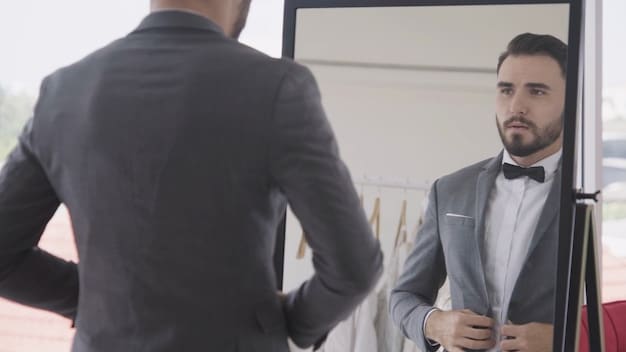
First impressions matter, and your appearance and body language can significantly influence an interviewer’s perception of you. Dressing appropriately for the company culture demonstrates respect and professionalism, while confident body language conveys engagement and enthusiasm. These non-verbal cues can speak volumes, reinforcing your qualifications and making you a more memorable candidate. Don’t underestimate the power of a polished presentation and positive demeanor.
Key Elements of Professional Appearance and Body Language
Mastering both appearance and body language can enhance your overall interview performance.
- Dress Code: Understand the company’s dress code and choose attire that is professional and appropriate for the industry.
- Posture and Eye Contact: Maintain good posture and make consistent eye contact to convey confidence and engagement.
- Handshake: Offer a firm handshake to create a positive first impression.
- Facial Expressions: Maintain a positive and approachable facial expression to convey enthusiasm and friendliness.
Project confidence and enthusiasm through your appearance and body language, reinforcing your qualifications and making a lasting impression.
Asking the Right Questions
The interview is a two-way street, and asking thoughtful questions demonstrates your engagement and genuine interest in the role and company. It also provides you with valuable insights, helping you determine if the opportunity is the right fit for your career goals. Prepare a list of questions in advance, tailoring them to the specific role and company. Avoid questions that can be easily answered through online research and focus on topics that demonstrate your strategic thinking and long-term vision.
Examples of Effective Questions to Ask
Engaging the interviewer with thoughtful inquiries can set you apart from other candidates.
- “What are the biggest challenges facing the company in the next year?” Demonstrates your strategic thinking and interest in the company’s future.
- “What opportunities are there for professional development and growth within the company?” Shows your commitment to long-term career advancement.
- “How would you describe the company culture and work environment?” Provides insights into the daily work experience and team dynamics.
Don’t be afraid to ask questions that are important to you, as this is your opportunity to assess whether the role and company align with your values and aspirations.
Following Up After the Interview
The interview doesn’t end when you walk out of the room. Sending a timely and personalized thank-you note reinforces your interest and demonstrates your professionalism. Reiterate your key qualifications, express your enthusiasm for the opportunity, and thank the interviewer for their time and consideration. This final touch can leave a lasting positive impression and keep you top-of-mind as the hiring manager makes their decision.
Crafting a Professional Thank-You Note
A well-written thank-you note can solidify your candidacy and set you apart from other applicants.
- Send within 24 hours: Promptness demonstrates your interest and professionalism.
- Personalize each note: Reference specific topics discussed during the interview to show your engagement.
- Reiterate your interest: Reaffirm your enthusiasm for the role and company.
A thoughtful and personalized thank-you note reinforces your interest and demonstrates your professionalism, leaving a lasting positive impression.
| Key Point | Brief Description |
|---|---|
| 🔍 Research the Company | Understand their mission, values, and recent news. |
| 🗣️ Practice Common Questions | Prepare answers for typical interview inquiries. |
| ⭐ Use the STAR Method | Structure your answers with Situation, Task, Action, Result. |
| 👔 Dress Professionally | Choose appropriate attire and maintain good posture. |
Frequently Asked Questions
▼
Your attire should align with the company’s culture and industry standards. If you are uncertain, business casual is generally a safe bet. Ensure your clothing is clean, well-fitted, and professional, projecting a polished image.
▼
Focus on your professional journey, highlighting key skills and experiences that align directly with the job requirements. Summarize how you’ve evolved in your career and why this role is a logical next step, showcasing your passion.
▼
It’s okay to admit you don’t know. Ask for clarification or take a moment to collect your thoughts. Emphasize your willingness to learn and tackle new challenges. Describe how you would approach finding the answer.
▼
Yes, a thank-you note demonstrates your professionalism and solidifies your interest. Personalize each note to reference specific topics discussed. Send it within 24 hours of the interview to maintain momentum and keep you top-of-mind.
▼
Dive deep into the company’s history, mission, recent projects, and industry standing. Understand their values and keep tabs on competitors. Being well-informed shows your genuine interest and preparedness, setting you apart.
Conclusion
Mastering the art of how to prepare for a job interview: common questions and expert answers takes effort, but with the right approach, you’ll significantly increase your chances of success. Researching the company, practicing answering common questions, using the STAR method, dressing professionally, and asking insightful questions are essential steps. Remember to follow up with a thank-you note and continue to refine your skills. Your dedication and preparation will shine through, helping you land your dream job.