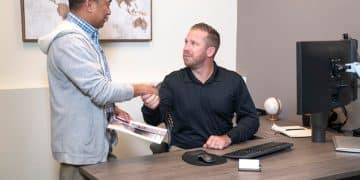
Ace Your Interview: Expert Tips & Answers to Common Questions

Preparing for a job interview involves researching the company, practicing answers to common questions, and presenting yourself confidently to make a strong impression.
Landing a job interview is a significant step in your career journey. But how do you ensure you stand out from other candidates? Knowing **how to prepare for a job interview: common questions and expert answers** can make all the difference, turning a nerve-wracking experience into a confident display of your skills and potential.
How to Get Ready for a Job Interview: Setting the Stage for Success
Preparing for a job interview involves far more than just picking out a suitable outfit. It’s about strategic planning and self-assessment. A well-prepared candidate demonstrates not only their capabilities but also their genuine interest in the role and the company.
Let’s explore the foundational steps you should take before the interview day.
Researching the Company
Delving into the company’s values, mission, and recent achievements is crucial. This research allows you to understand their culture and how your skills align with their goals.
Understanding the Role
Thoroughly review the job description to identify the key skills and experiences they are seeking. This will help you tailor your responses to highlight your relevant qualifications.

Crafting Your Elevator Pitch
Prepare a concise and compelling summary of your professional journey and how it makes you a great fit for the position. This should be rehearsed but sound natural.
- Review the Company Website: Understand their products, services, and recent news.
- Check Social Media: Gain insights into their culture and employee activities.
- Use LinkedIn: Research the interviewer and other employees to find common ground.
By laying the groundwork with thorough research and preparation, you position yourself as a serious and informed candidate. This initial effort demonstrates your commitment and enhances your confidence going into the interview.
Mastering Common Job Interview Questions: Expert Strategies
Anticipating and preparing for common interview questions is crucial. This allows you to deliver thoughtful, well-structured responses that showcase your skills and experience. It’s not about memorizing answers, but rather understanding the intent behind the questions.
Here are some frequently asked questions and expert advice on how to answer them effectively.
“Tell Me About Yourself”
This is your chance to provide a brief overview of your career, highlighting relevant experiences and skills. Focus on what makes you a good fit for the role.
“Why Are You Interested in This Position?”
Showcase your understanding of the role and explain why it aligns with your career goals. Highlight your enthusiasm for the company and the opportunity.

“What Are Your Strengths and Weaknesses?”
Choose strengths that are relevant to the job and provide specific examples. For weaknesses, select an area you are actively working to improve.
- STAR Method: Use the Situation, Task, Action, Result method to structure your answers.
- Quantify Achievements: Whenever possible, use numbers to showcase your impact.
- Be Authentic: Let your personality shine through while remaining professional.
By practicing these common questions, you’ll be better prepared to articulate your value and make a strong impression on the interviewer. Remember, it’s about showcasing your unique qualities and demonstrating why you are the best candidate for the job.
Behavioral Interview Questions: Showcasing Your Experience
Behavioral interview questions are designed to assess how you’ve handled situations in the past. Employers believe that past behavior is the best predictor of future performance. These questions often start with phrases like “Tell me about a time when…” or “Describe a situation where…”
Here’s how to approach these questions effectively.
Understanding the STAR Method
The STAR method (Situation, Task, Action, Result) is a structured way to answer behavioral interview questions. It helps you provide a clear and concise explanation of the event.
Examples of Behavioral Questions
Common questions include, “Tell me about a time you failed” or “Describe a situation where you had to deal with a difficult client.” These questions require honest and thoughtful responses.
When answering behavioral questions, it’s important to be specific and provide concrete examples. Avoid vague or generic responses that don’t offer real insight into your capabilities.
- Situation: Set the context by describing the situation you were in.
- Task: Explain the task you had to complete or the problem you needed to solve.
- Action: Describe the specific actions you took to address the situation.
- Result: Share the outcome of your actions and what you learned from the experience.
Mastering the art of answering behavioral questions can significantly improve your chances of success. By using the STAR method and providing specific examples, you can demonstrate your skills and experiences in a compelling way.
Asking the Right Questions: Engaging with the Interviewer
Asking insightful questions at the end of an interview demonstrates your interest and engagement. It’s an opportunity to learn more about the company, the role, and the team you’ll be working with.
Preparing a few thoughtful questions in advance can make a positive impression.
Why It’s Important to Ask Questions
Asking questions shows you’re not just passively seeking a job, but actively evaluating whether the opportunity is a good fit for you. It also gives you a chance to clarify any uncertainties.
Examples of Good Questions to Ask
Consider asking about the company’s culture, the team’s dynamics, or the challenges the role presents. Avoid asking questions that can easily be found on the company’s website.
The questions you ask should be relevant to the conversation and demonstrate your understanding of the company and the role. Avoid asking about salary or benefits in the first interview.
- What are the biggest challenges facing the team right now?
- How would you describe the company culture?
- What opportunities are there for professional development?
Asking the right questions can leave a lasting impression on the interviewer and solidify your position as a thoughtful and engaged candidate. It’s a crucial part of the interview process that shouldn’t be overlooked.
Dressing for Success: Making a Visual Impact
Your appearance matters in a job interview. Dressing professionally and appropriately shows respect for the interviewer and the company. It also boosts your confidence, allowing you to focus on your responses.
Here are some guidelines to help you dress for success.
Understanding Company Culture
Research the company’s dress code to determine the appropriate level of formality. Some companies have a business professional environment, while others are more casual.
Choosing the Right Outfit
Opt for a clean, well-fitting outfit that is appropriate for the industry and the specific role. A suit is generally a safe choice for more formal environments.
Ensure your clothes are free of wrinkles and stains. Pay attention to details like your shoes, accessories, and grooming. These small touches can make a big difference.
- Business Professional: A suit with a button-down shirt or blouse.
- Business Casual: Dress pants or a skirt with a collared shirt or sweater.
- Casual: Clean and well-fitting jeans with a dress shirt or blouse (if appropriate for the company).
Dressing for success is about more than just following a dress code. It’s about presenting yourself in a way that demonstrates professionalism and respect. This visual impact can significantly influence the interviewer’s perception of you.
Following Up After the Interview: Reinforcing Your Interest
Following up after the interview is a crucial step in the job application process. It demonstrates your continued interest in the role and provides an opportunity to reinforce your qualifications.
A well-crafted thank-you note can set you apart from other candidates.
Sending a Thank-You Note
Send a thank-you email or handwritten note within 24 hours of the interview. Express your appreciation for the interviewer’s time and reiterate your interest in the position.
What to Include in Your Follow-Up
Refer to specific points discussed during the interview to show you were engaged and attentive. Reiterate why you are a good fit for the role and the company.
Keep your thank-you note concise and professional. Proofread it carefully to avoid any errors. A thoughtful and personalized thank-you note can leave a lasting positive impression.
- Express Gratitude: Thank the interviewer for their time and consideration.
- Reiterate Interest: Reaffirm your enthusiasm for the role and the company.
- Highlight Key Points: Refer to specific topics discussed to show engagement.
Following up after the interview is more than just a formality; it’s a strategic move that can significantly improve your chances of landing the job. It demonstrates your professionalism and reinforces your interest in the opportunity.
| Key Point | Brief Description |
|---|---|
| 📚 Research Company | Understand the company’s mission and values. |
| 🗣️ Practice Answers | Prepare responses to common interview questions. |
| 👔 Dress Appropriately | Choose professional attire that fits the company culture. |
| ✉️ Follow Up | Send a thank-you note after the interview. |
Frequently Asked Questions
▼
Research the company’s mission, values, recent news, and its position in the market. Understanding these aspects helps you align your responses to their goals.
▼
Provide a concise overview of your professional journey, highlighting relevant experiences and skills that align with the job requirements. Focus on what makes you a good fit.
▼
STAR stands for Situation, Task, Action, Result. Use it to structure your answers to behavioral questions by describing the situation, your task, the actions you took, and the results.
▼
Ask questions that show your engagement and interest, such as about company culture, team dynamics, or challenges the role presents. Avoid questions easily found online.
▼
Send a thank-you email or handwritten note within 24 hours after the interview. Express your gratitude and reiterate your interest in the position, highlighting specific points discussed.
Conclusion
By mastering these preparation techniques, you can confidently approach your next job interview. Remember to research the company, practice answering common questions, dress appropriately, and follow up afterward. Each step contributes to a successful interview and increases your chances of landing your dream job.