Navigating 3% Inflation: 2026 Financial Planning Strategies

In the intricate dance of personal finance, foresight is not just a virtue; it’s a necessity. As we cast our gaze towards 2026, the specter of inflation looms large, demanding our attention and strategic planning. While the economic landscape is perpetually in flux, a projected 3% annual inflation rate presents a concrete challenge that requires a proactive and informed response. This comprehensive guide is designed to empower you with the knowledge and tools needed to adjust your financial strategies, ensuring your 2026 financial planning remains robust and resilient.
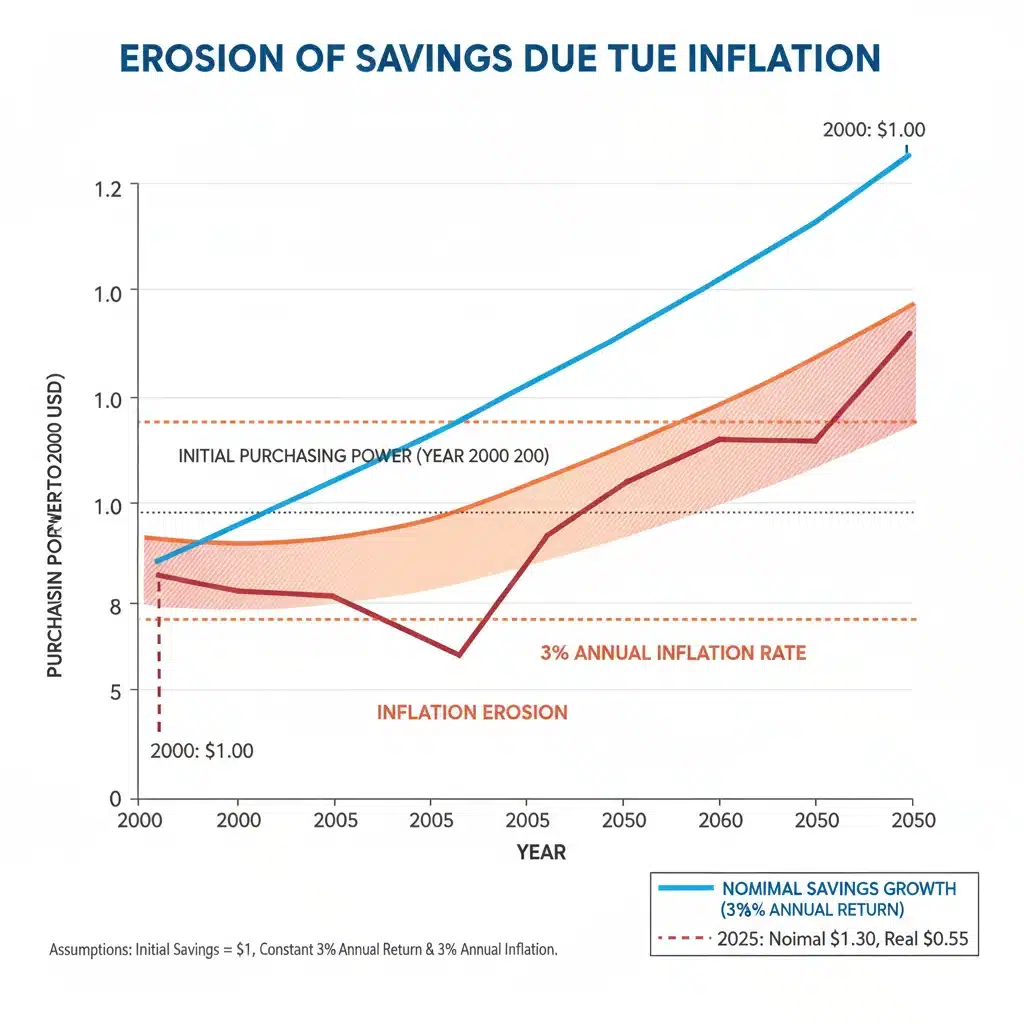
Inflation, at its core, is the rate at which the general level of prices for goods and services is rising, and consequently, the purchasing power of currency is falling. A 3% annual inflation rate might seem modest on the surface, but its cumulative effect over time can significantly erode the value of your savings and investments if left unaddressed. Understanding this dynamic is the first step towards building a financial plan that not only withstands inflation but thrives despite it.
The goal of this article is to delve deep into the various facets of financial planning under a 3% inflation scenario. We will explore how inflation impacts different aspects of your financial life, from your daily budget and savings to your long-term investments and retirement goals. More importantly, we will provide actionable strategies and practical advice to mitigate these effects, helping you to protect and grow your wealth. Embark on this journey with us as we equip you with the insights necessary for successful 2026 financial planning in an inflationary environment.
Understanding the Nuances of 3% Inflation
Before we dive into specific strategies for 2026 financial planning, it’s crucial to grasp what a 3% inflation rate truly signifies. While it’s lower than the elevated rates experienced in recent years, it’s still a persistent force that demands respect. A 3% inflation rate means that, on average, goods and services that cost $100 today will cost $103 next year. Over a decade, that same $100 item could cost approximately $134.39, assuming a consistent 3% annual increase. This seemingly small percentage can have a profound impact on your long-term financial health.
The impact isn’t uniform across all sectors. Some expenses, like healthcare, education, or housing, might outpace the general inflation rate, while others might lag. This differential impact necessitates a granular understanding of your personal spending habits and how inflation affects your specific cost of living. For effective 2026 financial planning, it’s not enough to know the overall inflation rate; you must also consider how it specifically influences your household budget.
Furthermore, inflation can be influenced by a myriad of factors, including supply chain disruptions, geopolitical events, government fiscal policies, and consumer demand. While we are focusing on a projected 3% rate, it’s important to remain adaptable and monitor economic indicators regularly. The strategies outlined in this article are designed to build resilience, allowing you to pivot as economic conditions evolve. This foundational understanding is the bedrock upon which sound 2026 financial planning is built.
Revisiting Your Budget: The First Line of Defense
Your budget is the cornerstone of your financial plan, and it’s the first area that needs a thorough review when facing inflation. A 3% annual inflation rate means your current spending levels will likely require more money in 2026 to maintain the same lifestyle. Ignoring this reality can lead to a gradual erosion of your financial stability. The key is not just to cut expenses, but to strategically adjust and optimize your spending.
Analyzing Your Current Expenses
Start by categorizing your expenses into ‘needs’ and ‘wants.’ Needs include housing, utilities, groceries, transportation, and essential healthcare. Wants are discretionary spending like dining out, entertainment, and luxury purchases. With inflation, the cost of both categories will rise, but your ability to adjust will differ. For effective 2026 financial planning, understanding this distinction is paramount.
Review your bank statements and credit card bills from the past 6-12 months to get a clear picture of where your money is going. Pay particular attention to variable expenses, as these are often the easiest to adjust. Identify areas where you can potentially reduce consumption or find more cost-effective alternatives. For instance, if grocery prices are rising, consider meal planning, buying in bulk, or exploring generic brands.
Adjusting for Increased Costs
Once you have a clear picture of your spending, project how a 3% inflation rate might impact each category. While it’s an average, it serves as a good starting point. For example, if you currently spend $500 on groceries per month, prepare for that to become $515 next year. Factor these increases into your budget for 2026 financial planning.
Consider renegotiating recurring bills like insurance premiums or internet services. Loyalty programs and discounts can also help offset rising costs. For larger expenses like housing, if you’re a renter, prepare for potential rent increases. Homeowners should factor in higher property taxes and maintenance costs.
Building an Inflation-Resistant Budget
The goal is to create a budget that is flexible and forward-looking. Incorporate a buffer for unexpected price increases. This buffer can be a small percentage added to each category or a dedicated ‘inflation adjustment’ fund. Automating savings and bill payments can also help ensure you stick to your revised budget. By meticulously refining your budget, you lay a strong foundation for robust 2026 financial planning.
Safeguarding Your Savings: More Than Just a Savings Account
Traditional savings accounts, while offering security, often yield interest rates that barely keep pace with, or even fall below, inflation. In a 3% inflation environment, money sitting idle in a low-interest savings account is effectively losing purchasing power. Protecting your savings requires a more strategic approach than simply accumulating cash. This is a critical component of 2026 financial planning.
High-Yield Savings Accounts and CDs
While still not always beating inflation, high-yield savings accounts and Certificates of Deposit (CDs) offer better returns than standard accounts. Shop around for the best rates and consider laddering CDs to take advantage of potentially rising interest rates in the future. These options provide liquidity (though CDs have withdrawal penalties) and a modest hedge against inflation.
Inflation-Protected Securities (TIPS)
For a direct hedge against inflation, consider Treasury Inflation-Protected Securities (TIPS). The principal value of TIPS adjusts with the Consumer Price Index (CPI), ensuring that your investment keeps pace with inflation. When TIPS mature, you receive either the original or adjusted principal, whichever is greater. They also pay interest every six months, which is applied to the adjusted principal. TIPS are an excellent tool for preserving purchasing power, particularly for longer-term savings goals within your 2026 financial planning.
Diversifying Your Cash Holdings
Don’t put all your ‘cash’ eggs in one basket. Keep an emergency fund in a readily accessible, high-yield account. For funds you won’t need for several years, consider allocating a portion to inflation-protected instruments or short-term bonds that may offer better returns. The objective is to maintain a balance between liquidity, safety, and inflation protection. Thoughtful diversification is key for effective 2026 financial planning.
Investment Strategies for an Inflationary Climate
Investing wisely is perhaps the most potent weapon against inflation. A 3% inflation rate necessitates a portfolio that not only grows but grows at a rate that outpaces the erosion of purchasing power. This means re-evaluating your asset allocation and considering investments traditionally known to perform well during inflationary periods. Your 2026 financial planning should heavily incorporate these considerations.
Equities: Growth and Dividends
Historically, the stock market has offered returns that outpace inflation over the long term. Companies with strong pricing power – those that can pass increased costs onto consumers without significant loss of sales – tend to perform well. Look for businesses with robust balance sheets, consistent earnings growth, and competitive advantages.
Dividend-paying stocks can also be attractive, especially those with a history of increasing their dividends. These growing income streams can help offset the rising cost of living. Diversification across different sectors and geographies remains crucial to mitigate risk within your 2026 financial planning.
Real Estate: A Tangible Asset
Real estate is often considered a good hedge against inflation because property values and rental income tend to rise with general price levels. If you own a home, its value may appreciate, offering a form of wealth preservation. For investors, real estate investment trusts (REITs) offer a way to gain exposure to real estate without direct property ownership. They typically offer high dividend yields and can provide a steady income stream that can keep pace with inflation.
However, it’s important to remember that real estate markets can be cyclical, and local conditions matter. Research and due diligence are essential before making significant real estate investments as part of your 2026 financial planning.
Commodities: Direct Inflation Hedge
Commodities like gold, silver, oil, and agricultural products often perform well during inflationary periods. As the cost of goods rises, so too does the value of the raw materials used to produce them. Gold, in particular, is often seen as a traditional safe haven asset during economic uncertainty and inflation. However, commodity markets can be volatile, and direct investment may not be suitable for all investors.
Exchange-Traded Funds (ETFs) that track commodity indices can provide diversified exposure to this asset class, offering a more accessible way to incorporate them into your 2026 financial planning without the complexities of direct ownership.
Fixed Income: Re-evaluating Bonds
Rising interest rates, often a response to inflation, can negatively impact the value of existing bonds. Bonds with lower interest rates become less attractive compared to newly issued bonds with higher rates. Therefore, a careful approach to fixed income is necessary. Consider shorter-duration bonds or bond funds, which are less sensitive to interest rate fluctuations. As mentioned earlier, TIPS are a specific fixed-income instrument designed to protect against inflation.
Diversifying your bond holdings across different types and maturities can help manage risk. Always align your fixed-income strategy with your overall risk tolerance and time horizon for optimal 2026 financial planning.
Alternative Investments
For accredited investors or those with higher risk tolerance, alternative investments like private equity, hedge funds, or even certain structured products might offer inflation-hedging qualities. These are typically less correlated with traditional markets and can provide diversification benefits. However, they often come with higher fees, illiquidity, and increased risk, so thorough research and professional advice are crucial.
Protecting Your Retirement and Long-Term Goals
Inflation is a silent thief of retirement savings. What seems like a comfortable nest egg today could provide a significantly lower standard of living in the future if inflation isn’t accounted for. Your 2026 financial planning must extend far beyond the immediate horizon to secure your golden years.
Revisiting Retirement Projections
If your retirement projections haven’t been updated to include a 3% annual inflation rate, now is the time. Use online calculators or consult a financial advisor to re-evaluate how much you’ll truly need to retire comfortably. You might find that you need to save more, work longer, or adjust your expected lifestyle in retirement. This re-evaluation is a critical step in effective 2026 financial planning.
Maximizing Tax-Advantaged Accounts
Accounts like 401(k)s, IRAs, and Roth IRAs offer tax benefits that can significantly boost your investment growth, effectively helping you beat inflation. Maximize your contributions to these accounts, especially if your employer offers a matching contribution, which is essentially free money. The compounding growth within these accounts, shielded from annual taxes, provides a powerful advantage.
For Roth accounts, contributions are made with after-tax dollars, but qualified withdrawals in retirement are tax-free. This means that the growth of your investments, which has been working to outpace inflation, can be accessed without further tax burden, making them particularly valuable in an inflationary environment. Integrate these strategies into your 2026 financial planning.
Considering Annuities and Pensions
If you have access to a pension, understand how it adjusts for inflation. Some pensions offer cost-of-living adjustments (COLAs), which can be a valuable safeguard. Similarly, certain annuities offer inflation-adjusted payouts, providing a guaranteed income stream that keeps pace with rising prices. While annuities can be complex and have various fees, exploring inflation-indexed options might be beneficial for a portion of your retirement income strategy.
Healthcare Costs in Retirement
Healthcare costs consistently outpace general inflation. When planning for retirement, allocate a substantial portion of your projected expenses to healthcare. Consider health savings accounts (HSAs) if you’re eligible. HSAs offer a triple tax advantage: tax-deductible contributions, tax-free growth, and tax-free withdrawals for qualified medical expenses. They can be a powerful tool for saving for future healthcare costs, making them an indispensable part of your 2026 financial planning.

Debt Management in an Inflationary Environment
While inflation erodes the value of money, it can also affect debt. For fixed-rate debt, inflation can be beneficial as the real value of your future payments decreases. However, for variable-rate debt, rising interest rates (often a response to inflation) can make your payments more expensive. Therefore, strategic debt management is a crucial aspect of 2026 financial planning.
Prioritizing High-Interest, Variable-Rate Debt
Focus on paying down high-interest, variable-rate debt first, such as credit card balances or adjustable-rate mortgages. As interest rates rise to combat inflation, the cost of this debt will increase, potentially making it harder to manage. Aggressively paying down these debts can free up cash flow and reduce your financial vulnerability.
Leveraging Fixed-Rate Debt Wisely
Fixed-rate debt, like a traditional fixed-rate mortgage, can become less burdensome over time in an inflationary environment. The real value of your monthly payments decreases as inflation rises, effectively making your debt cheaper in real terms. This doesn’t mean taking on more debt, but rather understanding its relative impact on your finances. For 2026 financial planning, this distinction is important.
Avoiding New Unnecessary Debt
In times of rising costs, it can be tempting to rely on credit to maintain your lifestyle. However, taking on new, high-interest debt can quickly spiral out of control, especially if inflation persists and interest rates continue to climb. Exercise caution and prioritize needs over wants to avoid accumulating debt that could jeopardize your financial future.
The Role of Income: Boosting Your Earning Potential
While managing expenses and investments is vital, increasing your income is arguably the most direct way to combat inflation. If your income doesn’t keep pace with the rising cost of living, your purchasing power will inevitably decline. This is a proactive step that should be integral to your 2026 financial planning.
Negotiating Salary and Raises
Regularly assess your market value and be prepared to negotiate for salary increases that at least match, if not exceed, the rate of inflation. Document your achievements, take on new responsibilities, and articulate your value to your employer. Many companies factor inflation into their compensation strategies, but it’s often up to the individual to advocate for themselves.
Developing New Skills and Education
Investing in yourself through education and skill development can significantly boost your earning potential. Acquiring in-demand skills can open doors to higher-paying roles or allow you to command a better salary in your current position. Consider certifications, online courses, or even a degree that aligns with growing industries. This long-term investment in human capital is a powerful hedge against inflation for your 2026 financial planning.
Exploring Side Hustles and Passive Income
A side hustle or a source of passive income can provide an additional stream of revenue that helps offset inflationary pressures. This could be anything from freelancing, consulting, or selling goods online to investing in dividend stocks or rental properties. Diversifying your income sources not only provides a financial cushion but also offers greater flexibility and control over your financial destiny.
Staying Informed and Adapting Your Plan
The economic landscape is dynamic, and what holds true today might shift tomorrow. While we are planning for a 3% inflation rate in 2026, it’s crucial to remain vigilant and adaptable. Continuous monitoring of economic indicators and a willingness to adjust your financial plan are hallmarks of successful financial management in an inflationary environment.
Regular Financial Reviews
Schedule regular reviews of your financial plan – at least annually, but ideally quarterly. During these reviews, assess your budget, investment performance, debt levels, and overall financial goals. Compare your actual results against your projections and make necessary adjustments. This iterative process is essential for effective 2026 financial planning and beyond.
Consulting a Financial Advisor
A qualified financial advisor can provide personalized guidance tailored to your specific circumstances and risk tolerance. They can help you navigate complex investment strategies, optimize your portfolio for inflation, and ensure your long-term goals remain on track. Their expertise can be invaluable in making informed decisions, especially during periods of economic uncertainty. Don’t hesitate to seek professional advice to strengthen your 2026 financial planning.
Staying Informed on Economic News
Keep abreast of economic news and policy changes. Understand how central bank decisions, government spending, and global events can influence inflation and interest rates. While you don’t need to be an economist, a basic understanding of these forces will empower you to make more informed financial decisions.
Conclusion: A Proactive Approach to 2026 Financial Planning
Navigating a 3% annual inflation rate in your 2026 financial planning is not about panic, but about preparation. By understanding the insidious effects of inflation and implementing proactive strategies, you can protect your purchasing power, grow your wealth, and secure your financial future. From meticulously adjusting your budget and strategically safeguarding your savings to optimizing your investments and boosting your income, every step taken is a step towards greater financial resilience.
Remember that financial planning is not a one-time event but an ongoing process. The principles of diversification, continuous learning, and adaptability will serve you well, regardless of the economic climate. Embrace the challenge of inflation as an opportunity to refine your financial habits and build a stronger, more secure financial foundation for 2026 and the years to come. Your proactive efforts today will yield significant benefits in the future, ensuring that your financial goals remain within reach, even as the cost of living continues to rise.