2026 Scams: Identifying and Avoiding Top Schemes Targeting U.S. Consumers
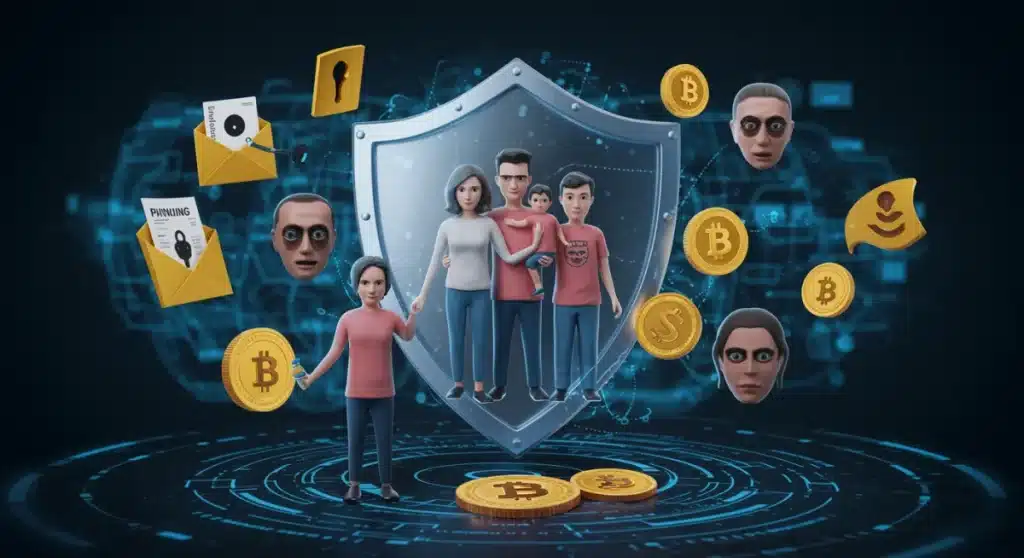
Understanding the latest scams of 2026 is paramount for U.S. consumers to effectively identify and avoid the top three sophisticated schemes, thereby protecting their personal data and financial well-being.
In an increasingly digital world, staying informed about the latest scams of 2026 is not just advisable, it’s essential for every U.S. consumer. As technology advances, so do the tactics of fraudsters, making it crucial to recognize and protect yourself against sophisticated schemes designed to exploit trust and financial vulnerabilities. This article will delve into the most prevalent and dangerous scams currently targeting Americans, empowering you with the knowledge to safeguard your assets and personal information.
The Rise of AI-Powered Phishing: A New Era of Deception
The year 2026 marks a significant leap in the sophistication of phishing attacks, largely driven by advancements in artificial intelligence. Gone are the days of easily spotted grammatical errors and generic greetings. Today’s AI-powered phishing campaigns are remarkably convincing, making them incredibly difficult for the average consumer to detect.
These new-generation scams leverage AI to craft highly personalized and contextually relevant messages. They can mimic the writing style of trusted contacts, incorporate details gleaned from public social media profiles, and even generate voice clones for convincing phone calls. The sheer volume and tailored nature of these attacks present an unprecedented challenge to consumer security.
Personalized Email and Text Scams
Scammers now employ AI to analyze vast amounts of data, creating emails and texts that appear to come from legitimate sources. They can reference recent purchases, subscription services, or even personal events, making their requests for information or action seem entirely plausible.
- Sophisticated Language: AI ensures perfect grammar and natural phrasing, eliminating common red flags.
- Contextual Relevance: Messages often relate to recent online activity or known personal details.
- Dynamic Content: Phishing sites can adapt their content based on user interaction, further enhancing their legitimacy.
Voice Cloning and Deep Listening
The advent of readily available voice cloning technology has added another layer of threat. Scammers can now replicate the voices of loved ones, colleagues, or even bank representatives, using them to extract sensitive information or authorize fraudulent transactions. These ‘deep listening’ scams are particularly effective because they exploit emotional connections and trust.
Recognizing these advanced phishing tactics requires a heightened sense of vigilance and skepticism. Always verify unexpected requests through an alternative, trusted communication channel.
The evolution of AI in phishing means that traditional detection methods are often insufficient. Consumers must develop a proactive mindset, questioning any unsolicited communication that demands immediate action or personal data, regardless of how authentic it appears.
Deepfake Identity Fraud: The Ultimate Impersonation Threat
Deepfake technology, once a novelty, has matured into a powerful tool for fraudsters in 2026, posing a severe threat to personal identity and financial security. These highly realistic synthetic media, whether video or audio, can convincingly impersonate individuals, leading to devastating consequences for unsuspecting victims.
The ability to create lifelike digital replicas of people allows scammers to bypass traditional verification methods and exploit personal relationships. This form of fraud is particularly insidious because it erodes the fundamental trust we place in visual and auditory cues.
Manipulated Video and Audio Calls
Fraudsters are using deepfake videos to conduct ‘video calls’ where they impersonate bank officials, investment advisors, or even family members in distress. The visual and auditory fidelity is often so high that it’s nearly impossible to distinguish from reality without specialized tools.
- Realistic Impersonations: Deepfakes can replicate facial expressions, gestures, and vocal nuances.
- Bypassing Verification: These fakes can trick biometric systems or human agents during identity verification processes.
- Emotional Manipulation: Scammers leverage the emotional impact of seeing and hearing a ‘loved one’ to coerce victims into action.
Synthetic Identity Creation
Beyond impersonating existing individuals, deepfake technology is also being used to create entirely synthetic identities. These fabricated personas, complete with believable digital footprints, are then used to open fraudulent accounts, apply for loans, or engage in other financial crimes without a real person behind them. This makes tracking and prosecution incredibly challenging.
The best defense against deepfake identity fraud involves a combination of technological awareness and critical thinking. Always be suspicious of unusual requests, especially those involving money or personal information, even if the person on the screen or line appears to be someone you know.
As deepfake technology becomes more accessible, the onus is increasingly on individuals to exercise extreme caution. Verifying identities through pre-arranged codewords or alternative contact methods is becoming a necessary step in digital interactions.
Advanced Crypto-Investment Cons: Exploiting Digital Asset Enthusiasm
The burgeoning interest in digital assets and cryptocurrencies continues to attract innovative fraudsters in 2026. These advanced crypto-investment cons are incredibly sophisticated, often mimicking legitimate platforms and promising unrealistic returns, preying on both seasoned investors and newcomers eager to enter the digital economy.
These scams are characterized by their elaborate setups, often involving fake trading platforms, fabricated testimonials, and seemingly legitimate ‘experts’ who guide victims into depositing funds into fraudulent schemes. The decentralized and often unregulated nature of cryptocurrency markets makes them fertile ground for these illicit activities.

Fake Exchange Platforms and Liquidity Pools
Scammers create highly convincing replica cryptocurrency exchange platforms or lure victims into fake liquidity pools. These platforms often display fabricated profits and sophisticated interfaces, giving the illusion of a legitimate investment opportunity. Once funds are deposited, they are quickly siphoned away, leaving the investor with nothing.
- Professional-Looking Interfaces: Websites and apps are meticulously designed to appear authentic.
- Guaranteed High Returns: Promises of unrealistic profits are a major red flag.
- Withdrawal Obstacles: Victims often face endless fees or technical issues when attempting to withdraw their ‘earnings.’
Pig Butchering Scams with a Crypto Twist
The ‘pig butchering’ scam, a long-con financial fraud, has been expertly adapted to the crypto space. Scammers build long-term relationships with victims, often through dating apps or social media, slowly gaining their trust before introducing them to a ‘lucrative’ crypto investment opportunity. The victim is then encouraged to invest increasing amounts, only to find their funds stolen once the ‘pig’ is fat enough.
Protecting yourself from crypto-investment cons requires extensive due diligence. Always research any investment opportunity thoroughly, consult independent financial advisors, and be wary of anyone guaranteeing high returns with little to no risk.
The appeal of quick wealth in the crypto market makes it a prime target for scammers. Vigilance, independent verification, and a healthy dose of skepticism are your best tools against these increasingly complex financial traps.
Proactive Measures: Strengthening Your Digital Fortifications
Given the escalating sophistication of scams in 2026, a reactive approach is no longer sufficient. Consumers must adopt proactive measures to strengthen their digital fortifications and minimize their vulnerability. This involves a combination of technological safeguards, behavioral adjustments, and continuous education.
Building a robust defense against these evolving threats requires more than just awareness; it demands consistent application of best practices across all digital interactions. Every click, every communication, and every financial transaction must be approached with a cautious and informed mindset.
Implementing Advanced Security Protocols
Beyond basic passwords, consumers should be utilizing multi-factor authentication (MFA) on all critical accounts. Biometric authentication, hardware security keys, and secure password managers are no longer optional but essential tools in your cybersecurity arsenal.
- Strong, Unique Passwords: Use a password manager to generate and store complex passwords for each account.
- Multi-Factor Authentication (MFA): Enable MFA everywhere possible, especially for banking, email, and social media.
- Regular Software Updates: Keep operating systems, browsers, and applications updated to patch security vulnerabilities.
Critical Thinking and Verification Habits
Cultivating a habit of critical thinking is perhaps the most powerful defense. Always question unsolicited communications, especially those that create a sense of urgency or offer unbelievable opportunities. Verify requests for information or money through independent channels.
Before clicking links, verify the sender’s identity. If a call seems suspicious, hang up and call back using an official number. These simple steps can interrupt the scammer’s flow and protect you from falling victim.
A proactive stance against scams involves continuously educating oneself about new threats and adapting security practices accordingly. Staying informed through reputable sources like Inforadar360 is a crucial part of this ongoing effort.
Reporting Scams: Your Role in Consumer Protection
Falling victim to a scam can be a distressing experience, but reporting it is a critical step not only for your own recovery but also for the broader effort to protect other consumers. Your report provides valuable data to law enforcement and consumer protection agencies, helping them track trends, identify perpetrators, and issue warnings.
Many victims feel embarrassment or shame, which can prevent them from reporting. However, understanding that these scams are highly sophisticated and designed to deceive even the most cautious individuals can help overcome this reluctance. Every report contributes to a safer digital environment for everyone.
Where to Report Fraud
The U.S. has several official channels for reporting different types of scams. Knowing where to direct your report ensures it reaches the appropriate authorities for investigation and action.
- Federal Trade Commission (FTC): For most scams, identity theft, and deceptive business practices.
- FBI’s Internet Crime Complaint Center (IC3): For online fraud, cybercrime, and deepfake-related incidents.
- Securities and Exchange Commission (SEC): For investment scams, including those involving cryptocurrency.
- State Attorney General’s Office: For local consumer protection issues.
The Impact of Your Report
Even if your funds cannot be recovered, your report is vital. It helps authorities understand the scope of the problem, develop preventative strategies, and potentially bring scammers to justice. It also contributes to public awareness campaigns that can save countless others from similar fates.
Taking immediate action after recognizing a scam, including reporting it and securing your accounts, is crucial. The faster you act, the better the chances of mitigating damage and assisting in the broader fight against fraud.
The Future of Scam Prevention: Emerging Technologies and Policies
As scams continue to evolve, so too must the strategies for prevention. The future of scam prevention in 2026 and beyond will increasingly rely on a combination of emerging technologies and robust policy frameworks. These advancements aim to create a more secure digital ecosystem, making it harder for fraudsters to operate and easier for consumers to stay safe.
Innovation in cybersecurity is a continuous arms race against criminal ingenuity. From AI-driven threat detection to blockchain-based verification, the tools available to protect consumers are becoming more sophisticated, but their effectiveness still hinges on widespread adoption and collaboration.
AI-Driven Threat Detection Systems
Artificial intelligence is a double-edged sword. While it powers new scams, it also offers powerful solutions for detection and prevention. AI-driven systems can analyze vast amounts of data to identify unusual patterns, detect deepfakes, and flag suspicious communications in real-time, often before they reach the consumer.
- Behavioral Analytics: AI can learn user behavior to identify deviations indicative of fraud.
- Deepfake Detection: Advanced algorithms are being developed to reliably spot synthetic media.
- Proactive Warnings: Systems can issue alerts for known scam tactics or suspicious digital interactions.
Legislative and Regulatory Frameworks
Governments and regulatory bodies are also adapting, working to establish stronger legislative and regulatory frameworks to combat cybercrime and protect digital assets. This includes increased penalties for fraudsters, improved cross-border cooperation, and mandates for enhanced security measures from technology providers.
The collaboration between technology developers, government agencies, and consumer protection groups will be key to building a resilient defense against future scams. Empowering consumers with knowledge and tools remains at the forefront of these efforts.
Ultimately, a multi-faceted approach combining technological innovation, clear policies, and informed consumer behavior will be essential to navigate the complex landscape of scams in the coming years.
| Key Scam Type | Brief Description |
|---|---|
| AI-Powered Phishing | Highly personalized and convincing emails/texts using AI to mimic trusted sources and extract data. |
| Deepfake Identity Fraud | Using AI-generated video/audio to impersonate individuals for financial gain or to bypass security. |
| Crypto-Investment Cons | Elaborate schemes involving fake platforms and promises of high returns in the digital asset market. |
| Proactive Measures | Implementing MFA, strong passwords, and critical thinking for enhanced digital security. |
Frequently Asked Questions About 2026 Scams
AI-powered phishing scams in 2026 are highly personalized and use sophisticated language, often mimicking trusted contacts perfectly. Unlike older scams with obvious errors, AI versions are contextually relevant and much harder to detect, leveraging data to create convincing narratives and even voice clones.
The best defenses include verifying unexpected requests through alternative, trusted communication channels, such as a pre-arranged codeword or a known official phone number. Always be suspicious of unusual demands, especially those involving immediate financial transactions, even if the person appears familiar.
Recognize these cons by being wary of guaranteed high returns with little to no risk, professional-looking but unregistered platforms, and sudden pressure to invest large sums. Always conduct independent research, consult reputable financial advisors, and never trust unsolicited investment opportunities.
Proactive steps include implementing multi-factor authentication (MFA) on all accounts, using strong and unique passwords managed by a password manager, and regularly updating software. Cultivating critical thinking and verifying all suspicious communications are also crucial for robust protection.
Reporting a scam is vital because it provides law enforcement and consumer protection agencies with data to track evolving trends, identify perpetrators, and issue public warnings. Your report contributes to broader efforts to combat fraud, potentially preventing countless others from falling victim to similar schemes.
Conclusion
The landscape of consumer scams in 2026 is undeniably complex, with fraudsters leveraging cutting-edge technologies like AI and deepfakes to create sophisticated and highly convincing schemes. From personalized phishing attacks and elaborate deepfake identity fraud to advanced crypto-investment cons, the threats are more subtle and pervasive than ever before. However, armed with knowledge and a proactive approach to digital security, U.S. consumers can significantly reduce their vulnerability. By understanding these top three schemes, implementing robust security measures, cultivating critical thinking, and actively reporting any suspicious activities, individuals can navigate the digital world with greater confidence and safeguard their financial well-being and personal information against these evolving threats.